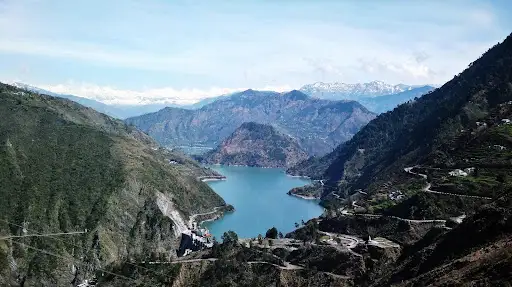
Chamera Dam is a major hydroelectric project built on the Ravi River in Himachal Pradesh. It is designed to generate electricity and support regional development while utilizing the natural water resources of the Himalayas.
Chamera Dam plays a vital role in North India’s power supply by generating hydroelectric energy from the Ravi River while contributing to economic growth and infrastructure in Himachal Pradesh.
Location and Overview of Chamera Dam
Chamera Dam is located in the scenic Chamba district of Himachal Pradesh:
- Built across the Ravi River
- Part of the Chamera Hydroelectric Project
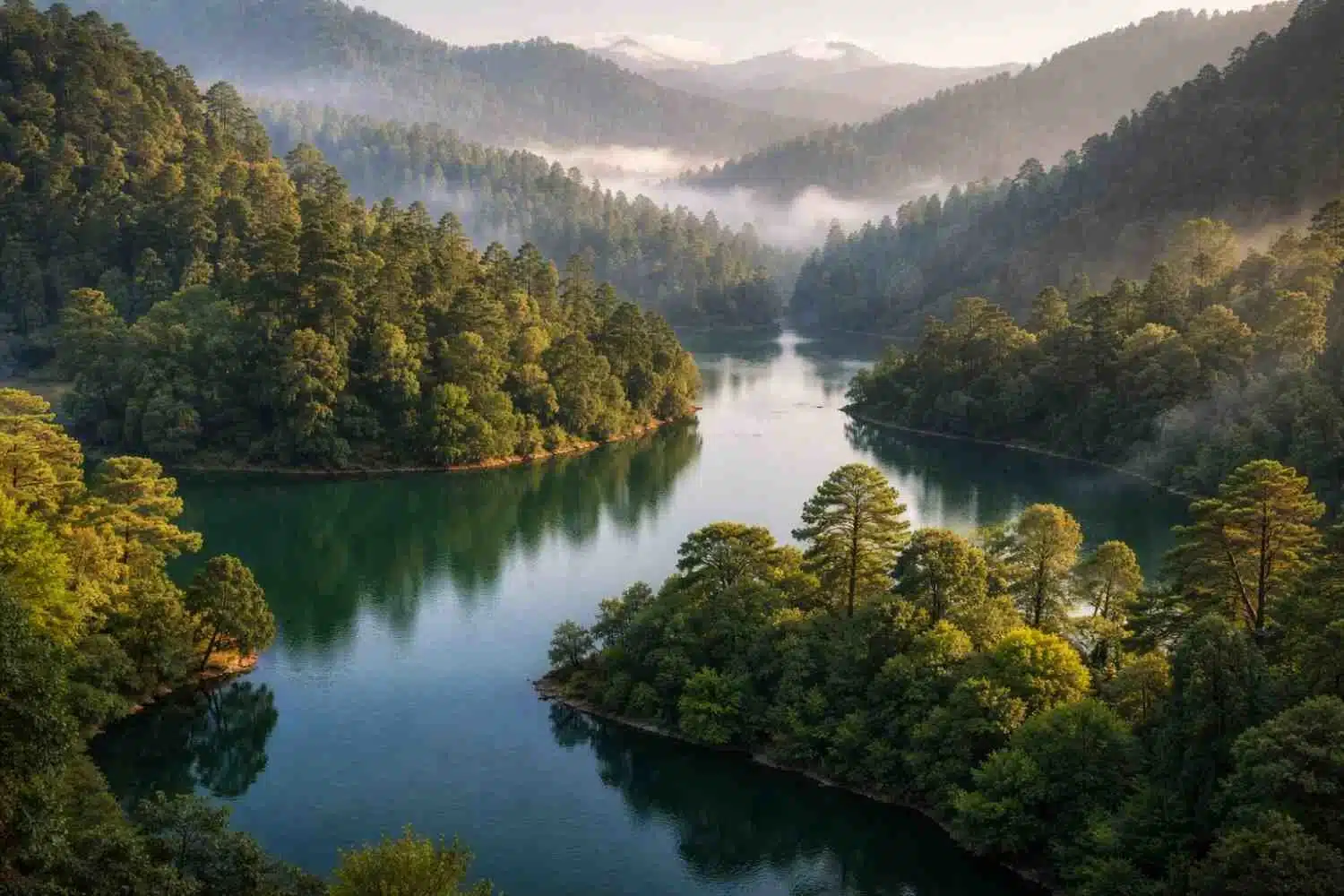
- Surrounded by hills and the beautiful Chamera Lake reservoir
It is one of the most important hydroelectric sites in the region.
History and Development of Chamera Dam
The Chamera project was developed in phases to maximize energy generation:
- Planned and executed in multiple stages
- Developed by the National Hydroelectric Power Corporation (NHPC)
- Includes three stages: Chamera I, II, and III
Each phase contributed to increasing the overall power capacity.
Engineering and Structure of the Dam
Chamera Dam is an engineering achievement suited for mountainous terrain:
- Designed for efficient hydroelectric generation
- Features a large reservoir known as Chamera Lake
- Built to handle varying water flow conditions of the Ravi River
Its structure ensures durability and optimal energy production.
Hydroelectric Power Generation Capacity
The Chamera project is a major contributor to power generation:
- Multiple units across Chamera I, II, and III
- Supplies electricity to several northern states
- Strengthens regional power infrastructure
It plays a crucial role in meeting growing energy demands.
Role in Powering North India
Chamera Dam significantly contributes to North India’s energy needs:
- Provides electricity to multiple states
- Supports grid stability
- Promotes renewable and clean energy
It reduces dependence on non-renewable energy sources.
Economic and Infrastructure Impact
The dam has boosted development in the region:
- Created employment opportunities
- Improved infrastructure in Chamba
- Supported local businesses and growth
It has contributed to the socio-economic development of Himachal Pradesh.
Also Read: Roopkund Trek – Skeleton Lake of Uttarakhand (Complete Trek & Mystery Guide)
Environmental and Social Impact
While beneficial, the project also brought challenges:
- Impact on local communities and settlements
- Changes in ecological balance
- Need for sustainable water and resource management
Balancing development with environmental protection remains essential.
Tourism Around Chamera Dam
Chamera Dam has also become a popular tourist destination:
- Offers breathtaking views of Chamera Lake
- Activities like boating and sightseeing
- Close to major attractions in Chamba
It attracts both nature lovers and adventure seekers.
Interesting Facts About Chamera Dam
- A multi-stage hydroelectric project
- One of the key dams on the Ravi River
- Plays a strategic role in energy production
It stands as a symbol of modern infrastructure in Himachal.
Challenges and Future Scope
The project faces ongoing and future challenges:
- Maintenance and sustainability concerns
- Impact of climate change on water resources
- Scope for expansion of hydroelectric capacity
Continuous development and monitoring are crucial for its future.
Conclusion
Chamera Dam stands as a vital hydroelectric project that powers North India while driving economic growth in Himachal Pradesh. By harnessing the energy of the Ravi River, it represents a balance between development, sustainability, and the region’s natural resources.
FAQ
Chamera Dam is located in the Chamba district of Himachal Pradesh on the Ravi River.
It is operated by the National Hydroelectric Power Corporation (NHPC).
The dam is built for hydroelectric power generation and regional development.
The project has three stages: Chamera I, II, and III.