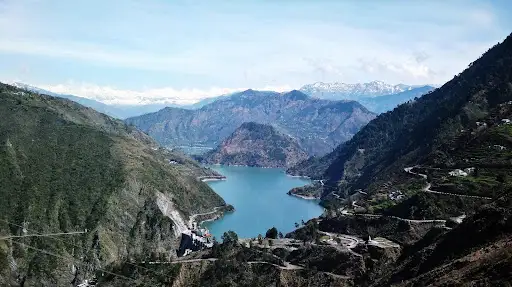
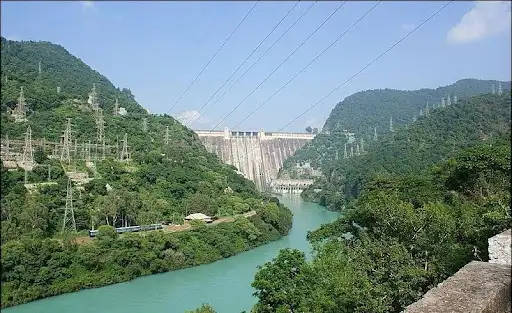
Bhakra Dam is one of India’s largest and most significant dams, constructed on the Sutlej River. It plays a vital role in irrigation, hydroelectric power generation, and regional development across North India.
Bhakra Dam transformed Himachal Pradesh and nearby states by providing irrigation, electricity, and flood control, making it a cornerstone of modern infrastructure in North India.
Location and Overview of Bhakra Dam
Bhakra Dam is strategically located in the Bilaspur district of Himachal Pradesh:
- Built across the Sutlej River
- One of the highest gravity dams in the world
- Forms the massive Gobind Sagar reservoir
Its scale and importance make it one of India’s most iconic infrastructure projects.
Also Read: Babru of Himachal: The Mountain Version of Kachori
History Behind the Construction of Bhakra Dam
The idea of the Bhakra Dam dates back to pre-independence India, but was realized after independence:
- Early planning began during British rule
- Construction started after 1947
- Championed by India’s first Prime Minister, Jawaharlal Nehru
Nehru famously referred to such projects as the “temples of modern India.”
Engineering and Construction Details
Bhakra Dam is a remarkable example of engineering excellence:
- Type: Concrete gravity dam
- One of the tallest dams in India
- Created the vast Gobind Sagar reservoir
Its design allows it to withstand immense water pressure while ensuring stability.
Role of Bhakra Dam in Hydroelectric Power Generation
The dam is a major source of hydroelectric power:
- Generates electricity for multiple states
- Supplies power to Punjab, Haryana, Rajasthan, and beyond
- Crucial for meeting North India’s energy demands
It has significantly contributed to industrial and urban development.
Impact on Agriculture and Irrigation
Bhakra Dam revolutionized agriculture in North India:
- Provides irrigation to Punjab, Haryana, and Rajasthan
- Played a key role in the Green Revolution
- Boosted crop productivity and food security
It turned previously dry regions into fertile agricultural zones.
Economic and Social Impact on Himachal Pradesh
The project brought major socio-economic changes:
- Development of roads and infrastructure
- Creation of employment opportunities
- Growth of towns and urbanization
It helped integrate Himachal Pradesh into modern economic systems.
Environmental Impact and Challenges
Despite its benefits, the Bhakra Dam also posed challenges:
- Displacement of local communities during construction
- Changes in local ecosystems
- Ongoing water management concerns
Balancing development with sustainability remains important.
Tourism and Its Importance Today
Today, the Bhakra Dam is also a popular tourist attraction:
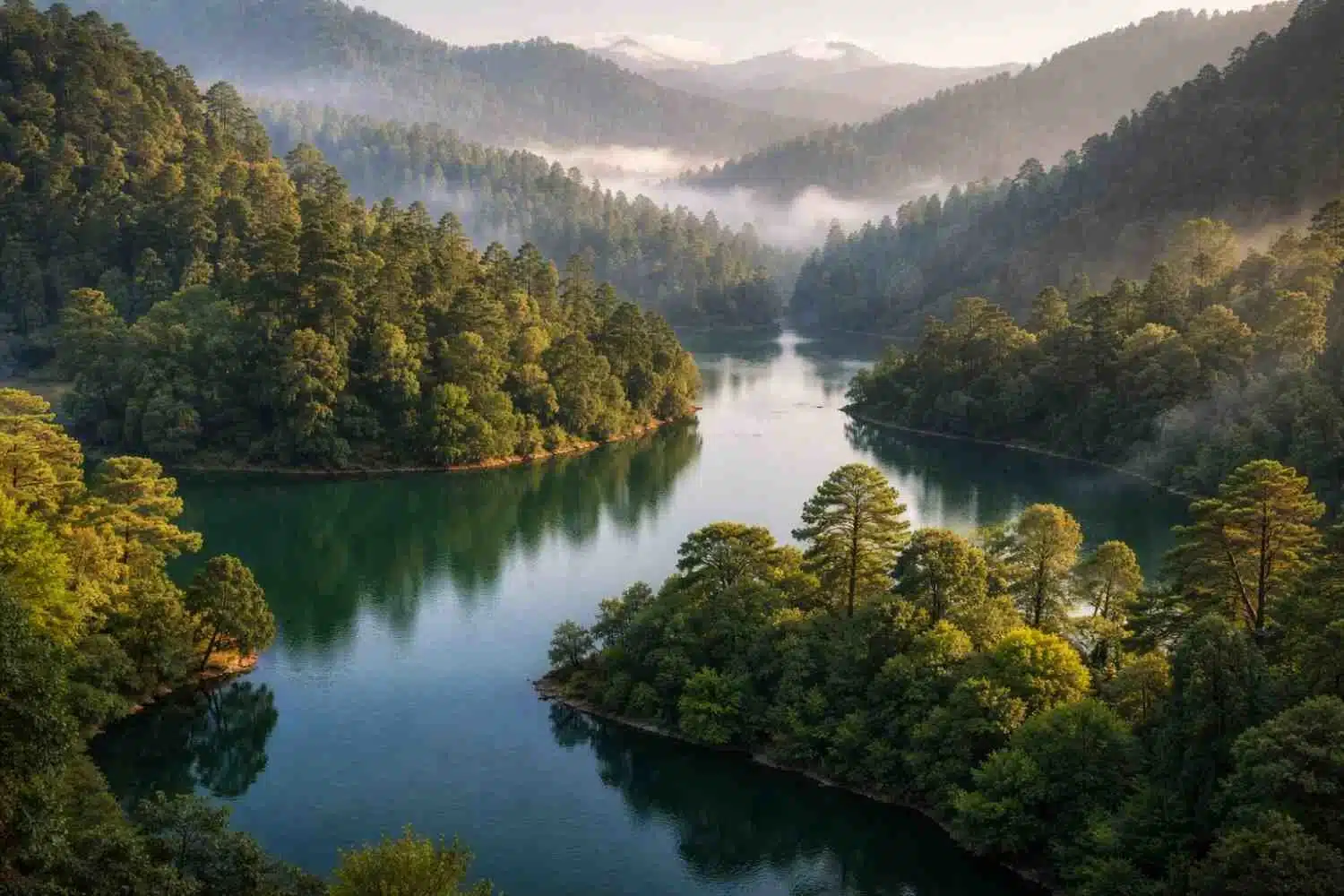
- Offers stunning views of the Gobind Sagar reservoir
- Attracts visitors interested in engineering and nature
- Nearby areas provide scenic landscapes and experiences
It blends infrastructure with natural beauty.
Interesting Facts About Bhakra Dam
- Among the tallest dams in India
- Known as the “New Temple of Resurgent India”
- Has a massive water storage capacity
It remains a symbol of India’s progress and ambition.
Why Bhakra Dam is Called the Backbone of North India
Bhakra Dam is often referred to as the backbone of North India because:
- It is a multi-purpose project (power, irrigation, flood control)
- Has a long-term impact on multiple states
- Plays a strategic role in regional development
Its influence extends far beyond Himachal Pradesh.
Conclusion
Bhakra Dam stands as a symbol of India’s engineering excellence and vision for development. By transforming agriculture, generating power, and supporting livelihoods, it has played a crucial role in shaping modern Himachal Pradesh and the broader North Indian region.
FAQ
It is located in the Bilaspur district of Himachal Pradesh on the Sutlej River.
It provides irrigation, electricity, and flood control to several northern states.
It was initiated under the leadership of Jawaharlal Nehru.
It is one of the tallest gravity dams in India.