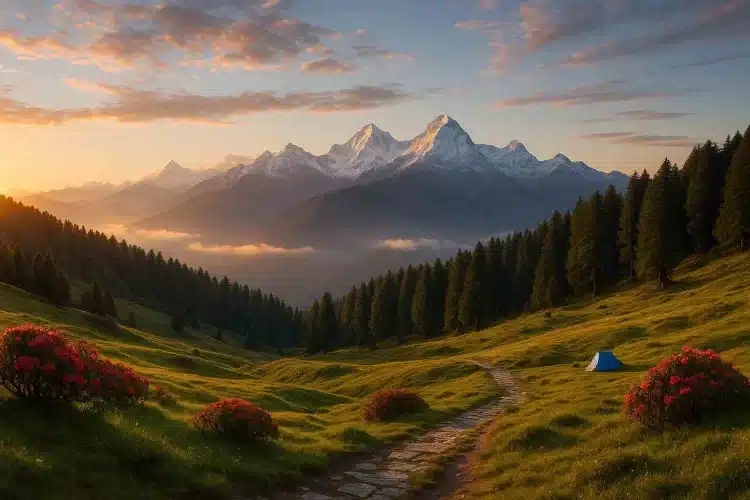
Chopta is a tiny, dreamlike hill station and meadow belt tucked inside the Garhwal Himalayas of Uttarakhand. Perched at a high altitude with sweeping alpine pastures, dense forests, and crystal-clear views of iconic Himalayan peaks, it’s a destination that feels tailor-made for slow travel and soulful hiking. Often called the Mini Switzerland of India, Chopta blends snow-kissed winters, emerald summers, and golden autumns into a year-round canvas of color.
Geographically, Chopta falls within Rudraprayag district in Uttarakhand, forming a part of the Kedarnath wildlife landscape. It’s also the gateway to two of the most celebrated hikes in North India—the Tungnath Temple trek (to the highest Shiva temple in the world) and the Chandrashila summit trek, a panoramic ridge that gifts one of the finest sunrise views in the Himalayas.
Why Chopta Is Called the Mini Switzerland of India
1. Snow-covered meadows:
In winter, Chopta transforms into a white wonderland. The undulating bugyals (alpine meadows) get blanketed in snow, and tall deodars and rhododendrons wear frosty crowns—turning every bend of the trail into a postcard.
2. Stunning Himalayan peaks:
On bright days, you’ll spot a gallery of giants—Chaukhamba, Trishul, and Nanda Devi among others—standing guard on the horizon. These dramatic, near-constant views lend the region a classic alpine character reminiscent of the European high country.
3. Lush green valleys:
Come spring and summer, the slopes glow green, carpeted with grasses and wildflowers. Gentle bird calls, bubbling streams, and dappled sunlight make the forests as alluring as the ridgelines.
4. Year-round scenic beauty:
Few Himalayan destinations are as photogenic across seasons. Winters invite snow treks; spring brings rhododendron blooms; summers are pleasantly cool and perfect for family escapes; autumn skies are crystal clear for photographers and stargazers.
5. Alpine resemblance:
The coniferous forests, rolling pastures, scattered hamlets, and dramatic snowy backdrops mirror the European alpine aesthetic—hence the enduring nickname, “Mini Switzerland of India.”
Best Time to Visit Chopta
1. Summer (April–June):
Pleasant days and cool nights make this the most comfortable period for families and first-time trekkers. Meadows are lush, skies are often clear, and the Tungnath–Chandrashila trail is typically open and snow-free by late spring.
2. Monsoon (July–September):
The valley turns intensely green, and waterfalls revive, but caution is essential. Rains can trigger landslides, slippery trails, and road closures. If you visit, buffer your itinerary and keep an eye on the weather.
3. Autumn (October–November):
Crystal-clear visibility, golden forests, and calm winds make this a photographer’s dream. It’s among the best windows for sunrise/sunset vistas from Chandrashila.
4. Winter (December–March):
Chopta dons its iconic snowy look. The meadows, Tungnath trail, and surrounding forests are dusted in white. Winter treks are magical but require warm layers, microspikes (when trails are icy), and a bit of hiking experience or a guide.
5. For photography:
Late October–November (for clarity), April–May (for bloom and meadows), and December–February (for snow) are standout months.
How to Reach Chopta
1. By Road:
Chopta is well-connected by mountain roads to Rishikesh, Haridwar, Srinagar (Garhwal), and further to Ukhimath and Rudraprayag. Most travelers break the journey at Rishikesh/Haridwar and continue by shared taxi, private cab, or self-drive. In winter, road conditions can vary—carry chains if you’re driving during heavy snow spells.
2. By Train:
The nearest major railway heads are Rishikesh and Haridwar. From either station, you can hire a taxi or take a bus toward Rudraprayag–Ukhimath and then on to Chopta.
3. By Air:
Fly into Jolly Grant Airport (Dehradun). Taxis and pre-booked transfers are available to Rishikesh and onward to Chopta.
Top Places to Visit in and around Chopta
1. Tungnath Temple:
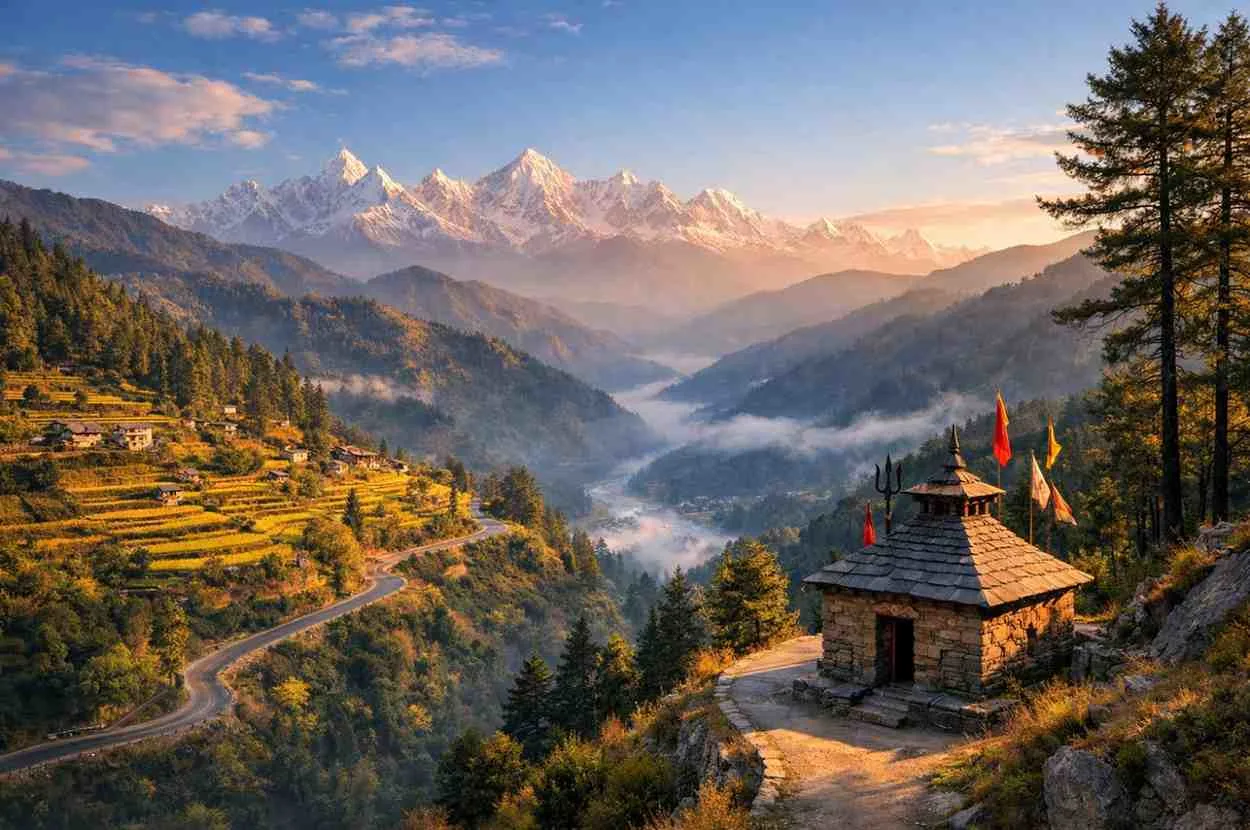
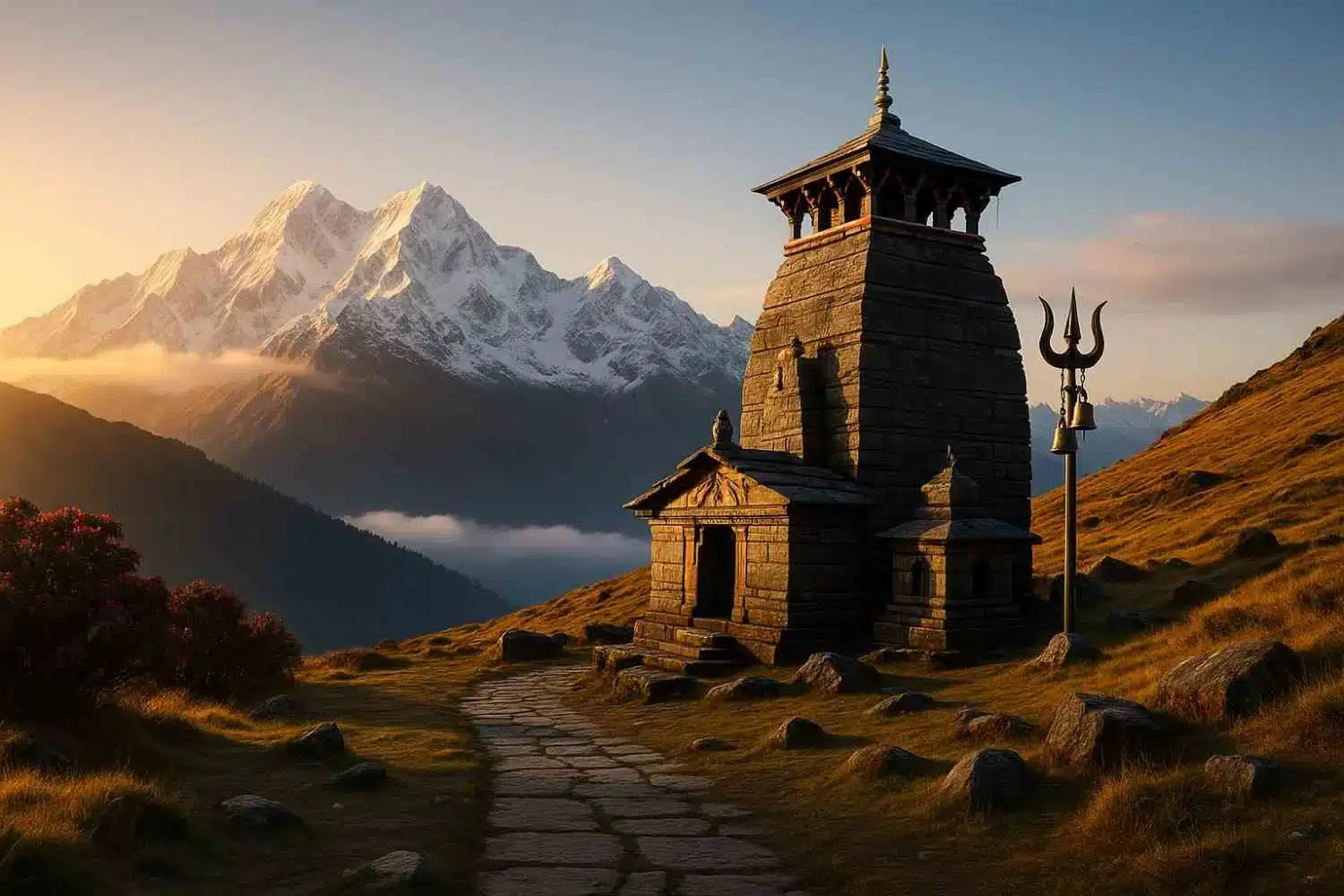
Revered as the highest Shiva temple in the world, Tungnath sits above treeline, where meadows melt into rocky slopes. The stone temple, prayer flags, and sweeping views create a rare blend of natural and spiritual energy.
2. Chandrashila Peak:
A short but steep push above Tungnath, Chandrashila is famous for sunrise. On a clear morning, the first light pours over Chaukhamba and neighboring peaks, painting them pink and gold. It’s a moment that lingers long after you descend.
3. Deoriatal Lake:
A tranquil, mirrorlike lake often reflecting snow peaks on windless mornings. The forested approach and lakeside camping options make it a favorite of birders, night-sky lovers, and photographers.
4. Ukhimath:
An important religious town (and winter seat for Kedarnath deity), Ukhimath offers shrines, local markets, and views. It’s also a practical base when Chopta’s higher reaches are snowed in.
5. Meadows & Viewpoints:
Places like Duggalbitta and Baniya Kund open onto panoramas and easy walks. In spring, rhododendron forests bloom crimson; in winter, these meadows turn into snow-play grounds.
Best Things to Do in Chopta
1. Trekking (Tungnath–Chandrashila):
The signature experience. Start at Chopta or Baniya Kund. Gentle gradients lead to Tungnath; from there, a steeper climb reaches Chandrashila.
2. Snow trekking (Dec–Feb):
For those wanting a taste of winter mountaineering (without technical gear), snow hikes here are a perfect introduction. Microspikes and gaiters help on icy patches; hire a local guide in mid-winter.
3. Bird watching:
Chopta’s mixed forests are alive with Himalayan avifauna—keep an eye out for monals, barbets, minivets, and laughingthrushes. Dawn and dusk are especially rewarding.
4. Camping:
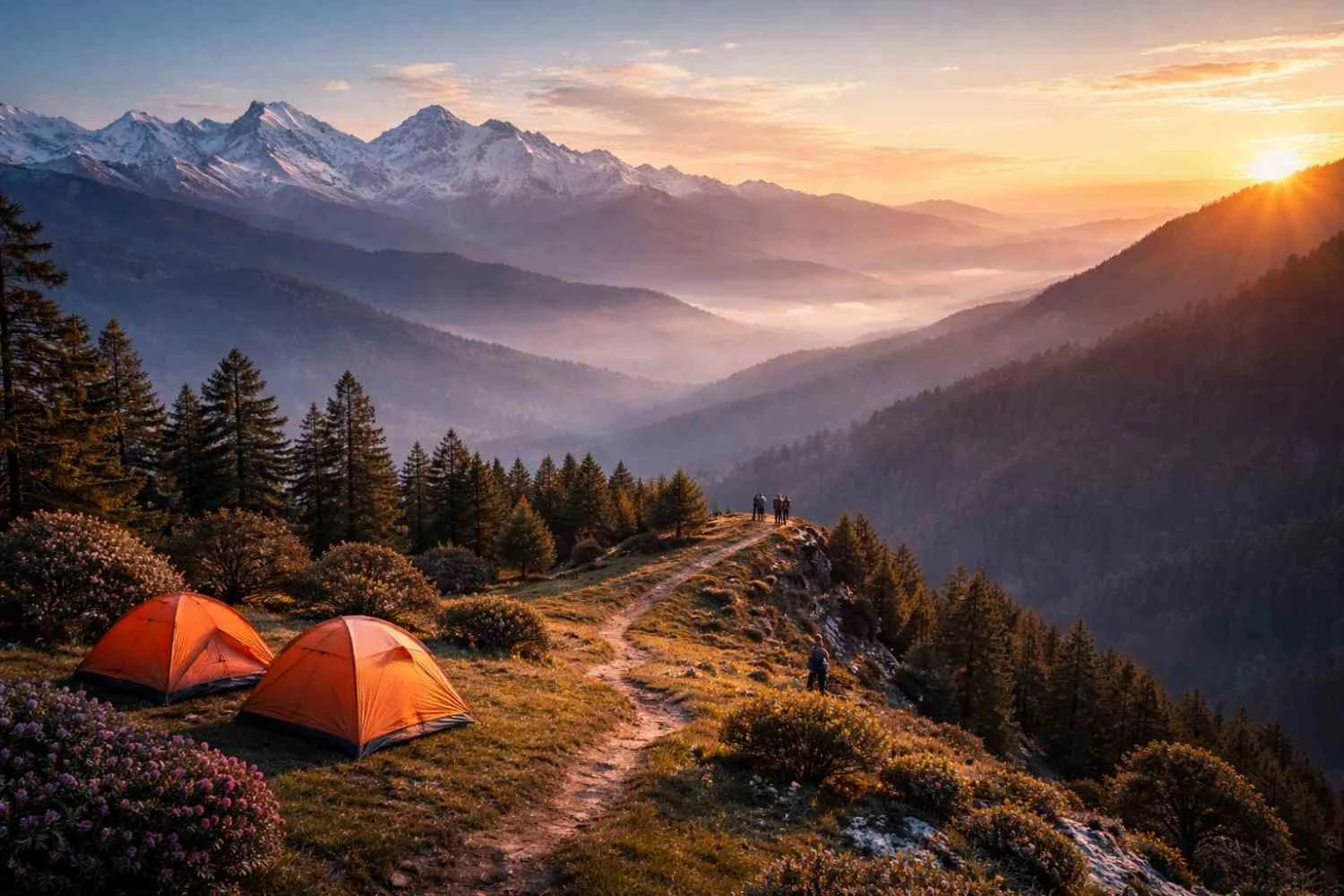
Choose designated campsites near Chopta, Duggalbitta, or Deoriatal. Clear nights showcase the Milky Way. Always follow Leave No Trace principles.
5. Stargazing:
Minimal light pollution makes winter nights particularly sharp. Pack a tripod; even smartphones can capture star trails with long exposure.
6. Photography & nature walks:
Forest paths, grazing fields, and small shrines offer endless frames—from macro moss textures to grand mountain panoramas.
Chopta Trekking Guide
1. Popular Treks
Tungnath Trek:
A well-marked stone-paved path climbs through meadows to the temple. It’s beginner-friendly, with tea stalls (in season) along the way, and benches for breathers.
Chandrashila Summit Trek:
From Tungnath, a steeper ridge leads to the summit. The gain is short but sharp and can feel demanding at altitude. Your reward is a 360-degree amphitheater of peaks.
Deoriatal Trek:
An approachable forest walk from Sari village to Deoriatal. It’s ideal for families, photographers, and first-time campers. Dawn reflections of the snowline are the highlight.
Trek Difficulty
Collectively, easy to moderate. Slopes are steady, distances manageable, and trails popular enough that help is usually nearby in season. In winter, difficulty can bump up a notch due to snow and ice—plan accordingly.
2. Distance & Duration (at a glance)
- Chopta to Tungnath: ~3.5–4 km one way; 2–3 hours at an easy pace (more with snow).
- Tungnath to Chandrashila: ~1–1.5 km one way; 45–90 minutes (steep, can be windy).
- Sari to Deoriatal: ~2.5–3 km one way; ~1.5–2 hours (forest trail).
3. Beginner-friendly Tips
- Start early to catch stable morning weather and fewer crowds.
- Carry 1–2 liters of water; refill at safe sources or buy at stalls (when open).
- Layer up—even in late spring, winds at Chandrashila can be surprisingly cold.
- In winter, hire a guide and carry microspikes/trekking poles.
- Acclimatize with a slow, steady pace; enjoy the journey, not just the summit.
Weather & Temperature Overview
- Summer (Apr–Jun): Pleasant days, cool evenings; light jackets suffice.
- Monsoon (Jul–Sep): Frequent showers; humidity and leeches in forests; trails can be slippery.
- Autumn (Oct–Nov): Crisp, clear, and cool; ideal for photography and sunrise hikes.
- Winter (Dec–Mar): Cold days, very cold nights; regular snowfall likely from late December onward. Pack heavy winter wear, thermals, gloves, and beanie.
- Snowfall season: Typically late Dec to Feb/early Mar, but exact timing varies year to year with Western Disturbances.
Where to Stay in Chopta
1. Camps:
Seasonal campsites set up near meadows and at trailheads. Choose operators who follow eco-friendly practices, segregate waste, and provide proper sanitation.
2. Guesthouses & Homestays:
Simple, clean stays in Chopta, Duggalbitta, Baniya Kund, and Ukhimath. Rooms are basic with warm hospitality—think hot chai at sunrise and home-style meals.
3. Eco Huts/Cottages:
A notch up in comfort with wooden cabins or stone huts, cozy quilts, and sometimes in-house kitchens. Book ahead during long weekends and school holidays.
4. Nearby bases:
If Chopta is packed (or snowbound), consider Duggalbitta, Baniya Kund, or Ukhimath—all within easy driving distance of the trailhead.
Foods Available in Chopta
1. Local Garhwali cuisine:
Savor rustic flavors like mandua (ragi) rotis, pahadi dal, aloo ke gutke, and jhangora (barnyard millet) kheer when available. Mountain food is simple, nourishing, and perfect after a long hike.
2. Common trail foods:
You’ll often find Maggi, parathas, rajma-chawal, bread-omelette, and plenty of chai at seasonal stalls and dhabas.
3. Note on variety:
Food options are limited compared to bigger hill stations, especially in deep winter. If you have dietary restrictions, carry energy bars, dry fruits, and your preferred snacks.
Also Read: Tungnath Temple: Highest Shiva Temple in the World
Travel Tips for Chopta (Beginner-Friendly)
- Carry warm layers year-round: Weather flips quickly at altitude.
- Network connectivity is limited: Expect patchy or no data at times; inform family in advance.
- Book stays early in peak seasons: Long weekends, April–June, and Oct–Nov get busy.
- Wear proper trekking shoes: Trails can be rocky, muddy, or icy.
- Carry cash: ATMs are scarce; many small stays/dhabas are cash-only.
- Respect nature & local culture: Don’t litter, avoid loud music, and dress modestly around temples.
- Health & safety: Pack a basic first-aid kit and any personal medications.
- Responsible travel: Use refillable bottles, avoid single-use plastics, and stay on marked trails.
Is Chopta Safe for Solo or Family Trips?
1. Solo travellers:
Chopta is considered welcoming and relatively safe, especially in the main trekking seasons. Opt for well-trodden trails, start early, and let your stay know your plan. In winter, consider joining a group or hiring a guide.
2. Families & beginners:
Absolutely. The Tungnath path is manageable for active kids and older adults with frequent breaks. Choose good weather windows, go slow, and keep an eye on hydration.
3. Weather precautions:
Winters can be unforgiving with sudden snow or wind. Carry layers, check forecasts, and avoid late afternoon summit attempts when temperatures drop quickly.
4. Road safety in winter:
Mountain roads can ice over. Hire experienced local drivers, or postpone travel if heavy snowfall is forecast.
A Simple 3–4 Day Chopta Itinerary (Optional Add-On)
Day 1: Arrive Rishikesh/Haridwar → Drive to Ukhimath/Chopta. Sunset stroll in meadows.
Day 2: Early start for Tungnath–Chandrashila; return by afternoon. Rest and stargazing at night.
Day 3: Drive to Sari village → trek to Deoriatal; camp by the lake (if permitted) or return to base.
Day 4: Buffer for weather/relaxation; drive back to Rishikesh/Haridwar.
Responsible Travel & Sustainability
- Carry in, carry out: Pack your trash; leave trails cleaner than you found them.
- Support local: Pick homestays, hire local guides, and buy from village shops.
- Water ethics: Use refillable bottles and purifiers where possible.
- Wildlife respect: Keep distance, no feeding birds/animals, and avoid loud noise.
- Cultural sensitivity: Be mindful at shrines and temples; dress modestly and ask before photographing locals.
Final Word
Whether you’re chasing your first Himalayan sunrise or your fiftieth, Chopta Uttarakhand has a way of slowing you down and opening you up—meadow by meadow, ridge by ridge. From the spiritual calm of Tungnath to the wind-carved crest of Chandrashila, from mirrorlike Deoriatal mornings to crackling campfire nights, the so-called Mini Switzerland of India is, at heart, its own singular magic. Pack your layers, lace up your boots, and come ready to wander. The mountains will do the rest.
FAQs: Chopta Uttarakhand Travel Guide
Because of its rolling alpine meadows, dense conifer forests, and stunning snow-capped panoramas that resemble classic European alpine landscapes—plus gorgeous year-round scenery.
Chopta lies in Rudraprayag district in the Garhwal region of Uttarakhand.
April–June and October–November for comfortable weather and clear views. December–February for snow treks and winter scenery (with proper gear).
Yes. Snowfall is common from late December through February/early March, depending on the season’s weather systems.
Delhi → Rishikesh/Haridwar (overnight train/bus or flight to Dehradun) → drive to Rudraprayag/Ukhimath → Chopta by taxi or self-drive.
Yes. It’s generally easy to moderate. The final push to Chandrashila is steep; take it slow and start early.
Roughly 3.5–4 km one way, taking 2–3 hours at an unhurried pace.
Moderate because of the short, steep ascent from Tungnath and exposure to wind/cold at the top.
Yes—camps, guesthouses, homestays, and eco huts in and around Chopta, Duggalbitta, Baniya Kund, and Ukhimath.
Tungnath Temple, Chandrashila Peak, Deoriatal Lake, Ukhimath, and the meadows/viewpoints around Duggalbitta and Baniya Kund.
Generally, yes. Stick to popular routes, inform your stay about your plans, and avoid late starts—especially in winter.
3–4 days lets you do Deoriatal, Tungnath, and Chandrashila with buffer time for weather.
Cool to pleasant in summer, crisp in autumn, and very cold in winter with sub-zero nights and frequent snowfall.
Yes, at designated campsites and around permitted areas like Deoriatal (subject to local guidelines). Always camp responsibly.
Simple mountain fare: parathas, Maggi, rajma-chawal, bread-omelette, chai, and when available, local Garhwali dishes.
Connectivity is limited/patchy. Don’t rely on consistent mobile data.
Yes. Choose summer/autumn, plan shorter hiking days, and carry warm clothes and snacks.
Layers (thermals, fleece, down jacket), gloves, beanie, trekking shoes, rain cover (monsoon), first-aid, sunscreen, sunglasses, headlamp, and cash.
Drive times vary with road conditions, but typically 6–9 hours from Rishikesh/Haridwar via Rudraprayag–Ukhimath. Start early.
Yes, but access depends on snowfall. Roads may close temporarily during heavy snow; carry chains or hire local drivers, and build a buffer day.