Gangotri Temple in Uttarkashi, Uttarakhand: The Gateway to the Ganges
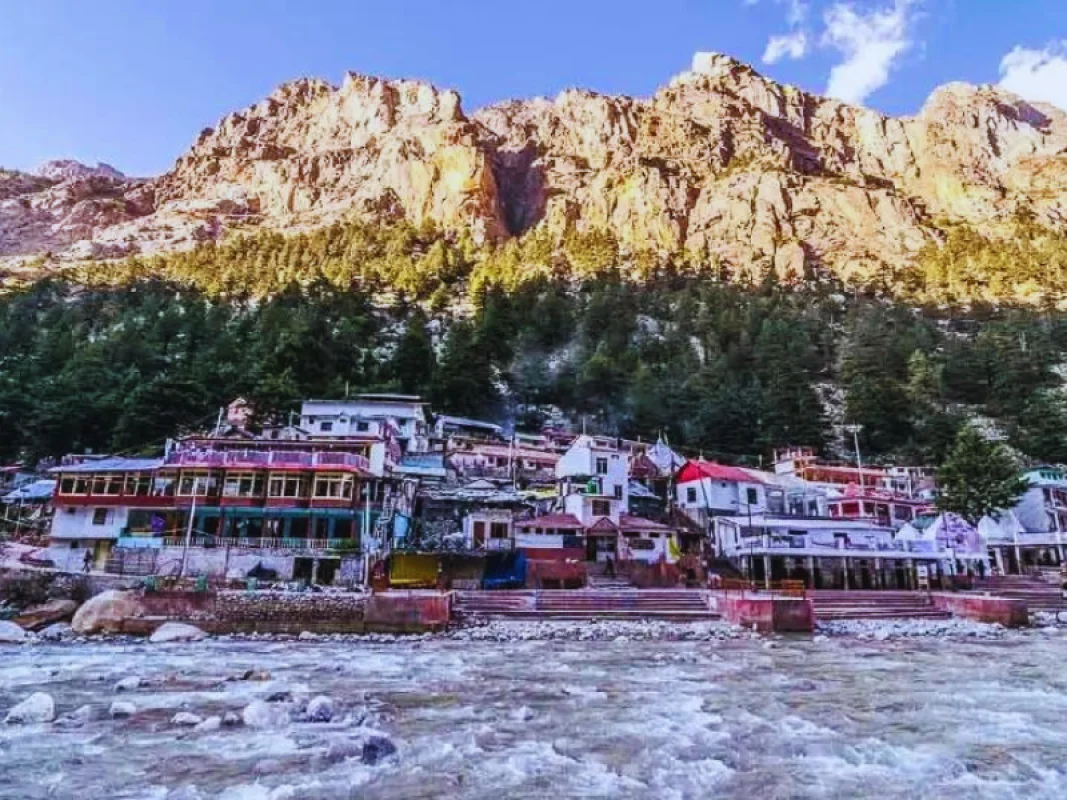
Gangotri Temple in Uttarkashi, Uttarakhand, is one of the four Char Dham pilgrimage sites and marks the origin of the sacred River Ganga. Dedicated to Goddess Ganga, the temple sits at an altitude of about 3,100 meters a...

Gangotri Temple in Uttarkashi, Uttarakhand, is one of the four Char Dham pilgrimage sites and marks the origin of the sacred River Ganga. Dedicated to Goddess Ganga, the temple sits at an altitude of about 3,100 meters and attracts pilgrims and travelers seeking spiritual significance and Himalayan beauty.
What Is the Gangotri Temple?
● Ancient Hindu pilgrimage site
● Part of the Char Dham Yatra
● Dedicated to Goddess Ganga
● Considered the spiritual source of the River Ganga
Perched in the Garhwal Himalaya on the banks of the frothy Bhagirathi, Gangotri Temple is where devotion and dramatic mountain scenery meet. The sanctum houses the idol of Ganga Maa (Goddess Ganga), and the entire town orbits around her story—how she descended from the heavens to purify Earth. For countless devotees, this is not just a temple; it’s a portal to ancestral memory, sacred riverscapes, and the rhythm of Himalayan life.
Why Gangotri Temple Is Called the “Gateway to the Ganges”
● River Ganga is worshipped here in temple form
● Actual source (Gaumukh Glacier) lies nearby
● Sacred point where Ganga descended to Earth (as per Hindu mythology)
Gangotri is affectionately called the Gateway to the Ganges because the river—worshipped as Bhagirathi in these upper reaches—gathers her identity here before eventually merging as Ganga downstream at Devprayag. While the Gaumukh Glacier (the physical source) is a trek away, Gangotri is the spiritual threshold where pilgrims pay homage to the river’s divine origin. According to Hindu lore, the prayers of King Bhagirath moved the heavens, and Lord Shiva tamed Ganga’s mighty descent in his matted locks before releasing her to Earth. This mythic descent is remembered daily in Gangotri’s aartis, where the river’s shimmering flow becomes living scripture.
Location & Altitude
● District: Uttarkashi, Uttarakhand
● Altitude: ~3,100 meters above sea level
● Setting: On the banks of the Bhagirathi River
The town of Gangotri sits in a narrow valley of pine and deodar, encircled by snowy ridgelines and high meadows. The high altitude brings crisp mornings even in summer, while evenings settle into a hush broken only by temple bells and the gurgle of glacial waters.
Mythological & Historical Significance
● King Bhagirath’s penance for bringing the Ganga to Earth
● Lord Shiva controlled Ganga’s descent with his locks
● Temple traditionally attributed to Amar Singh Thapa (18th century)
The Ganga’s earthly journey begins with a vow: King Bhagirath’s centuries-long penance to liberate his ancestors. To soften Ganga’s fierce plunge, Lord Shiva received the celestial torrent in his hair, allowing a life-giving river to flow gently across the plains of India. Historically, local tradition credits the construction or restoration of the present temple structure to Amar Singh Thapa, a Gorkha commander in the late 18th to early 19th century, though the site’s sanctity long predates the current shrine. Over time, Gangotri became a beacon of pilgrimage, drawing sages, trekkers, and travelers who come to experience the story in stone, water, and prayer.
Best Time to Visit Gangotri Temple
● Best months: May–June and September–October
● The temple closes in winter due to heavy snowfall
● It reopens on Akshaya Tritiya each year (spring)
The Char Dham season typically begins in late spring when the passes open and the valley wakes from its snowy slumber. May and June bring cool days and lively temple rituals. The peak monsoon (July–August) can see landslides and road closures, so pilgrims often plan around heavy rains. September–October are glorious: clear skies, cold nights, and sharp mountain views. As winter takes hold, the idol of Ganga Maa is ceremonially moved to lower altitudes, and Gangotri settles into silence until spring returns.
How to Reach Gangotri Temple
● By Road: Well connected from Rishikesh, Haridwar, Dehradun, and Uttarkashi
● Nearest Railway Station: Rishikesh (with Haridwar a major railhead)
● Nearest Airport: Jolly Grant Airport (Dehradun)
Most pilgrims approach via Rishikesh/Haridwar → Uttarkashi → Harsil → Gangotri. Public buses and shared jeeps operate during the yatra season, while taxis can be hired privately. The final road stretch winds along the Bhagirathi, passing waterfalls, conifer groves, and the charming apple country of Harsil. Do factor in road conditions and altitude—journey times can be longer than they appear on the map.
Typical road times (subject to weather/traffic):
● Rishikesh to Uttarkashi: ~5–7 hours
● Uttarkashi to Gangotri: ~4–5 hours
Things to Do Near Gangotri
● Visit Gaumukh Glacier (trek with permit)
● Trek to Tapovan (for experienced trekkers; guide recommended)
● Attend the morning & evening aarti at the temple ghats
● Explore Bhairav Ghati, Surya Kund, and Pandava Gufa
● Enjoy the forests, meadows, and apple orchards around Harsil Valley
Gaumukh & Tapovan are iconic high-altitude journeys. The trail from Gangotri follows the Bhagirathi upstream through pine woods and moraine fields to Gaumukh (the “cow’s mouth” snout of the glacier). From there, a tougher climb leads to Tapovan, a wind-brushed meadow beneath Shivling Peak, where sadhus meditate, and trekkers feel small beneath walls of rock and ice. Closer to town, the Surya Kund waterfalls and Bhairav Ghati gorge make for evocative day excursions.
Temple Experience: Darshan, Aarti & Rituals
Darshan at Gangotri is simple and heartfelt. Devotees line up in the crisp morning air; the clang of the bell signals the opening, and the sight of Ganga Maa framed by white granite feels both intimate and immense. The Ganga Aarti—at sunrise and sunset—turns the ghats into a lantern-lit tapestry. Offerings of flowers, diya lamps, and prayers drift upon the current as priests chant, and for a few minutes, time seems to keep rhythm with the river.
Dress code & conduct: Modest clothing is respectful. Photography inside the sanctum is often restricted—observe signage and priest instructions. If you plan a pind daan or special puja, speak to temple priests in advance.
Where to Stay & Eat
● Accommodation: Basic guesthouses, dharamshalas, and seasonal hotels in Gangotri; more options in Harsil and Uttarkashi
● Food: Simple vegetarian fare dominates—think hot rotis, dal, sabzi, tea, and snacks
Given the temple’s altitude and remoteness, amenities are functional rather than luxurious. Booking ahead during May–June and September–October is wise. In shoulder seasons, some lodges close as staff move downslope. For a quieter base with slightly broader options, consider Harsil, ~25 km before Gangotri.
Responsible Travel & Safety Tips
● Acclimatize properly: Spend a night in Uttarkashi or Harsil before ascending to Gangotri.
● Hydration & pace: Walk slowly, sip water often, and avoid heavy exertion on day one.
● Warm clothing year-round: Even summers see chilly mornings/evenings; pack layers, a down or fleece jacket, gloves, a cap, and thermals.
● Footwear: Sturdy walking shoes with good grip; trekking poles help on uneven paths.
● Medical kit: Include altitude/AMS guidance from your doctor, basic meds, bandages, and ORS.
● Permits & regulations: Trekking to Gaumukh/Tapovan requires permits; respect forest rules, stick to trails, and hire local, certified guides for advanced routes.
● Weather awareness: Post-monsoon landslides or early snow can change plans; keep buffer days.
● Sustainability: Carry back all trash, avoid plastic where possible, and respect sacred spaces and local customs.
Suggested Itineraries
1. Short Pilgrimage (3 Days):
Day 1: Rishikesh → Uttarkashi (acclimatize)
Day 2: Uttarkashi → Gangotri, evening aarti
Day 3: Morning darshan, Surya Kund visit → Return to Uttarkashi/Rishikesh
2. Pilgrimage + Easy Exploration (4–5 Days):
Day 1: Rishikesh → Uttarkashi
Day 2: Uttarkashi → Harsil (walks/orchards)
Day 3: Harsil → Gangotri, aarti
Day 4: Surya Kund, Bhairav Ghati, leisure in Harsil
Day 5: Return
3. Trekker’s Circuit (6–7 Days; experienced hikers):
Day 1: Rishikesh → Uttarkashi
Day 2: Uttarkashi → Gangotri (permits, gear check)
Day 3–4: Trek to Gaumukh (overnight where allowed/arranged)
Day 5–6: Tapovan extension (guide recommended)
Day 7: Return
Packing Checklist (Year-Round Essentials)
● Layered clothing (base, mid, warm jacket), thermals
● Rain/wind protection, especially in monsoon shoulder
● Warm cap, sun hat, gloves, wool socks
● Comfortable trekking shoes, sandals for evenings
● Personal meds, basic first-aid, sunscreen, lip balm
● Reusable water bottle, snacks (dry fruits/energy bars)
● Headlamp/torch, power bank
● Copies of ID, permit printouts (if trekking)
● Small daypack, trekking poles (optional but helpful)
Cultural Notes & Etiquette
● Seek permission before photographing individuals, priests, or ceremonies.
● Donations are voluntary; avoid aggressive touts and use official counters/boxes.
● Silence & cleanliness on temple premises reflect reverence; keep phones on silent during aarti.
● Animal respect: Monkeys can be cheeky—don’t feed them, and secure food items.
Weather & Altitude: What to Expect
At ~3,100 m, oxygen is thinner. You may feel breathless with mild exertion on day one. This is common and improves as your body adjusts. In May–June, days are cool to mild in the sun, but the wind chill is really cold near the river. September–October brings crystal skies but colder nights; frost is possible. In shoulder periods, snowfall can arrive early—local updates matter.
AMS awareness: If you experience persistent headache, nausea, dizziness, or unusual fatigue, descend and seek medical advice. Avoid alcohol and sleep high only after acclimatizing.
Photography Spots
● Gangotri Temple Ghats at sunrise or during evening aarti (for wider scenes; respect rules).
● Surya Kund for silky waterfalls and rainbow mist on sunny days.
● Harsil bridges and orchards for pastoral frames.
● En route viewpoints along the Bhagirathi for river-in-valley shots with snow lines.
Why Gangotri Belongs on Your Uttarakhand List
Few places in the Himalaya combine mythic resonance with raw mountain theatre like Gangotri. The town’s rhythm—prayer bells, steaming chai, pilgrims in woollens—feels timeless. Yet step past the last dhaba and the wilderness takes over: pine resin in the air, moraine crunch underfoot, and the glacier’s blue heart not far away. Whether you come to bow your head at the sanctum or to chase the river’s crystalline source, you carry home a sense that the Ganga is more than water—she’s memory, movement, and blessing.
Travel Tips for Visitors
● Carry warm clothing in all seasons; nights are cold.
● Acclimatize properly; don’t rush your first day at altitude.
● During Char Dham season, book accommodation in advance.
● Keep cash; ATMs are limited and can be out of service.
● Respect temple timings and local advisories.
● If trekking to Gaumukh/Tapovan, arrange permits and consider a registered guide.
● Travel insurance that covers high-altitude trekking is a smart choice.
Also Read: Exploring Har Ki Pauri: The Heartbeat of Haridwar
Conclusion
Gangotri Temple is not just a stop on a pilgrimage circuit—it’s a spiritual gateway to the holy River Ganga, framed by some of the most arresting Himalayan landscapes in Uttarakhand. For devotees, it offers proximity to living myth; for trekkers and nature lovers, it opens the door to glaciers, alpine meadows, and star-laden nights. Plan thoughtfully, travel responsibly, and let the river’s story guide your journey.
Frequently Asked Questions
More from
Himalayas Digital
Top Places to Visit in Kashmir: 10 Best Tourist Destinations for 2026
Morjim Beach Goa: Things to Do, Best Time, How to Reach & Travel Guide 2026

Palolem Beach Goa: Things to Do, Best Time, How to Reach & Travel Guide 2026

Colva Beach Goa: Things to Do, Best Time, How to Reach & Travel Guide 2026