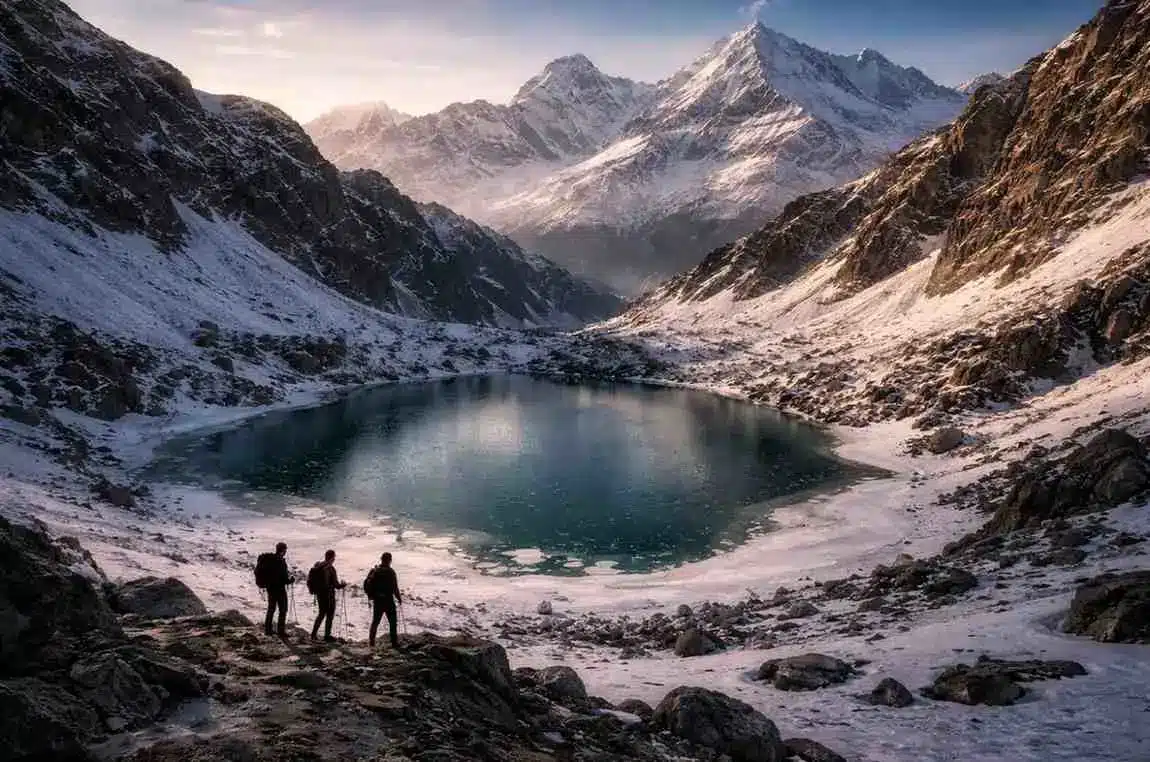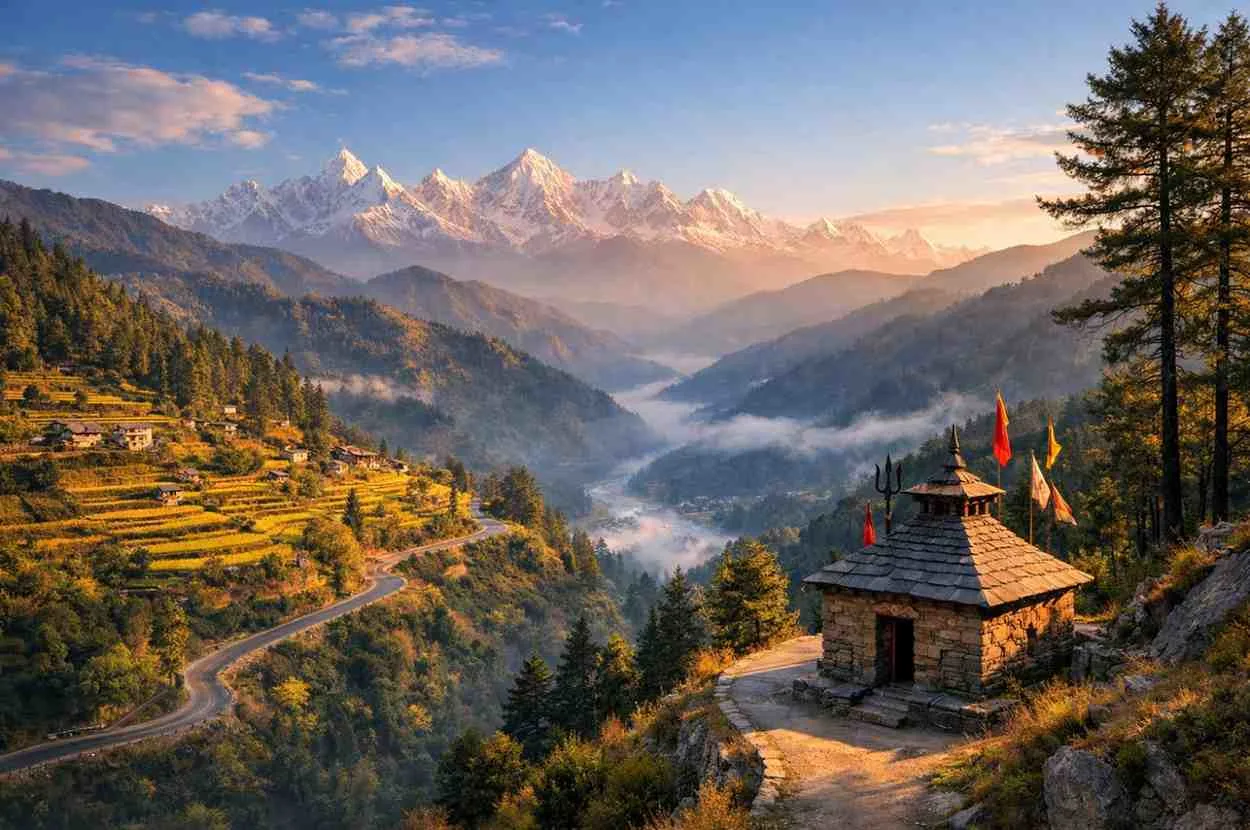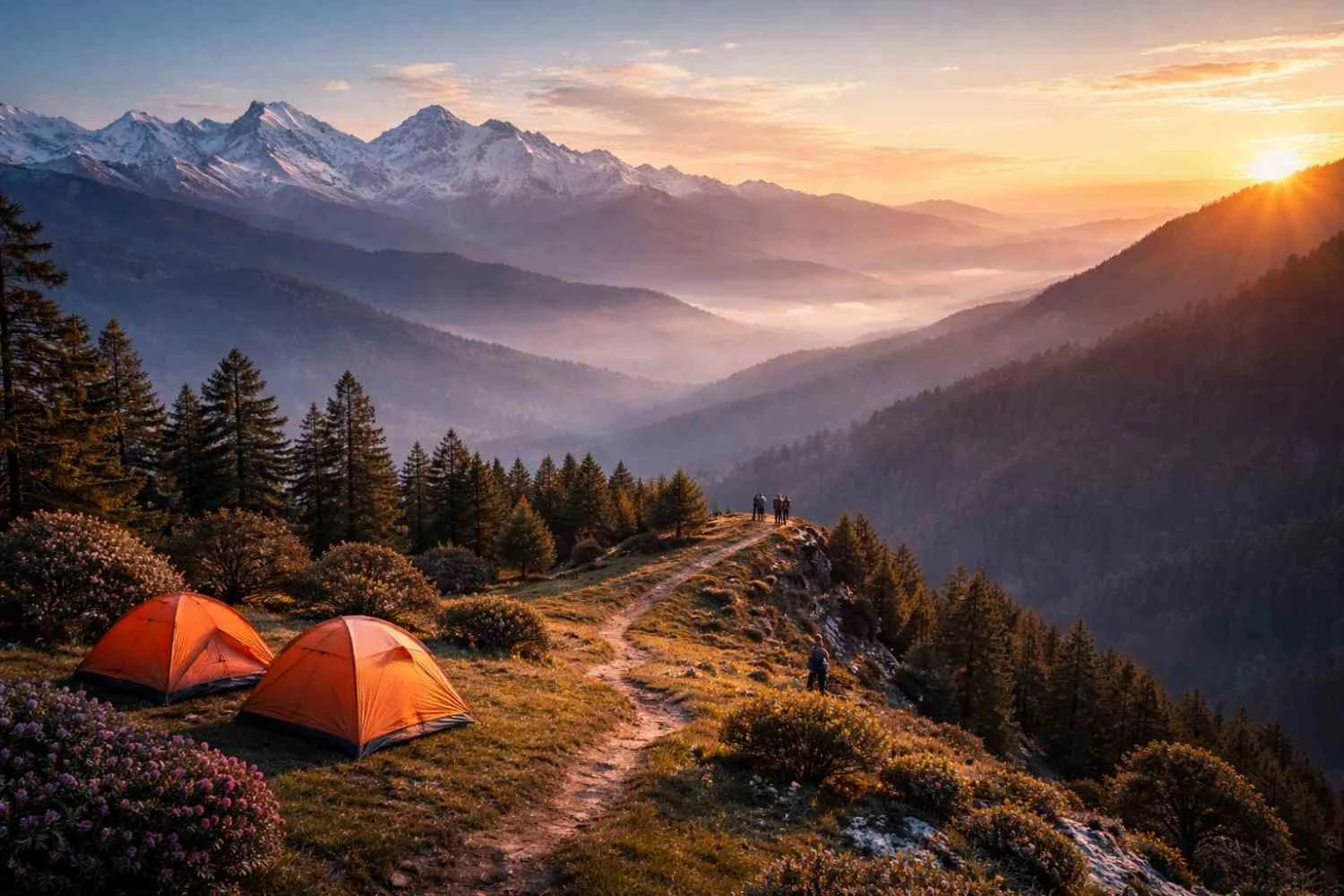
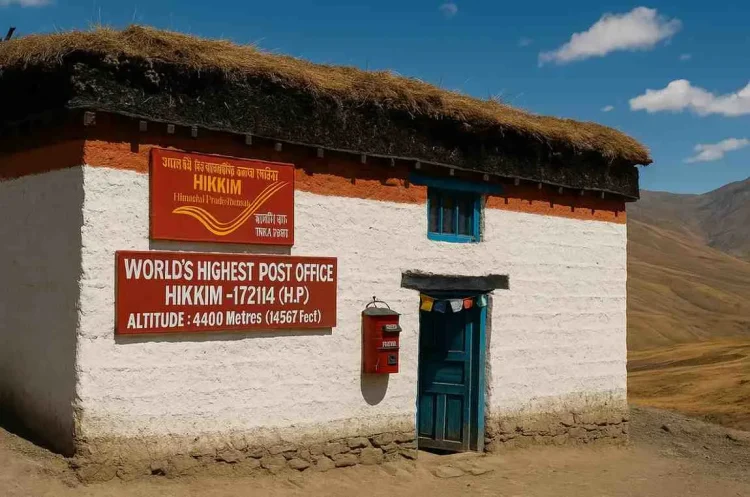
Hikkim is a remote high-altitude village in Himachal Pradesh’s Spiti Valley, known for having the world’s highest post office. Located near Komic and Langza villages, Hikkim attracts travelers seeking unique experiences, Himalayan landscapes, and extreme-altitude tourism.
Where Is Hikkim Located?
● Located in Spiti Valley, Lahaul & Spiti district, Himachal Pradesh: Hikkim sits on a stark, wind-swept ridge of the Trans-Himalaya in the eastern part of Himachal Pradesh. Spiti Valley is known as a “cold desert”—think big skies, lunar slopes, and jagged peaks rather than pine forests.
● Altitude: approx. 4,400 meters (14,400 ft): This elevation defines everything here—from the sparse vegetation and crisp, thin air to the need for careful acclimatization.
● Near Kaza (district headquarters): Kaza, the administrative and logistical hub of Spiti, is roughly 16–18 km away by road. It’s where you’ll find ATMs (when functional), mechanics, pharmacies, and most tour operators.
● Surrounded by villages like Komic and Langza, Hikkim forms a classic Spiti triangle with Komic (often dubbed one of the highest motorable villages) and Langza (famed for its giant Buddha statue and marine fossils). Many travelers plan a loop—Kaza → Langza → Hikkim → Komic → Kaza.
Why Is Hikkim Famous?
Key Reasons:
● Home to the world’s highest post office: Painted in the familiar India Post red, this humble building has become an icon, symbolizing human tenacity against altitude and isolation.
● Unique postcard-sending experience: Travelers queue up to mail themselves or loved ones a postcard stamped “Hikkim,” a keepsake that feels more personal than a selfie.
● Stunning cold desert landscape: Expect sweeping panoramas, deep blue skies on clear days, and ridgelines that glow gold at sunrise and blush pink at sunset.
● Cultural significance of Spiti Valley: Hikkim’s culture reflects Tibetan Buddhist influences that run throughout Spiti—mani walls, prayer flags, gompas nearby, and a pace of life dictated by seasons and mountain weather.
Also Read: 15 Famous Historical Places in Himachal Pradesh
World’s Highest Post Office in Hikkim
● Operated by India Post: Hikkim’s post office connects residents with the outside world—an essential service for a place where mobile networks may sputter, and winters isolate villages for months.
● Open seasonally (weather dependent): Due to heavy snowfall and road closures, the post office generally functions in the milder months when roads are passable. Exact days can vary; be prepared for surprise closures.
● Tourists can send postcards globally: Bring addresses with you or buy postcards locally (some homestays and small shops stock them). Factor in weeks for delivery; the journey from Hikkim to the world is long and scenic.
● Major attraction and identity of Hikkim: While the village’s daily life is agriculture- and livestock-centered, the post office has become a symbol—and a small income source through postcards and stamps—for the community.
How the postcard process works (simple guide):
1. Buy a postcard (carry cash—small notes).
2. Write your message and address clearly.
3. Affix stamps (the staff will guide you on rates).
4. Drop it at the counter or the iconic letterbox.
5. Snap a photo outside—but be respectful of queues and local routine.
Pro tip: Carry a pen and address list. The wind can be fierce; write indoors if possible.
Best Time to Visit Hikkim, Himachal Pradesh
1. Summer (May to September)
● Best time to visit: This period offers the most reliable access, with roads typically open and basic services available.
● Roads accessible: The route via Kaza is motorable in these months, though landslides or weather might still cause short disruptions.
● Pleasant daytime weather: Expect cool to mild days with chilly evenings. Sun is intense at altitude—use sunscreen, sunglasses, and a cap.
2. Winter (October to April)
● Extremely cold: Temperatures can plummet dramatically, making travel and daily life very challenging.
● Heavy snowfall: The village can be snowbound; even locals adjust to a winter rhythm with limited movement between settlements.
● Roads mostly closed: In deep winter, plan for closures. If your dream is a postcard from Hikkim, winter is generally not the time.
Shoulder seasons (late September–October & late April): Beautiful light and fewer visitors, but unpredictable weather. Carry heavier layers; nights are frigid.
How to Reach Hikkim
1. By Road
● Manali → Kaza → Hikkim (via Kunzum Pass – seasonal):
Manali (via Atal Tunnel in recent years) connects to Gramphu–Batal–Kunzum La–Kaza. The stretch from Gramphu to Kaza can be rough, water crossings bloom post-noon, and Kunzum Pass is seasonal. From Kaza, take the road toward Langza–Hikkim–Komic.
● Shimla → Kaza → Hikkim (open longer):
The Hindustan–Tibet Road via Narkanda–Rampur–Reckong Peo–Nako–Tabo–Kaza often opens earlier and stays accessible longer than the Manali side, though monsoon-induced landslides may occur. From Kaza, the spur to Hikkim is short but steep and scenic.
2. By Air
● Nearest airport: Bhuntar (Kullu): From here, it’s still a long, high-altitude road journey to Kaza and onward to Hikkim. Allow multiple days and plan an acclimatization stop.
● Long road journey after airport: Flights shorten only part of the trip; the real test is the mountain drive. Consider breaking it with overnights in Manali or Reckong Peo/Kalpa, then Kaza.
3. Self-drive vs. local transport:
● Self-driving in Spiti requires confidence on narrow, unguarded mountain roads, readiness for rough patches, and comfort with stream crossings.
● Buses are limited, and schedules can shift; shared taxis/jeeps are common and convenient from Kaza to the high villages

Weather & Temperature in Hikkim
● Summer: 5°C – 15°C: Days feel crisp; sun exposure is intense.
● Winter: -20°C or lower: Extreme cold dominates; wind chill can make it feel even colder.
● Strong winds and thin air due to altitude: Expect dryness, chapped lips, and quicker fatigue. Hydration, lip balm, and moisturizers are your friends.
What this means for travelers:
● Layering is essential year-round. Even at noon in July, the breeze can bite.
● UV exposure is high; sunglasses with UV protection are non-negotiable.
● Weather changes fast—carry a windproof outer layer and be prepared to turn back if conditions worsen.
Things to Do in Hikkim
● Send postcards from the highest post office: The signature activity, and a memory you’ll keep forever.
● Village walk & local interaction: Wander respectfully, keeping a polite distance from private homes and fields. Ask before photographing people.
● Photography of Spiti landscapes: Sunrise and late afternoon light paint the ridges beautifully. Starry skies are incredible on clear, moonless nights.
● Visit nearby villages (Komic, Langza):
○ Komic: Explore the monastery and take in views that stretch across the valley.
○ Langza: Look for marine fossils (with care and respect; do not damage or export heritage). The Buddha statue overlooking the village is a landmark.
Add-ons for your itinerary:
● Key (Kee) Monastery: A short drive from Kaza; a thousand-year-old gompa perched dramatically above the Spiti River.
● Kibber & Chicham Bridge: Among the highest villages, the bridge spans a deep gorge—an eye-opening photo stop.
● Pin Valley: Lush by Spiti standards, with villages like Mudh and trailheads for treks.
Is Hikkim Worth Visiting?
Absolutely—Hikkim, Himachal Pradesh is a standout if you’re drawn to:
● Rare travel experiences: Mailing a card from the world’s highest post office is a story you’ll retell for years.
● Extreme altitude destinations: If you love the raw energy of high places, Hikkim delivers in spades.
● Cultural exposure of Spiti Valley: You’ll meet people whose lives are tightly interwoven with the seasons, monasteries, and mountain ecology.
● Unique Himalayan attractions: Hikkim’s blend of stark scenery, quietude, and postal fame is hard to find elsewhere.
Who might not enjoy it?
● Those who prefer lush forests or luxury amenities, Hikkim is simple and elemental.
● Anyone with significant health concerns aggravated by altitude; consult a doctor and consider staying lower.
Travel Tips for Visiting Hikkim
● Acclimatize properly in Kaza: Spend at least 1–2 nights in Kaza (≈3,650 m) before ascending to Hikkim (≈4,400 m). Headaches, mild nausea, and sleep disturbance are common as the body adapts. If symptoms worsen, descend.
● Carry warm clothes even in summer: A solid layering system: base (thermal or moisture-wicking), mid (fleece or down), shell (wind/water-resistant). Don’t forget beanie, gloves, and warm socks.
● Limited food & stay options: Expect simple, tasty fare (dal, rice, thukpa, momos). Homestays provide cozy rooms with thick blankets. Always book or check availability from Kaza during peak months.
● Avoid rushing due to altitude sickness risk: Keep hiking short and slow. Talk in short sentences until you know how you’re feeling.
● Cash is king: Carry sufficient cash from Kaza; ATMs can run out or fail. Card payments are rare in the high villages.
● Connectivity: Networks are patchy or absent. Download maps offline and inform someone of your plan.
● Transport: Shared cabs from Kaza are a practical choice. If driving, start early to avoid afternoon water crossings and winds.
● Responsible travel: Pack out all trash, avoid single-use plastics, and respect local customs and wildlife.
● Health & safety: Sunscreen, sunglasses, lip balm, ORS, basic meds (including for altitude-related headache and stomach issues), and a small first-aid kit. If you feel unwell, rest or descend.
● Photography etiquette: Always ask before photographing people or religious sites; offer a smile and thanks.
Practical Planning Guide
1. Ideal Trip Length:
● Short visit from Kaza: 1 day to do the Langza–Hikkim–Komic loop.
● Leisurely pace: 2–3 days, including sunrise/sunset sessions, monastery visits, and a slow village walk.
Sample 3-Day Loop from Kaza:
● Day 1: Kaza → Langza (Buddha statue, fossil education with locals) → Hikkim (post office) → Komic (monastery visit) → Return to Kaza.
● Day 2: Kee Monastery + Kibber → Chicham Bridge → Kaza market evening.
● Day 3: Pin Valley side trip or rest/acclimatization day with café hopping in Kaza.
2. Accommodation:
● Homestays in Hikkim and Komic: Expect shared dining spaces, warm hosts, and basic amenities. Electrification exists, but it can flicker; charging opportunities may be limited.
● In Kaza: More options—guesthouses, small hotels, and cafés. Booking ahead is wise in peak months (June–September).
3. Food & Water:
● Local meals: Thukpa, momos, dal-chawal, parathas. Carry snacks (nuts, energy bars, chocolate).
● Water: Always carry a bottle; refill with boiled/filtered water at your homestay or in Kaza. Avoid plastic waste—bring a reusable bottle and purifier if possible.
4. Costs (indicative & variable):
● Shared cab Kaza–High Villages loop: Typically charged per seat; rates fluctuate by season and fuel prices.
● Homestay per person: Budget to mid-range depending on meals included.
● Postcards & stamps: Small cost, but carry change.
5. Permits:
● Indian citizens generally do not need special permits for Spiti via Shimla. Foreign nationals may need to register in certain stretches near the Tibet border—check locally in Kaza for current rules. Rules can change; verify in Kaza before heading out.
6. Fuel & Mechanics:
● Fill up in Kaza. Beyond it, no guaranteed fuel. Roads are rough on suspensions and tires—carry a spare and know the basics.
7. Sustainability & Respect for Place:
● Waste: Pack out everything you bring. High-altitude ecosystems decompose slowly.
● Water use: Be conservative; water is precious in a cold desert.
● Cultural respect: Dress modestly, move gently around religious sites, and avoid loud behavior.
Photography Tips (Hikkim & Around)
● Golden hours: Early morning and pre-sunset deliver warm tones on the ridges and villages.
● Compose with scale: Include the post office or prayer flags in the foreground to show depth and context.
● Night sky: On clear, moonless nights, try long exposures. Keep warm and shoot with a sturdy tripod.
● Polaroids/prints: If taking portraits, consider returning with prints or using an instant camera—many locals appreciate a physical photo.
Understanding the High-Altitude Experience
1. Altitude & Your Body:
● At ~4,400 m, oxygen is significantly lower than at sea level. Drink plenty of water, eat light but sufficient meals, and move slowly.
● Symptoms: Headache, mild nausea, dizziness, and poor sleep are common. If symptoms intensify (severe headache, vomiting, confusion), descend immediately and seek medical attention.
2. Pacing Your Day:
● Break drives with short photo stops rather than long hikes on the first day up to Hikkim.
● Nap lightly, not deeply; let your body adapt.
3. Mindset:
● Hikkim isn’t about checking boxes—it’s about soaking in the quiet, the sky, and the resilience of mountain life.
Responsible Souvenir Shopping
● Postcards & stamps: The most meaningful memento.
● Local crafts: Modest offerings may include woolens or small handicrafts in Kaza—buy directly from artisans when possible.
● Fossils: Resist the urge to collect or purchase fossils; they are part of Spiti’s natural heritage. Photograph, don’t pocket.
What to Pack for Hikkim
1. Clothing:
● Thermal base layers, fleece/down mid-layer, windproof outer shell
● Warm hat/beanie, gloves, neck gaiter
● Quick-dry tees, trekking pants, warm socks
● Sunglasses (UV-protected), sunscreen (SPF 50+), lip balm
2. Gear & Essentials:
● Sturdy shoes with good grip
● Reusable water bottle + purifier or chlorine drops
● Power bank (charging can be inconsistent)
● Basic first aid (painkiller, altitude-related meds if prescribed, band-aids, antiseptic)
● Snacks (nuts, chocolate, energy bars)
● Copies of ID and emergency contacts
● Postcard addresses and a pen!
Extra Tips to Make Your Visit Smooth
● Start early from Kaza: Roads are calmer, and you’ll get gentler light for photos.
● Keep expectations flexible: Weather, road work, and festival days can shift timings.
● Respect privacy: Hikkim is someone’s home first and your destination second.
● Travel insurance: Consider a plan that covers high-altitude travel and evacuations.
● Emergency awareness: Save emergency numbers for Kaza hospital/police on your phone, and keep them written down in case batteries die.
Final Word
Hikkim, Himachal Pradesh, is more than a dot on the map with a photogenic post office; it’s a living testament to how communities adapt and flourish at altitude. When you tuck a stamped postcard into the red box, you’re participating in a story that blends human connection, geography, and patience. Travel slowly, tread lightly, and carry back not just pictures, but perspective.
Frequently Asked Questions About Hikkim
Hikkim lies in Spiti Valley, within the Lahaul & Spiti district of Himachal Pradesh. It’s close to Kaza, the district headquarters, and near the high villages of Komic and Langza.
Hikkim is renowned for hosting the world’s highest post office, a working India Post facility where travelers can mail postcards. The village also charms visitors with its stark, beautiful cold-desert scenery and insight into traditional Spitian life.
Yes, Hikkim’s post office is widely recognized as the world’s highest. Its extreme altitude and continued seasonal operation have turned it into a global travel icon.
The village sits at roughly 4,400 meters (14,400 feet) above sea level—one of the highest permanently inhabited places connected by road in India.
Absolutely. That’s the signature experience. Buy a postcard, add stamps, and mail it right from the Hikkim Post Office. Expect delivery to take time—part of the charm is the journey your postcard undertakes.