
Sattal Travel Guide 2026: Best Time to Visit, 7 Lakes, Things to Do, Hotels, Camping & Travel Tips
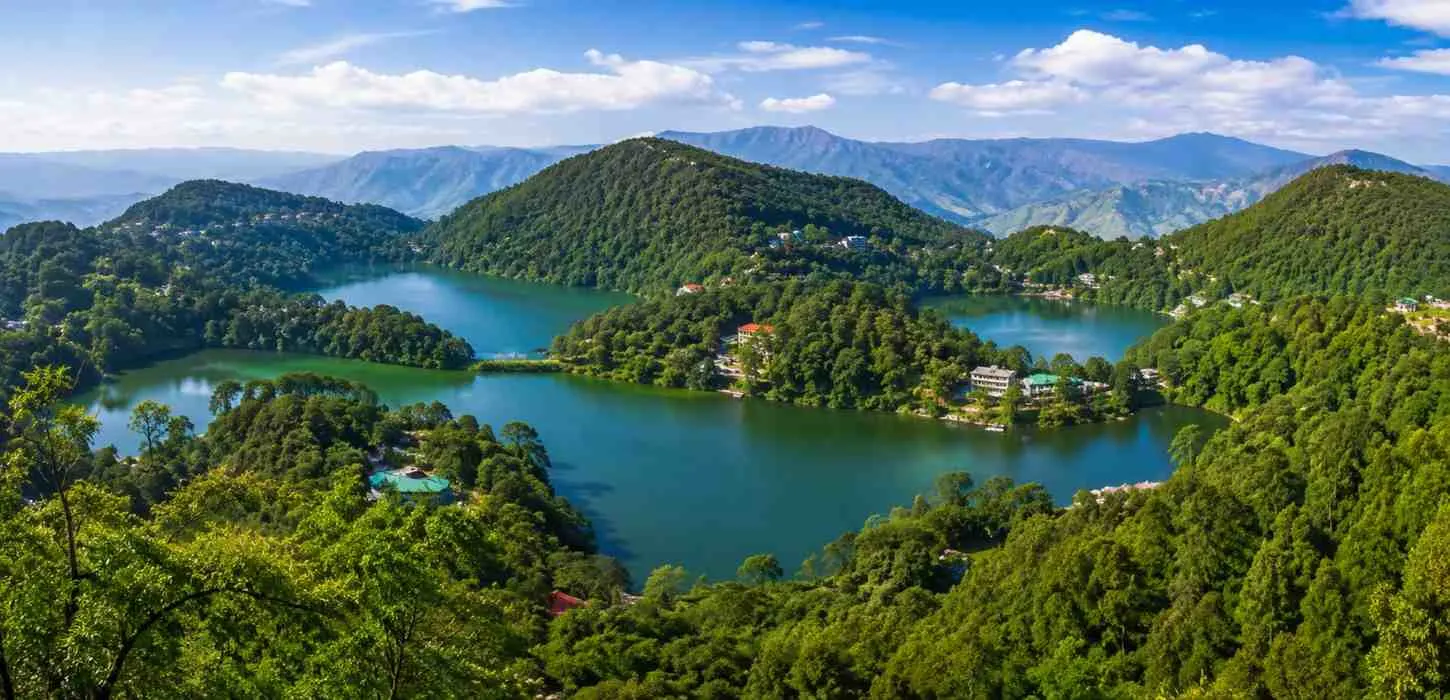
Sattal is one of Uttarakhand's most peaceful lake destinations, located in the Kumaon region of Nainital district. Unlike many popular hill stations, Sattal is known for its quiet atmosphere, interconnected freshwater lakes, dense oak and pine forests, and rich biodiversity. The destination attracts birdwatchers, photographers, campers, nature lovers, and travellers looking for a relaxing escape away from crowded tourist spots.

The name "Sattal" means "Seven Lakes", referring to a unique network of interconnected freshwater lakes surrounded by forested hills. Besides its natural beauty, Sattal is also associated with local mythology and is recognised as one of the important birdwatching destinations in Uttarakhand.
This travel guide covers everything you need to plan your visit, including the seven lakes, best time to visit, how to reach, things to do, nearby attractions, accommodation options, estimated travel budget, and practical travel tips.
|
Fact Checked This guide has been reviewed using official tourism information, weather records, maps, and verified travel resources available at the time of publication. |
Who Should Visit Sattal?Sattal is an ideal destination for: • Birdwatchers looking for Himalayan bird species • Nature lovers seeking peaceful surroundings • Couples planning a quiet weekend getaway • Families looking for a relaxed holiday • Photographers interested in landscapes and wildlife • Campers and outdoor enthusiasts • Travellers exploring the lake destinations of Kumaon |
Sattal Travel Guide – Quick Information
|
Information |
Details |
|
Best For |
Birdwatching, Nature, Camping |
|
Difficulty Level |
Easy |
|
Mobile Network |
Jio & BSNL generally perform better |
|
ATM |
Bhimtal |
|
Fuel Station |
Bhimtal |
|
Google Maps |
Available |
|
Ideal For |
Couples, Families, Nature Lovers |
What is Sattal?
Sattal is a cluster of seven interconnected freshwater lakes located in the Kumaon region of Uttarakhand. Surrounded by dense oak and pine forests, the area is known for its peaceful environment, rich biodiversity, birdwatching opportunities, and outdoor activities such as boating, kayaking, camping, and nature walks.
Compared to nearby hill stations like Nainital and Bhimtal, Sattal remains relatively less commercialised, making it an attractive destination for travellers looking for a quieter experience.
Did You Know?Sattal is considered one of the least commercialised lake destinations in Kumaon, making it popular among birdwatchers and nature photographers looking for quieter surroundings than nearby hill stations. |
Meaning of Sattal
The word "Sattal" comes from two Hindi words: Sat = Seven, Tal = Lakes. Together, Sattal literally means "Seven Lakes", referring to the interconnected freshwater lake system found in this region.
Why is Sattal Famous?
Sattal is famous for its interconnected lakes, peaceful forests, birdwatching opportunities, camping experiences, kayaking, boating, and scenic natural landscapes. The destination is also recognised for its biodiversity and attracts photographers, wildlife enthusiasts, and travellers seeking a quieter alternative to more crowded hill stations.
Why is Sattal Called the Cluster of Seven Lakes?
Sattal is called the "Cluster of Seven Lakes" because it consists of seven naturally connected freshwater lakes surrounded by dense forests. Together they form one of the few interconnected lake ecosystems found in the Himalayan region.
Where is Sattal Located?
Sattal is located near Bhimtal in the Nainital district of Uttarakhand. It lies approximately 23 km from Nainital and around 25 km from Kathgodam Railway Station, making it easily accessible by road.
The destination is surrounded by forests, small hills, and freshwater lakes, offering a peaceful natural environment throughout the year.
|
Destination |
Distance |
|
Bhimtal |
5 km |
|
Naukuchiatal |
9 km |
|
Nainital |
23 km |
|
Kathgodam |
25 km |
|
Delhi |
320 km |
Names of the Seven Lakes in Sattal
The seven lakes of Sattal are Panna Tal, Nal Damyanti Tal, Ram Tal, Sita Tal, Laxman Tal, Garud Tal, and Purna Tal. Together, they form an interconnected freshwater lake system in Uttarakhand, famous for birdwatching, nature photography, kayaking, biodiversity, and peaceful forest landscapes.
1. Panna Tal
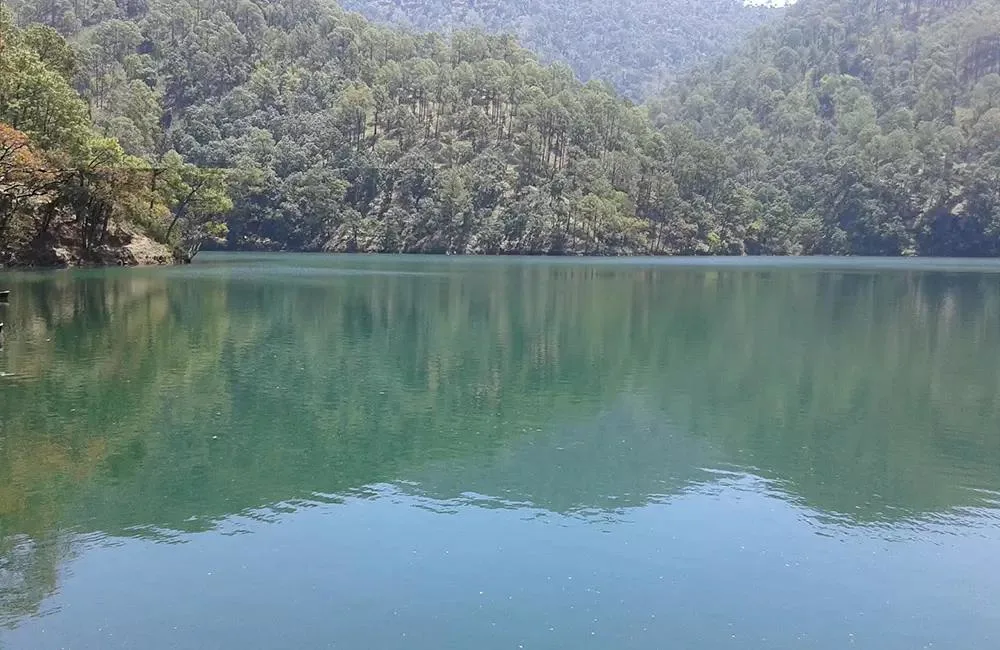
Panna Tal is one of the quietest lakes in the Sattal group and is surrounded by dense oak and pine forests. The lake is less crowded than the main boating area, making it suitable for travellers looking for a peaceful natural setting.
Highlights
-
Peaceful surroundings
-
Dense forest views
-
Suitable for photography
-
Good for short nature walks
Best For: Nature lovers, Photography, Quiet relaxation
Approximate Time Required: 20–30 minutes
2. Nal Damyanti Tal
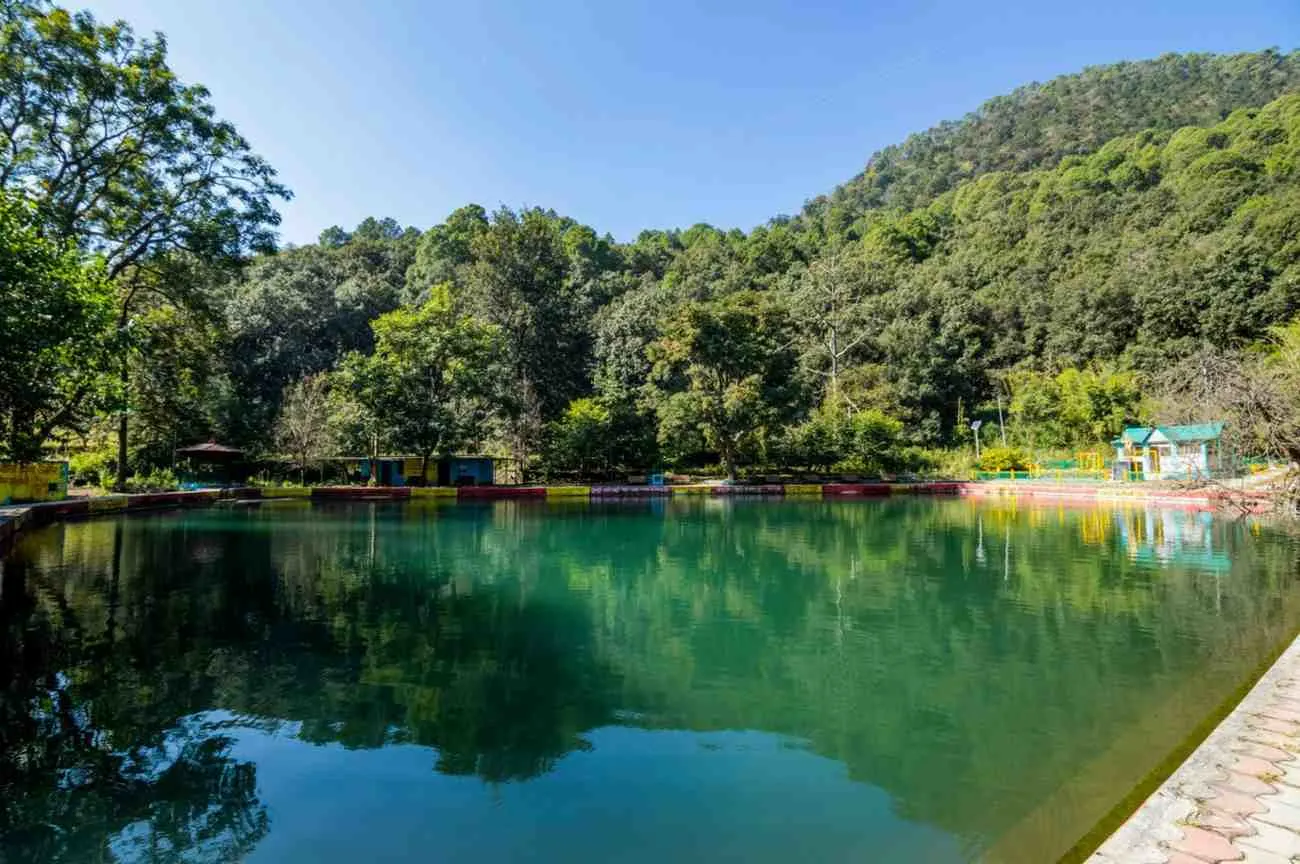
Nal Damyanti Tal is one of the most well-known lakes in Sattal because of its association with the local legend of King Nala and Queen Damayanti. While the story is an important part of local folklore, there is no archaeological evidence confirming it as a historical event.
Highlights
-
Associated with local mythology
-
Peaceful lakeside atmosphere
-
Popular among visitors interested in local culture
-
Surrounded by natural vegetation
Best For: History and mythology enthusiasts, Nature walks, Photography
Approximate Time Required: 20–30 minutes
3. Ram Tal
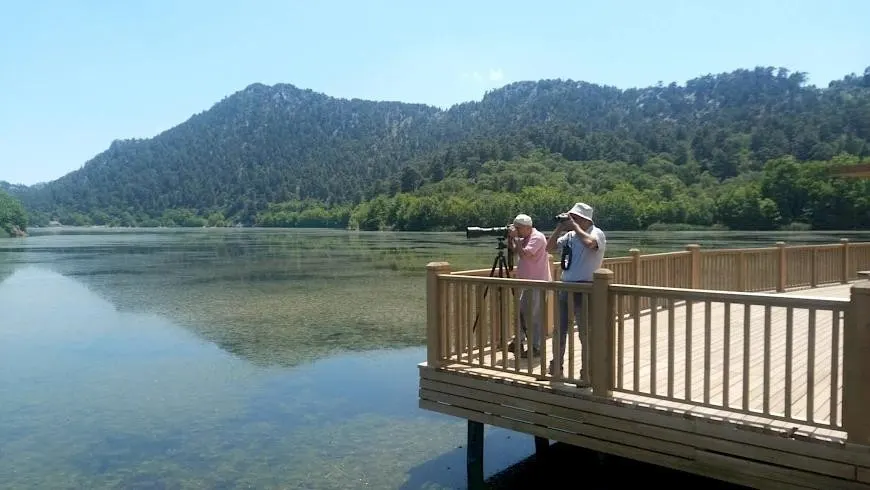
Ram Tal is among the central lakes of the Sattal lake system and is known for its calm surroundings and forest landscape. It is often visited by birdwatchers and travellers looking for a quieter part of the lake network.
Highlights
-
Calm freshwater lake
-
Forest surroundings
-
Suitable for birdwatching
-
Scenic walking trails nearby
Best For: Birdwatching, Nature photography, Relaxation
Approximate Time Required: 30–40 minutes
4. Sita Tal
Sita Tal is a peaceful freshwater lake named after Goddess Sita according to local traditions. Surrounded by greenery, it offers a quiet environment for visitors interested in spending time close to nature.
Highlights
-
Peaceful natural setting
-
Green surroundings
-
Good for photography
-
Quiet atmosphere
Best For: Nature lovers, Photography, Short walks
Approximate Time Required: 20–30 minutes
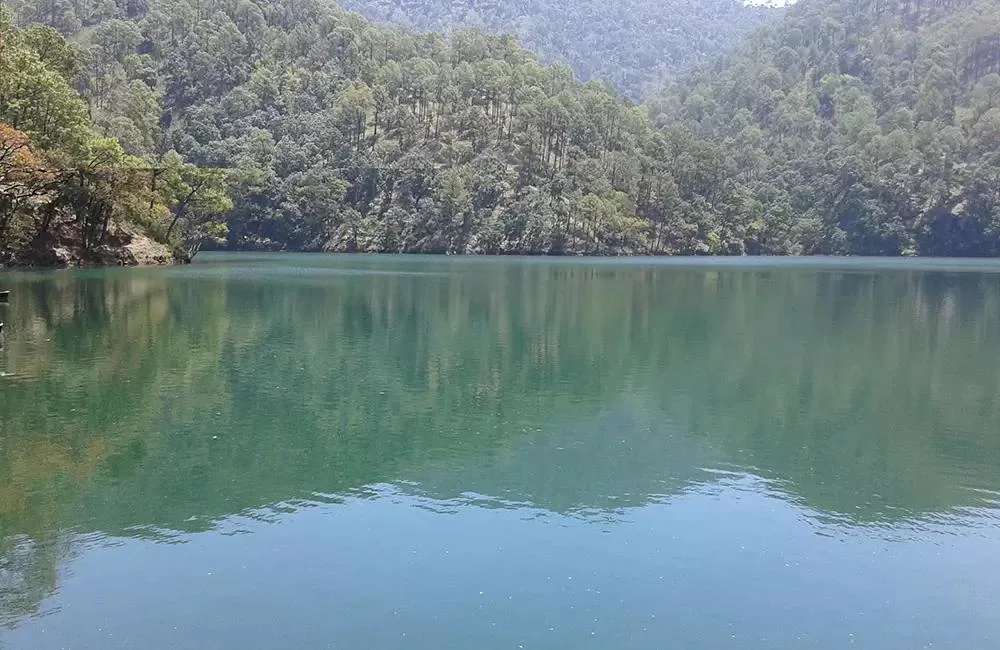
5. Laxman Tal
Laxman Tal is another lake within the Sattal group, known for its peaceful surroundings and forest ecosystem. It forms part of the interconnected freshwater lakes that make Sattal unique.
Highlights
-
Interconnected freshwater lake
-
Dense forest views
-
Quiet atmosphere
-
Natural landscape
Best For: Nature walks, Photography, Relaxation
Approximate Time Required: 20–30 minutes
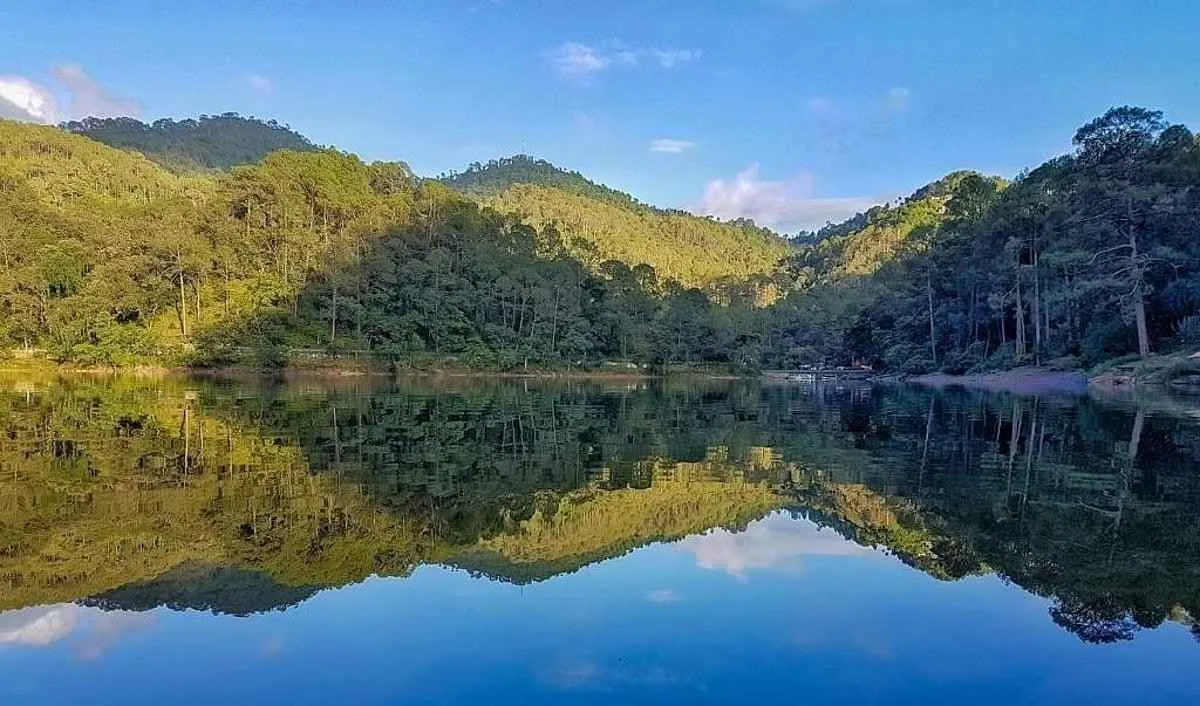
6. Garud Tal
Garud Tal is one of the lesser-visited lakes in Sattal and is appreciated for its peaceful environment and natural beauty. The surrounding forests provide a suitable habitat for birds and other wildlife.
Highlights
-
Less crowded location
-
Rich natural surroundings
-
Birdwatching opportunities
-
Scenic forest views
Best For: Birdwatching, Wildlife photography, Peaceful visits
Approximate Time Required: 20–30 minutes
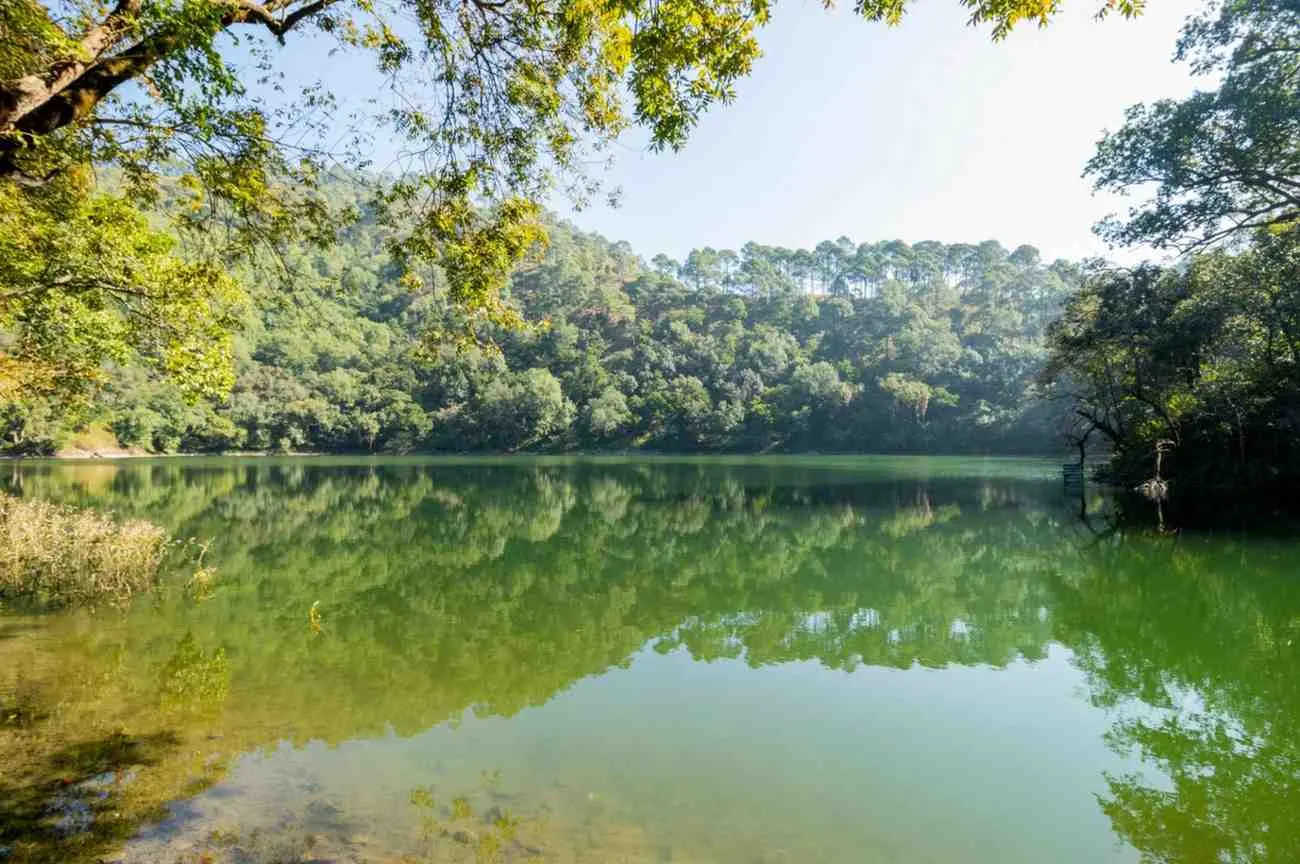
7. Purna Tal
Purna Tal completes the group of seven interconnected lakes that together form Sattal. The lake contributes to the region's freshwater ecosystem and adds to the area's natural beauty.
Highlights
-
Part of the seven-lake network
-
Freshwater ecosystem
-
Peaceful natural surroundings
-
Scenic landscape
Best For: Nature lovers, Photography, Relaxation
Approximate Time Required: 20–30 minutes
Apart from Sattal, Uttarakhand has several peaceful lake destinations, including Bhulla Lake, which is known for its scenic surroundings and relaxing atmosphere.
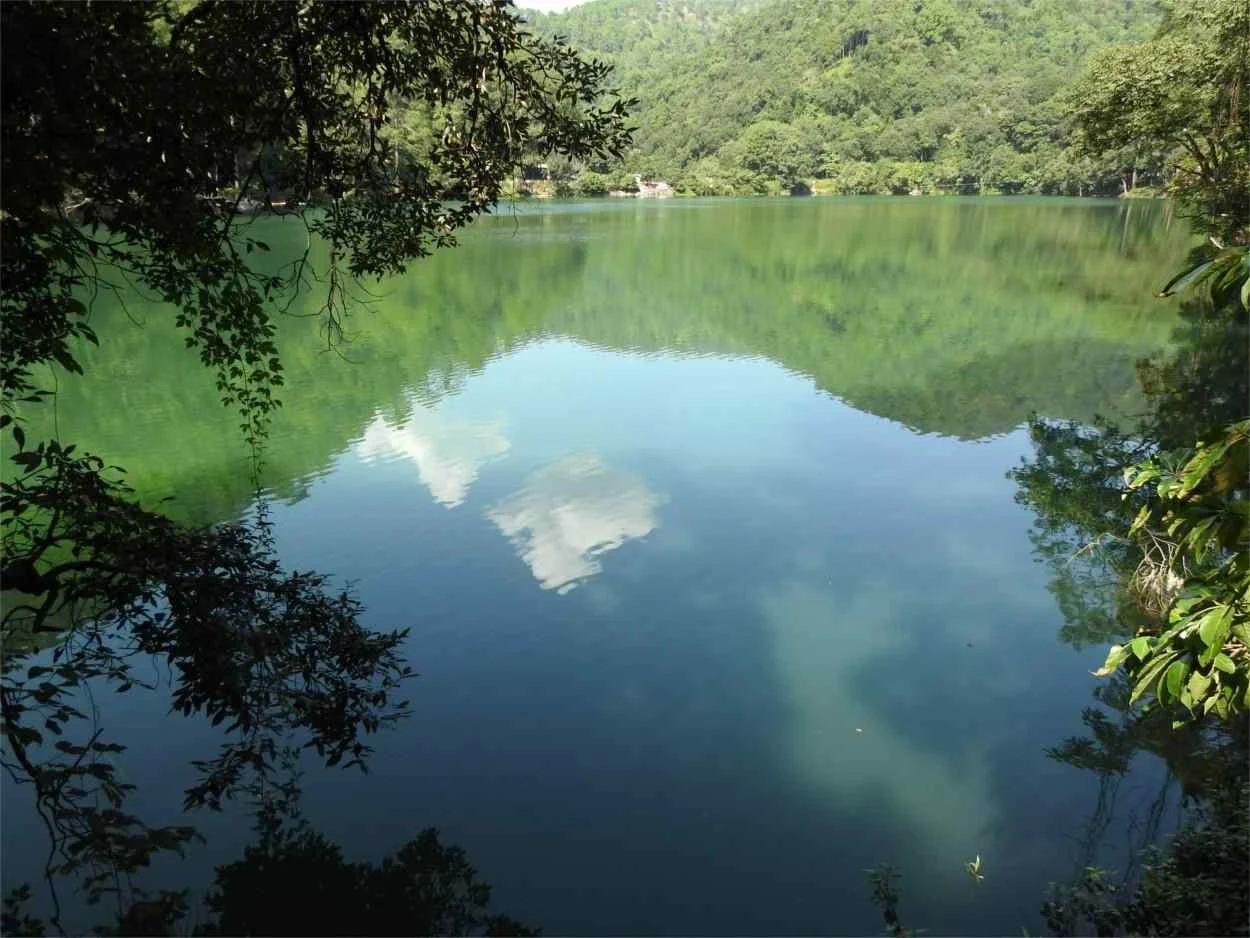
Suggested Lake Exploration RouteMain Lake ↓ Ram Tal ↓ Sita Tal ↓ Laxman Tal ↓ Garud Tal ↓ Panna Tal ↓ Nal Damyanti Tal ↓ Purna Tal Time Required Approximately 3–4 Hours |
History of Sattal?
Sattal is believed to have formed naturally over thousands of years through geological processes in the Himalayan foothills. The lakes have long been part of the Kumaon region's natural landscape and continue to support a rich freshwater ecosystem.
Several lakes within Sattal are associated with local folklore and Hindu mythology. Nal Damyanti Tal, for example, is linked to the story of King Nala and Queen Damayanti mentioned in the Mahabharata. However, these stories are part of local tradition, and there is currently no archaeological evidence confirming them as historical events.
Today, Sattal is valued more for its ecological importance than its historical significance. The surrounding forests provide habitat for numerous bird species, butterflies, insects, and other wildlife, making the region an important destination for nature tourism.
Why is Sattal Ecologically Important?
Sattal is an important freshwater ecosystem in Uttarakhand. The interconnected lakes and surrounding forests support a wide variety of birds, butterflies, insects, reptiles, fish, and native plant species. The region also contributes to groundwater conservation and local biodiversity.
Visitors are encouraged to follow responsible tourism practices by avoiding littering, reducing plastic waste, and respecting wildlife habitats.
Best Time to Visit Sattal
Sattal can be visited throughout the year, but the experience changes with each season. Summer is ideal for sightseeing and outdoor activities, the monsoon transforms the forests into lush green landscapes, and winter attracts birdwatchers looking for migratory species and peaceful surroundings.
Before planning your trip, consider the type of experience you are looking for. If you enjoy boating and pleasant weather, summer is generally the most suitable season. If photography and greenery are your priorities, the monsoon offers dramatic landscapes, while winter is preferred by many birdwatchers because of increased bird activity.
Best Season Based on Your Travel Style
| Travel Purpose | Recommended Season |
| Sightseeing | March to June |
| Birdwatching | October to April |
| Photography | July to September |
| Camping | March to June & October to November |
| Nature Walks | Throughout the Year |
| Peaceful Holiday | September to November |
| **Travel Note:** Weather conditions in the hills can change quickly, especially during the monsoon. Always check the latest forecast before travelling. |
Visiting Sattal During Summer (March to June)
Summer is considered one of the most comfortable times to visit Sattal. Daytime temperatures remain pleasant for outdoor activities, while mornings and evenings are generally cooler.
This season is suitable for boating, kayaking, birdwatching, camping, forest walks, and exploring nearby destinations like Bhimtal and Naukuchiatal.
-
Pleasant weather for sightseeing
-
Good visibility for photography
-
Comfortable trekking conditions
-
Popular season for family holidays
Visiting Sattal During the Monsoon (July to September)
During the monsoon, the forests around Sattal become lush green, and the lakes appear especially scenic. This season is often preferred by travellers interested in nature photography and peaceful surroundings.
However, heavy rainfall may occasionally affect road conditions, and some outdoor activities may not operate during bad weather.
Visiting Sattal During Winter (October to February)
Winter offers cool weather, clear skies, and a peaceful atmosphere. It is also one of the preferred seasons for birdwatching because several migratory and resident bird species are active during this period.
Morning temperatures can be quite low, so warm clothing is recommended.
Sattal Weather Throughout the Year
Sattal enjoys pleasant weather throughout the year. March to June is the best time for boating, sightseeing, and outdoor activities. July to September brings monsoon rains and lush green landscapes, making it ideal for photography. October to February offers cool weather and is the best season for birdwatching, wildlife photography, and peaceful nature retreats.
Sattal Weather Month-wise
|
Month |
Temperature |
Rainfall |
Birdwatching |
Boating |
|
January |
5°C – 15°C |
Very Low |
⭐⭐⭐⭐⭐ Excellent (Migratory birds) |
✅ Available (Weather permitting) |
|
February |
7°C – 18°C |
Low |
⭐⭐⭐⭐⭐ Excellent |
✅ Good |
|
March |
10°C – 22°C |
Low |
⭐⭐⭐⭐☆ Very Good |
✅ Excellent |
|
April |
15°C – 26°C |
Low |
⭐⭐⭐⭐☆ Very Good |
✅ Excellent |
|
May |
18°C – 30°C |
Low |
⭐⭐⭐⭐☆ Good |
✅ Best Time |
|
June |
20°C – 30°C |
Moderate |
⭐⭐⭐⭐☆ Good |
✅ Excellent |
|
July |
19°C – 26°C |
Heavy |
⭐⭐⭐⭐☆ Good |
⚠️ Limited during heavy rain |
|
August |
18°C – 25°C |
Very Heavy |
⭐⭐⭐⭐☆ Good |
⚠️ Weather Dependent |
|
September |
17°C – 25°C |
Moderate |
⭐⭐⭐⭐⭐ Excellent |
✅ Very Good |
|
October |
12°C – 22°C |
Low |
⭐⭐⭐⭐⭐ Excellent |
✅ Excellent |
|
November |
8°C – 20°C |
Very Low |
⭐⭐⭐⭐⭐ Best Season |
✅ Good |
|
December |
5°C – 16°C |
Very Low |
⭐⭐⭐⭐⭐ Best Season |
✅ Available |
| Note: Temperature and rainfall values are approximate averages and may vary slightly each year depending on local weather conditions. |
Weather Information
The temperatures shown above are approximate averages based on historical climate patterns. Actual weather conditions may vary each year depending on seasonal changes.
Before travelling, check the latest weather forecast, particularly during the monsoon and winter months.
How to Reach Sattal
Sattal is well connected by road to major towns in Uttarakhand, including Kathgodam, Bhimtal, Haldwani, and Nainital. Most visitors reach Sattal by road after arriving at Kathgodam Railway Station or Pantnagar Airport.
Private taxis, shared cabs, and self-drive vehicles are commonly used for the final stretch of the journey.
By Road
Travelling by road is the most convenient way to reach Sattal. The journey passes through scenic mountain roads, forests, and nearby lake towns. The route from Delhi to Sattal generally takes around 7–8 hours, depending on traffic and road conditions.
Driving Tips
- Avoid driving after dark if you are unfamiliar with hill roads.
- Drive slowly on blind curves.
- Keep sufficient fuel before leaving Bhimtal or Kathgodam.
- During the monsoon, check for road advisories before starting your trip.
By Train
Kathgodam Railway Station is the nearest railhead to Sattal and is connected with Delhi and several major North Indian cities. After reaching Kathgodam, travellers can continue by taxi or shared cab. The road journey to Sattal usually takes around 45–60 minutes.
By Air
Pantnagar Airport is the nearest airport to Sattal. Flight availability may vary throughout the year, so travellers should confirm schedules before planning their trip. From the airport, taxis are available for onward travel to Sattal.
By Bus
Government and private buses operate regularly between Delhi and nearby towns such as Haldwani and Kathgodam. From Bhimtal or Kathgodam, visitors can hire a taxi or shared jeep to reach Sattal.
Things to Do in Sattal
Sattal offers a mix of nature-based experiences and outdoor activities. Visitors can spend their time exploring the lakes, watching birds, enjoying boating or kayaking, camping near the forests, or simply relaxing in the peaceful surroundings.
Popular Activities at a Glance
| Activity | Best Season | Suitable For |
| Boating | March–June | Families |
| Kayaking | March–June | Adventure Lovers |
| Camping | October–June | Couples & Groups |
| Birdwatching | October–April | Nature Lovers |
| Photography | Throughout the Year | All Visitors |
| Nature Walks | Throughout the Year | Everyone |
Boating
Boating is one of the most popular activities in Sattal. The calm waters and forest surroundings provide a relaxing experience for visitors of all ages.
**Recommended Time:** Morning and late afternoon.
Kayaking
Kayaking is popular among visitors looking for a more active way to explore the lake. Beginners should choose guided sessions if available and always wear the safety equipment provided by the operator.
Camping
Camping is one of the highlights of a Sattal trip. Several campsites operate near the lake and surrounding forests, offering overnight stays in a natural setting.
Before booking, confirm the facilities provided, such as washrooms, meals, parking, and safety arrangements.
Birdwatching in Sattal
Sattal is widely recognised as one of Uttarakhand's well-known birdwatching destinations because of its forest ecosystem and diverse habitats.
According to birdwatching records, more than 500 bird species have been recorded in and around the Sattal region over time. Visitors may spot both resident and migratory birds depending on the season.
Commonly Seen Birds
-
Himalayan Bulbul
-
Great Barbet
-
Red-billed Blue Magpie
-
White-throated Kingfisher
-
Verditer Flycatcher
October to April
Best Time of Day
6:00 AM – 9:00 AM
Helpful Tips
- Carry binoculars.
- Wear neutral-coloured clothing.
- Avoid making loud noises.
- Maintain a safe distance from birds and nests.
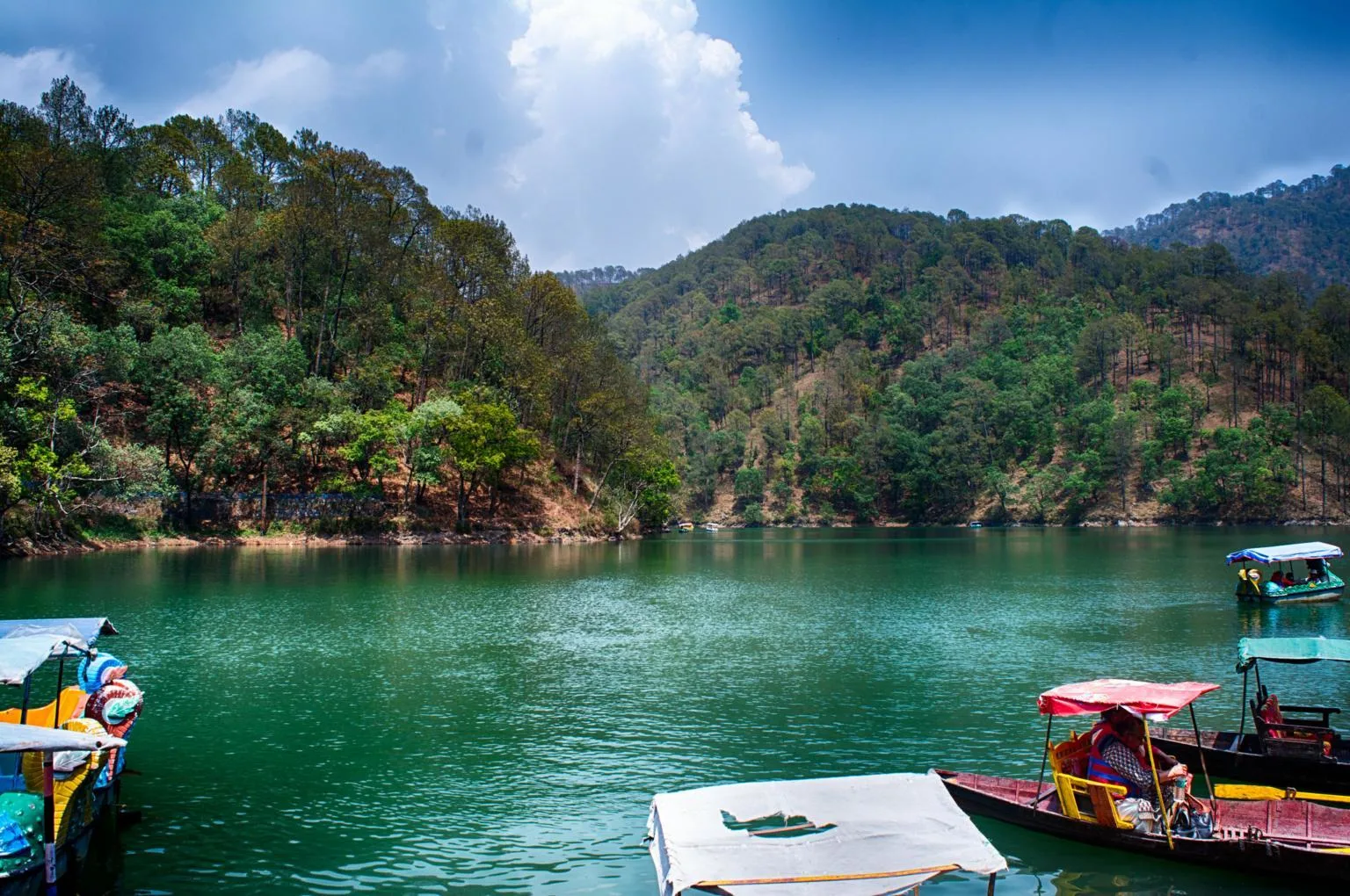
Which Binoculars Are Best for Birdwatching?
|
BinForocular |
Suitable For |
|
8×42 |
General Birdwatching |
|
10×42 |
Distant Bird Observation |
Adventure Activities in Sattal
In addition to its peaceful lakes, Sattal also offers several adventure activities for visitors looking for outdoor experiences. Activity availability may differ between seasons and operators.
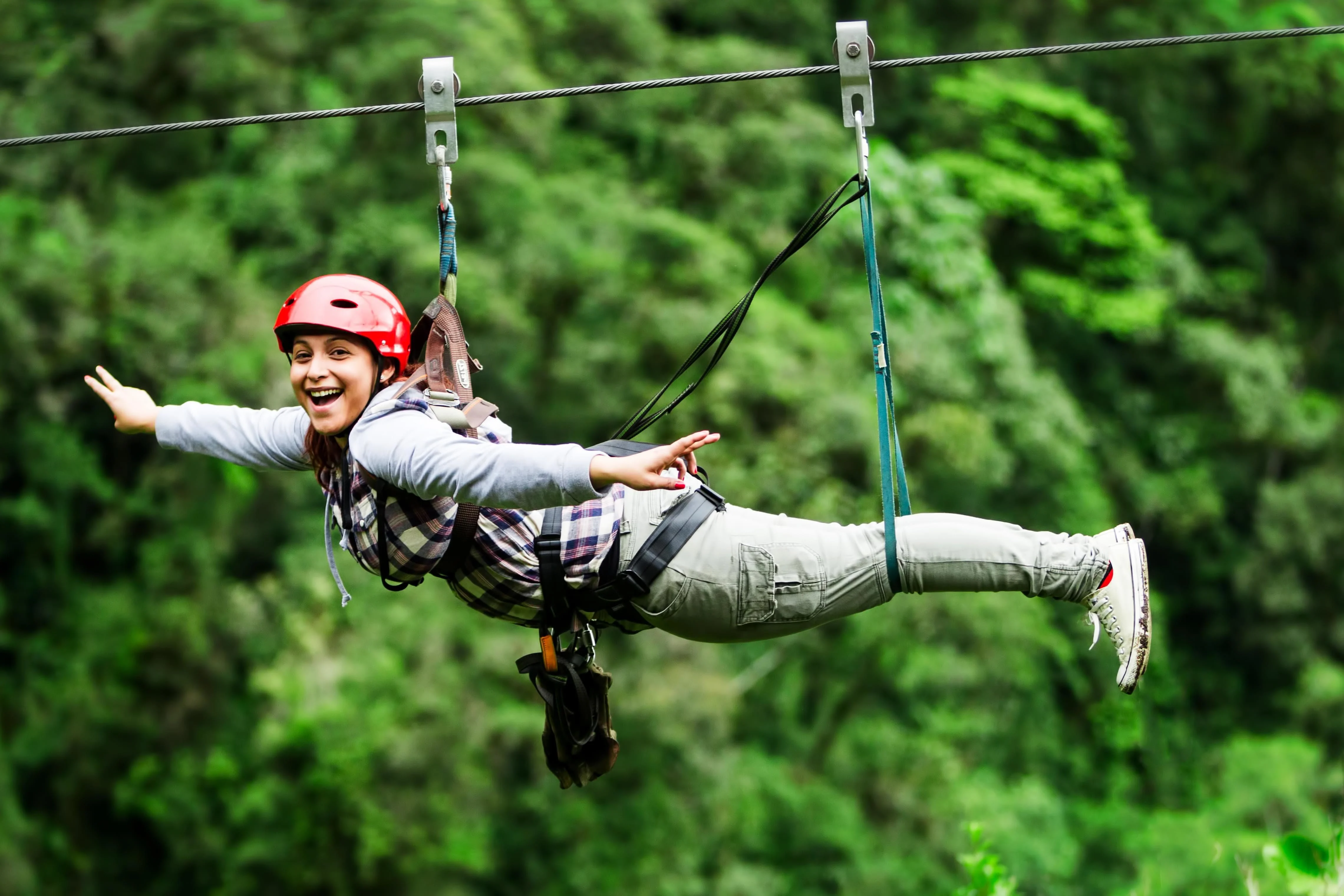
Zipline
Ziplining in Sattal offers a thrilling experience of gliding above the forest landscape while enjoying panoramic views of the surrounding hills. Best for families, beginners, and adventure seekers, best time March to June and October to November.
Best For: Families, beginners, and adventure seekers
Best Time: March to June and October to November
Rock Climbing
Rock climbing is a popular activity for visitors who want to experience a challenging outdoor adventure in the Himalayan surroundings.
Rappelling
Rappelling allows visitors to descend rocky surfaces with the help of ropes and safety gear under expert supervision.
Kayaking
Kayaking is one of the most popular water activities in Sattal, allowing visitors to explore the calm waters of the lakes.
Best time: March to June.
Trekking
Sattal offers scenic forest trails surrounded by oak and pine trees, making trekking a great way to explore the region's natural beauty. Best time: October to June. Adventure lovers looking for challenging Himalayan experiences can also explore famous treks such as Roopkund Trek or the Nag Tibba Trek, a beginner-friendly weekend summit trek elsewhere in Uttarakhand.
|
Safety Tips
|
Best Places to Visit Near Sattal
Sattal is surrounded by several popular lakes, temples, and hill destinations that can easily be explored on the same trip. Most of these places are within a 30–40 km driving distance, making them suitable for day trips.
If you have one or two extra days, combining Sattal with nearby destinations such as Bhimtal, Naukuchiatal, Nainital, and Kainchi Dham can make your itinerary more enjoyable.
|
Place |
Distance from Sattal |
Best Known For |
|
Bhimtal |
~4 km |
The largest lake near Sattal, boating |
|
Naukuchiatal |
~12 km |
Nine-cornered lake, adventure activities |
|
Nainital |
~22 km |
Naini Lake, Mall Road, hill station experience |
|
Kainchi Dham |
~15 km |
Neem Karoli Baba Ashram |
|
Ghorakhal Temple |
~12 km |
Golu Devta Temple, scenic views |
|
Hanuman Garhi |
~25 km |
Sunrise views and Hanuman Temple |
Bhimtal
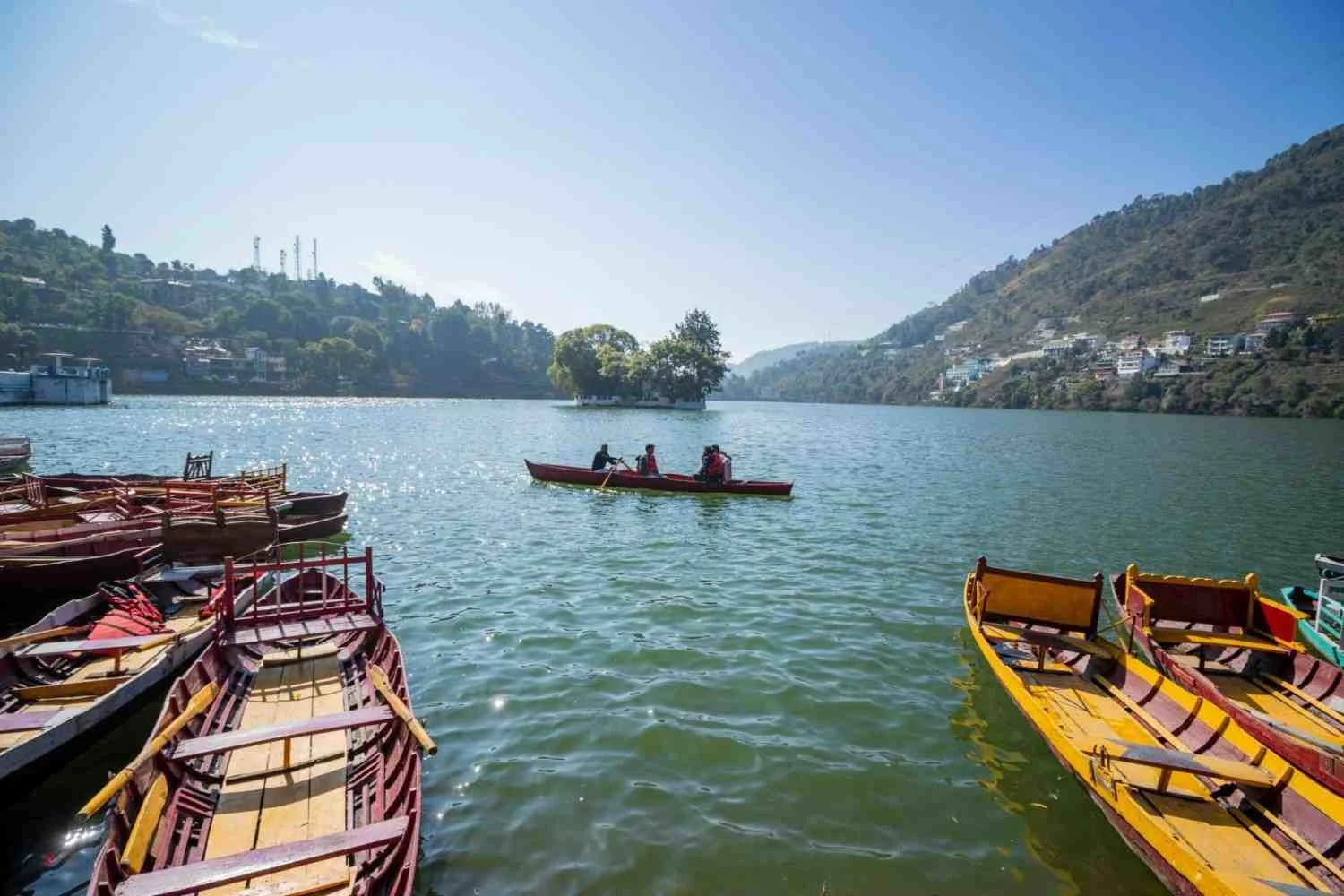
Located just a short drive from Sattal, Bhimtal is one of the most visited lake destinations in the Kumaon region. It is known for its large freshwater lake, boating facilities, lakeside cafés, and island aquarium. Distance: approximately 4 km. Best for families, boating, lakeside cafés, photography. Recommended time: 2–3 hours.
Naukuchiatal
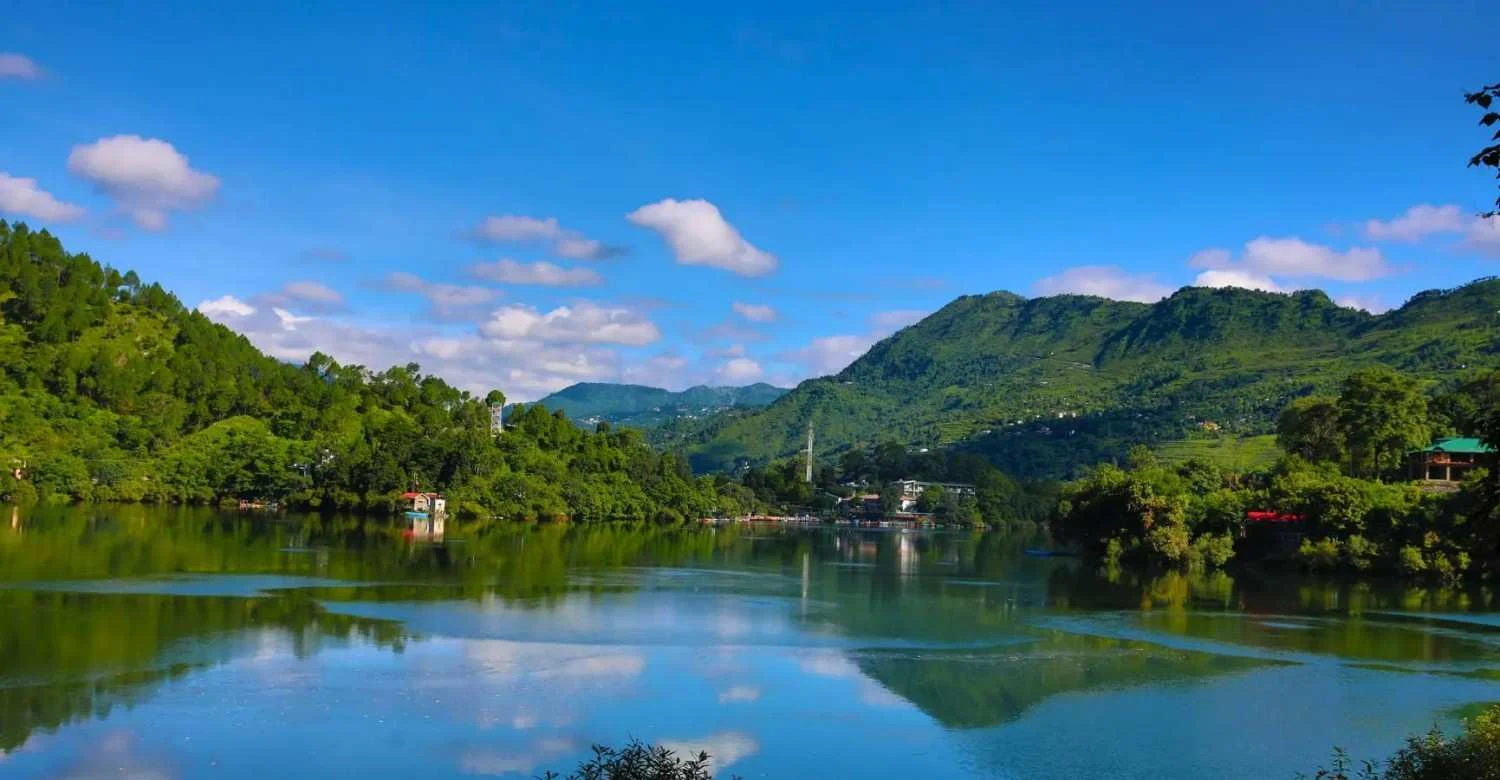
Naukuchiatal is famous for its nine-cornered lake and peaceful atmosphere. It is also popular for adventure activities such as kayaking and paragliding. Distance: approximately 12 km. Best for adventure activities, camping, nature photography, weekend relaxation.
Nainital
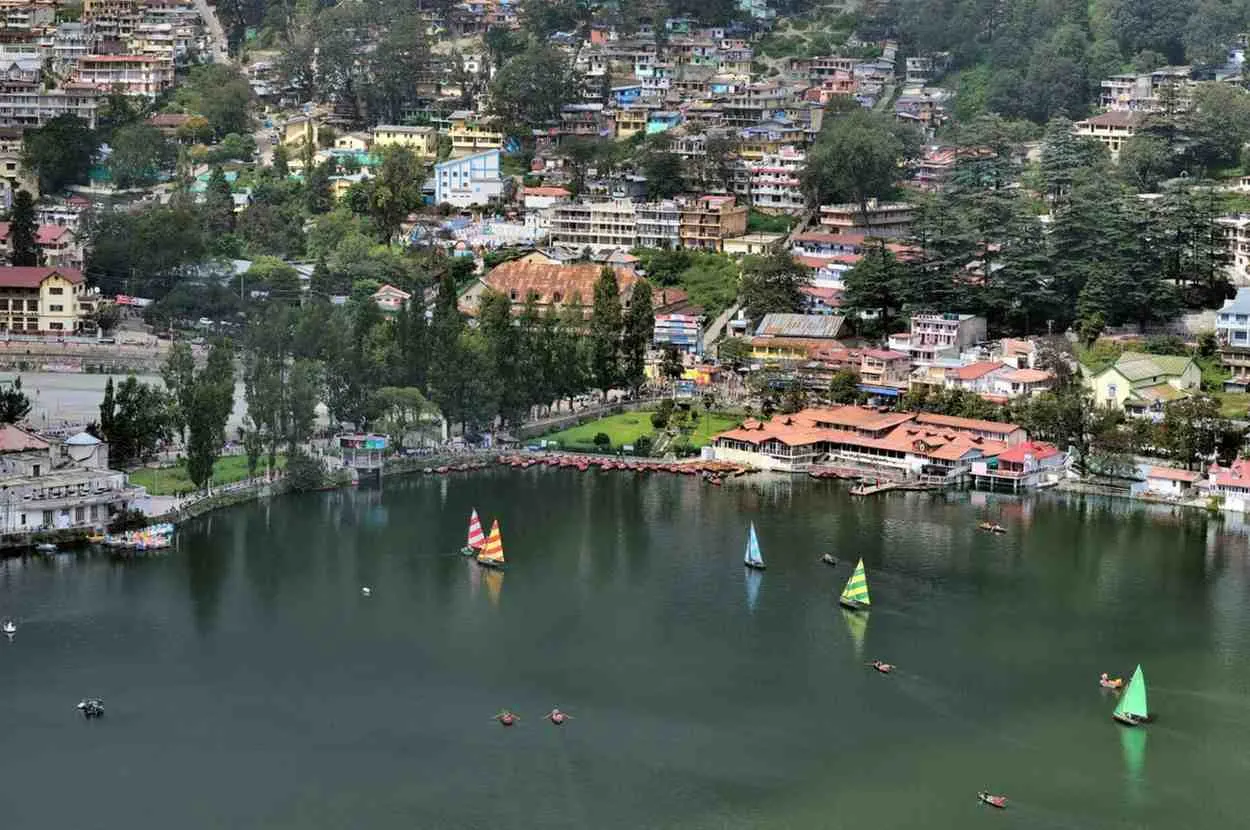
Nainital is one of Uttarakhand's most popular hill stations. Visitors can enjoy boating on Naini Lake, shopping on Mall Road, cable car rides, and several viewpoints. Distance: approximately 23 km. Recommended duration: full day.
Kainchi Dham
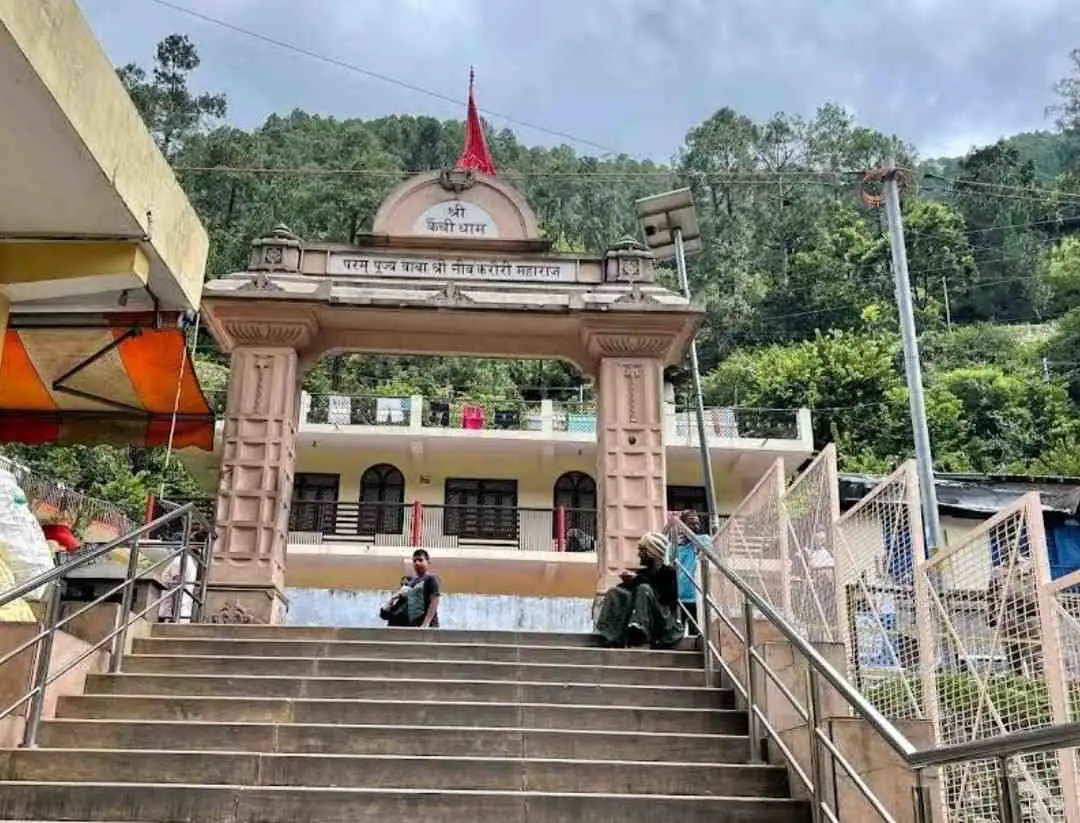
Kainchi Dham is a well-known spiritual destination associated with Neem Karoli Baba. The ashram attracts devotees from India and abroad throughout the year. Visitors are advised to maintain silence, dress modestly, and follow the ashram's visitor guidelines. Distance: approximately 15 km.
Ghorakhal Temple
Ghorakhal Temple is a popular hill temple dedicated to Lord Golu Devta, the local deity of justice in Kumaon. Distance from Sattal: approx. 12 km.

Hanuman Garhi
Hanuman Garhi is a famous Hanuman temple near Nainital, known for its peaceful atmosphere and beautiful sunrise views. Distance from Sattal: approx. 25 km.
One-Day Sattal Itinerary
If you are visiting Sattal for a day, the following itinerary provides enough time to enjoy the lakes and nearby attractions without rushing.
Morning: Reach Sattal early. Walk around the main lake. Enjoy boating or kayaking. Visit nearby birdwatching areas.
Afternoon: Have lunch at a local café. Explore the forest trails. Visit Bhimtal if time permits.
Evening: Relax near the lake. Enjoy sunset photography. Return to your destination before dark if travelling by road.
Two-Day Sattal Itinerary
Day One
Morning: Arrive and check in. Visit the main lake. Enjoy boating or kayaking.
Afternoon: Lunch. Nature walk. Birdwatching.
Evening: Relax at your campsite or hotel. Enjoy sunset views.
Day Two
Morning: Early birdwatching session. Breakfast. Visit Bhimtal or Naukuchiatal.
Afternoon: Explore local cafés. Visit Kainchi Dham (optional).
Evening: Return journey.
Where to Stay in Sattal
Accommodation options in Sattal range from lakeside camps and homestays to budget hotels and premium resorts. The right choice depends on your travel style, budget, and preferred location.
Travellers visiting during weekends or holidays should consider booking accommodation in advance because availability can become limited during peak travel periods.
Luxury Resorts
Suitable for travellers looking for spacious rooms, scenic views, and additional facilities such as restaurants and parking.
Mid-range Hotels
A practical option for families and couples looking for comfortable accommodation without premium pricing.
Budget Hotels
Suitable for backpackers, solo travellers, and short weekend trips.
Homestays
Homestays provide a more local experience and are often preferred by travellers looking for a quieter stay.
|
Booking Tips
|
Best Cafés & Restaurants in Sattal
The best food experiences in Sattal include Kumaoni cuisine, local pahadi dishes, and lakeside cafés. Visitors should try Aloo Ke Gutke, Bhatt Ki Churkani, Mandua Roti, and Jhangora Ki Kheer while enjoying peaceful lake and forest views.
Kumaoni Cuisine
Sattal is a good place to experience authentic Kumaoni food, known for simple ingredients and traditional Himalayan flavors.
-
Bhatt Ki Churkani
-
Aloo Ke Gutke
-
Phaanu
-
Jholi
-
Singal
Cafés Around Sattal
Most cafés near Sattal serve tea, coffee, Maggi, sandwiches, pakoras, and North Indian meals. Menu availability may vary depending on the season and individual property. Morning breakfast or evening tea by the lake is a popular experience among visitors.
Estimated Budget for a Sattal Trip
The overall cost of a Sattal trip depends on the season, accommodation, transport, and activities you choose. The estimates below are intended only as a planning guide and actual expenses may vary.
|
Travel Type |
Estimated Budget (Per Trip) |
Includes |
|
Backpacker |
₹2,000 – ₹4,000 |
Budget stay, local food, public transport, basic activities |
|
Solo Traveller |
₹4,000 – ₹7,000 |
Budget hotel, meals, transport, sightseeing |
|
Couple |
₹8,000 – ₹15,000 |
Comfortable stay, food, local travel, activities |
|
Family (3–4 Members) |
₹12,000 – ₹20,000 |
Hotel stay, meals, transport, sightseeing |
|
• Weekday trips are generally more affordable. • Shared taxis can help reduce transport costs. • Booking accommodation early may offer better prices during peak season. • Combining Sattal with nearby destinations can help make better use of your travel budget. |
Essential Travel Tips for Sattal
Before travelling to Sattal, it is helpful to prepare for changing weather conditions and limited facilities in some areas.
-
Mobile Network: Jio and BSNL generally provide better coverage in many parts of the region, although connectivity may be weaker inside forested areas.
-
Cash: Carry sufficient cash because smaller shops and local vendors may not always accept digital payments.
-
Fuel: Refuel your vehicle at Bhimtal, Bhowali, or Kathgodam before heading towards Sattal.
-
Parking: Parking is available near the main tourist areas but may become limited during weekends and holidays.
-
Medical Facilities: Basic medical services are available in nearby towns. Carry personal medicines and a small first-aid kit.
-
Responsible Tourism: Avoid littering, carry reusable water bottles, respect wildlife, avoid loud music, do not damage trees or natural surroundings, and follow local rules and signboards.
|
Before You Travel ✔ Check weather forecast. ✔ Confirm hotel booking. ✔ Download offline Google Maps. ✔ Carry identity proof. ✔ Keep emergency contact numbers. ✔ Inform family if travelling on remote forest trails. |
Packing Checklist for Sattal Trip
For a Sattal trip, carry a warm jacket, trekking shoes, binoculars, camera, raincoat, water bottle, and power bank. These essentials help with changing weather, outdoor activities, birdwatching, and photography.
Photography Tips in Sattal
Sattal offers opportunities for landscape, wildlife, and bird photography throughout the year. Best time for photography — morning: 6:30 AM – 9:00 AM, evening: 4:30 PM – Sunset.
-
Early morning usually provides softer natural light.
-
Calm lake water often creates better reflections.
-
Respect wildlife while photographing birds.
-
Avoid entering restricted forest areas.
-
Keep a safe distance from nests and wild animals.
Sattal vs Bhimtal vs Naukuchiatal
Sattal is best for peace and nature, Bhimtal is ideal for families and sightseeing, while Naukuchiatal is better for adventure activities and camping.
|
Factor |
Sattal |
Bhimtal |
Naukuchiatal |
|
Crowd |
Low crowd, peaceful |
Moderate to high crowd |
Less crowded than Bhimtal |
|
Budget |
Budget-friendly stays and camps |
Slightly higher due to popularity |
Moderate budget options |
|
Activities |
Birdwatching, boating, trekking |
Boating, aquarium, sightseeing |
Kayaking, boating, paragliding |
|
Camping |
Best for eco-camps |
Limited camping |
Excellent for lakeside camping |
|
Peacefulness |
Most peaceful |
Moderate |
Quiet and relaxing |
Choose Sattal if you prefer peaceful surroundings, birdwatching, camping, and nature walks. Choose Bhimtal if you are travelling with family and want easier access to cafés, boating, and sightseeing. Choose Naukuchiatal if your focus is adventure activities such as kayaking or paragliding along with a quieter lakeside experience.
Is Sattal Worth Visiting?
Yes, Sattal is worth visiting if you enjoy nature, peaceful surroundings, and outdoor activities. Unlike some of Uttarakhand's busier hill stations, Sattal offers a quieter environment with interconnected lakes, forest trails, birdwatching opportunities, and scenic landscapes.
Travellers looking for nightlife or extensive shopping may find nearby destinations like Nainital more suitable, while those seeking relaxation and nature often prefer Sattal.
|
About the Author Karan Deep is a travel content writer covering destinations across Uttarakhand. This guide has been prepared using official Uttarakhand Tourism resources, verified maps, IMD weather data, local travel information, and trusted reference sources. Every guide is regularly reviewed and updated to provide accurate and practical travel information for visitors. |
Conclusion
Sattal is an ideal destination for travelers looking for a peaceful lake escape surrounded by nature. With its seven interconnected lakes, dense forests, and rich biodiversity, it offers excellent opportunities for birdwatching, photography, camping, boating, and nature walks.
Unlike crowded hill stations, Sattal provides a quieter experience where visitors can enjoy the beauty of the Kumaon Himalayas at a relaxed pace. Whether you are a nature lover, wildlife enthusiast, photographer, or someone seeking a peaceful retreat, Sattal offers a perfect blend of scenic landscapes, adventure, and tranquility.
For travelers who wa
Sources & References
The information in this guide has been compiled using publicly available information, official resources, maps, and verified travel references available at the time of publication.
Primary references include:
- Uttarakhand Tourism Development Board
- India Meteorological Department (IMD)
- Forest Department, Uttarakhand
- eBird
- Google Maps
- Indian Railways
- Airport Authority of India
Travel information such as weather, transport schedules, accommodation availability, and activity charges may change over time. Visitors are encouraged to verify the latest information before travelling.
Frequently Asked Questions
More from
Himalayas Digital
Top Places to Visit in Kashmir: 10 Best Tourist Destinations for 2026
Morjim Beach Goa: Things to Do, Best Time, How to Reach & Travel Guide 2026

Palolem Beach Goa: Things to Do, Best Time, How to Reach & Travel Guide 2026

Colva Beach Goa: Things to Do, Best Time, How to Reach & Travel Guide 2026