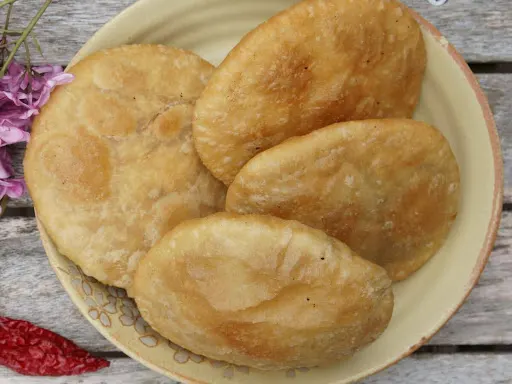
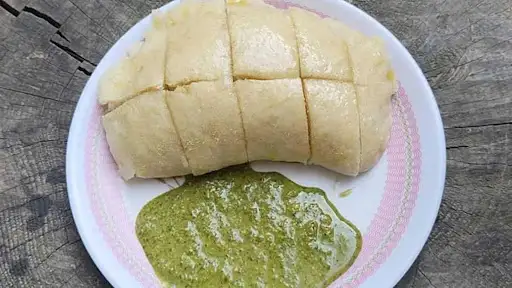
Siddu is a traditional steamed bread from Himachal Pradesh, especially popular in regions like Shimla, Kullu Valley, and Mandi. It is made from wheat flour dough that is fermented and often stuffed with fillings such as poppy seeds, walnuts, or lentils.
Siddu is a traditional Himachali delicacy known for its soft texture and rich filling, commonly enjoyed with ghee or chutney, especially in cold mountain regions.
Origin and Cultural Significance of Siddu
Siddu holds a special place in Himachali cuisine and culture:
- A traditional dish of Himachal Pradesh
- Widely prepared in rural and mountainous areas
- Often served during festivals, gatherings, and special occasions
It reflects the simplicity and richness of mountain life.
Ingredients Used in Siddu
The ingredients used in Siddu are simple yet nourishing:
- Wheat flour
- Yeast or natural fermentation
- Fillings such as poppy seeds, walnuts, or lentils
- Ghee (clarified butter)
These ingredients give Siddu its distinctive taste and texture.
Also Read: Babru of Himachal: The Mountain Version of Kachori
How Siddu is Made (Step-by-Step Recipe)
Step 1: Dough Preparation
Wheat flour is kneaded into a soft dough using water and yeast.
Step 2: Fermentation Process
The dough is left to ferment for several hours, allowing it to rise and develop flavor.
Step 3: Stuffing Preparation
A filling of crushed poppy seeds, walnuts, or lentils is prepared and placed inside the dough.
Step 4: Steaming the Siddu
The stuffed dough is shaped and steamed until soft and fluffy.
Types of Siddu
Siddu comes in various delicious forms:
- Sweet Siddu
- Savory Siddu
- Stuffed and plain variations
Each type offers a unique flavor experience.
Why Siddu is Perfect for Mountain Climate
Siddu is well-suited for the cold climate of Himachal:
- Provides high energy
- Helps keep the body warm
- Rich in nutrients and filling
It is an ideal food for people living in high-altitude regions.
Taste and Serving Style
Siddu is loved for its comforting taste and texture:
- Soft and fluffy inside
- Often served with ghee, chutney, or dal
- Has a mild yet rich flavor
The combination of warm Siddu with melted ghee is especially popular.
Where to Try Siddu in Himachal Pradesh
To enjoy authentic Siddu:
- Visit local dhabas and cafes in Shimla
- Explore traditional eateries in the Kullu Valley
- Try food spots in Mandi
These places offer the most authentic taste of this traditional bread.
Nutritional Value of Siddu
Siddu is both tasty and nutritious:
- Rich in carbohydrates from wheat
- Provides sustained energy
- Contains healthy fats from ghee and nuts
It is a wholesome and satisfying meal.
Interesting Facts About Siddu
- One of the oldest traditional dishes of Himachal Pradesh
- Requires fermentation, making it time-consuming
- Traditionally cooked using steam rather than direct heat
Its preparation reflects age-old culinary techniques.
Siddu in Modern Times
Today, Siddu is gaining wider recognition:
- Becoming popular among tourists
- Served in modern cafes and restaurants
- Experimented with fusion fillings and styles
Despite modern variations, its traditional charm remains intact.
Conclusion
Siddu is more than just a bread—it is a symbol of Himachal Pradesh’s rich culinary heritage. With its soft texture, nutritious ingredients, and cultural significance, it continues to be a beloved dish in the mountain regions and a must-try for anyone exploring Himachali cuisine.
FAQ
Siddu is a traditional Himachali steamed bread made from fermented wheat dough, often stuffed with various fillings.
It is popular in Shimla, Kullu Valley, Mandi, and other parts of Himachal Pradesh.
Siddu is usually served hot with ghee, chutney, or dal.
Yes, Siddu is nutritious as it provides energy, contains healthy fats, and is made using natural ingredients.