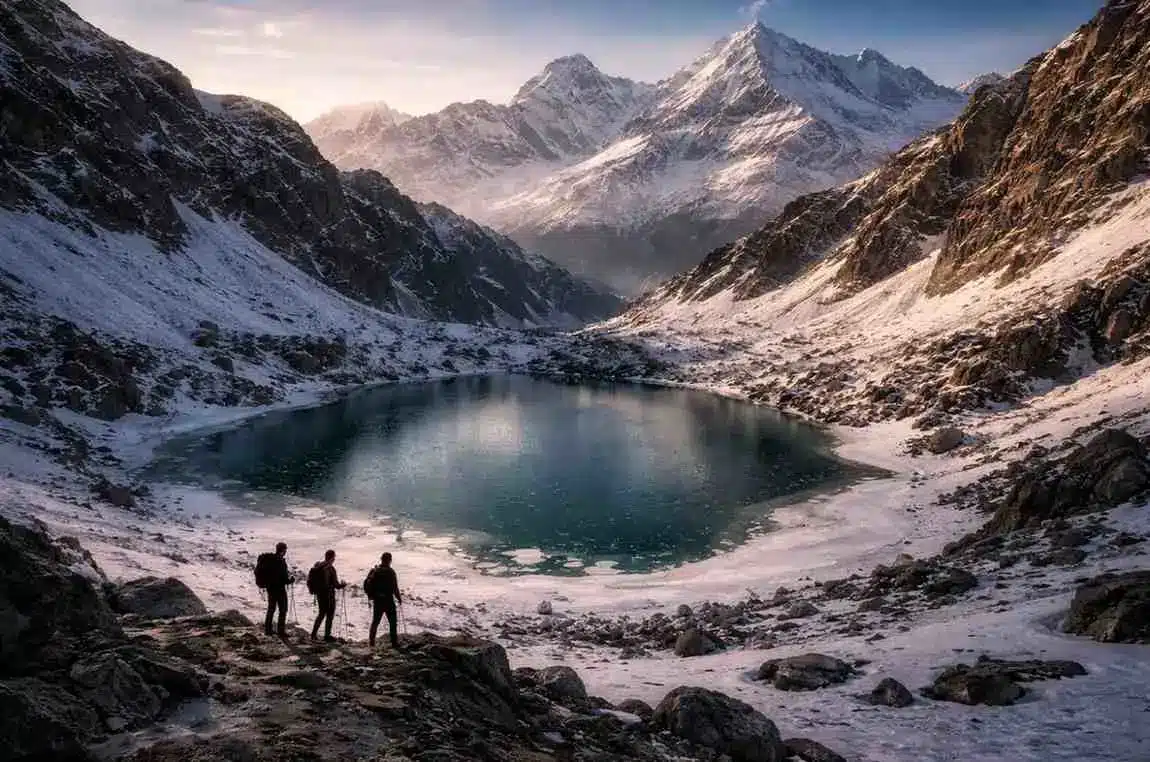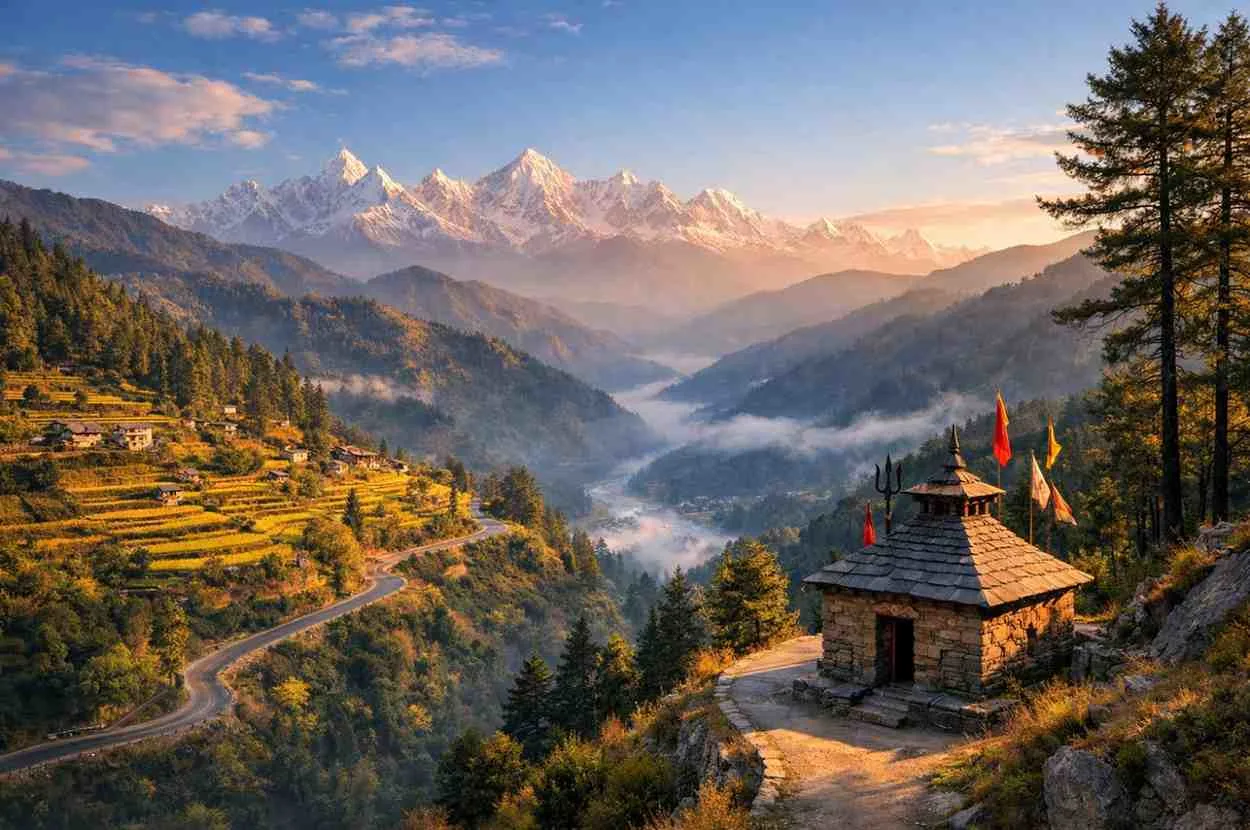
Sissu is a beautiful village in Himachal Pradesh located in the Lahaul Valley, near the Atal Tunnel on the Manali–Leh highway. Known for snow-covered mountains, waterfalls, and peaceful surroundings, Sissu is a popular destination for nature lovers and road-trip travelers.
Where Is Sissu Located?
● Sissu is located in the Lahaul & Spiti district, Himachal Pradesh: You’ll find Sissu (also known locally as Khwaling) in the heart of Lahaul Valley, a high-mountain cold-desert region famed for big skies and rugged, photogenic landscapes. It lies along the Manali–Leh corridor, making it a natural pause point for people heading deeper into Lahaul, Zanskar, and Ladakh.
● Situated on the banks of the Chandra River: The village spreads across the right bank of the milky-blue Chandra River, whose braided channels and pebble shores create postcard scenes at sunrise and sunset.
● Around 40 km from Manali: Thanks to the Atal Tunnel (North Portal at Dhundi/Keylong side), Sissu is now roughly 40 km from Manali by road, an easy and spectacular drive that lets you hop from green Kullu Valley to stark Lahaul in under an hour on good days.
● Easily accessible via Atal Tunnel: Since the 9.02-km Atal Tunnel opened, Sissu has become the first major “wow” stop for travelers emerging into Lahaul. The tunnel dramatically reduces travel time and weather dependency—making short trips to Sissu viable from Manali most of the year (conditions permitting).
Why Is Sissu Famous?
Key Reasons:
● Stunning Himalayan landscapes: Sissu is where Lahaul reveals its signature palette—jagged rock faces, braided rivers, and snow fields on the horizon. In summer, the valley grows patches of green; in winter, it’s a pristine snowscape.
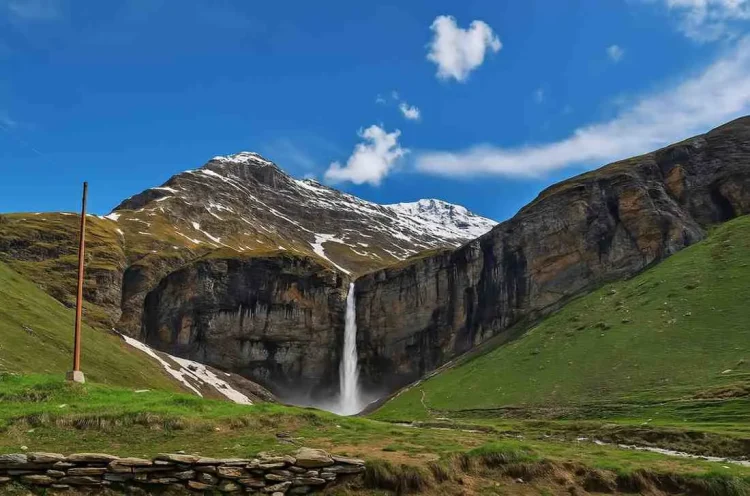
● Famous Sissu Waterfall: The tall, ribbon-like Sissu (or Sissu Falls) cascades down a dark cliff opposite the village and glows at golden hour. It’s one of the region’s most photographed natural sights and a favorite roadside stop.
● Snowfall in the winter season: With the arrival of winter, Sissu often receives reliable snowfall, turning the area into a white playground for families and first-time snow hunters coming from Manali. Travel advisories still apply in heavy snow spells.
● Gateway village after Atal Tunnel: Emerging from the North Portal, Sissu is the first key settlement—perfect for a meal stop, short walk, or an overnight that’s quieter and more authentic than busy Manali.
● Peaceful alternative to crowded Manali: If you love the mountains but want fewer crowds and more big-sky scenery, Sissu is a natural choice.

Best Time to Visit Sissu, Himachal Pradesh
1. Summer (May to June)
● Pleasant weather: Days are cool to mildly warm; nights need a fleece or light down jacket. Meadows and poplar rows add a touch of green to Lahaul’s austere beauty.
● Ideal for sightseeing & photography: Clear skies, good road access, and comfortable temperatures make this the sweet spot for casual travelers, bikers, and photographers.
2. Monsoon (July to September)
● Lush greenery: Lahaul is drier than Kullu, but the monsoon still deepens the greens and swells the Chandra River.
● Risk of landslides: Rain-related slips and temporary blockages can happen. Keep one buffer day, follow local advisories, and start drives early.
3. Winter (October to March)
● Heavy snowfall: The area can transform into a snow-blanketed playground—perfect for those eager for a first snow experience.
● Best for snow lovers: Expect snow tubing, playful snow walks, and magical white views when conditions allow.
● Road conditions depend on weather: Even with the Atal Tunnel, authorities often implement traffic controls or temporary closures on stormy days—plan flexibly and check the latest advisories.
Top Places to Visit in Sissu
1. Sissu Waterfall
● One of the most scenic waterfalls in Lahaul Valley: With an approximate drop of around 50 meters, Sissu Falls is visible from many points around the village; a short walk or viewpoint stop gets you the classic angle across the river. During peak melt (late spring to early monsoon), the flow is thunderous.
Photography tip: Go early morning or late afternoon for soft light. Include the river or prayer flags in the foreground to convey scale.
2. Sissu Lake
● Calm lake with mountain reflections: A small, tranquil waterbody near Sissu adds to the village’s charm—on still days, you’ll see mirror-like reflections of surrounding peaks. The lake lies near the highway and is an easy stop for families.
Good to know: After fresh snowfall, access can be restricted; always respect barricades and keep off unsafe ice.
3. Raja Ghepan Temple
● Important local religious site: Lord Gyephang (often spelled Ghepan) is Lahaul’s presiding deity. The Raja Ghepan Temple at Sissu holds deep cultural importance, though the shrine may not always be open to visitors; a ceremonial procession is organized every few years. Travelers should treat the site with respect and follow local guidance.
4. Viewpoints Near Atal Tunnel
● Perfect for photos and short stops: As you exit the Atal Tunnel into Lahaul, a series of lay-bys and bends reveal sweeping views over Sissu, the Chandra River, and the surrounding amphitheater of peaks—ideal for safe, short stops when traffic permits.
How to Reach Sissu
1. By Road
● Manali → Atal Tunnel → Sissu: This is the most common route. From Manali, drive via Solang Valley to the South Portal, pass through Atal Tunnel, and descend to Sissu—about 40 km total with dramatic scenery as you cross into Lahaul. On clear days and steady traffic, many travelers report 45–90 minutes each way, but mountain conditions vary.
2. By Air
● Nearest airport: Bhuntar Airport (Kullu): From Bhuntar, it’s a road journey via Manali and the tunnel to reach Sissu. Flights only shorten the first leg; the mountain drive remains the real experience.
3. By Bus
● HRTC buses available from Manali (seasonal): Public buses and shared cabs operate with seasonal adjustments. Schedules can shift with weather; confirm timings in Manali or Kullu a day in advance.
Self-drive vs. shared transport: If you’re confident on Himalayan roads, self-drive is rewarding. Otherwise, hire a taxi in Manali or share a jeep to let local drivers handle the curves, tunnels, and winter conditions.
Weather & Temperature in Sissu
● Summer: 10°C – 20°C: Crisp mornings and evenings; powerful high-altitude sun in the daytime.
● Winter: −10°C to 5°C: Expect freezing nights and frequent snow spells; road conditions change quickly. Authorities occasionally restrict travel around Sissu and Koksar when snowfall is active.
● Snowfall common in winter months: Always check forecasts and traffic bulletins before setting out from Manali, and carry essential cold-weather gear even on short day trips.
Things to Do in Sissu
● Nature photography: Sissu’s variety—river braids, poplar rows, terraced fields, and big skies—makes it a mini-workshop for photographers.
● Snowfall experience: After early winter storms, the village becomes a perfect first-snow destination for families; expect playful snow activities (subject to local guidelines).
● Short hikes & village walks: Gentle rambles to river edges, fields, and vantage points are easy, scenic, and kid-friendly.
● Relaxing away from city crowds: Choose a homestay or cozy hotel and enjoy slow mornings, clear night skies, and local cuisine.
Is Sissu Worth Visiting?
Absolutely. Sissu, Himachal Pradesh is one of the most rewarding low-effort, high-scenery escapes near Manali. It’s ideal if you want:
● Less crowded Himalayan destination: Quieter than Manali’s main strip, yet accessible enough for a relaxed weekend.
● Scenic beauty near Manali: River views, a dramatic waterfall, and classic Lahaul vistas—all within a short drive from town.
● Snow experience without long travel: In the right conditions, you can leave Manali after breakfast and be building snowmen before lunch.
Travel Tips for Visiting Sissu
● Check weather before traveling: Look at fresh advisories for snowfall, wind, or maintenance closures around Atal Tunnel and Koksar—especially in winter and shoulder seasons.
● Carry warm clothes even in summer: At altitude, the sun can be warm but shadows and evenings are chilly. Layering (base + fleece/down + shell), a beanie, and gloves make a big difference.
● Fuel up before crossing Atal Tunnel: Fill your tank in Manali; services are limited in Lahaul and can shut early in winter.
● Limited hotels – plan stay in advance: Accommodation inventory is smaller than in Manali; book ahead for weekends and school holidays.
● Cash & connectivity: ATMs are sparse; carry cash. Mobile networks can be patchy—download offline maps.
● Altitude basics: Sissu sits ~3,100 m above sea level. Most travelers feel fine, but if you’re coming straight from sea level, keep activities light on day one, drink water, and avoid overexertion.
● Respect local culture and nature: Don’t litter along the river; avoid trampling fields. When visiting Raja Ghepan Temple, dress modestly and follow local instructions.
● Safety near water & ice: River currents are strong; keep a safe distance from fast-flowing channels and unstable winter ice.
● Consider travel insurance: Plans that cover winter disruptions and high-altitude evacuation are wise for mountain trips.
Also Read: Hikkim, Himachal Pradesh: Home to the World’s Highest Post Office
Sample Itineraries (Weekend & Extended)
1-Day Manali → Sissu Loop
● Morning: Depart Manali after breakfast; photo stops at Solang Valley and the Atal Tunnel South Portal.
● Late Morning: Exit the North Portal and pull over at designated viewpoints for your first look at Lahaul.
● Midday: Reach Sissu—visit Sissu Lake, stroll along the riverbank, and enjoy a hot lunch.
● Afternoon: View Sissu Waterfall from across the river; if conditions allow, walk to a safe viewpoint.
● Evening: Return to Manali before dark.
2D/1N Trip (Relaxed)
● Day 1: Manali → Sissu; check into a homestay; riverside walk and sunset at the waterfall viewpoint.
● Day 2: Early morning visit to Raja Ghepan Temple precincts (see from outside if closed). Have breakfast and drive back to Manali via stops at the tunnel viewpoints.
3D/2N (Explorers & Photographers)
● Day 1: Manali → Sissu; sunset photos along Chandra River.
● Day 2: Dawn shoot at the waterfall; easy walk through village lanes. Optional drive to Koksar or Gondhla for different perspectives.
● Day 3: Leisurely breakfast and return via Solang stops.
Where to Stay & Eat in Sissu
● Stays: Choose from small hotels and homestays offering heated rooms, thick blankets, and valley views. In winter, verify heating and hot-water arrangements in advance.
● Food: Expect homely North Indian fare with Himalayan twists—parathas, rajma-chawal, thukpa, momos, and endless chai. Ask hosts for local specialties and seasonal vegetables.
● Cafés & pit stops: A few roadside cafés near the highway serve quick meals; many close early in winter or during storms.
Responsible & Safe Travel in Sissu
● Leave no trace: Carry a trash bag in your car; pack out your waste.
● Stay off restricted areas: Respect any barricades near water, ice, or the tunnel.
● Cultural sensitivity: Sissu is a living community; ask before photographing people, and be mindful at religious sites like Raja Ghepan Temple.
● Be GLOF-aware: Sissu lies downstream of the Ghepan glacial lake. Authorities monitor it closely and have installed early-warning systems. This doesn’t mean you should avoid Sissu, but do heed official advisories during extreme weather.
Photography Tips (All Seasons)
● Golden hours rule: Early and late light flatters the waterfall and river.
● Include scale elements: Prayer flags, people, or poplar rows help convey the valley’s vastness.
● Winter compositions: Fresh snow smooths textures—look for leading lines along roads and rivers for striking minimal shots.
● Night sky: On clear, moonless nights, Lahaul’s skies can be dazzling—pack a tripod and shoot at safe, accessible spots near your stay.
Quick Costs & Practicalities (Indicative)
● Taxi from Manali (return): Varies by season, vehicle type, and weather. Ask a few operators in Manali for up-to-date quotes.
● Shared jeeps/buses: Budget-friendly but seasonal; confirm departure times locally the day before.
● Meals: Roadside dhabas and homestays are affordable; winter pricing may be slightly higher due to supply logistics.
● Fuel: Top up in Manali; do not rely on last-minute pumps in winter.
The Ultimate Sissu Packing List
● Clothing: Thermal base layers, fleece or light down jacket, waterproof/windproof shell, warm hat and gloves, quick-dry layers, thick socks.
● Footwear: Sturdy shoes with good grip; waterproof boots for winter.
● Essentials: Sunscreen (SPF 50+), UV sunglasses, lip balm, personal meds, reusable water bottle, hand warmers (winter), and a compact first-aid kit.
● Electronics: Power bank, car charger, flashlight/headlamp for dark winter evenings.
● Documents & cash: A government-issued ID and sufficient cash; ATMs and card acceptance are limited.
Sissu Trip Etiquette & Local Insights
● Temple conduct: At Raja Ghepan Temple, dress modestly, keep voices low, and follow local norms. Some ceremonies are community-only—observe respectfully from a distance.
● Homestay manners: Remove shoes indoors when requested, accept tea when offered, and ask before photographing interiors or kitchens.
● Sustainable choices: Bring a refillable bottle and say no to single-use plastic. Keep riverbanks clean and avoid off-trail driving that damages fragile soils.
Beyond Sissu: Easy Add-Ons
● Koksar: A short drive north; great for snowy views and tea stops in winter.
● Gondhla: Westward along the highway—its fort and old houses offer a look at Lahaul’s architectural heritage.
● Keylong & Jispa (longer run): If the road is open and you have time, continue to Keylong and Jispa for wide valley scenes and pleasant riverside stays (check winter advisories first).
Final Thoughts
Sissu, Himachal Pradesh, is a near-perfect blend of accessibility and authenticity. The Atal Tunnel now brings Lahaul’s drama within easy reach of Manali, yet Sissu retains its quiet rhythm—fields flanking the Chandra River, poplars swaying in the breeze, and a waterfall that steals every gaze. Whether you want a relaxed family day trip, a snowy weekend, or a photographer’s base with dawn-to-dusk vistas, Sissu delivers—without the stress of marathon drives.
Travel gently, follow local advisories, and let the valley set your pace. When you’re sipping hot chai, watching the evening light turn the waterfall bronze, you’ll understand why so many travelers return to Sissu again and again.
FAQ: Frequently Asked Questions About Sissu
Sissu sits in the Lahaul & Spiti district on the right bank of the Chandra River, roughly 40 km from Manali on the Manali–Leh highway. It’s easily reached via the Atal Tunnel.
Often, yes—especially compared to pre-tunnel days—but access still depends on the weather. Authorities may temporarily restrict movement around the tunnel, Koksar, or Darcha zones during heavy snowfall. Always check current advisories before departure.
Around 40 km, typically 45–90 minutes in normal conditions. Travel time varies with traffic, road works, and snowfall.
Sissu is known for spectacular Lahaul scenery, the Sissu Waterfall, easy access via the Atal Tunnel, winter snow experiences, and the culturally important Raja Ghepan Temple.
Yes—during the winter months when conditions permit. Local authorities sometimes implement controls for safety; plan flexibly and dress for sub-zero temperatures.