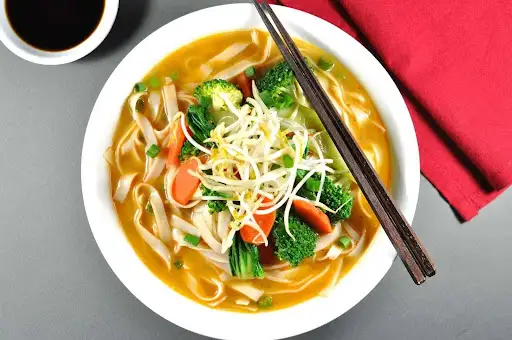
Thukpa is a traditional noodle soup widely enjoyed in the cold regions of the Himalayas, especially in Spiti Valley. It is made with noodles, vegetables, and sometimes meat, all simmered in a flavorful broth.
Thukpa is a nutritious Himalayan soup that provides warmth and energy, making it a staple food in high-altitude regions like Spiti Valley.
Origin and Cultural Significance of Thukpa
Thukpa has deep roots in Tibetan and Himalayan cuisine and is an essential part of daily life in cold mountain regions.
- Originates from Tibetan culinary traditions
- Popular across the Spiti Valley and Ladakh
- A staple dish that helps people cope with harsh climates
It is more than food—it’s a source of comfort and survival in extreme weather.
Ingredients Used in Thukpa
The ingredients of Thukpa are simple yet nourishing:
- Noodles
- Vegetables like carrots, cabbage, and onions
- Meat (optional – chicken or mutton)
- Garlic, ginger, and local spices
These ingredients combine to create a wholesome and hearty meal.
How Thukpa is Made (Step-by-Step Recipe)
Step 1: Preparing the Broth
A rich broth is prepared using garlic, ginger, and spices simmered in water or stock.
Step 2: Cooking the Vegetables
Fresh vegetables are added and cooked until tender.
Step 3: Adding Noodles
Noodles are added to the broth and cooked until soft.
Step 4: Final Seasoning
Salt, herbs, and optional meat are added to enhance the flavor before serving hot.
Types of Thukpa
Thukpa comes in various forms depending on ingredients:
- Vegetarian Thukpa
- Chicken Thukpa
- Mutton Thukpa
Each variation offers a unique taste while retaining the essence of the dish.
Why Thukpa is Ideal for the Himalayan Climate
Thukpa is perfectly suited for the harsh Himalayan environment:
- Helps keep the body warm
- Provides high energy and nourishment
- Easy to digest even at high altitudes
It is a practical and comforting meal for locals and travelers alike.
Also Read: Bhakra Dam: The Project That Reshaped Modern Himachal
Taste and Flavor Profile
Thukpa offers a comforting and satisfying taste:
- Warm and soothing
- Mildly spicy and savory
- Rich, flavorful broth
Its simplicity is what makes it so enjoyable and widely loved.
Where to Try Thukpa in Spiti Valley
If you want an authentic experience:
- Visit local cafes in Spiti Valley
- Try homestays and traditional kitchens
- Explore monastery areas and local markets
These places serve some of the most authentic and heartwarming bowls of Thukpa.
Nutritional Value of Thukpa
Thukpa is both delicious and nutritious:
- Provides carbohydrates from noodles
- Protein from vegetables and optional meat
- Rich in vitamins and minerals
- Hydrating and filling
It’s an ideal meal for high-altitude living.
Interesting Facts About Thukpa
- Originated from Tibetan cuisine
- Popular across multiple Himalayan regions
- Highly customizable with local ingredients
Its adaptability makes it a versatile dish across cultures.
Thukpa in Modern Times
Today, Thukpa has gained popularity beyond the mountains:
- Loved by tourists visiting the Himalayan regions
- Available in cafes across hill stations
- Modern fusion versions are emerging in restaurants
Despite its evolution, it remains rooted in tradition.
Conclusion
Thukpa is more than just a soup—it is a symbol of Himalayan resilience and culture. In the cold and rugged environment of Spiti Valley, this warm and nourishing dish continues to provide comfort, energy, and a taste of tradition to both locals and travelers.
FAQ
Thukpa is a traditional Himalayan noodle soup made with vegetables, broth, and sometimes meat.
It is popular in Spiti Valley, Ladakh, and other Himalayan regions influenced by Tibetan cuisine.
Yes, Thukpa can be vegetarian or non-vegetarian depending on the ingredients used.
Thukpa provides warmth, nutrition, and energy, making it essential for survival in the cold climate of Spiti Valley.