Why Visit Pithoragarh?
1. Natural beauty and Himalayan landscapes
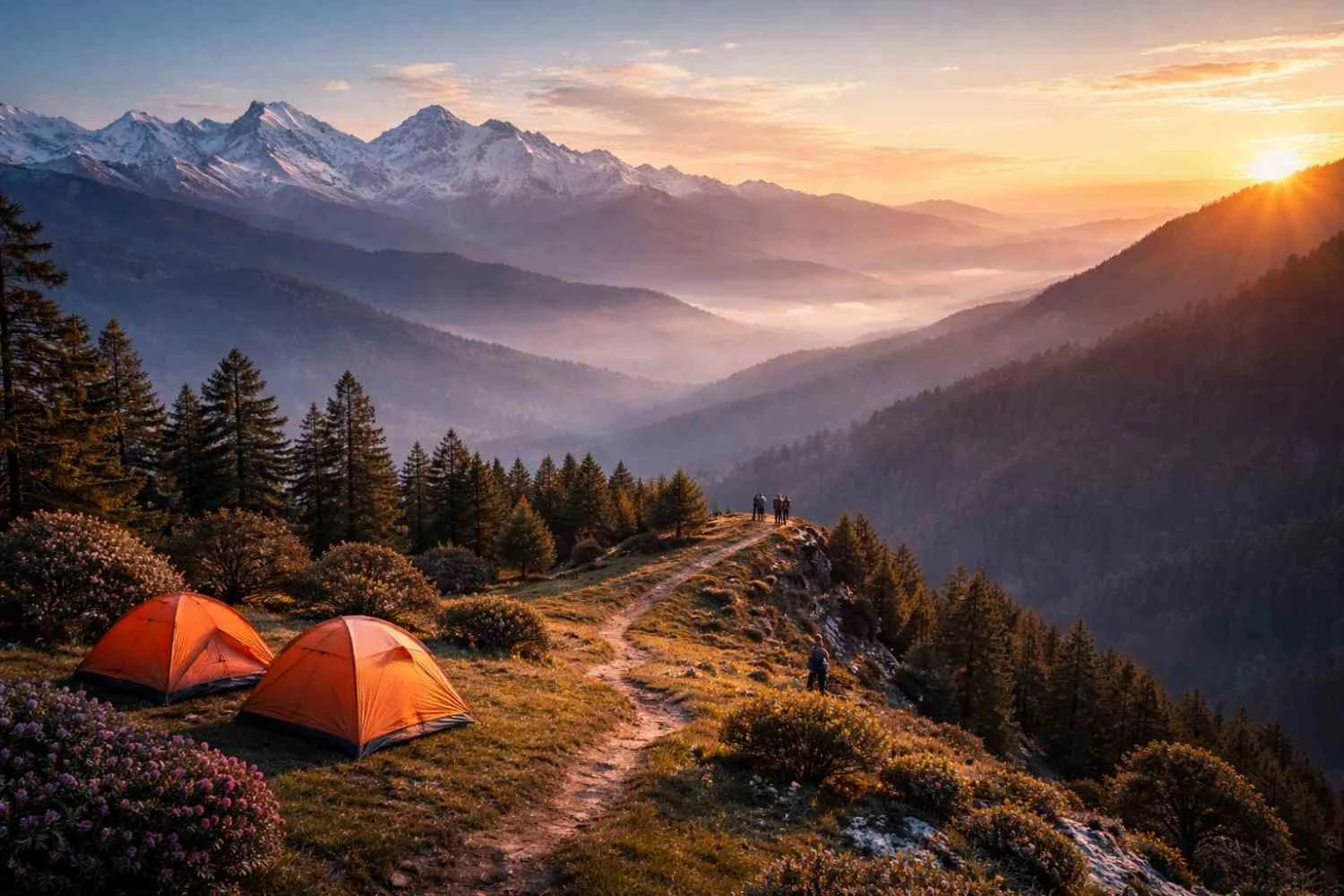
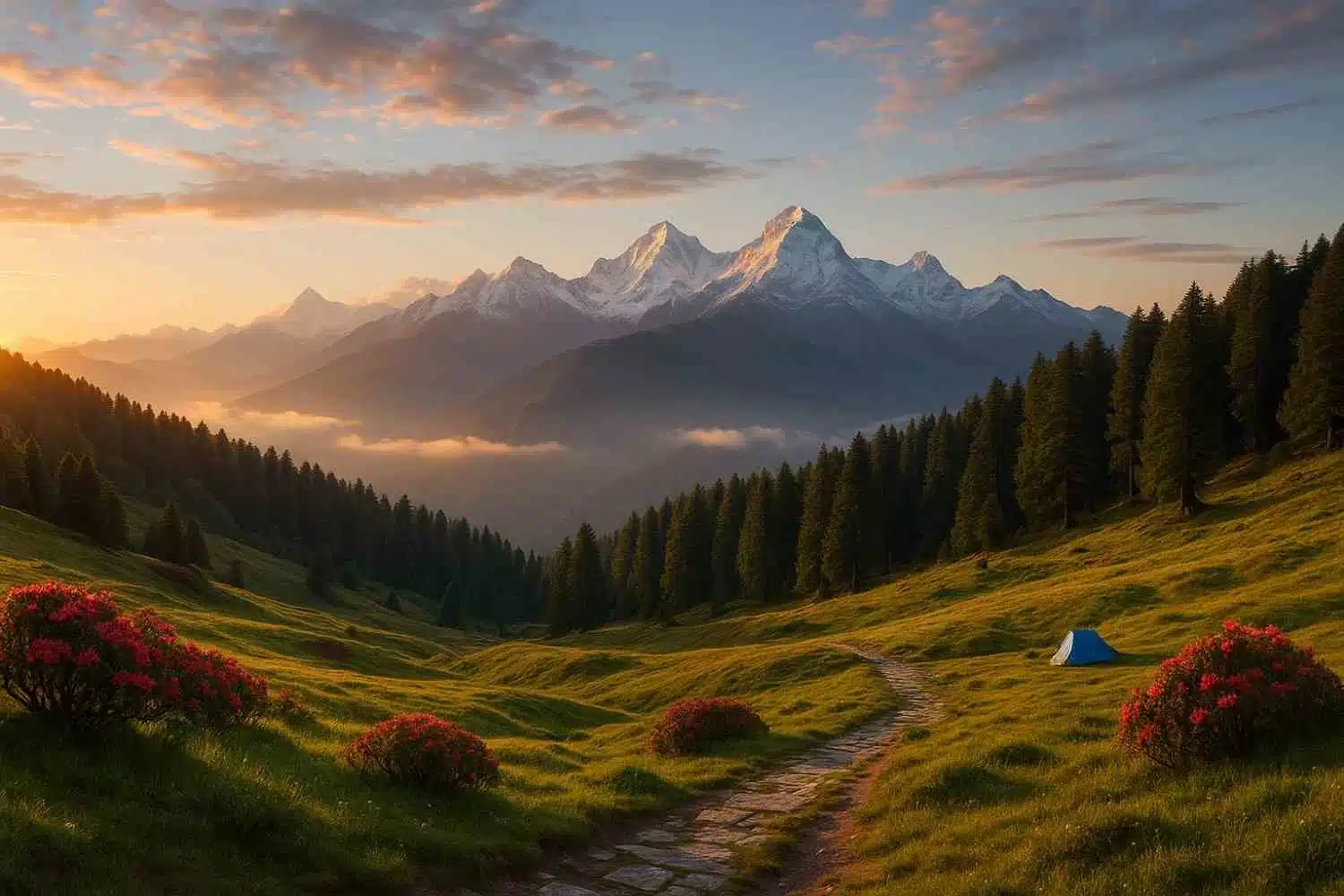
Pithoragarh district is a tapestry of terraced fields, whispering deodars, apple orchards, and river valleys carved by the Kali (Sharda) and Gori rivers. On clear days, the skyline reveals serrated walls of ice—Panchachuli, Nanda Devi East, Trishul, and other Kumaoni giants.
2. Religious and cultural significance
From cave shrines like Kapileshwar Mahadev to riverside fairs like Jauljibi Mela, Pithoragarh has a living culture. The region’s Kumaoni traditions—folk songs, festivals, wooden architecture, and local deities—create a deeply rooted spiritual atmosphere.
3. Trekking and adventure opportunities
The area is a launchpad for treks—Munsiyari trails, Milam and Ralam glacier routes (for experienced trekkers), and serene day hikes around Chandak Hills. Paragliding and short hikes are possible seasonally, while rivers and forests invite birding and nature walks.
4. Less crowded hill destination
Compared to mass-tourism hubs, Pithoragarh stays relaxed and authentic. You’ll find unhurried bazaars, friendly homestays, and the kind of silence that makes the wind and temple bells sound like music.
Best Time to Visit Pithoragarh
1. Best months for sightseeing
October to April is ideal for crisp air and clear Himalayan views. March–April brings blossoms and light warmth; October–November offers post-monsoon clarity with golden fields.
2. Summer vs winter experience
Summer (April–June): Pleasant days for Pithoragarh sightseeing, Chandak sunsets, and excursions to Dharchula and Jhulaghat.
Winter (December–February): Cold mornings and nights, but magical skies. High-altitude areas (like Munsiyari) can receive snowfall, making for dreamlike panoramas.
3. Monsoon travel considerations
July–September paints the hills in vivid greens, but intermittent heavy rain can trigger landslides or road delays. If traveling, then keep extra buffer time and follow local advisories.
4. Ideal season for trekking
April–June and October–November are the sweet spots—stable weather, clear trails, and comfortable temperatures for day hikes and longer treks near Munsiyari.
List of Top 12 Places to Visit in Pithoragarh
1. Pithoragarh Fort
Historical importance
Believed to date back to the Chand rulers (who significantly shaped Kumaon’s medieval history), Pithoragarh Fort stands as a quiet sentinel above the town. Though only remnants remain, the fort’s location speaks to strategic vantage points guarding old trade corridors.
Location and views
Perched on a hill, the fort area gifts sweeping views over the Soar Valley, step-farmed slopes, and clustered hamlets. It’s a classic place for orientation when you first arrive.
Best time to visit
Mornings and late afternoons (especially October–April) provide soft light and longer visibility. Carry water; the sun can be surprisingly strong even in winter.
2. Kapileshwar Mahadev Temple
Religious significance
This cave temple dedicated to Lord Shiva is one of Pithoragarh’s most revered shrines. The setting—inside a natural cavern—and the resonance of chants create a deep sense of devotion and calm.
Lord Shiva connection
Local belief holds that the sage Kapil meditated here, and the temple’s lingam manifests the area’s ancient Shaivite heritage. Pilgrims and travelers come both for blessings and for the mood of timelessness that cave shrines uniquely carry.
Ideal visiting time
Visit in the early morning or early evening aarti for a serene experience. Wear sturdy shoes; cave floors can be uneven and moist.
3. Askot Wildlife Sanctuary
Flora and fauna
Established to protect the endangered Musk Deer, Askot is a mosaic of alpine meadows, oak forests, and high ridges. Snow leopards are exceedingly elusive, but you may spot bharal (blue sheep), Himalayan tahr, monal pheasants, and a variety of butterflies and songbirds.
Nature and wildlife experience
This is a sanctuary for slow travel. Think soft treks, valley views, and the possibility of village stays. The sanctuary’s landscape shifts dramatically with seasons—rhododendrons in spring, silver grass and crisp skies in autumn.
Entry and timing overview
Check locally for current access rules, permits, and guide requirements. Best months: April–June and October–November. Avoid the monsoon for longer hikes due to slippery trails.
4. Chandak Hills
Scenic viewpoints
A short, winding drive from Pithoragarh town takes you to Chandak, a ridge system with stitched-together viewpoints. On a clear day, the snowy arc is jaw-dropping. It’s also a place for easy ambles through piney paths.
Sunset and nature photography
Golden hour here is special—terraced fields glow, and distant peaks blush pink. Photographers love the layered composition of ridgelines fading into the horizon.
Cable car/road access
Access is typically by road (local taxis are easily available). If any seasonal ropeway/cable projects operate or are in pilot stages, check locally for current status before planning your ride.
5. Dharchula
Indo–Nepal border town
Set on the banks of the Kali (Sharda) River, Dharchula straddles India and Nepal, with twin settlements facing each other across the water. The blend of cultures, languages, and markets is fascinating.
Kali River views
Riverside trails and bridges provide cinematic views of the emerald river surging through a steep valley. Even a stroll through the bazaar offers slices of borderland life—spices, woolens, and Nepali snacks.
Base for the Kailash Mansarovar route
Dharchula is an important staging point for the historical Kailash Mansarovar Yatra route (subject to government rules and seasonal conditions). If you’re drawn to high-altitude pilgrimage lore, the town’s energy is captivating.
6. Narayan Ashram
Spiritual retreat
Founded in the 1930s, Narayan Ashram sits in serene isolation in the upper reaches of the Kali valley. It’s a haven for meditation, study, and quiet service.
Peaceful environment
Stone paths, gardens, and a simple library foster contemplation. The setting—terraces looking into grand mountains—makes every cup of tea feel like a prayer.
Historical background
The ashram has long nurtured social work and spiritual education in the region. Staying here (if permitted) is a humbling experience—remember it’s a working ashram, not a typical hotel, so follow house discipline and respect silence.
7. Munsiyari
Himalayan peak views
Even though Munsiyari lies farther from Pithoragarh town (but within the same district), it’s a must in any list of best places to visit in Pithoragarh. The Panchachuli peaks—five majestic summits—tower above the valley like a stone crown.
Trekking hub
Munsiyari launches serious treks to Milam and Ralam glaciers, and gentler hikes to Khalia Top, Maheshwari Kund, and Darkot (famed for traditional weaves). Birders find joy in forests ringing with laughingthrushes and flycatchers.
Best season to visit
April–June and October–November for ideal skies and trail conditions. Winters can be snowy and magical, but check road status.
8. Thal Kedar
Religious importance
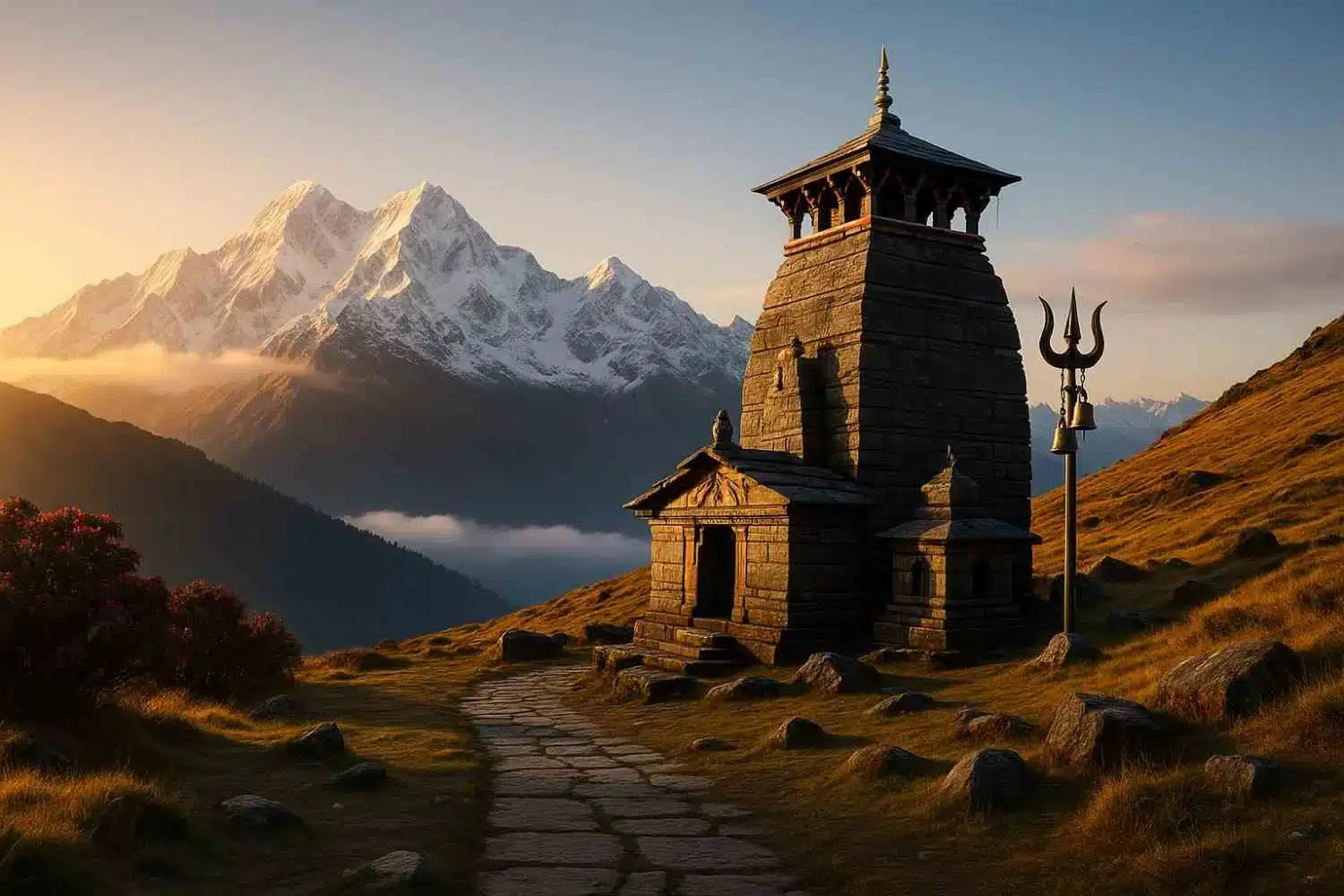
A highly revered Shiva shrine set amidst deodar forests, Thal Kedar is associated with local legends and penance traditions. The approach—thin mountain air, bells, prayer flags—sets a meditative tone.
Temple and local beliefs
Local communities consider it a seat of protective power. The temple’s simplicity adds to the charm; it’s the setting—forest light, mountain silence—that takes your breath away.
Annual fairs (if any)
Seasonal religious gatherings and fairs may occur—check locally for current dates. Attending one offers an intimate window into Kumaoni culture and devotional music.
9. Jhulaghat
India–Nepal border crossing
Jhulaghat is quite literally a “swing bridge” town linking India and Nepal across the Kali River. Watching daily life at the border—vendors, cyclists, schoolchildren—is endlessly absorbing.
Local markets
Browse for woolens, dry fruits, spices, and Nepali pickles. Street snacks and small cafés make casual wandering delicious.
Cultural experience
The mingling of greetings—“Namaste,” “Jai Kumaon,” and Nepali phrases—captures the region’s melting-pot ethos. It’s everyday culture without a stage: uncurated, authentic, welcoming.
10. Patal Bhuvaneshwar (Near Pithoragarh)
Cave temple significance
A dramatic limestone cave temple complex dedicated to Lord Shiva, Patal Bhuvaneshwar is a spiritual atlas in stone—stalactites and stalagmites are worshipped as divine forms.
Mythological importance
Local narratives say the cave houses manifestations linked to the 33 koti deities, with formations symbolically associated with gods, sages, and cosmic legends. Guides explain the iconography and safe pathways inside.
Visitor guidelines
Expect narrow passages, steep steps, and low ceilings. Wear grippy shoes, keep your hands free, and follow the guide’s instructions. Photography is often restricted inside—respect temple rules and other devotees’ space.
11. Jauljibi
River confluence
Jauljibi lies at the confluence of the Kali and Gori rivers—a dramatic meeting of jade-green waters flanked by bustling bazaars on both banks.
Famous Jauljibi Mela
The annual Jauljibi Mela draws traders and visitors from nearby valleys and Nepal. Woolens, spices, copperware, yaks and mules (traditionally), and cultural performances turn the riverfront into a fairground of colors and aromas.
Best time to visit
Time your trip with the mela season for maximum buzz, or visit in shoulder months (Oct–Nov and Mar–Apr) for softer light and calmer markets.
12. Madkot Hot Water Springs
Natural hot springs
Near Munsiyari, Madkot is known for geothermal springs bubbling out of riverbanks. A soak here, with mountains looming above, is pure therapy after long drives or hikes.
Relaxation and health beliefs
Local belief credits the waters with benefits for skin and joint aches. Even if you’re just there for a foot dip, the warmth and the sound of the river are deeply relaxing.
Seasonal accessibility
Access depends on road conditions—best in Apr–Jun and Oct–Nov. In peak winter, confirm local updates, as mornings can be icy.
How to Reach Pithoragarh
1. By air
Naini Saini Airport (Pithoragarh Airport) serves the town with limited/regional connectivity that can vary by season and airline operations. Many travelers fly to Pantnagar (PGH) or even Bareilly and continue by road. Always check the latest schedules before planning.
2. By train
The nearest major railheads are Tanakpur (for lower Kumaon) and Kathgodam (gateway to the Nainital belt). From either station, taxis and state-run buses connect to Pithoragarh via scenic mountain roads.
3. By road
Road-tripping is the classic way in. Popular approaches:
● Delhi → Haldwani/Kathgodam → Almora → Pithoragarh
● Bareilly → Khatima → Tanakpur → Champawat → Pithoragarh
Mountain roads are winding; plan frequent tea breaks, start early, and avoid driving at night.
Also Read: Nag Tibba Trek – Complete Guide, Distance, Difficulty & Best Time to Visit
Travel Tips for First-Time Visitors
1. Clothing recommendations
Carry layers—a light fleece even in summer evenings, a warm jacket for winter, and a rain shell in the monsoon. Good walking shoes are essential for temple steps and village paths.
2. Road conditions
Himalayan roads can be narrow and occasionally under maintenance. In the monsoon, expect slips or temporary blocks. Keep buffer time and a power bank; inform your host if you’ll arrive late.
3. Altitude tips
Pithoragarh town itself isn’t extremely high, but excursions (especially Munsiyari and nearby passes) reach higher altitudes. Hydrate well, avoid overexertion on day one, and listen to your body.
4. Local transport info
Local taxis, shared jeeps, and buses ply main routes. For Askot or remote villages, arranging a taxi or guide through your homestay often works best. Cash is handy in small bazaars; network coverage can be patchy outside town.
Why Pithoragarh Is a Hidden Gem in Uttarakhand
1. Less commercial tourism
You won’t find neon strips and loud arcades here. Pithoragarh, Uttarakhand tourism is intimate—think homestays, small cafés, and sunlit porches where conversations with hosts become trip highlights.
2. Cultural richness
From Kumaoni cuisine (bhaang ki chutney, aloo ke gutke, bhatt ki churkani, mandua rotis) to fairs like Jauljibi, the district’s living culture is as much a draw as its landscape.
3. Ideal for nature lovers
Bird calls at dawn, terraced fields shimmering after rain, and starlit nights far from city glare—Pithoragarh sightseeing is essentially nature therapy.
4. Peaceful travel experience
If your dream is to read by a window while clouds fold around cedar tops, to walk quiet ridgelines, or to sip chai while watching sunset glow on Panchachuli—welcome to Pithoragarh.
Final Word
If you’ve been searching for the best places to visit in Pithoragarh that balance big-mountain drama with small-town warmth, this district will steal your heart. From Pithoragarh Fort to Chandak sunsets, from Kapileshwar’s cave hush to Jauljibi’s festive swirl, from Askot’s wild ridges to Munsiyari’s glacier-bound trails—Pithoragarh is the Kumaon you’ll dream about long after you’ve returned home. Pack layers, leave room for serendipity, and let the mountains set your pace.
FAQ: Places to Visit in Pithoragarh
The top 12 include: Pithoragarh Fort, Kapileshwar Mahadev, Askot Wildlife Sanctuary, Chandak Hills, Dharchula, Narayan Ashram, Munsiyari, Thal Kedar, Jhulaghat, Patal Bhuvaneshwar (nearby), Jauljibi, and Madkot Hot Springs.
For Himalayan vistas, temples and cave shrines, wildlife and forests, and a borderland culture where India and Nepal exchange traditions, food, and festivals.
October–April for crisp views and pleasant weather; April–June for summer holidays; October–November for post-monsoon clarity. Monsoon (July–September) is lush, but travel can be slower.
A compact trip is 3–4 days (Fort, Kapileshwar, Chandak, Askot/Jhulaghat). For Munsiyari and further excursions, plan 6–8 days.
Generally yes. It’s a friendly district with community-centered hospitality. Exercise standard hill-travel caution—avoid night driving, check the weather, and respect local customs.
Khalia Top (near Munsiyari) for a rewarding day hike, plus longer expeditions to Milam or Ralam glaciers for experienced trekkers (with guides and proper permits). Around Pithoragarh town, Chandak Hills offer gentler hikes.
Drive via Haldwani–Almora or Tanakpur–Champawat, or take a train to Kathgodam/Tanakpur and continue by road. Limited regional flights may operate to Naini Saini—check current schedules.
Absolutely. It’s one of the most spectacular viewpoints of the Panchachuli peaks and a base for treks. If your itinerary allows, it’s unmissable.
Yes—Kapileshwar Mahadev, Thal Kedar, and the cave complex of Patal Bhuvaneshwar (nearby) are key spiritual sites, alongside many village temples.
Narayan Ashram for contemplative stays, Jhulaghat for border culture, hamlets around Askot for village life, and Madkot for natural hot springs.
Yes, with warm layers. Town areas remain accessible; higher locales like Munsiyari may witness snow, beautiful, but keep track of road updates.
Taste aloo ke gutke, bhatt ki churkani, jholi, madua (ragi) roti, bhang ki chutney, sipaj, and seasonal bal mithai/singori desserts from the Kumaon belt.