
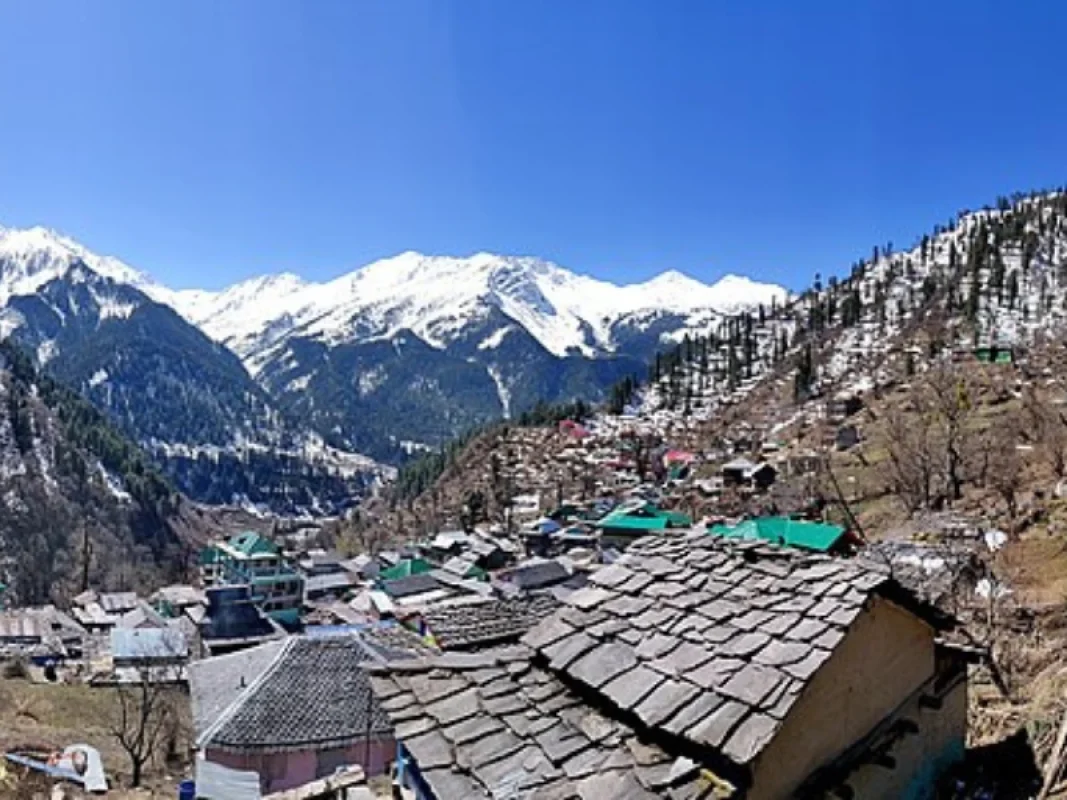
Tosh Village: A Peaceful Himalayan Retreat in Parvati Valley
Tosh Village is a serene Himalayan hamlet perched above Parvati Valley in Himachal Pradesh, loved for pine-fringed slopes, apple orchards, wooden homes, and mountain panoramas. Quieter than Kasol and close to iconic trek...
Tosh Village is a serene Himalayan hamlet perched above Parvati Valley in Himachal Pradesh, loved for pine-fringed slopes, apple orchards, wooden homes, and mountain panoramas. Quieter than Kasol and close to iconic trekking routes, Tosh is a wonderful escape for nature lovers, backpackers, and slow travelers looking to unplug.
What This Guide Covers
● Location & overview of Tosh Village
● Why Tosh is popular among travelers
● Best time to visit the village
● Top things to do in and around Tosh
● Trekking routes and nearby attractions
● How to reach Tosh Village
● Stay options and café culture
About Tosh Village (Location + Quick Facts)
Tosh sits at approximately 7,900 ft (≈2,400 m) on the right bank of the Tosh River, a tributary of the Parvati River. It lies upstream of Barshaini, a small junction that also serves treks to Kheerganga and Kalga–Pulga. The last stretch to Tosh is a steep, scenic road (and sometimes a short walk, depending on drop-off points and snow conditions).
● State/Region: Himachal Pradesh, India — Upper Parvati Valley
● Nearest hub towns: Kasol (popular base), Manikaran (pilgrimage town)
● Altitude: ~7,900 ft
● Signature vibe: Traditional wood-and-stone houses, peaceful orchards, immense valley views
● Why go: Crowd-light mountain air, entry point to several treks, and a relaxed café scene
● Ideal visitors: Backpackers, couples, nature photographers, slow travelers, beginner trekkers
Tosh blends old-world Himachali rhythm—wooden balconies, slate roofs, village temples—with modern traveler comforts like simple homestays and view cafés. It’s the quieter edge of a valley that has seen a lot of attention, making it a good bet when you want Kasol-like scenery without Kasol-like crowds.
Why Tosh Village Is a Peaceful Himalayan Retreat
1. Untouched Natural Beauty
From the first bend in the road above Barshaini, Tosh begins to reveal what makes it special. Snow-capped ridgelines shoulder the horizon in winter and early spring, pine forests scent the air, and countless streams and waterfalls tumble noisily down to the Tosh River. Clear nights bring bright constellations and Milky Way views that city dwellers rarely see—star-gazing here is a ritual.
2. Calm & Crowd-Free Environment
Compared to Kasol, Tosh remains less commercial and more contemplative. You’ll still find cafés and traveler comforts, but the pace is slower; there are fewer vehicles, more footpaths, and many spots to simply sit and watch the light change across the valley. It’s excellent for a digital detox, journaling, reading, or easing into the trekking life without pressure.
3. Beautiful Village Culture
Tosh is a working mountain village. People tend apple orchards, stack wood for winter, and maintain traditional wooden homes that hold heat and charm. You’ll feel the Himachali hospitality in small gestures—hot chai offered at a chilly viewpoint, fresh parathas at sunrise, directions patiently explained even when there’s no cell service to lean on. Move gently, greet locally, and you’ll fit right in.

Best Time to Visit Tosh
1. March–June (Spring to Early Summer):
Pleasant daytime temperatures, clear mornings, rhododendrons and wildflowers around the upper slopes, and great trekking conditions.
2. October–February (Autumn to Winter):
Crisp skies, chance of snowfall (especially mid/late winter), magical white landscapes. Roads can be slippery; pack warm layers and check local conditions.
3. Monsoon (July–September):
The valley turns an electric green, rivers surge, waterfalls roar—but trails get muddy and slippery. Leech presence can increase in dense foliage, and landslides occasionally disrupt roads. If you love rain-draped mountains and travel flexibly, it can still be rewarding; otherwise, avoid.
Things to Do in Tosh Village
1. Trekking & Nature Walks
Tosh is a trailhead or convenient base for several scenic walks:
● Kheerganga Trek: One of Parvati Valley’s most beloved forest hikes. Famous for its meadow views and hot springs near the top. From Tosh, you typically get dropped/picked up at Barshaini and start the trail via Nakthan or Kalga–Pulga sides.
● Kutla Village Trek: A gentler, short half-day to day hike from Tosh. The trail threads through deodar and pine, with waterfalls and a laid-back village at the end. Kutla has a few basic cafés and homestays; great for a quiet lunch or overnight.
● Kalga–Pulga Route: Across the valley from Tosh, these twin hamlets are connected by wooded trails and small bridges. Many travelers do a Kalga–Pulga–Tulga loop or a Kalga–Kheerganga extension.
● Valley Meanderings: Even within Tosh, simply walking above the main village—toward fields, orchards, or upper homes—feels like a nature walk, with ever-widening valley views.
Trekking tip for beginners: Wear proper trekking shoes, carry water and snacks, and start early in the day. Mountain weather moves quickly—mornings are your friend.
2. Explore Local Cafés
Tosh has a casual café scene with mountain-view terraces, warm stoves in winter, and menus that blend Israeli staples, Tibetan dishes, north Indian mains, and organic/simple meals like porridge, soups, and sandwiches. Don’t expect luxury dining; expect the joy of eating hot momos while clouds roll up the valley or sipping ginger-lemon tea under a shawl.
3. Waterfalls & Viewpoints
● Kasol Viewpoint (as locally referenced): On clear days, you can find vantage points around Tosh where you’ll see deep into the valley toward Kasol and beyond.
● Tosh River Banks: Follow footpaths down to the water. In summer, it’s a lovely spot to lounge, read, or photograph.
● Kutla Waterfalls: On the way to or around Kutla, small cascades spill across rocks. After the monsoon, they’re the most lively—mind your footing.
4. Photography & Camping
● Sunset Points: Upper Tosh offers glowing dusk light that sets peaks ablaze.
● Star-Gazing: High altitude plus minimal light pollution equals brilliant night skies—carry a tripod if you shoot astrophotography.
● Camping: Forest-side or meadow camping may be possible with permission and local guidance; rules change with season and conservation priorities. Many travelers instead stay in Tosh/Kutla and do day hikes.

How to Reach Tosh Village
● By Road (most common):
Travel to Bhuntar (on the Chandigarh–Manali highway), then proceed by bus or taxi to Kasol/Manikaran, onward to Barshaini, and finally to Tosh. The last stretch is a steep, narrow hill road. Some taxis drop you just short of the upper village, after which a short uphill walk brings you to most stays.
● Nearest Bus Stops: Bhuntar (for intercity buses) and Kasol/Barshaini (for local valley buses/shared cabs).
● Nearest Airport: Kullu–Manali (Bhuntar) Airport; flight schedules can be weather-dependent. From the airport, continue by road.
● Last 2 km: Depending on season and traffic, expect either a careful taxi ascent or a brief hike. In winter, snow on the last stretch may require walking.
Transport tip: If you’re not used to mountain roads, plan daylight arrivals. Roads are narrow, and the views are too beautiful not to enjoy in the sun.
Where to Stay in Tosh
1. Guesthouses
Budget-friendly rooms with basic amenities and wide valley views. Expect simple bedding, hot water (often heated locally), and mountain-facing balconies in many places. Ideal for couples and friends who want privacy without splurging.
2. Homestays
Staying with local families brings you home-cooked Himachali food, stories from the valley, and a taste of village life—from orchard rhythms to winter prep. Homestays are perfect if you value cultural immersion and are happy with no-frills comfort.
3. Backpacker Hostels
Hostels provide dorm beds, common rooms, bonfire spaces (subject to rules), and social activities. They’re great for solo travelers or anyone planning treks and seeking company for the trail.
Booking tip: In peak months (Apr–Jun, Oct), options fill fast. Pre-book or arrive early in the day to scout.
Also Read: Exploring the Wonders of the Great Himalayan National Park
Tips for Visiting Tosh
● Carry warm layers year-round; mountain weather is fickle.
● Network connectivity is limited; download maps and music offline.
● Carry cash; ATMs are sparse in the upper valley and may be out of cash.
● Wear trekking shoes with grip; trails can be slick after rain or snow.
● Respect local culture; dress modestly, ask before photographing people, and keep noise low near homes/temples.
● Pack light but smart: headlamp, power bank, reusable water bottle, basic medicines, and sun protection.
Sample 3–4 Day Itinerary
● Day 1: Arrive in Tosh via Barshaini; check in, sunset walk, hot dinner.
● Day 2: Kutla day hike; lunch in Kutla; return by evening; café-hop.
● Day 3: Transfer early to Barshaini; Kheerganga trek (day hike for the very fit or overnight for a gentler pace).
● Day 4 (if staying): Kalga–Pulga meander; back to Tosh/Kasol; depart.
Responsible Travel & Safety Notes
● Leave No Trace: Pack out all trash; avoid single-use plastics.
● Water: Refill at stays or treat stream water with filters/tablets.
● Dress & Behavior: Keep it modest and low-noise near homes and temples.
● Trail Sense: Mountain paths can change with the weather; if in doubt, hire a local guide.
● Weather Windows: Start hikes early; storms are more common in late afternoons.
● Health: Carry a basic first-aid kit, personal meds, and ORS. Inform your host of plans and return times.
Packing Checklist
● Clothing: Base layers, fleece/down mid-layer, waterproof shell, quick-dry pants, warm cap, sun cap, gloves, extra socks
● Footwear: Trekking shoes with grip
● Essentials: Water bottle, headlamp, power bank, sunscreen, sunglasses, lip balm, personal meds, small first-aid kit
● Extras: Reusable snack box, trekking pole (nice to have), camera/tripod, cash, ID, downloaded offline maps
Conclusion
Tosh Village wraps the best of Parvati Valley into one peaceful perch: mountain silence, apple orchards and wooden homes, river music, and trailheads that invite both beginners and seasoned hikers. Whether you’re coming for a weekend of café sunsets and starry skies or a week of slow travel with day hikes to Kutla and beyond, Tosh rewards you with the simple things—clean air, big views, and the steady rhythm of Himalayan village life. For travelers seeking nature, calm, and authentic mountain culture, Tosh is one of the valley’s most serene stops.
Frequently Asked Questions (FAQs)
In Parvati Valley, Himachal Pradesh, upstream of Barshaini, and a scenic drive from Kasol and Manikaran.
For its quiet vibe, classic wooden houses, apple orchards, great valley views, and proximity to popular treks like Kutla and Kheerganga—without the heavier crowds of Kasol.
March–June for pleasant hiking weather and flowers; October–February for crisp skies and chance of snowfall. Monsoon (July–September) is lush but slippery.
Take a local bus/shared cab from Kasol to Barshaini, then a taxi or a short uphill hike to Tosh. Many visitors switch to walking for the last stretch, especially when snow or traffic limits vehicle movement.
Yes. The Kutla hike is beginner-friendly, and you can access Kheerganga via Barshaini. Start early, wear proper shoes, and carry water.
Short hikes, riverbank walks, café-hopping, sunset photography, and day trips to nearby hamlets (Kalga–Pulga) or treks (Kheerganga, Kutla).
Generally, yes, provided you follow common-sense precautions: arrive in daylight, inform your stay about hikes, and avoid isolated trails late in the evening.
Yes—simple view cafés, guesthouses, homestays, and hostels. The scene is evolving; expect rustic charm over polished luxury.
2–3 days for Tosh and Kutla; 4–5 days if adding Kheerganga or time in Kalga–Pulga.
Possible in winter (Dec–Feb) and sometimes early spring. Conditions vary yearly; always check local updates.
Roughly 20–22 km by road, depending on route and seasonal diversions.
Yes—if your family enjoys mountains and can handle steep roads and short walks. Choose stays with easier access if traveling with seniors or young kids.
Kutla: great for beginners.
Kheerganga: doable for fit beginners—start from Barshaini and pace yourself.
Cool-to-pleasant spring/summer, rainy and very green in monsoon, cold with possible snow in winter. Nights are always chillier than days—pack layers.
ATMs are limited in the upper valley. Carry enough cash from Bhuntar/Kullu or earlier. Some stays accept UPI when the network cooperates—but don’t rely on it.
Expect a patchy, inconsistent network. Data speeds fluctuate; download maps and keep important info offline.
Guesthouses, homestays, and backpacker hostels—mostly budget to mid-range, with priceless views.
Yes, in general. Choose well-reviewed places, arrive by daylight, and share your plan with hosts.
Simple, hearty fare: parathas, rajma–chawal, thukpa, momos, maggi, pancakes, Israeli plates, and ginger-lemon-honey tea.
Camping may be possible in designated/private areas with permission. Many travelers opt for homestays/guesthouses and do day hikes.
Usually yes, but the last stretch is steep and narrow. In winter or bad weather, you may need to walk the final bit.
Short but uphill. Most average-fitness travelers manage it with 1–1.5 hours of steady walking, depending on starting point and pack weight.
Warm layers, waterproof jacket, trekking shoes, wool cap/gloves, sunscreen, sunglasses, reusable bottle, headlamp, power bank, basic medicines, and cash.
For Tosh village stays, permits aren’t typically required. For Kheerganga/forest areas, local regulations may apply (check at Barshaini/with hosts/guide). Always follow trail rules and pack out all waste.
The lineup changes over time. Aim for mountain-view terraces, ask locals/your host for current favorites, and look for places serving fresh Tibetan/Israeli plates and hot beverages. The charm is less about brand names and more about views and warmth.
3 nights is a sweet spot—arrive, unwind, Kutla day hike, and a free day for Kheerganga/Kalga–Pulga or pure lazing.
It gets busier in April–June and October, but generally remains quieter than Kasol. Book early during the holidays.
Only basic first aid is typical. For serious issues, you’ll likely need to descend to Kasol/Manikaran/Bhuntar. Carry personal meds and a small first-aid kit.
Yes—snow transforms the village. Expect cold nights, possible road closures/ice, and limited services. Prepare appropriately.
Absolutely. Patchy network, plenty of quiet nooks, and long walks—it’s tailor-made for logging off.
Yes. Many stays can arrange local guides for Kutla/Kheerganga or custom hikes. Guides add safety and local knowledge.
Kasol, Manikaran Sahib (hot springs and gurudwara), Kalga–Pulga, Kheerganga, and Rashol (via separate trail network).
It’s lush and beautiful, but trails/roads can be slippery and sometimes disrupted. Travel with flexible plans, good shoes, and weather awareness.
Some stays are pet-friendly. Confirm in advance, carry pet essentials, and be mindful of stray dogs and wildlife.
Around 7,900 ft (≈2,400 m).
Policies vary by property and season. Ask your host, follow fire-safety rules, and avoid forest areas where fires are restricted.
Yes, but power cuts happen, and Wi-Fi can be slow/unreliable. Bring a power bank and plan for offline time.
A short, gradual ascent through forested sections with waterfalls and meadow clearings. Most beginners find it comfortable with breaks.
Typically, December to February—but snowfall timing varies yearly. Late Jan–Feb often sees good snow if the season is cold.
Tosh is quieter, higher, and more village-like. Kasol is a lively base with more cafés, shops, and services. If you want peace and views, Tosh wins; if you want amenities and bustle, Kasol does.
More from
Himalayas Digital
Top Places to Visit in Kashmir: 10 Best Tourist Destinations for 2026
Morjim Beach Goa: Things to Do, Best Time, How to Reach & Travel Guide 2026

Palolem Beach Goa: Things to Do, Best Time, How to Reach & Travel Guide 2026

Colva Beach Goa: Things to Do, Best Time, How to Reach & Travel Guide 2026