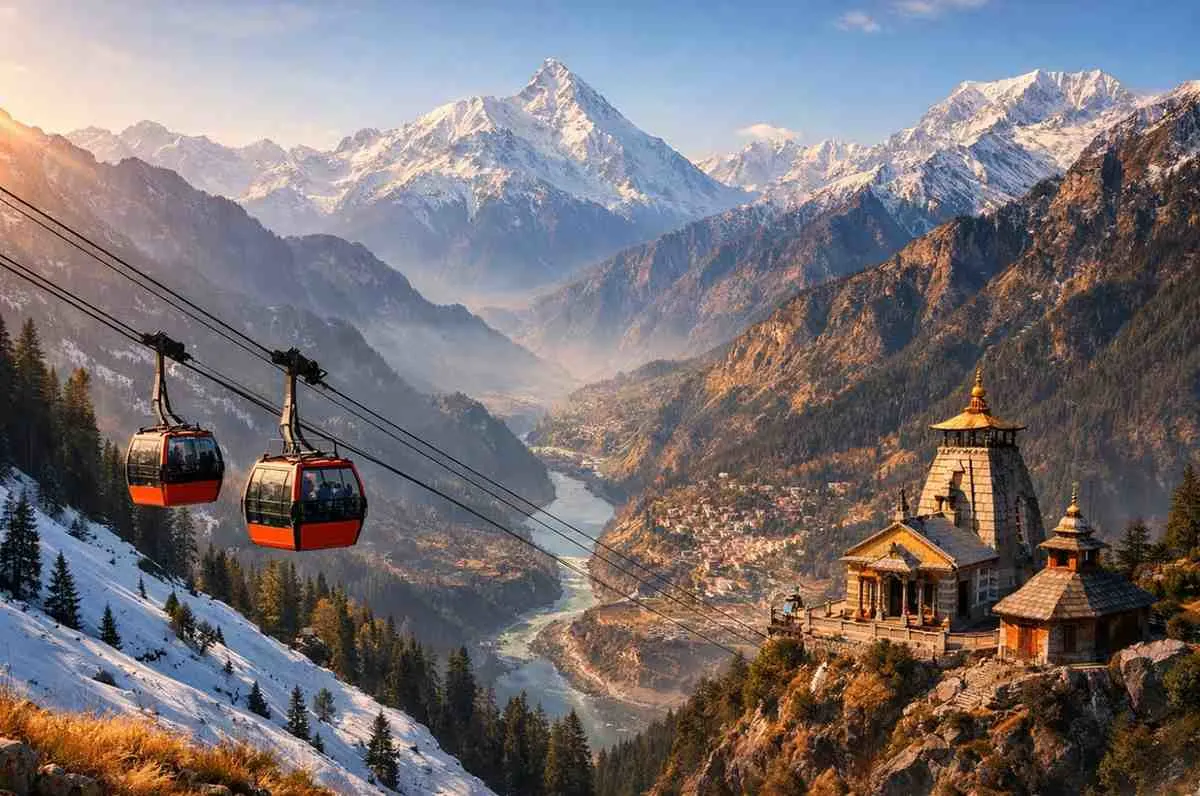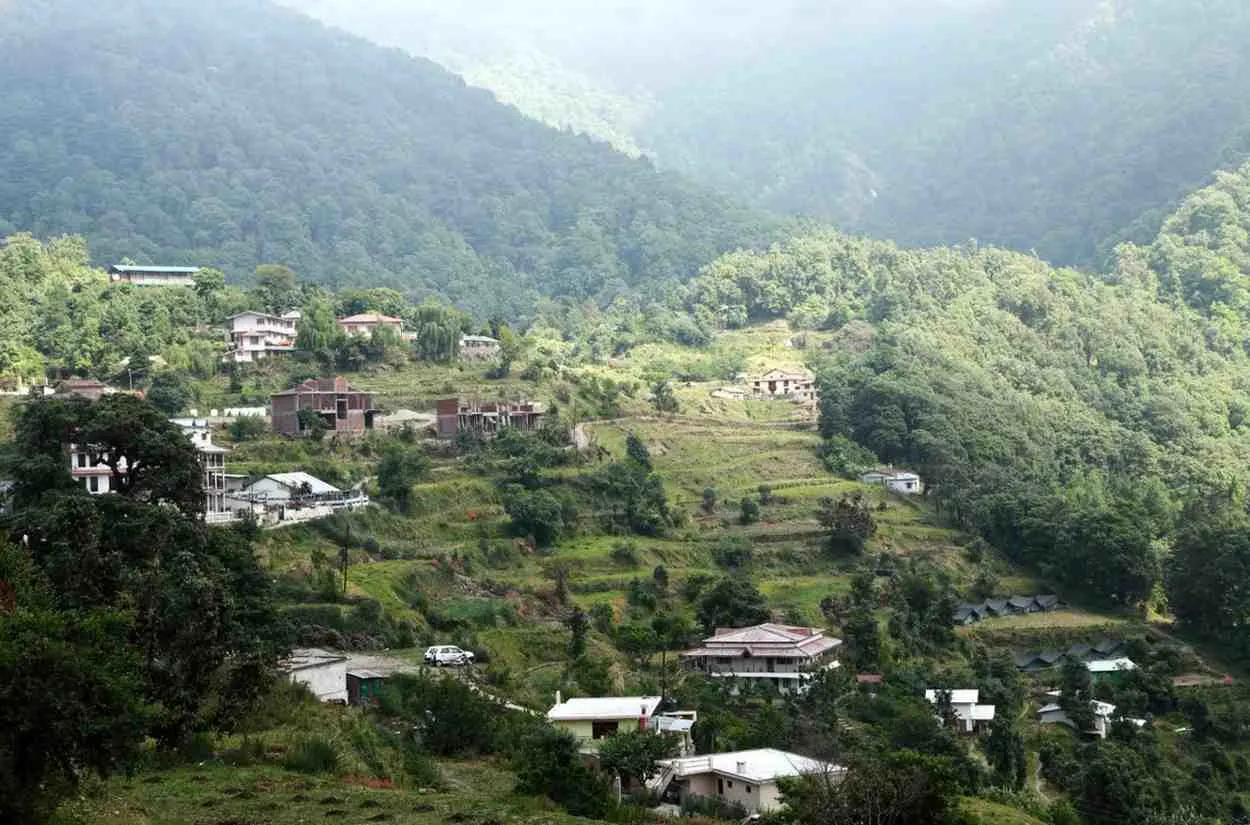
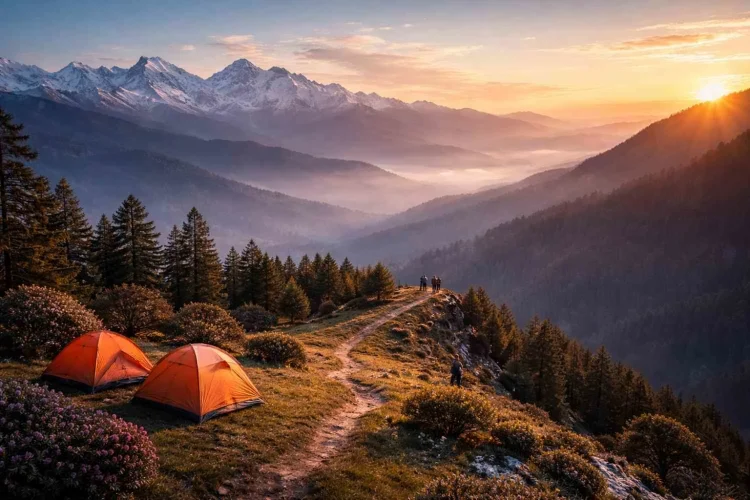
Nag Tibba Trek is a popular weekend trek in Uttarakhand, ideal for beginners. Located near Dehradun, it offers panoramic Himalayan views, forest trails, and a rewarding summit experience at 9,915 ft, making it perfect for short adventure trips.
What Is Nag Tibba Trek?
Meaning of “Nag Tibba”.
In the local Garhwali language, Nag Tibba translates to “Serpent’s Peak.” The ridge is associated with serpent deities (Nag Devta) revered by villagers for crop protection and good weather. You’ll often spot small shrines and prayer flags near the higher meadows and summit area.
Location in Uttarakhand.
Nag Tibba sits in the Garhwal Himalayas of Uttarakhand, forming part of the lesser Himalayan range. The most common access is via Pantwari village in Tehri Garhwal district, a half-day journey from Dehradun or Mussoorie.
Why is it famous among beginners?
The trek pairs a short trail with big-mountain payoffs—dense oak–rhododendron forests, open meadows, and a dramatic 360° summit panorama—without technical sections. Add in reliable camping grounds and straightforward logistics, and it becomes a confidence-building first Himalayan trek.
Weekend trek popularity
Because you can drive from Dehradun to the base and finish the entire hike in 2 days (sometimes even a long single day for very fit hikers), Nag Tibba has become a beloved “leave Friday evening, return Sunday night” adventure.
Nag Tibba Trek Location & Height
● Region: Garhwal Himalayas, Uttarakhand, India.
● Starting point (popular): Pantwari village (Tehri Garhwal). Alternate routes exist via Devalsari and Thatyur, but Pantwari is the most used for its shorter approach and better trail marking.
● Altitude: 9,915 feet (3,022 m) at the summit.
● Nearby cities: Dehradun (approx. 85–95 km by road to Pantwari, 3–4 hours depending on route/traffic), Mussoorie (approx. 55–65 km to Pantwari).
● Nag Tibba Trek from Dehradun: Taxis and shared vehicles cover Dehradun → Mussoorie → Kempty Falls → Nainbagh → Pantwari. Many trekkers arrive on an early morning flight/train to Dehradun, drive to Pantwari by late morning, and start trekking post-lunch.
Nag Tibba Trek Distance & Route
● Total trek distance (to & fro): ~16 km via the Pantwari route (approx. 7–8 km each way). Distances vary slightly with campsite choice (Kathian/also spelled “Khatian” is common) and minor route deviations.
● Common trekking route:
1. Pantwari (≈4,650 ft) → Kathian Campsite (≈7,800–8,000 ft): A steady ascent through cultivated terraces, scrub, and into mixed oak–rhododendron forest; 3.5–4.5 hours for most beginners.
2. Kathian Campsite → Nag Tibba Summit (9,915 ft) → Return to Pantwari: Start pre-dawn or just after sunrise for the summit push through the forest to Nag Tibba top. Descend back to camp, pack up, and continue down to Pantwari.
● Trail type: A pleasing mix of forest paths, meadow sections, and a final ridge walk to the summit area. Underfoot, expect packed mud, roots, and stones; in winter, patches of hard snow or ice near the top.
Nag Tibba Trek Difficulty Level
● Beginner-friendly nature: Graded Easy to Easy-Moderate. No technical climbing, no ropes, and relatively modest altitude compared to other Himalayan treks.
● Ideal for first-time trekkers: The short itinerary, well-trodden path, and clear milestones (camp → summit → back) make it perfect for first-timers.
● Fitness requirements:
○ Ability to walk 5–6 hours with a small backpack.
○ Comfortable with 1,000–1,200 m (3,300–4,000 ft) of cumulative elevation gain over two days.
○ Light cardio 3–4x per week for 3–4 weeks prior (jogging, brisk walking, stair climbs) is usually enough.
● Suitable age groups: Typically 8–55+ years with basic fitness. Children should be used to walking; seniors should consult a physician and go at an easy pace.
Best Time to Do Nag Tibba Trek
While Nag Tibba can be attempted most months, conditions vary by season.
1. Nag Tibba Trek in Summer (March–June; also Sep–Nov for post-monsoon)
● Weather conditions: Pleasant days (10–20°C) and cooler nights (0–8°C). Post-monsoon (late Sep–Nov) offers crisp air and stable weather.
● Clear mountain views: Summer and post-monsoon often reward trekkers with sharp views of Swargarohini, Bandarpoonch, Gangotri group, Kedarkantha, and Nanda Devi ranges on the horizon. Wild rhododendrons bloom in spring, tinting forests pink and red.
2. Nag Tibba Trek in Winter (December–February)
● Snow trekking experience: Light to moderate snowfall transforms the upper forest and meadows into a winter wonderland. Microspikes/gaiters (if conditions warrant) and warm layers become essential.
● Popular for snow beginners: Because the approach is short and safe by Himalayan standards, Nag Tibba is often the first snow trek people choose. Expect lower temperatures (-5 to 5°C at night near camp), shorter daylight, and a slower pace due to snow.
Monsoon note (July–August): The trail gets slippery, leeches may appear in forest belts, and views are usually clouded. Trek only if you’re experienced with wet terrain and always check weather/landslide advisories.
Also Read: Bhulla Lake – A Calm Lake in Lansdowne
Nag Tibba Trek Itinerary
Day 1: Dehradun/Mussoorie → Pantwari (drive) → Kathian Campsite (trek)
● Drive: Dehradun to Pantwari via Mussoorie–Kempty–Nainbagh (3–4 hours). Stock up on snacks/water at Pantwari.
● Trek: Pantwari (≈4,650 ft) to Kathian Campsite (≈7,800–8,000 ft).
● Time estimate: 3.5–4.5 hours at a relaxed pace with breaks.
● Highlights: Terrace farms on the lower slopes, a gradual transition to cool oak–rhododendron forest, and sunset hues over the Shivaliks from open meadows at camp.
● Stay: Tented campsite. Dinner and early lights-out to prepare for summit morning.
Day 2: Kathian Campsite → Nag Tibba Summit → Pantwari → Dehradun (drive back)
● Start early: 4:30–6:00 AM, depending on season and sunrise.
● Trek: Kathian to Nag Tibba Summit (9,915 ft) in 1.5–2.5 hours. Spend time at the summit clearing and shrine, then descend to camp (1–1.5 hours), pack up, and continue to Pantwari (2–3 hours).
● Drive back: Pantwari to Dehradun by evening/night.
● Highlights: Forest silence at dawn, ridge-top snow in winter, and wide-angle Himalayan panoramas at the summit.
What Makes Nag Tibba Trek Special?
● Short duration, big rewards: A true weekend trek that still delivers forests, meadows, and an iconic Himalayan summit feel.
● Scenic views of Himalayan peaks: On clear days, you’ll glimpse Swargarohini, Bandarpoonch, Gangotri group, Kedarkantha, and swathes of Garhwal ridgelines.
● Ideal for weekend travel: Easy logistics from Dehradun, flexible camping, and a trail that fits into 2 days.
● Snow trek experience: In winter, it’s among the safest and shortest snow treks for first-timers, offering a taste of alpine conditions without extreme altitude.
Who Should Do the Nag Tibba Trek?
● Beginners: Looking for a first Himalayan experience with limited time.
● Solo travelers: The trail sees regular footfall on weekends; local guides and groups are easy to join.
● Weekend trekkers: Residents of Delhi–NCR, Chandigarh, and Dehradun often do it as a quick escape.
● First-time snow trekkers: Want to try snow without multi-day high-altitude exposure.
Essential Tips for Nag Tibba Trek
Clothing & Gear
● Footwear: Ankle-support trekking shoes with good grip; break them in beforehand.
● Layers: In summer—2 base tees, light fleece, windproof. In winter—thermal base, fleece, padded jacket, beanie, gloves.
● Rain protection: Lightweight rain jacket/poncho (even in non-monsoon months—mountain weather can surprise).
● Accessories: Cap, sunglasses, SPF 30+ sunscreen, lip balm, headlamp, 1–2 trekking poles (helpful on descent).
● Hydration: 2 liters of water capacity; refill at camp or seasonal sources (ask locals/guide).
● Winter add-ons: Gaiters/microspikes if the trail is icy, warm socks, and a thermos for hot water/tea.
Fitness Preparation
● 3–4 weeks prior: Brisk walks/jogs (30–45 mins), stair climbs, and leg/core strengthening (squats, lunges, planks).
● Practice walking with a 5–7 kg daypack to simulate trek conditions.
Weather Awareness
● Check the forecast before you leave Dehradun. Avoid summiting in thunderstorms or whiteouts.
● In winter, watch for fresh snowfall advisories; timing your summit push earlier in the day helps with firmer snow.
Safety Tips
● Guide vs. self-guided: Though the trail is popular, a local guide adds safety, navigation, and local insight—especially in winter or bad weather.
● Permits & ID: Carry a government ID; local registrations may be done at Pantwari. Devalsari route can involve forest permissions—ask locally if taking alternate trails.
● Altitude & health: At ~3,000 m, serious altitude illness is unlikely but possible—ascend gradually, hydrate, and rest if you feel a persistent headache or nausea.
● Network & power: Patchy to no mobile network beyond Pantwari; carry a power bank.
● Leave No Trace: Pack out all waste, avoid loud music, respect village water sources, and forest shrines.
Quick Logistics at a Glance
● Base: Pantwari (Tehri Garhwal)
● Summit Altitude: 9,915 ft (3,022 m)
● Distance: ~16 km (round trip)
● Duration: 2 days (weekend-friendly)
● Grade: Easy to Easy-Moderate
● Nag Tibba Trek from Dehradun: 3–4 hrs drive to Pantwari
● Best Time: Mar–Jun & Sep–Nov (clear views), Dec–Feb (snow)
Final Word
If you’ve been dreaming of your first Himalayan summit or just need a crisp mountain weekend near Dehradun/Mussoorie, the Nag Tibba Trek checks every box—accessible, scenic, beginner-friendly, and seasonally versatile. Pack smart, pace yourself, respect the mountains, and you’ll come home with a summit smile and a camera roll full of Garhwal magic.
FAQs: Nag Tibba Trek Guide
A short Himalayan trek in Uttarakhand’s Garhwal region leading to the Nag Tibba (Serpent’s Peak) summit at 9,915 ft, known for forest trails, meadows, and wide Himalayan views—perfect for beginners and weekend plans.
Near Pantwari village in Tehri Garhwal, accessible from Dehradun or Mussoorie. Alternate approaches exist from Devalsari or Thatyur.
9,915 feet (3,022 meters) at the summit.
Easy to Easy-Moderate. No technical sections; fitness to walk 5–6 hours with a small pack is sufficient.
Approximately 16 km (to & fro) via the common Pantwari–Kathian–Summit route. Slight variations occur with campsite choice.
Yes. It’s one of the best beginner treks in Uttarakhand thanks to short distance, simple navigation, and lower altitude compared to multi-day expeditions.
March–June and September–November for clear skies and pleasant temperatures. December–February if you want a snow trek experience.
Absolutely. It’s a popular winter/snow trek. Bring adequate warm layers; consider microspikes/gaiters if conditions are icy, and go with a local guide.
Standard 2 days (drive + trek + summit + return). Very fit trekkers sometimes compress it, but two days is comfortable and safer.
Yes—that’s its superpower. Dehradun to Pantwari is a half-day drive, and the trek–summit–return fits neatly into a weekend.
Yes, typically December to February, with intensity varying year to year. Expect snow near the upper forest and summit.
Not strictly required on the Pantwari route in fair weather, but highly recommended for safety,