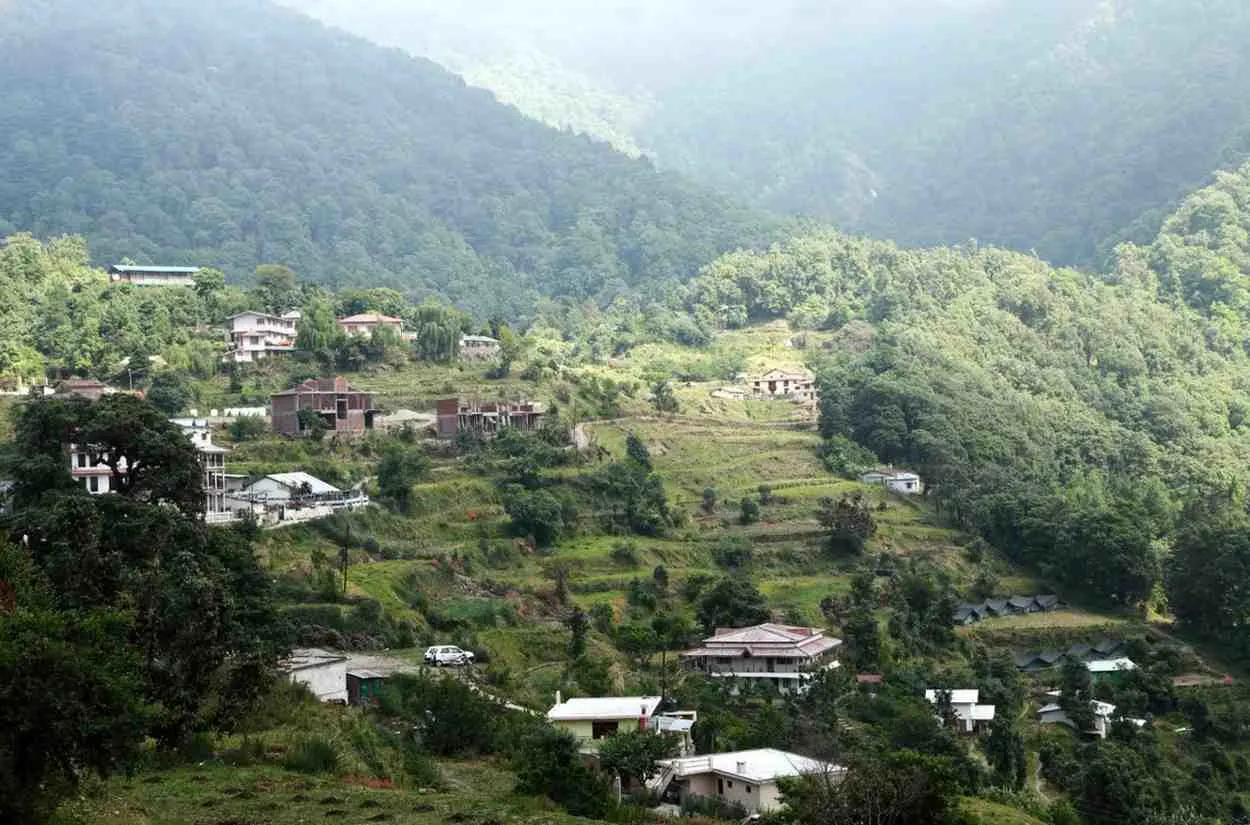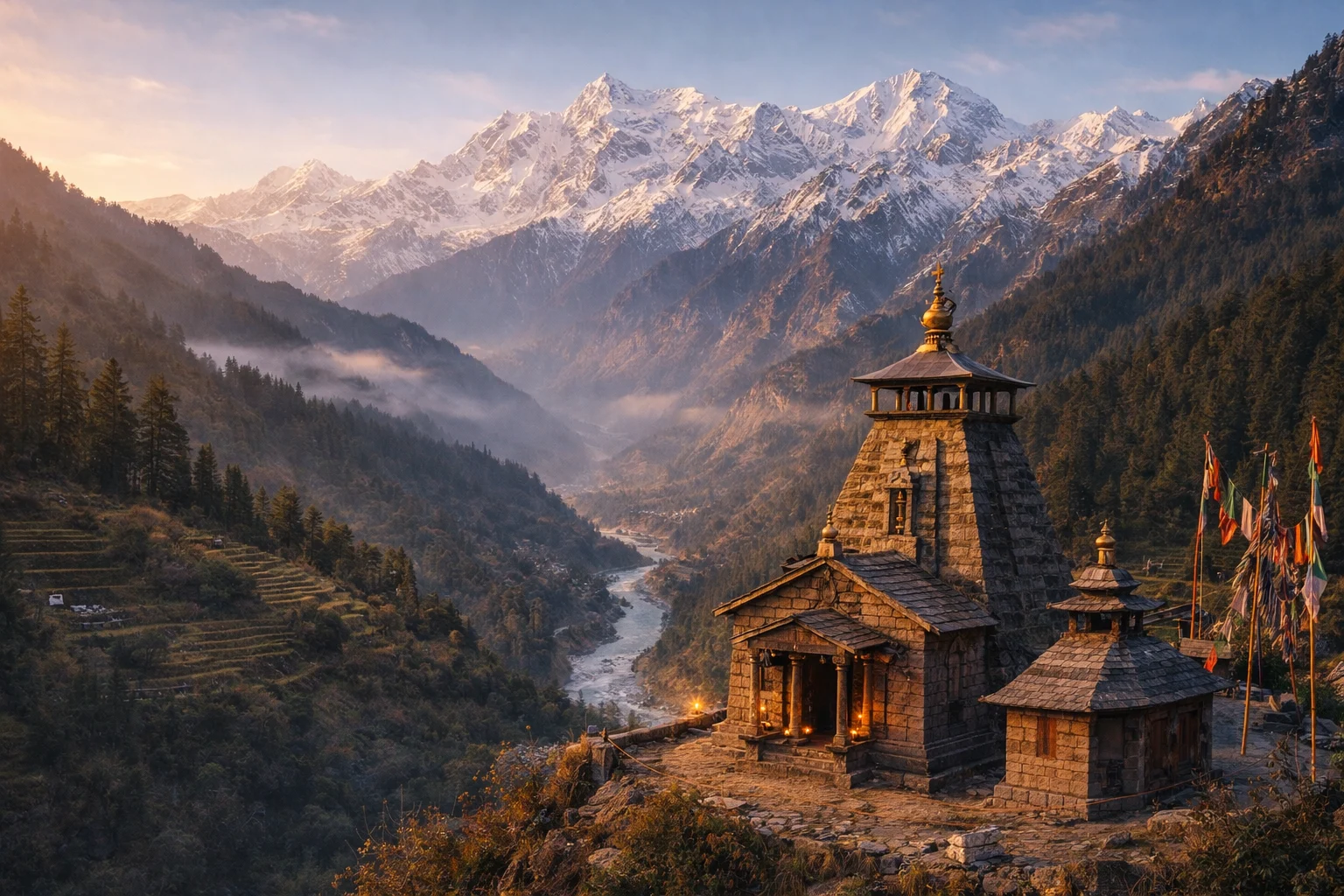
Joshimath is a sacred hill town in Uttarakhand and a major gateway to Auli and Badrinath. Known for its spiritual aura, snow-clad Himalayan views, and access to treks and ski slopes, it serves as a comfortable base for pilgrims, adventure seekers, and slow travelers alike.
Where Is Joshimath Located?
● District: Chamoli, Uttarakhand
● Altitude: ~6,150 ft (≈1,875 m)
● Corridor: Along the Rishikesh–Badrinath National Highway (NH 7)
Cradled on a steep hillside above the confluence of the Alaknanda and Dhauliganga rivers, Joshimath sits at a strategic bend in Uttarakhand’s mountain road network. The town looks across to high ridgelines that lead to Auli and further north to the shrine of Badrinath, making it a natural staging point for journeys deeper into the Garhwal Himalaya.
Why Is Joshimath Called the Gateway to Auli & Badrinath?
1) Ropeway Access to Auli
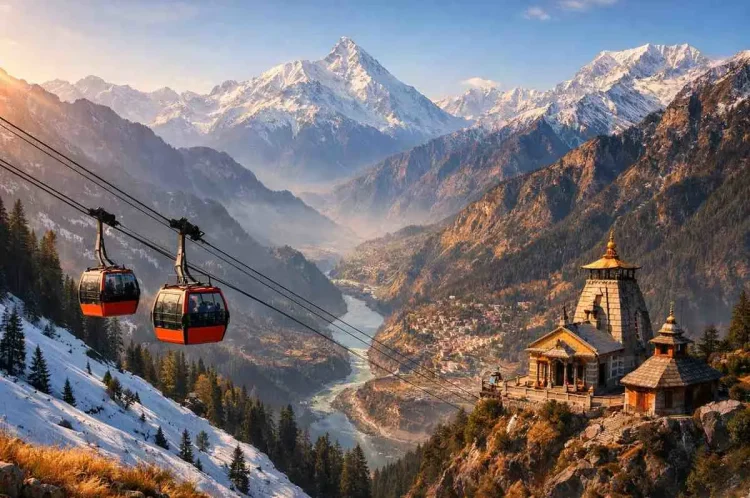
One of Asia’s highest and longest cable cars begins near Joshimath and rides dramatically up to the meadows and ski slopes of Auli. In winter, this is the lifeline for skiers; in summer, it’s a scenic joyride and the fastest way to panoramic vistas of Nanda Devi, Hathi Parbat, and Kamet.
2) Stopover for the Badrinath Yatra
Almost all road journeys to Badrinath Dham pass through Joshimath. Pilgrims typically halt here for the night to acclimatize, secure darshan timings during peak season, or wait for weather windows when the high valley experiences snow or rain.
3) Connectivity to Major Himalayan Routes
Joshimath connects to a web of trailheads and roadheads—Valley of Flowers & Hemkund Sahib (via Govindghat), Kuari Pass treks, Niti Valley (restricted areas with permits), and the road to Auli. This nexus role makes it the operational “gateway” to both spiritual and adventure circuits.
Also Read: Thukpa in Spiti: The Himalayan Soup That Warms the Mountains
Best Time to Visit Joshimath
1. Summer (April–June):
Pleasant days, cool nights, clear mountain views. Ideal for ropeway rides, easy hikes, and pilgrim travel toward Badrinath. Snow in Auli recedes into patches, and meadows turn green.
2. Monsoon (July–September):
Misty hills, lush forests, frequent showers. Beauty peaks, but landslides and roadblocks are possible. If traveling, keep buffer days, check advisories, and drive in daylight hours.
3. Autumn (October–November):
Crisp skies return, post-monsoon freshness, fewer crowds than summer. Great month for photography, pilgrim visits before seasonal closures, and gentle treks around the valley.
4. Winter (December–March):
Cold to very cold. Snowfall possible from late December through February—especially around Auli. This is the ski season, and the ropeway becomes a star attraction. Roads remain open most of the time but can see intermittent closures during heavy snow.
Top Places to Visit in Joshimath
1) Narasimha Temple
The presiding deity of Joshimath, Lord Narasimha (an avatar of Vishnu), resides in a centuries-old temple known for its serene sanctum and intricate wood-and-stone work. The temple is a spiritual anchor for locals and pilgrims en route to Badrinath.
2) Shankaracharya Math (Jyotirmath)
Traditionally regarded as one of the four cardinal monasteries established by Adi Shankaracharya, Jyotirmath houses shrines, ancient trees, and a calm courtyard that invites reflection. It’s a wonderful place to understand the Advaita tradition and the cultural roots of the region.
3) Kalpavriksha
Believed by locals to be an ancient wish-fulfilling tree associated with Adi Shankaracharya, the Kalpavriksha is revered as a living symbol of continuity. The site offers a quiet pause amid the bustle of town life.
4) Auli Ropeway (Starting Point in Joshimath)
The ropeway terminal near Joshimath is your ticket to sweeping Himalayan panoramas. Even if you don’t ski, the ride itself is a signature experience—gliding over forested slopes as peaks drift in and out of view.
Things to Do in and around Joshimath
1) Take the Cable Car to Auli
If you’re short on time, this single activity delivers maximum reward: a thrilling ascent, crisp air, and amphitheater-like views of the Garhwal range. In winter, watch skiers carve turns; in summer, walk the Auli meadows and catch golden hour hues.
2) Religious Sightseeing
Visit Narasimha Temple and Shankaracharya Math for quiet darshan and to connect with the town’s spiritual character. Festivals and aarti hours add color—arrive early to avoid crowds.
3) Trekking & Nature Walks
Base yourself in Joshimath and explore easy nature walks to village viewpoints. Longer routes include day hikes toward Auli meadows, and, for seasoned trekkers, the Kuari Pass circuit (with guides and proper gear). In summer, head onward (by road) to Govindghat for the Valley of Flowers/Hemkund Sahib trek.
4) Photography & Mountain Watching
Sunrise and sunset bring striking alpenglow on Hathi Parbat and the surrounding massifs. Winter light is crystalline; autumn skies are famously clear. Carry a polarizing filter if you’re shooting rivers and midday scenes.
5) Local Food Sampling
Try Garhwali flavors: Kafuli (leafy greens curry), Phaanu (lentil stew), Aloo ke gutke, and chainsoo. Small eateries near the market serve hearty thalis, perfect after a long travel day.
Joshimath to Auli & Badrinath Distance
● Joshimath → Auli: ~12 km by road (steep, scenic drive) or ~4+ km by ropeway
● Joshimath → Badrinath: ~45–46 km by road
Driving times vary with weather, season, and traffic. During winter, the ropeway to Auli often saves time and effort compared to a potentially icy road.
How to Reach Joshimath
1. By Road
From Rishikesh/Haridwar, follow NH 7 along the Ganga and Alaknanda valleys via Devprayag – Srinagar – Rudraprayag – Karnaprayag – Chamoli to Joshimath. Multiple state transport buses and reliable taxis ply the route. Start early: mountain roads are best driven in daylight.
2. By Rail
The nearest major railheads are Rishikesh and Haridwar. From either station, complete the journey by road (approximately 250–275 km). Haridwar has broader train connectivity, while Rishikesh sits closer to the hills.
3. By Air
Fly into Dehradun (Jolly Grant Airport). From there, it’s a long but beautiful road journey up the Alaknanda valley to Joshimath. You can hire a taxi or take a bus from Rishikesh, which lies roughly an hour from the airport.
Tip: In high season (May–June, and Sept–Oct), pre-book your transport and stay. In the monsoon, monitor weather updates, and in winter, check the ropeway schedules.
Weather & Snowfall in Joshimath
● Summer (Apr–Jun): ~10–25°C. Light woolens for evenings.
● Monsoon (Jul–Sep): ~12–22°C. Rains, mist, potential roadblocks.
● Autumn (Oct–Nov): ~5–20°C. Clear skies, cold nights.
● Winter (Dec–Mar): ~–2 to 12°C. Snowfall possible, particularly higher up toward Auli.
Snow Months: Typically late December to February in and around Auli. Joshimath town itself is lower and may see brief spells; the higher slopes retain more consistent snow.
Where to Stay in Joshimath
1. Budget Hotels & Guesthouses
Clustered around the market and bus stand area, budget stays offer clean rooms, hot water, and basic meals. These are great for solo travelers and backpackers planning early departures.
2. Dharamshalas & Pilgrim Lodges
Simple, affordable accommodation near temples and the math. These fill up in the pilgrimage season—book early if traveling May–June or around special religious dates.
3. Mid-range Hotels & Boutique Stays
Family-friendly rooms with mountain views, in-house dining, and assistance for local sightseeing or ropeway tickets. Ideal for those who want comfort without splurge pricing.
4. Where to Base
If your focus is Auli, consider a night at the top (weather/availability permitting) and another in Joshimath to enjoy both sunrise slopes and temple walks in town.
Responsible Travel & Practical Tips
● Acclimatization: At ~6,150 ft, most travelers adjust easily, but pace yourself if going higher (Auli ~9,000–10,000 ft; Badrinath ~10,500 ft).
● Hydration & Sun: High UV at altitude—carry sunglasses, sunscreen, cap, and drink water through the day.
● Footwear: Sturdy shoes with good grip; in winter, add microspikes or snow grips if you plan to walk on snow.
● Cash & Connectivity: ATMs exist but can run out during peak days. Carry backup cash. Mobile networks are improving, but patchy in pockets.
● Travel Windows: In the monsoon, drive in daylight and keep flexible plans. In winter, check ropeway/road updates before committing to same-day returns.
● Local Sensitivity: Temples and mathas have dress/photography norms—follow them. Support small eateries and local guides.
● Waste: Carry your trash out. Mountain ecosystems are fragile; leave no trace.
Suggested 2–4 Day Itineraries
2 Days – Joshimath & Auli Snapshot
● Day 1: Arrive Joshimath by afternoon. Visit Narasimha Temple and Shankaracharya Math. Sunset viewpoint stroll
● Day 2: Early ropeway to Auli. Meadow walk or ski session (seasonal). Hot lunch with a view; descend by late afternoon and depart.
3 Days – Gateway to Auli & Badrinath
● Day 1: Reach Joshimath, temple circuit, local market dinner.
● Day 2: Auli day—ropeway ride, chairlift (if operating), photography.
● Day 3: Early start to Badrinath for darshan and Mana village (seasonal access). Return to Joshimath or continue toward your next stop.
4 Days – Easy Hikes & Pilgrim Touchpoints
● Day 1: Arrive, settle in, evening aarti.
● Day 2: Auli Meadows and short hikes.
● Day 3: Drive to Govindghat; if fit and in season, begin Valley of Flowers/Hemkund Sahib approach (permits/logistics apply).
● Day 4: Leisure morning in Joshimath; depart.
Food, Shopping & Local Culture
What to Eat
Warm, home-style plates rule the day: lentil-based Phaanu, mustard-tempered Kafuli, rustic Jhangora (barnyard millet) kheer, and potato-centric snacks that pair with ginger chai. In winter, ask for a local thali—it’s hearty and energy-rich.
Souvenirs
Look for handwoven woolens, pahadi caps, and local pulses. Many small shops stock herbal balms and teas popular in the hills.
Festivals & Rhythm
Festivals linked to the temple calendar can bring music, lamps, and community gatherings. Respect the pace of mountain towns—everything starts early and winds down early.
Safety, Seasonality & Current Considerations
● Road Conditions: Mountain highways are being broadened in sections; you might encounter construction zones, especially outside peak holiday windows.
● Monsoon Hazards: Rockfalls and slides are part of the terrain. Always check advisories, ask locals/hotel staff about the latest, and do not drive after dark.
● Winter Constraints: Snow and black ice can affect the Joshimath–Auli road; ropeway operations depend on weather. Build in contingency time.
● Permits & Checkposts: Some valleys beyond Joshimath (like Niti and certain border-adjacent areas) require permits. Your hotel or a licensed local operator can guide you.
Budgeting Your Trip (Indicative)
● Transport (ex-Rishikesh): Shared bus is cheapest; a private cab for the full journey costs more but saves time and adds flexibility.
● Accommodation: Budget guesthouses to mid-range hotels cover most needs; prices surge in peak months.
● Ropeway & Local Activities: Keep aside a dedicated buffer for the ropeway, chairlift (when running), and gear rentals in Auli during ski season.
● Food: Thalis and local meals are great value; mountain cafés add treats like momos, noodles, and parathas.
FAQs
In Chamoli district, at ~6,150 ft, on the Rishikesh–Badrinath highway (NH 7).
Because it’s the ropeway base for Auli and the primary stopover on the road to Badrinath; it also connects to multiple Himalayan routes.
About 12 km by road or a ropeway ride of a little over 4 km.
Roughly 45–46 km by road.
Narasimha Temple, Shankaracharya Math, Kalpavriksha, and the Auli ropeway base.
Yes—temples, easy walks, and ropeway rides suit families. In winter, ensure proper clothing and footwear for cold and snow.
Occasionally, heavier and more reliable snow is at Auli above Joshimath.
By road along NH 7 via Devprayag–Srinagar–Rudraprayag–Karnaprayag–Chamoli. Buses and taxis are available.
Yes, though occasional weather-related disruptions occur. The ropeway and roads operate subject to snow and safety advisories.
About 60–65 km by road (≈2–3 hours depending on traffic and weather).
Hatu Peak (panoramic views), Tannu Jubbar Lake, apple orchards, and walks through deodar forests. In winter, nearby slopes sometimes host beginner snow activities.
Yes—its proximity to Shimla makes it ideal for a 2-day nature escape with quieter vibes than the main hill stations.
Short hikes to Hatu Peak, orchard visits (seasonal), forest walks, and winter snow play when conditions allow.
Drive or take a bus from Shimla along NH 5 toward Rampur. Roads are generally good; winter requires caution.
Typically yes. It’s calmer, with more space to walk and clear night skies—great for those seeking quiet over markets.
● Apr–Jun and Oct–Nov for clear views and comfortable travel.
● Dec–Feb for snow (Auli) and winter experiences.
● Jul–Sep is lush but monsoon-prone.