
Kaku Ram Thakur: From Financial Struggles in Chamba to Becoming a Popular Voice of Himachali Folk

About This Listing
Kaku Ram Thakur: From Humble Beginnings in Chamba to Becoming a Popular Star of Himachali Folk Music
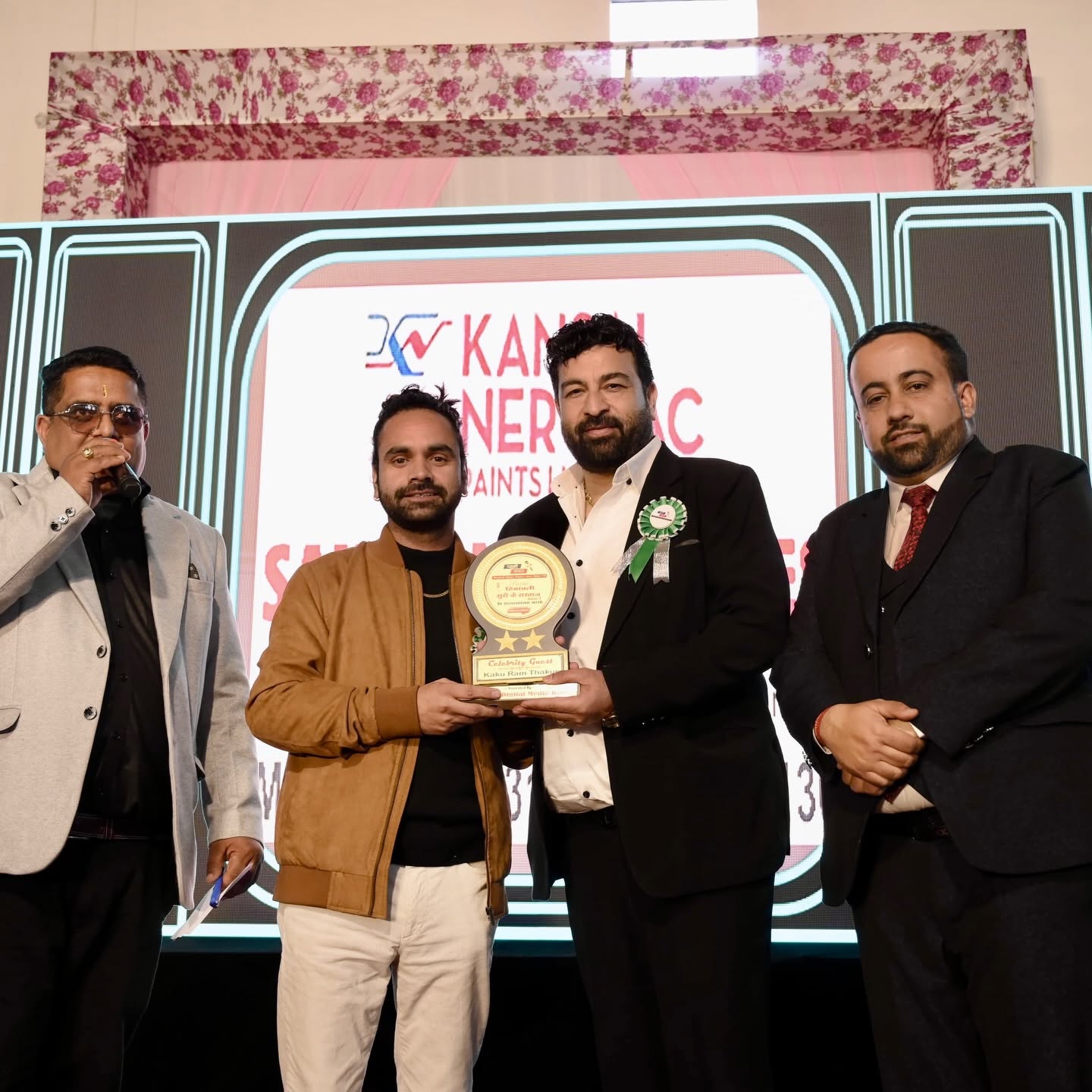
From financial struggles in the hills of Chamba to captivating audiences across North India, Kaku Ram Thakur's journey is a story of passion, determination, and love for Himachali folk music.
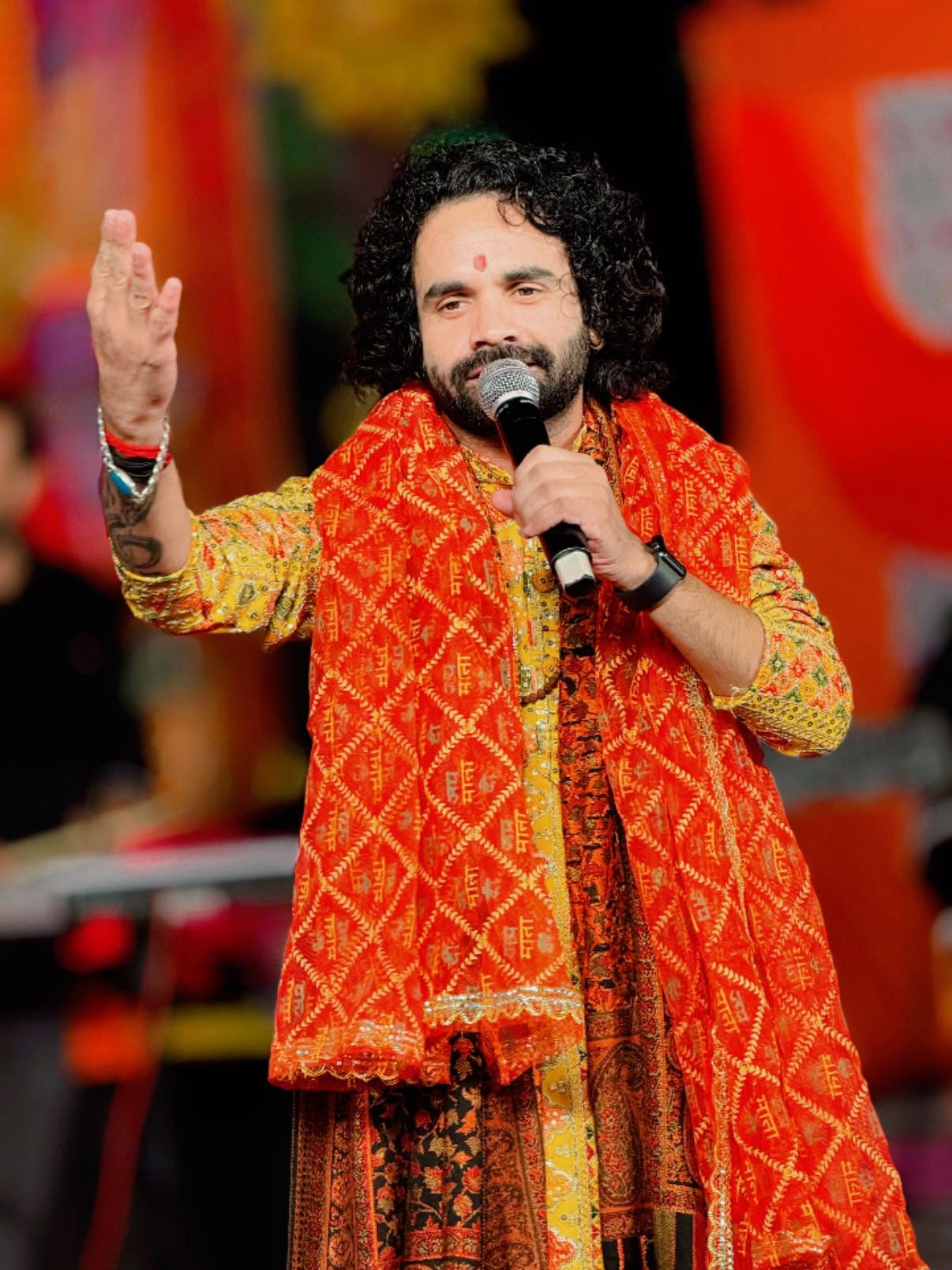
Himachal Pradesh is known for its rich musical heritage, where traditional folk songs, devotional melodies, and cultural performances reflect the traditions and emotions of its people. Among the younger generation of artists promoting this heritage, Kaku Ram Thakur has established a distinctive identity. Popularly known as the "Naati King of Himachal," he is a celebrated folk singer, live performer, and music producer recognised for his energetic stage presence.
Early Life and Musical Journey
Kaku Ram Thakur was born on September 14 in Chamba, Himachal Pradesh, and belongs to a humble family from Delahi village of Kidi Panchayat. His early life was marked by financial challenges, including difficulties in paying school fees up to matriculation. Recognising his musical talent, his teachers supported his education and encouraged him to continue singing.
Music became an important part of his childhood. He actively participated in school competitions and cultural programmes, developing his confidence and passion for performing. He also became familiar with traditional instruments such as the dholak, flute, and harmonium, strengthening his connection with Himachali folk traditions.
Musical Career and Popular Songs
Some of his well-known songs include:
-
Bhavi Chali Peke
-
Neelima Jammu Waliye
-
Bimlo
-
Kamlo
-
Mere Bhai Ri Saliye
-
Haye Mirchi
-
Minjar
A Versatile Performer Across Different Musical Genres
One of Kaku Ram Thakur's biggest strengths is his versatility. Alongside Himachali folk and Nati music, he regularly performs devotional songs at Bhagwati Jagrans, Mata Chowkis, and Baba Balak Nath religious gatherings.
He also incorporates popular Punjabi and Hindi songs into his live performances, allowing him to connect with audiences from different musical backgrounds.
Over the years, he has performed across Himachal Pradesh, Punjab, Chandigarh, Jammu and Kashmir, Delhi, and Gurgaon. His growing popularity has also encouraged him to establish his own production setup and develop independent musical projects.
Location
Guest Reviews & Ratings
Reviews from signed-in membersNo reviews yet. Be the first to share your experience.
Similar Listings in Himachal Pradesh
 Artists & Performers
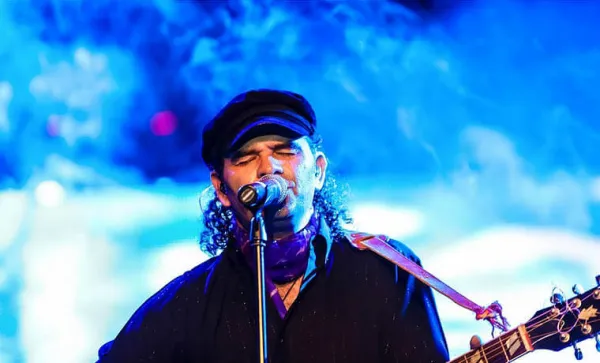
Mohit Chauhan: From the Hills of Himachal to Becoming a Bollywood Singing Sensation
Mohit Chauhan: From the Hills of Himachal to Becoming a Bollywood Singing Sensation From the peaceful hills of Nahan to the biggest stages of Bollywood, Mohit Chauhan's journey is an inspiring story of musical passion, perseverance, and extraordinary talent. Early Life and Musical Roots Mohit Chauhan was born on March 11, 1966, in Nahan, Sirmaur district, Himachal Pradesh. He studied at Our Lady of Snows High School in Kullu and St. Luke's Senior Secondary School in Solan. Later, he completed a Master's degree in Geology from a government college in Dharamshala. Interestingly, Mohit did not receive formal training in music. His interest developed through singing with his brother and inspiration from his grandfather, who was a classical singer and harmonium player. He also admired legendary singer Kishore Kumar. Although he initially dreamed of becoming an actor, music eventually became his true calling. The Silk Route Era: The Beginning of His Musical Success A major turning point came when Mohit Chauhan formed the indie-pop band Silk Route with Kem Trivedi, Atul Mittal, and Kenny Puri. In 1998, the band released its debut album, Boondein, featuring the iconic song "Dooba Dooba." The track became a massive hit and established Mohit as a distinctive voice in India's independent music scene. Silk Route released another album in 2000 before eventually dissolving. Mohit continued his musical journey as a solo artist, releasing Fitoor in 2009. Bollywood Journey: A Voice That Captured Millions of Hearts Mohit Chauhan entered Bollywood playback singing with the 2002 film Road. However, his major breakthrough came with "Khoon Chala" from Rang De Basanti (2006), followed by the unforgettable "Tum Se Hi" from Jab We Met (2007). His soulful singing quickly made him a favourite among music lovers. In 2009, he delivered another memorable performance with "Masakali" from Delhi-6, earning the Filmfare Award for Best Male Playback Singer in 2010. His association with the film Rockstar (2011) further strengthened his position in Bollywood, with songs that showcased his emotional depth and versatility. A Musical Legacy Beyond Bollywood Mohit Chauhan's success represents more than a remarkable playback singing career. From independent music with Silk Route to some of Bollywood's most memorable soundtracks, he has consistently connected with audiences through his distinctive voice. His journey from Himachal Pradesh to national recognition is a source of pride for the state and an inspiration for aspiring musicians. Mohit Chauhan proves that true musical talent has no boundaries, and sometimes the most extraordinary voices come from the quietest corners of the mountains.
 Artists & Performers
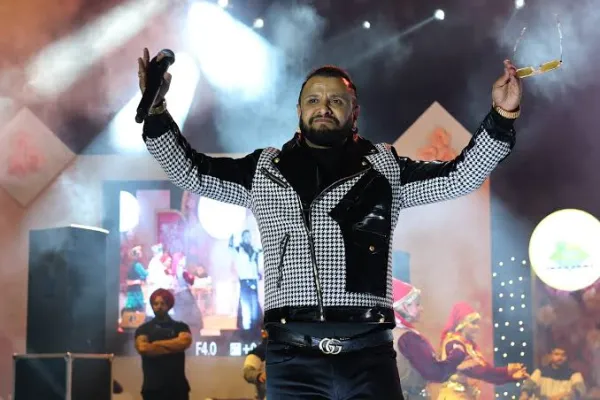
Kuldeep Sharma: The Nati King Who Took Himachali Folk Music to the World
Kuldeep Sharma: The Nati King Who Took Himachali Folk Music to the World From the picturesque hills of Theog in Shimla to international recognition at the British Parliament, Kuldeep Sharma's musical journey is a remarkable story of passion, perseverance, and pride in Himachali culture. Himachal Pradesh is known for its beautiful landscapes, vibrant traditions, and rich folk heritage. Among its most cherished cultural expressions is Nati, a traditional folk dance accompanied by lively regional music that brings communities together during festivals, celebrations, and cultural gatherings. Over the years, several artists have contributed to keeping this musical tradition alive, but one name has earned a particularly special place in the hearts of Himachalis: Kuldeep Sharma, popularly known as the "Nati King" of Himachal Pradesh. Early Life and Musical Roots: A Childhood Surrounded by Music Kuldeep Sharma was born on August 26, 1977, in Theog, Shimla district, Himachal Pradesh. His connection with music began at an early age, largely influenced by his family and the cultural environment in which he grew up. Music was already an important part of his family. His mother, Begi Devi Sharma, was a well-known local folk singer and became his first musical inspiration and teacher. Her influence helped him develop an early understanding of traditional melodies and the beauty of Himachali folk music. His musical journey received further guidance from his maternal uncle, Liaq Ram Rafiq, who played an important role in developing his singing abilities. The First Major Breakthrough: Selection at All India Radio Shimla One of the defining moments in Kuldeep Sharma's early career came when he auditioned for All India Radio (AIR), Shimla, in 1994. At just 16 years of age, he impressed the audition panel with his singing abilities and was selected for recording three songs. In 1997, he made his first live stage appearance at the Dharamshala Summer Festival. Performing before a live audience marked another important step in his journey and helped establish his presence as a performing artist. Musical Career: More Than 100 Albums and Countless Popular Songs Some of his notable albums include: Himachali Geet Dhamaka (2005 Naati Fever (2016) Chal Baliye (2016) Beyond albums, several individual songs have become especially popular among Himachali listeners. Some of his well-known tracks include: Rohru Jana Meri Aamiye Meri Preeti Zinta Kindi Chali Tu Meri Monika Rhumatiye Shilpa Shimle Waliye Garaye De Aa Lambra Ho From Himachali Folk Music to Bollywood One of the interesting aspects of Kuldeep Sharma's career is his connection with the Hindi film industry. His song "Ban Than Chali Bolo" gained wider recognition when singer Sukhwinder Singh presented a Bollywood version of the composition for the 2000 Hindi film Kurukshetra. This connection brought attention to a traditional Himachali musical composition beyond its regional audience. He also contributed songs to the Hindi film Van Rakshak in 2019, further demonstrating his ability to connect regional music with wider entertainment platforms. Taking Himachali Folk Culture Beyond Borders Kuldeep Sharma's popularity is not limited to Himachal Pradesh. Over the years, he has performed at various national and international platforms, introducing audiences to the vibrant musical traditions of the hills. His performances have taken Himachali folk music to places including Punjab, Delhi, Uttarakhand, and international destinations such as Dubai. One of the most significant milestones in his career came in July 2024, when he was honoured at the House of Commons, the lower house of the British Parliament, in London. He received the International Exchange Award from the World Book of Records for his contribution to promoting folk culture and music. This recognition was a proud moment not only for Kuldeep Sharma but also for Himachal Pradesh. It highlighted how a regional folk artist could represent the cultural identity of an entire state on an international platform. His recognition in London demonstrated that traditional music has the power to connect people across geographical and cultural boundaries. Awards and Honours: Recognition for Musical Excellence Some of the notable honours associated with his journey include: Hind Sangram Parishad Award (1995) Best Pahari Singer Award Pahari Mrinal Award Him Shri Award Himachal Shri British Parliament International Exchange Award (2024)
 Artists & Performers
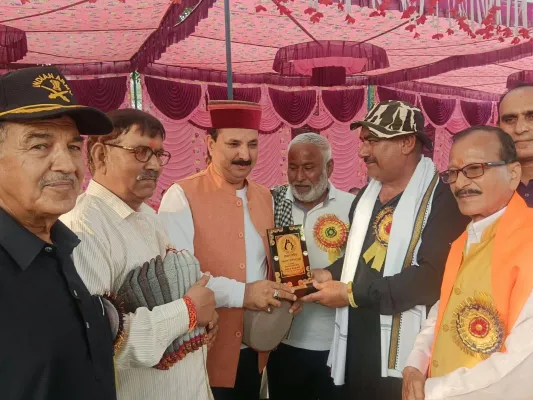
Karnail Rana: The Legendary Voice of Himachali Folk Music and the Pride of Kangra
Early Life and Background: Roots in the Hills of Kangra Karnail Rana was born on April 30, 1963, in Rakwal Lad village, Upper Ghallaur, Tehsil Jawalamukhi, District Kangra, Himachal Pradesh. Growing up in the culturally rich environment of Kangra, he developed an early connection with music and traditional folk singing. His surroundings, local traditions, and the musical atmosphere of his region played an important role in shaping his artistic journey. The Beginning of His Professional Journey Karnail Rana's professional journey reflects his dedication not only to music but also to public service. In 1987, he worked with Nehru Yuva Kendra, contributing to activities that connected with youth and cultural development. In 1988, he joined the Himachal Pradesh Information and Public Relations Department as an artist in its theatre unit. Through his work, he became involved in using music and cultural performances to communicate important messages to the public. His professional responsibilities and passion for folk music developed alongside each other. This combination of public service and artistic dedication gave him opportunities to connect with people across different regions of Himachal Pradesh. His association with the department continued for more than three decades, during which he contributed to cultural programmes and public awareness initiatives through music and theatre. He retired from government service in April 2021. The Musical Breakthrough: Chambe Patne Do Bediyan Every legendary artist has a defining moment, and for Karnail Rana, one of the most important milestones was the release of his debut album, Chambe Patne Do Bediyan, in 1994. The album brought him widespread recognition and helped establish his identity as a prominent Himachali folk singer. His distinctive voice, expressive singing, and ability to bring traditional folk melodies to life quickly connected with audiences. The success of his debut release opened the doors to a remarkable musical career. Karnail Rana went on to release more than 150 albums, including numerous musical projects associated with T-Series. His work helped introduce traditional Himachali folk music to a wider audience, particularly among people living outside the state. His songs became a familiar part of cultural gatherings, family celebrations, and musical events. The success of Chambe Patne Do Bediyan was not simply a personal achievement. It represented an important moment for Himachali folk music, demonstrating that regional musical traditions could find a wider audience without losing their cultural identity. Popular Himachali Folk Songs That Continue to Resonate Some of his widely recognized songs include: Horna Patna Lachchhi Lachchhi Lok Galaande Gharan Diyan Biyan His repertoire also includes several other well-known folk songs, including Dade Di Bediye, Kajo Nain Milaye, and Fauji Munda Aai Gaya Holiday.
 Artists & Performers
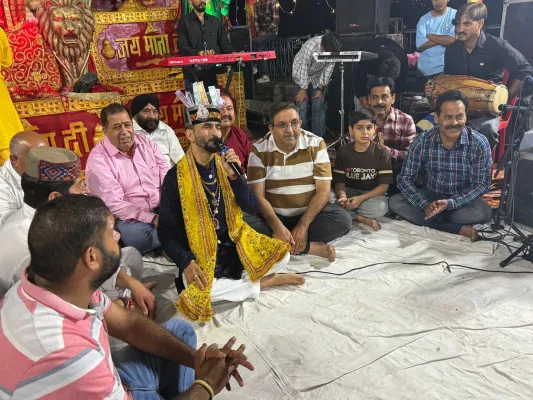
Ishant Bhardwaj: The Inspiring Journey of a Himachali Folk Singer
Early Life and Background Ishant Bhardwaj was born in the beautiful hills of Himachal Pradesh. He belongs to Dibba Ridkamar, a small village in Dharakandi, Tehsil Shahpur, District Kangra. Education and Early Struggles Ishant completed his early education at his village school and GSSS Darini. However, his biggest lessons came from real-life experiences. His journey was not easy. In the early days, he worked as a daily wage labourer and earned just ₹60 per day. Despite these financial challenges, he never gave up on his passion for music. His Connection with Gaddi Culture One of the most special things about Ishant Bhardwaj's music is his connection with Gaddi culture. His soulful voice and folk-style singing reflect the traditions and cultural identity of the region. Through his songs, he helps bring Himachali folk music to a wider audience. His Journey as a Singer, Writer, and Composer Ishant Bhardwaj is not just a singer. He is also a songwriter, composer, and music director. He has created around 100 songs in different creative roles. His work reflects his dedication to music and his desire to share the culture of Himachal Pradesh with more people. Popular Songs by Ishant Bhardwaj Some of his popular songs include: Gojariyo Kudmate Simlo Bindra Bana Bo Kheri Gojario Nikki Jeeni Gojri Performances at Major Cultural Events Some of the major events mentioned in his journey include: Chamba Minjar Fair Kullu Dussehra Mandi Shivratri Shimla Winter Carnival IB Studio Shahpur and IB Official Team Along with his musical career, Ishant Bhardwaj has established his own music studio, IB Studio Shahpur. He also leads the IB Official Team, which is part of his professional musical journey. These initiatives reflect his involvement in music beyond singing. They also represent his efforts to build a platform around his work and continue developing his creative career. Awards and Recognition Some of the awards and honours associated with his journey include: Him Icon Award Shan-e-Dharakandi Ratna Award Voice of Himachal Award Himachal Excellence Award