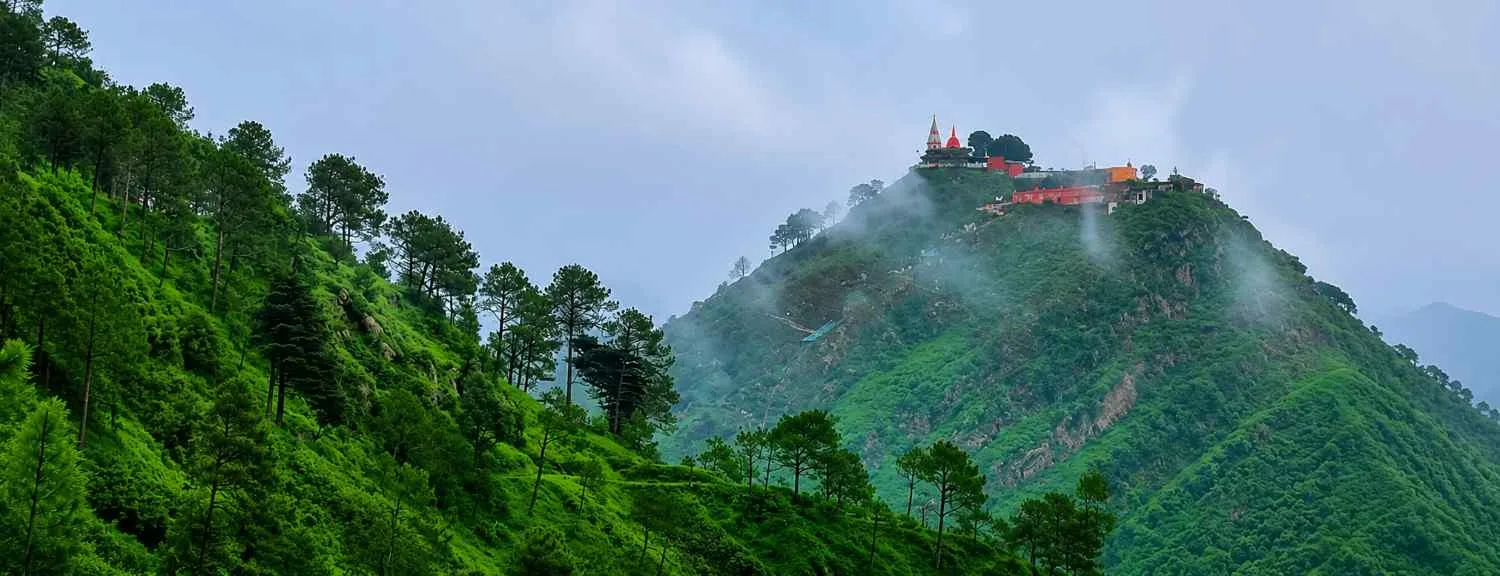
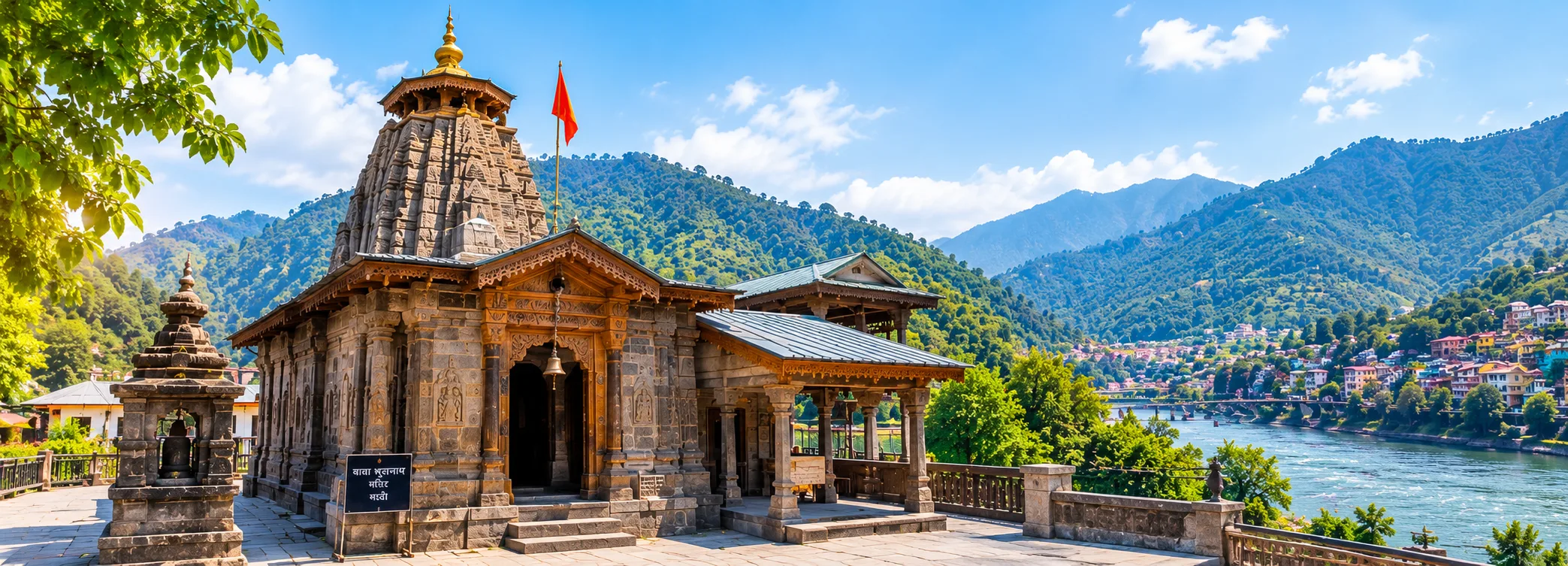
Baba Bhootnath Temple Mandi: History, Timings & Travel Guide
Nestled in the heart of Mandi, Himachal Pradesh, Baba Bhootnath Temple Mandi is one of the most revered Hindu temples dedicated to Lord Shiva. Located in the historic Chouhata Bazaar area, this ancient shrine holds an important place in the religious and cultural heritage of Mandi, often called Chhoti Kashi because of its many temples.
The temple is traditionally associated with Raja Ajbar Sen, the founder of Mandi town, and plays a significant role in the celebrations of the famous Mandi Shivratri festival. Whether you are a devotee seeking blessings or a traveller interested in Himalayan heritage, this guide covers the temple's history, location, timings, architecture, travel directions and nearby attractions to help you plan your visit.
Where Is Baba Bhootnath Temple in Mandi?
Baba Bhootnath Temple is situated in Chouhata Bazaar, in the old town area of Mandi, Himachal Pradesh. Surrounded by traditional market streets, local shops and historic buildings, the temple offers visitors a glimpse into the spiritual character of this Himalayan town.
Mandi is known for its centuries-old temples, distinctive religious traditions and location along the Beas River. The Bhootnath Temple is one of its best-known religious landmarks and is particularly important during the annual Shivratri celebrations.
Bhootnath Temple Mandi Location
The temple is located in the Chouhata Bazaar area, making it accessible from the main commercial streets of Mandi.
Location: Baba Bhootnath Temple, Chouhata Bazaar, Mandi, Himachal Pradesh, India.
Google Maps: Find Baba Bhootnath Temple on Google Maps
Visitors can explore the surrounding market on foot and experience the blend of everyday local life and religious traditions that defines old Mandi.
How to Reach the Temple from Mandi Bus Stand
Mandi Bus Stand is a convenient starting point for visitors arriving by public transport. From the bus stand, travel towards the old town and Chouhata Bazaar area using a local taxi or auto-rickshaw.
You can also ask local residents or your driver for directions to Bhootnath Mandir. As the temple is situated among the town's market streets, walking through the surrounding area is a good way to explore nearby shops and heritage landmarks.
If you are visiting during Shivratri, allow additional time for travel because traffic restrictions, processions and large crowds may affect access to the temple.
History of Baba Bhootnath Temple
The Bhootnath Temple is closely connected with the history of Mandi and the development of the town as an important religious centre in Himachal Pradesh.
According to the Himachal Pradesh Tourism Department, the temple dates to the founding period of Mandi in 1520 AD. Its association with Raja Ajbar Sen, who founded the town, makes it an important landmark in Mandi's historical and cultural identity.
Over the centuries, the temple has remained a place of worship for devotees of Lord Shiva. Its religious importance becomes particularly visible during festivals, when the town welcomes visitors and participating village deities from different parts of the region.
When Was Baba Bhootnath Temple Built?
Baba Bhootnath Temple is traditionally dated to around 1520 AD, the period when Raja Ajbar Sen established Mandi as a town.
Mandi developed into a significant religious centre under its historic rulers, with temples dedicated to various Hindu deities becoming an integral part of its identity.
The Bhootnath Temple has continued to be an important part of this heritage. Its location in the old bazaar area also reflects the traditional relationship between temples, local markets and community life in historic Himalayan towns.
Although the temple's origins are associated with the early history of Mandi, visitors interested in specific restoration dates or detailed historical records should consult local temple authorities or official heritage sources.
Who Is Worshipped at Bhootnath Temple?
The temple is dedicated to Lord Shiva, one of the principal deities in Hinduism.
Lord Shiva is worshipped in many forms across India, representing themes such as transformation, meditation, spiritual wisdom and the cycle of creation and dissolution.
The name Bhootnath is commonly understood as a name of Shiva associated with his lordship over bhutas, a Sanskrit term that can refer to beings or spirits. In this form, devotees worship Shiva as a powerful and protective divine presence.
Visitors come to the temple to offer prayers, seek blessings and participate in religious observances. Shiva-related festivals and rituals are particularly significant here, especially during Mahashivratri.
Historical Importance of the Temple in Mandi
Mandi is frequently known as Chhoti Kashi because of its remarkable concentration of historic temples. Baba Bhootnath Temple is among the most prominent examples of this religious heritage.
The temple's importance extends beyond daily worship. It is closely associated with the traditions that make Mandi Shivratri one of the region's best-known cultural and religious events.
The town is also home to several other historic shrines, including Panchvaktra Mahadev Temple, Triloknath Temple and Mahamrityunjaya Temple.
Travellers interested in exploring more of Himachal Pradesh's religious heritage can also visit this historic Shiva temple in Himachal Pradesh, which offers another perspective on the region's temple architecture and devotional traditions.
Baba Bhootnath Temple Timings and Best Time to Visit
Planning your visit around the temple's opening hours can make your experience more comfortable, especially if you wish to attend morning prayers or visit during a festival.
Baba Bhootnath Mandir Timings
Exact daily opening and closing hours for Baba Bhootnath Temple are not consistently available through the official online sources consulted for this guide.
Timings may also differ during special religious observances, including Mahashivratri.
Before travelling specifically for darshan, check with local temple authorities or residents for the latest schedule.
Visitor tip: If you want to avoid the busiest periods, consider visiting outside major festival dates and confirming the day's arrangements before setting out.
Best Time to Visit Baba Bhootnath Temple
The temple can be visited throughout the year, subject to local conditions and temple arrangements.
Your ideal visiting time depends on whether you prefer a quieter spiritual experience or want to witness the region's major religious celebrations.
-
For a peaceful visit: Choose a regular day outside major festivals, when the surrounding market and temple area may be less crowded.
-
For religious celebrations: Plan your trip around Mahashivratri to experience Mandi's distinctive devotional traditions.
-
For sightseeing: Combine your temple visit with a walk through old Mandi and other nearby historic landmarks.
-
For comfortable travel: Check weather and road conditions before travelling to Mandi, particularly during the monsoon and winter seasons.
During Shivratri, the temple and surrounding areas can become exceptionally busy. Plan additional time for local travel and follow instructions issued by the authorities.

Why Is Baba Bhootnath Temple Famous During Mandi Shivratri?
Mandi Shivratri is one of the most distinctive religious and cultural festivals in Himachal Pradesh. The celebration brings together temple traditions, village deities, processions, music and community gatherings.
Baba Bhootnath Temple occupies a central place in these festivities and is closely associated with the ceremonial beginning of the festival.
According to the official tourism information for Himachal Pradesh, the festival traditionally involves the arrival of numerous village deities, accompanied by their followers, who gather in Mandi for the celebrations.
Temple's Role in the Shivratri Festival
The celebrations are associated with Lord Shiva and the wider devotional traditions of Mandi.
Bhootnath Temple is a focal point for important religious observances, and the arrival of Mahdo Rao and other deities at the temple is traditionally associated with the beginning of the festival.
The temple becomes especially significant during this period as devotees gather to offer prayers and participate in the ceremonies.
The festival typically takes place around February or March, depending on the Hindu lunar calendar. The exact dates change each year, so visitors should confirm the official schedule before planning their trip.
Religious Processions and Local Deities
One of the most remarkable aspects of Mandi Shivratri is the participation of village deities from different parts of the region.
Many deities are carried in decorated palanquins, accompanied by devotees and traditional ceremonial music. Their arrival reflects the living religious traditions of Himachal Pradesh and the longstanding relationship between local communities and their deities.
The festival is not limited to temple worship. It also includes cultural programmes, local markets, exhibitions and community gatherings.
For visitors, these traditions offer an opportunity to understand the cultural significance of Mandi beyond its reputation as a gateway to popular Himalayan destinations.
Tips for Visiting During Shivratri
If you plan to visit Baba Bhootnath Temple during Shivratri, keep the following points in mind:
-
Book accommodation early: Hotels and guesthouses may fill up quickly during the festival.
-
Allow extra travel time: Processions and traffic restrictions may affect access to the old town.
-
Check the official dates: Festival dates vary annually, and individual ceremonies may follow their own schedules.
-
Respect religious customs: Follow instructions from temple staff and festival volunteers.
-
Carry essential items: Comfortable walking shoes, drinking water and weather-appropriate clothing can be useful.
-
Expect crowds: If you prefer a quieter darshan, consider visiting outside the main festival period.
The festival provides a particularly rewarding experience for travellers interested in the religious traditions and cultural life of the Himalayan region.
Architecture of Baba Bhootnath Temple
Baba Bhootnath Temple is an important example of Mandi's historic religious architecture. Although the surrounding town has developed over the centuries, the temple continues to represent the area's traditional devotional heritage.
Visitors can appreciate the shrine as both a place of worship and a landmark associated with the early history of Mandi.
Main Shrine and Religious Features
The temple's main shrine is dedicated to Lord Shiva and forms the centre of religious activity.
As with other Shiva temples, the sanctum and its principal object of worship are central to the devotional experience. Visitors may observe devotees offering prayers and participating in rituals, depending on the arrangements in place.
The temple is particularly meaningful during religious festivals, when special decorations and observances may be organised.
Specific architectural details and restoration history should be verified with local temple authorities before being presented as definitive historical facts.
Religious Symbols and Temple Surroundings
The temple's surroundings are an important part of its character.
Located in the historic market area, the shrine sits within a neighbourhood where religious traditions and everyday commercial life continue side by side.
The nearby streets provide a sense of old Mandi, with local shops and pedestrian routes connecting different parts of the historic town.
Visitors can take time to explore the area while remaining mindful that the temple is an active place of worship rather than simply a sightseeing attraction.
Photography and Visitor Etiquette
If you wish to photograph the temple, check for any restrictions before taking pictures.
Rules may differ between the exterior, inner shrine and special religious ceremonies. Always follow instructions from temple staff and avoid photographing worshippers without their permission.
Maintaining a respectful atmosphere is particularly important during prayers and festival rituals.
How to Reach Baba Bhootnath Temple, Mandi
Mandi is well connected to other parts of Himachal Pradesh and neighbouring states by road. The temple is located within the town, making it accessible to travellers who arrive by bus, taxi or private vehicle.
How to Reach from Mandi Bus Stand
If you arrive at Mandi Bus Stand, head towards the old town and Chouhata Bazaar.
A local taxi or auto-rickshaw can take you towards the temple area. Depending on your exact starting point and local traffic arrangements, you may need to walk through the surrounding market streets to reach the shrine.
If you are unfamiliar with the town, use a navigation application and confirm the final approach with your driver.
During Shivratri and other major events, follow local traffic directions rather than relying entirely on your usual route.
How to Reach Mandi by Road
Road travel is one of the most convenient ways to reach Mandi.
The town is connected to major destinations in Himachal Pradesh and northern India, including Chandigarh, Shimla, Delhi, Manali and Dharamshala.
Regular bus services operate between Mandi and several towns in the region. Travellers can also use private taxis or their own vehicles.
If you are travelling from outside Himachal Pradesh, you can generally reach Mandi by bus or car from Chandigarh and other major transport centres.
Road conditions and travel times vary according to the season, traffic and weather. During the monsoon, check for landslides or road closures before departure.
Nearest Airport and Railway Station
By air: Bhuntar Airport, also known as Kullu-Manali Airport, is the nearest airport commonly used for travel to Mandi. It is approximately 60 km from Mandi city, although the actual journey depends on the route and traffic conditions.
Flights and schedules may be limited, so check current availability before choosing this option. You can continue from the airport towards Mandi by road.
By train: Mandi does not have a broad-gauge railway station within the town. Chandigarh and Kiratpur Sahib are among the railway connections travellers may consider, depending on their origin and onward transport plans.
Joginder Nagar is connected by the Kangra Valley narrow-gauge railway, but reaching Mandi from there requires an additional road journey.
By bus: Mandi is connected by regular bus services to several major towns in Himachal Pradesh and neighbouring states. For many travellers, arriving by road is the simplest option.
Check current transport schedules before departure, especially if your visit coincides with a festival or adverse weather.
Places to Visit Near Baba Bhootnath Temple
A visit to Baba Bhootnath Temple can be combined with sightseeing around Mandi. The town and its surrounding region offer historic temples, river views, traditional markets and mountain landscapes.
Here are some places to consider adding to your itinerary.
Prashar Lake
Prashar Lake is one of the best-known natural attractions in Mandi district.
Located in the mountains at an altitude of approximately 2,730 metres, the lake is famous for its scenic setting, surrounding meadows and forested slopes. A traditional pagoda-style temple dedicated to Sage Prashar stands beside the lake.
One of its distinctive features is a floating island that moves across the lake's surface.
Prashar Lake offers a very different experience from the historic streets of Mandi. Visitors can enjoy mountain scenery, explore the temple surroundings and experience the quieter atmosphere of the Himalayan landscape.
The lake is approximately 50 km by road from Mandi, although the journey may take longer depending on road conditions.
If you are planning an excursion, read our Prashar Lake travel guide for more information about the destination.
Travel tip: Check the latest road conditions before visiting. Weather, snowfall and landslides can affect access, and winter travel may require additional preparation.
Other Historic Temples in Mandi
Mandi is home to several historic temples that make it an appealing destination for religious and heritage tourism.
If you have time after visiting Baba Bhootnath Temple, consider exploring the following sites.
Panchvaktra Mahadev Temple
Located near the confluence of the Beas and Suketi rivers, Panchvaktra Mahadev Temple is dedicated to Lord Shiva. Its religious importance and distinctive setting make it one of Mandi's notable temple landmarks.
Triloknath Temple
Triloknath Temple is another historic religious site in Mandi. It is associated with the town's longstanding temple traditions and offers visitors another perspective on its spiritual heritage.
Mahamrityunjaya Temple
Mahamrityunjaya Temple is known for its association with Lord Shiva in the Mahamrityunjaya form. It is an important stop for visitors interested in the religious landmarks of old Mandi.
Tarna Devi Temple
Situated on Tarna Hill overlooking Mandi, Tarna Devi Temple is dedicated to the goddess Shyam Kali. The elevated location also offers views of the surrounding town and valley.
Before visiting multiple temples in one day, check their locations, opening arrangements and local access conditions.
Victoria Bridge and Indira Market
If you would like to explore Mandi beyond its temples, Victoria Bridge and Indira Market are worth considering.
Victoria Bridge is a historic bridge associated with Mandi's heritage. It offers an opportunity to appreciate the town's older infrastructure and its relationship with the Beas River.
Indira Market is a prominent shopping area where visitors can explore local shops and experience the everyday atmosphere of the town.
Both can complement a visit to the old bazaar area, depending on your interests and the time available.
Local traffic, walking routes and festival arrangements can affect access, so check directions before setting out.
Travel Tips for Visiting Baba Bhootnath Temple
A little preparation can help make your visit to Baba Bhootnath Temple comfortable and respectful.
Keep these practical tips in mind before travelling.
1. Wear comfortable and respectful clothing
Choose clothing suitable for a place of worship. Comfortable footwear is also useful if you plan to walk through the market streets and visit other temples nearby.
2. Check temple timings in advance
Exact daily opening hours are not consistently published in the official online sources consulted for this guide. Confirm the current timings locally, especially if you are travelling specifically for darshan.
3. Follow footwear and photography rules
Ask about footwear arrangements before entering the temple. Check whether photography is permitted in the areas you intend to visit and follow any restrictions during religious ceremonies.
4. Plan around festival crowds
Mandi Shivratri attracts devotees and visitors from across the region. Book accommodation early, allow extra time for local travel and follow official traffic arrangements.
5. Check parking and local transport
The temple is located in the old market area, where streets may be busy and vehicle access may be limited. Consider using local transport and walking the final stretch where necessary.
6. Respect local religious traditions
Avoid disrupting prayers, maintain a respectful atmosphere and seek permission before photographing worshippers or religious ceremonies.
7. Check weather and road conditions
If you are travelling to Mandi from another part of Himachal Pradesh, check local weather forecasts and road updates. Mountain roads can be affected by heavy rain, snowfall and landslides.
8. Explore the surrounding town
Allow time to walk through the old bazaar and visit other nearby heritage sites. Mandi's cultural identity is closely connected to its temples, traditional markets and community festivals.
Plan Your Visit to Baba Bhootnath Temple
Baba Bhootnath Temple is more than a historic shrine in Mandi. It represents the town's longstanding devotion to Lord Shiva and its distinctive cultural traditions, which become especially visible during the annual Shivratri celebrations.
From its association with Raja Ajbar Sen to its place in the religious life of old Mandi, the temple offers visitors an opportunity to explore the spiritual heritage of Himachal Pradesh.
Whether you are planning a dedicated pilgrimage, a heritage walk through the old bazaar or a wider trip to explore the Himalayan region, the temple is a worthwhile addition to your itinerary.
Before you travel, confirm the current temple timings, check local transport arrangements and review weather conditions. If your visit coincides with Shivratri, plan ahead for crowds and accommodation.
Explore Mandi, discover its historic temples and experience the cultural traditions that make Himachal Pradesh a memorable destination.
Frequently Asked Questions
More from
Himalayas Digital
Top 25 Singers in Himachal Pradesh: Famous Himachali Artists You Should Know

IPL 2026 in Dharamshala: Match Dates, Tickets, Hotels & Complete Travel Guide

Hemis Monastery: Ladakh’s Largest & Most Famous Gompa

Manki Point Kasauli: Complete Travel Guide (2026) – Timings, Entry Fee, History & How to Reach