
10 Best Places to Visit in Nagaland in 2026
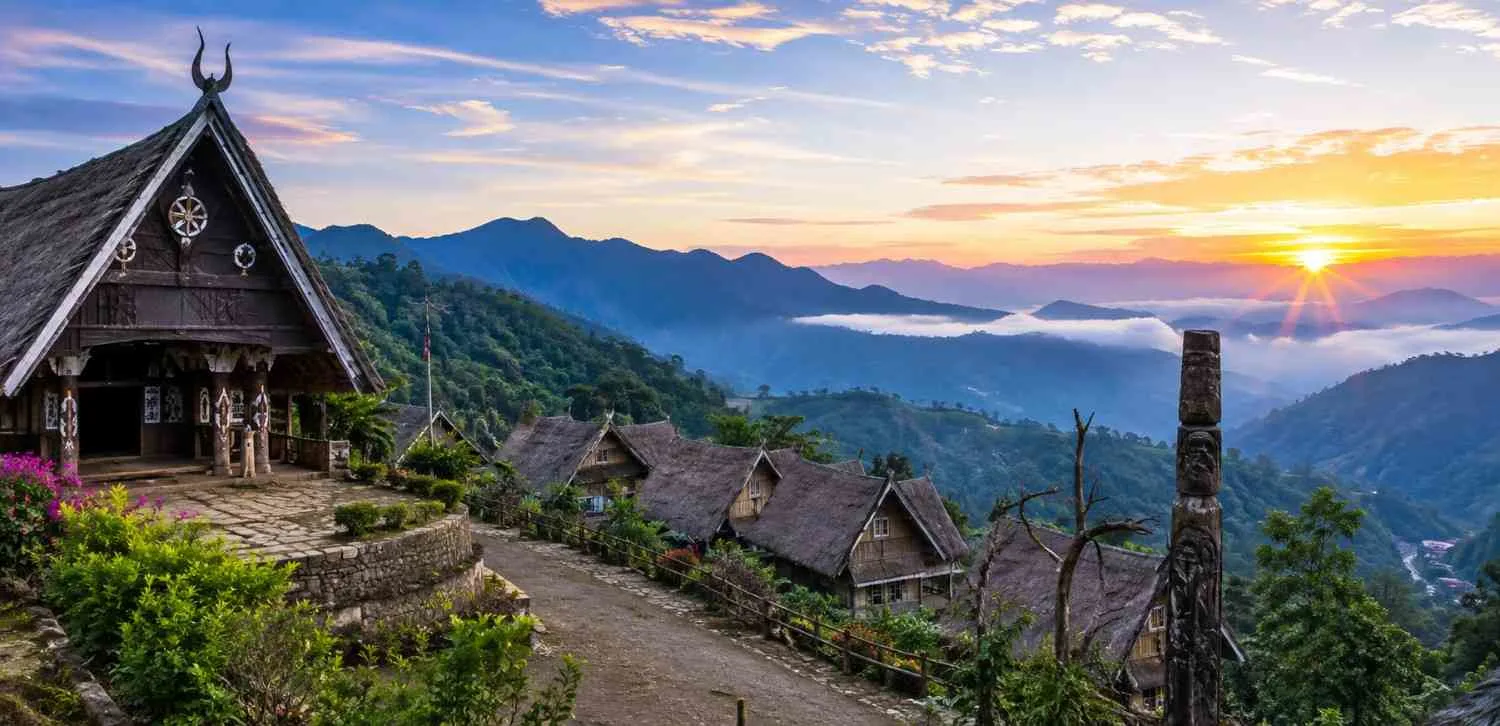
Nagaland, in Northeast India, is known for its forested hills, scenic valleys, traditional villages, rich tribal heritage and vibrant cultural traditions. From the historical attractions of Kohima and the trekking landscapes of Dzukou Valley to the cultural heritage of Mon and Mokokchung, Nagaland offers a wide range of experiences for travellers.

Nagaland, in Northeast India, is known for its forested hills, scenic valleys, traditional villages, rich tribal heritage and vibrant cultural traditions. From the historical attractions of Kohima and the trekking landscapes of Dzukou Valley to the cultural heritage of Mon and Mokokchung, Nagaland offers a diverse range of experiences for travellers.
The best places to visit in Nagaland include Kohima, Dzukou Valley, Khonoma, Kisama Heritage Village, Mokokchung, Mon, Wokha, Pfutsero, Tuophema and Dimapur. The state is particularly appealing to nature lovers, trekkers, photographers, culture enthusiasts, road-trip travellers and offbeat explorers.
| Research Note: This guide is based on destination research and tourism information and is intended as a practical travel-planning resource. It does not represent the author's first-hand travel experience. Road conditions, permits, transport, accommodation and festival schedules can change, so verify important information with official sources before travelling. |
Quick Answer: Best Places to Visit in Nagaland
The best places to visit in Nagaland are Kohima for history and culture, Dzukou Valley for trekking, Khonoma for heritage and conservation, Kisama Heritage Village for Naga culture and festivals, Mokokchung for Ao Naga heritage, Mon for Konyak culture, Wokha for scenic landscapes, Pfutsero for a peaceful mountain escape, Tuophema for village experiences and Dimapur for history and connectivity.
| Place | Best Known For | Best For |
|---|---|---|
| Kohima | History and culture | First-time visitors |
| Dzukou Valley | Trekking and landscapes | Adventure travellers |
| Khonoma | Heritage and conservation | Culture travellers |
| Kisama | Naga culture and festivals | Festival travellers |
| Mokokchung | Ao Naga heritage | Cultural exploration |
| Mon | Konyak heritage | Offbeat travellers |
| Wokha | Hills and rural landscapes | Nature lovers |
| Pfutsero | Peaceful surroundings | Slow travel |
| Tuophema | Village experiences | Cultural tourism |
| Dimapur | History and connectivity | Short stays |
1. Kohima — Best for History and Naga Culture
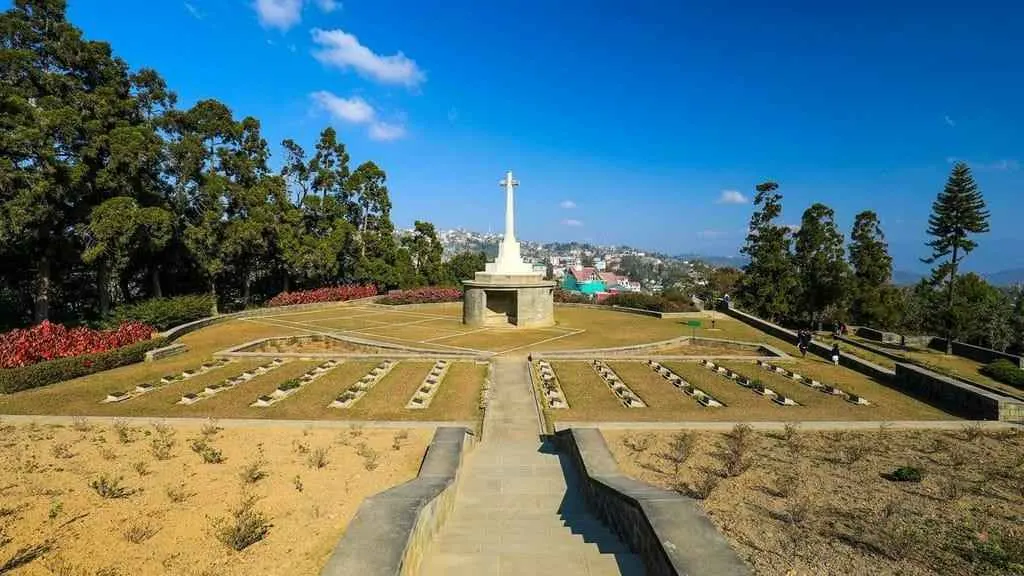
Kohima, the capital of Nagaland, is one of the best places to begin exploring the state. The hill city combines Naga culture, historical attractions, local markets and access to several nearby destinations.
The Kohima War Cemetery is one of the city's important historical sites and commemorates soldiers who died during the Second World War. Visitors can also explore local markets, viewpoints and cultural attractions around the city.
Why visit Kohima? It offers a convenient introduction to Nagaland's history, culture and hill landscapes.
Best for: First-time visitors, families, history lovers and culture enthusiasts
Suggested stay: 1–2 days
2. Dzukou Valley — Best for Trekking and Mountain Landscapes
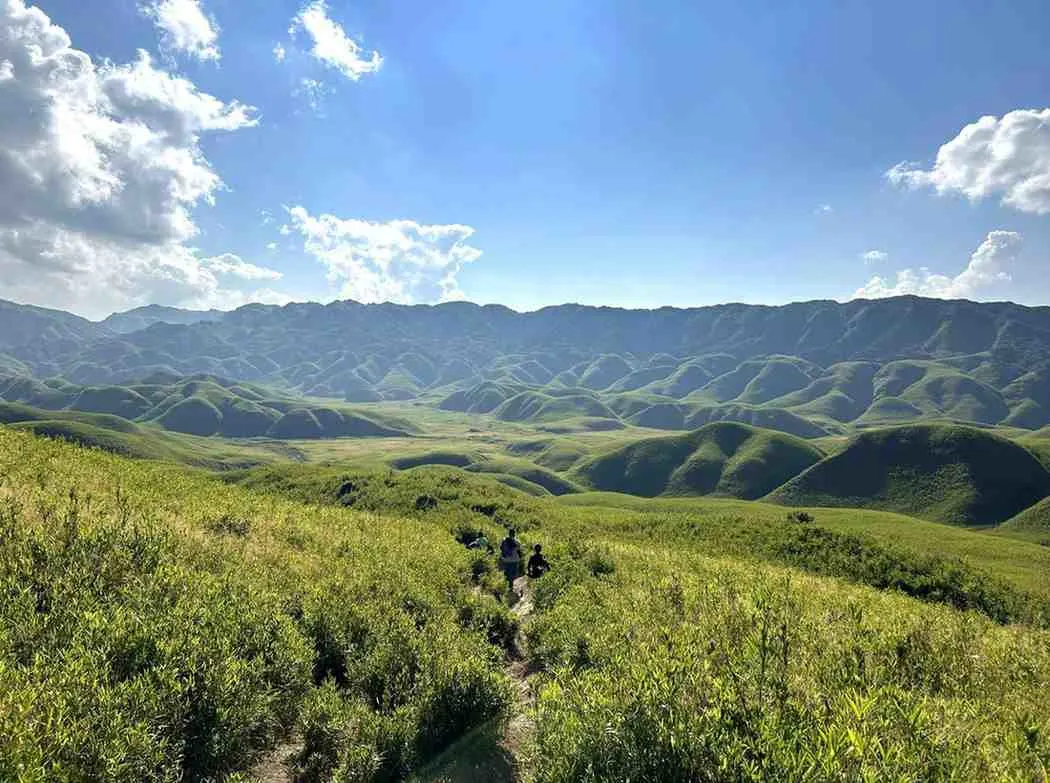
Dzukou Valley is among Nagaland's most scenic destinations for trekking and outdoor experiences. Located in the hills along the Nagaland-Manipur border, the valley is known for rolling landscapes, seasonal flowers, streams and dramatic mountain scenery.
The valley is particularly associated with the Dzukou lily, known for its seasonal appearance. Trekking conditions can vary with weather and trail conditions, so travellers should prepare appropriately and check local guidance before starting the trek.
Why visit Dzukou Valley? It is one of Nagaland's best-known trekking destinations, offering expansive valley views, seasonal flowers and mountain landscapes.
Best for: Trekkers, nature lovers, photographers and adventure travellers
3. Khonoma — Best for Heritage and Conservation
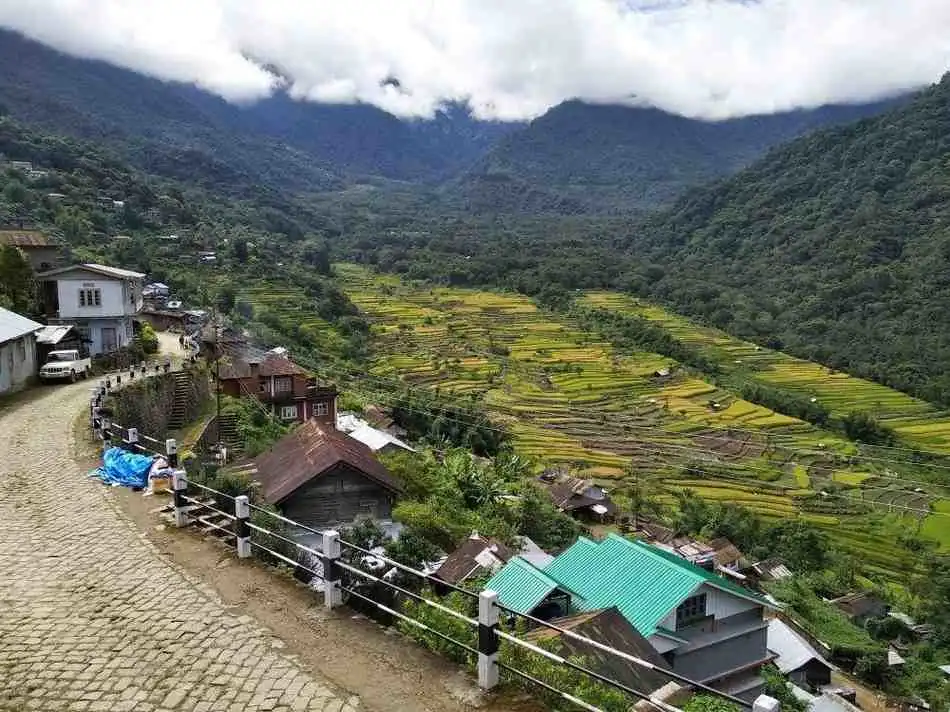
Khonoma is a historic Angami Naga village located near Kohima. Surrounded by forests and terraced landscapes, the village is known for its cultural heritage, traditional setting and community-led conservation efforts.
The Khonoma Nature Conservation and Tragopan Sanctuary reflects local efforts to protect forests and wildlife. Visitors can explore the village environment, learn about local traditions and enjoy the surrounding landscapes.
Why visit Khonoma? It is a good choice for travellers interested in Naga village heritage, conservation and slower travel experiences.
Best for: Culture travellers, photographers, responsible travellers and slow travellers
4. Kisama Heritage Village — Best for Naga Culture and Festivals
Located near Kohima, Kisama Heritage Village provides an introduction to the cultural traditions of Nagaland's Naga communities. The heritage complex features traditional-style structures representing different communities and is the main venue for the annual Hornbill Festival.
The Hornbill Festival is held in December and features traditional performances, food, music, handicrafts and cultural activities. Travellers planning a festival visit should check the latest official schedule before booking accommodation and transport.
Kisama can also be visited outside the festival period by travellers interested in Naga heritage and traditional culture.
Best for: Culture enthusiasts, families, photographers and festival travellers
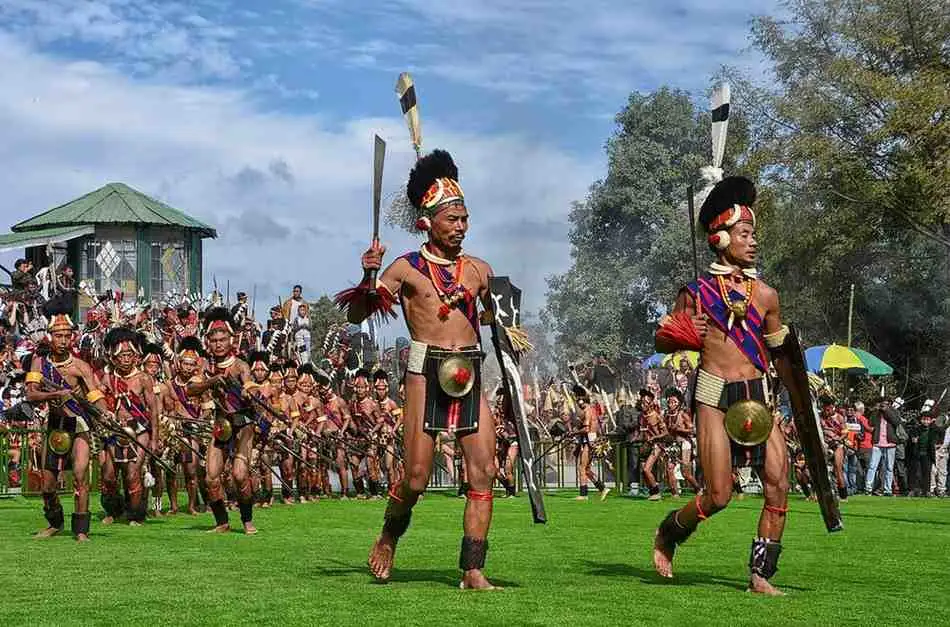
5. Mokokchung — Best for Ao Naga Culture
Mokokchung is an important cultural destination associated with the Ao Naga community. The hill town and surrounding villages offer opportunities to learn about local traditions, lifestyles and cultural heritage.
Travellers can explore nearby villages and scenic surroundings rather than limiting their visit to the town itself. This makes Mokokchung suitable for visitors looking for a slower and more immersive experience.
Best for: Cultural travellers, photographers, offbeat travellers and slow travel
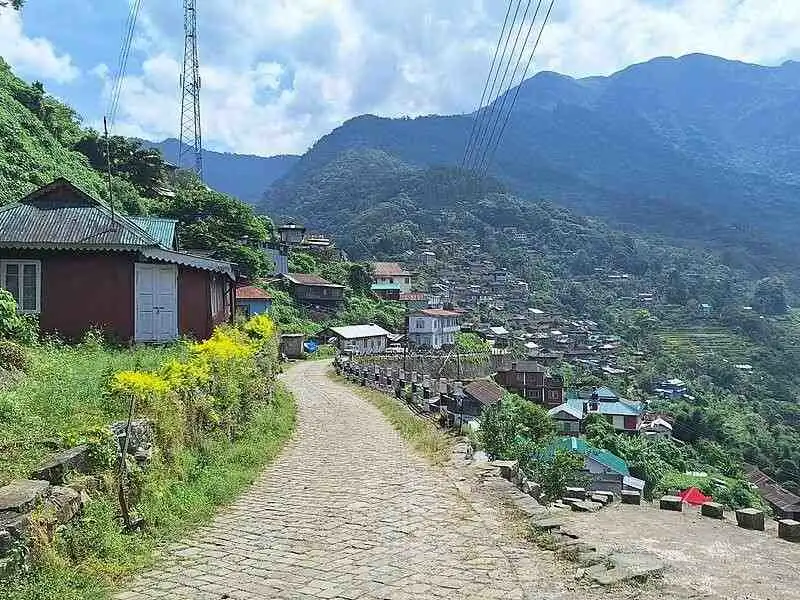
6. Mon — Best for Konyak Heritage
Mon is one of Nagaland's distinctive cultural destinations and is strongly associated with the Konyak Naga community. Traditional villages, local crafts and cultural heritage make the region particularly interesting for travellers seeking experiences beyond conventional tourist routes.
Visitors should respect local customs and ask permission before photographing people, ceremonies or private spaces.
Why visit Mon? It provides an opportunity to learn about Konyak cultural heritage and explore a less conventional part of Nagaland.
Best for: Cultural explorers, photographers and offbeat travellers
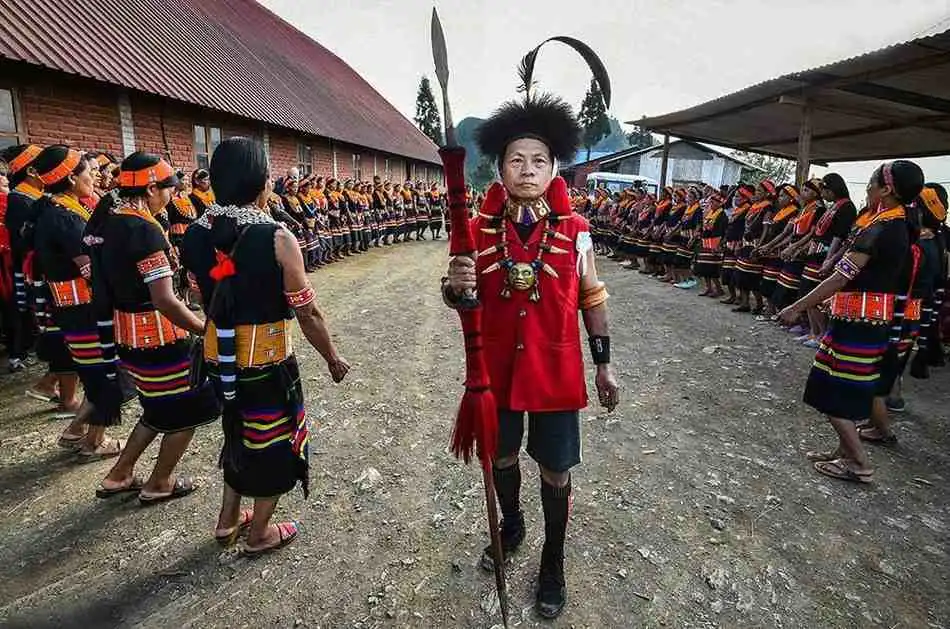
7. Wokha — Best for Nature and Scenic Landscapes
Wokha offers a quieter side of Nagaland, with green hills, rural landscapes and opportunities to experience local life away from the state's major tourist centres.
The destination is particularly suitable for road-trip travellers and photographers who enjoy mountain scenery, villages and less-commercialised surroundings.
Best for: Nature lovers, photographers, road trippers and offbeat travellers
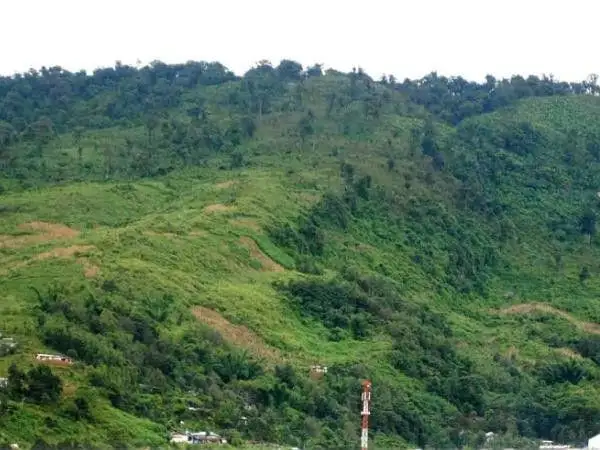
8. Pfutsero — Best for a Peaceful Mountain Escape
Pfutsero is a peaceful hill destination suited to travellers who prefer scenic surroundings and a slower travel experience. Its cool climate, mountain landscapes and village atmosphere make it appealing to nature lovers and photographers.
It is a good choice for travellers who want to spend more time enjoying the landscape rather than following a tightly packed sightseeing schedule.
Best for: Couples, nature lovers, photographers and slow travellers
9. Tuophema — Best for Village Experiences
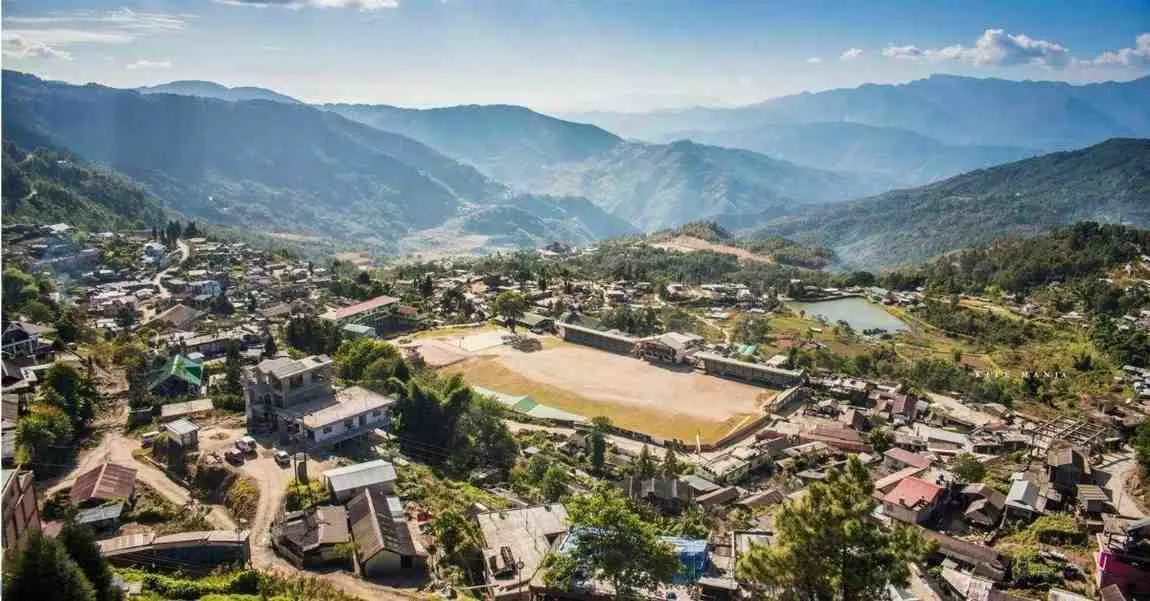
Tuophema is known for community-oriented tourism and opportunities to experience aspects of traditional Naga village life. Travellers can consider local stays, village walks, regional food and cultural experiences.
Staying locally can provide a deeper understanding of the area's traditions and everyday life than simply visiting for a few hours.
Best for: Cultural travellers, families, responsible travellers and slow travellers
10. Dimapur — Best for History and Connectivity
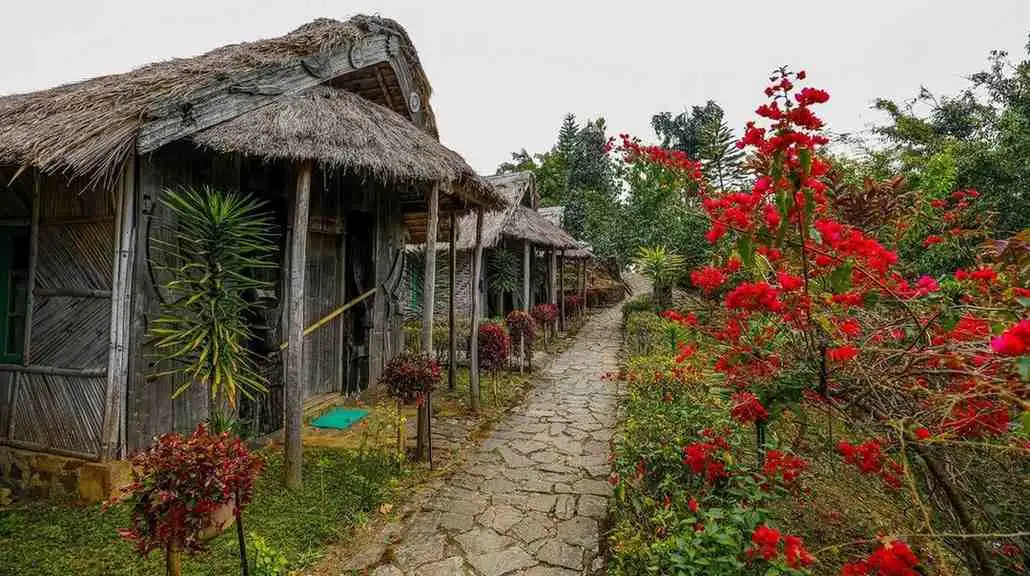
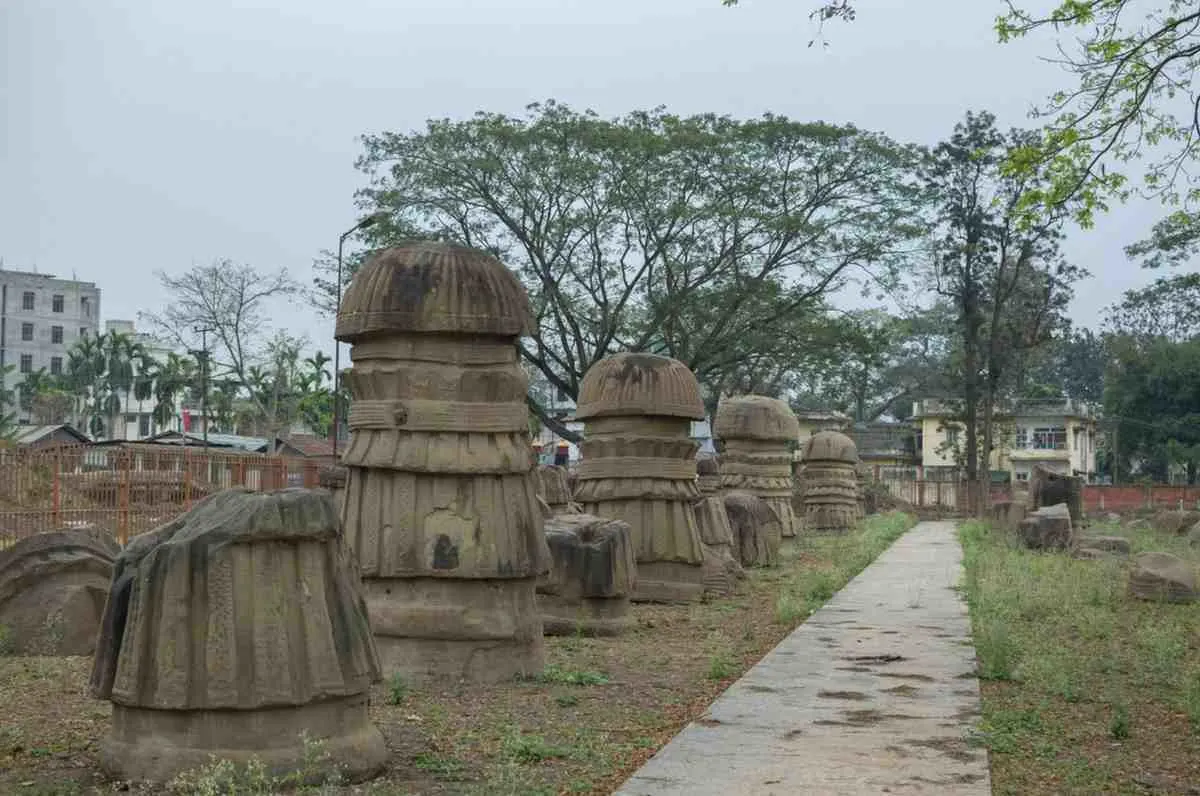
Dimapur is an important gateway to Nagaland and a practical starting or ending point for many trips. It is particularly convenient for travellers arriving by air or rail before continuing towards Kohima and other hill destinations.
History enthusiasts can explore the Kachari ruins, associated with the historic Kachari Kingdom. Dimapur is also useful for short stays before travelling further into the state.
Best for: First-time visitors, history lovers, short stays and transit travellers
Best Places in Nagaland by Travel Interest
| Travel Interest | Best Place |
| History | Kohima / Dimapur |
| Trekking | Dzukou Valley |
| Naga culture | Kisama / Khonoma |
| Village experience | Tuophema |
| Ao Naga heritage | Mokokchung |
| Konyak heritage | Mon |
| Nature | Wokha / Pfutsero |
| Photography | Dzukou Valley / Khonoma |
| Slow travel | Pfutsero / Tuophema |
| First-time visit | Kohima |
Best Places to Visit in Nagaland for First-Time Visitors
If you are visiting Nagaland for the first time, start with Kohima, Kisama Heritage Village, Khonoma and Dzukou Valley. Together, these destinations provide a balanced introduction to the state's history, Naga culture, village heritage and mountain landscapes.
Travellers with more time can extend their trip towards Mokokchung, Mon or Wokha for a broader cultural and nature-focused experience.
Best Time to Visit Nagaland
October to March is generally a convenient period for sightseeing, road trips and cultural exploration, although conditions can vary across the state.
November and December are particularly attractive for travellers interested in cultural events, with the Hornbill Festival taking place in December at Kisama Heritage Village. Check the latest official festival schedule before planning your trip.
April to May can appeal to travellers interested in spring landscapes and outdoor activities.
June to September is the monsoon period. The landscape becomes lush and green, but rainfall can affect roads and trekking conditions. Travellers should keep flexible schedules during this period.
How Many Days Are Enough for Nagaland?
A 5–7 day Nagaland itinerary is enough for a first trip covering destinations such as Kohima, Kisama, Khonoma and Dzukou Valley. Plan around 8–10 days if you want to explore places such as Mon, Mokokchung or Wokha.
3 days: Dimapur → Kohima → Kisama
5 days: Dimapur → Kohima → Khonoma → Kisama → Dzukou Valley
7 days: Add Mokokchung or Tuophema
8–10 days: Consider adding Mon, Wokha or Pfutsero.
Avoid including too many destinations in a short itinerary. Road journeys can take longer than expected because of hilly terrain, weather and changing road conditions.
How to Reach Nagaland
By Air
Dimapur Airport is the main air gateway to Nagaland. From Dimapur, travellers can continue towards Kohima and other destinations by road.
By Rail
Dimapur Railway Station is an important rail entry point for Nagaland and connects the state with the wider railway network.
By Road
Road travel is central to exploring Nagaland. Travellers can reach the state from Assam and other parts of Northeast India, while road connections link Dimapur and Kohima with destinations across the state.
What Is the Main Entry Point to Nagaland?
Dimapur is the main entry point for many travellers, with an airport and an important railway station. From Dimapur, travellers can continue by road towards Kohima and other destinations.
Getting Around Nagaland
Travellers can use shared taxis, local taxis, buses, private vehicles and organised road trips. For remote destinations and village visits, arranging transportation in advance is advisable.
Allow additional travel time for hill roads, weather-related delays and changing road conditions.
Things to Know Before Visiting Nagaland
Check Current Entry Requirements
Permit and entry requirements can change depending on traveller nationality and government regulations. Check the latest requirements through official Nagaland government or tourism sources before travelling.
Respect Local Communities
Nagaland is home to diverse Naga communities with distinct traditions and cultural identities. Follow local customs and community guidelines when visiting villages and cultural sites.
Ask Before Taking Photographs
Always seek permission before photographing people, ceremonies, cultural activities or private areas.
Keep Buffer Time
Weather and road conditions can affect travel, particularly during the monsoon. Avoid planning back-to-back transfers when travelling between remote destinations.
Carry Some Cash
Digital payment availability may vary in smaller towns and remote areas. Carrying some cash can be useful during longer road journeys.
Final Thoughts
Nagaland offers a distinctive combination of mountains, forests, history, living traditions and cultural diversity. For first-time visitors, Kohima, Kisama, Khonoma and Dzukou Valley provide a strong introduction to the state.
Travellers with more time can explore Mokokchung, Mon, Wokha, Pfutsero and Tuophema for a quieter and more immersive experience.
The best way to explore Nagaland is to travel at a comfortable pace, respect local communities and allow enough time for road journeys. Before travelling, verify current permit requirements, festival dates, transport information and local conditions through official sources.
Travel Information Sources
For current travel planning, travellers should check official Nagaland government and tourism resources for permit requirements, festival schedules, destination access, transport information and other time-sensitive updates.
Frequently Asked Questions
More from
Himalayas Digital
Top Places to Visit in Kashmir: 10 Best Tourist Destinations for 2026
Morjim Beach Goa: Things to Do, Best Time, How to Reach & Travel Guide 2026

Palolem Beach Goa: Things to Do, Best Time, How to Reach & Travel Guide 2026
Colva Beach Goa: Things to Do, Best Time, How to Reach & Travel Guide 2026