
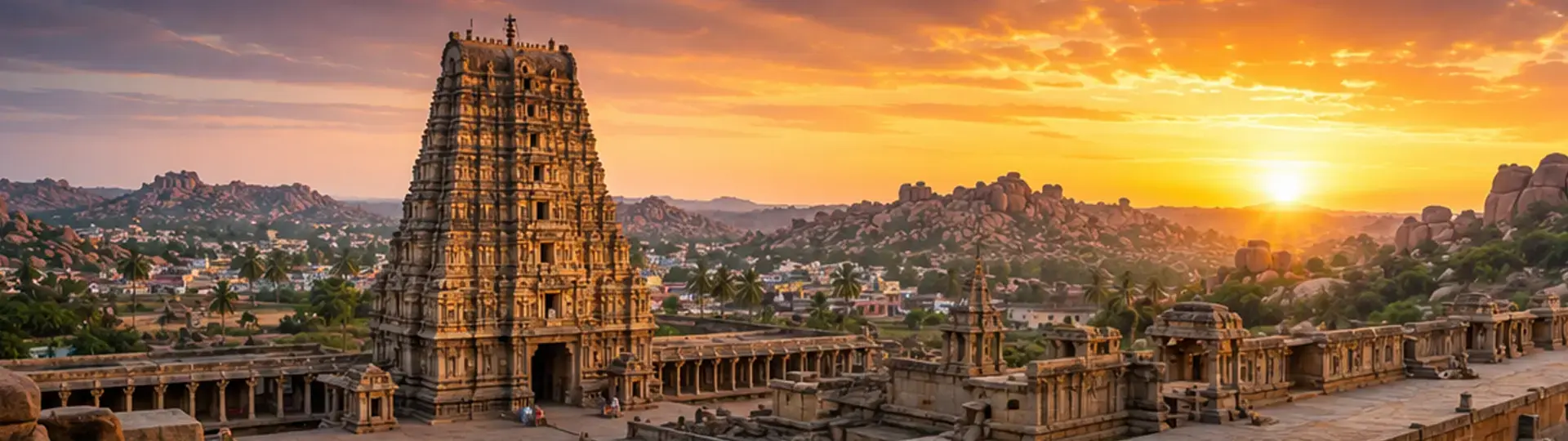
Hampi Travel Guide 2026 | UNESCO Ruins, Ancient Temples & Boulder Landscapes
Scattered across a dramatic landscape of giant granite boulders, ancient temples, royal enclosures, and riverside monuments, Hampi is one of India's most remarkable historical destinations. Once the thriving capital of the Vijayanagara Empire, Hampi is now a UNESCO World Heritage Site that attracts history enthusiasts, photographers, spiritual travelers, and culture lovers from across the world.

For many visitors, Hampi feels less like a tourist destination and more like an open-air museum where every structure tells a story from a forgotten era. From intricately carved temples and historic marketplaces to panoramic hilltop viewpoints and the scenic Tungabhadra River, the region offers a unique glimpse into one of South India's greatest civilizations.
This guide has been prepared through extensive research of historical sources, heritage documentation, tourism resources, and traveler experiences to help you understand Hampi's history and plan a well-informed visit.
Hampi — Walking Through the Lost Empire of Vijayanagara
The Rise and Fall of the Vijayanagara Kingdom
Founded in the 14th century, the Vijayanagara Empire became one of South India's most powerful kingdoms. Hampi flourished as its capital, serving as a center for trade, culture, religion, and architecture. At its peak, it was among the world's largest and wealthiest cities.
However, after the Battle of Talikota in 1565, the empire declined, and much of Hampi was abandoned. The ruins that remain today provide a remarkable glimpse into its former glory.
Why Hampi Became a UNESCO World Heritage Site
UNESCO recognized Hampi for its exceptional collection of temples, monuments, royal complexes, markets, and engineering achievements that represent the artistic and cultural achievements of the Vijayanagara civilization.
What Makes Hampi Unique in India
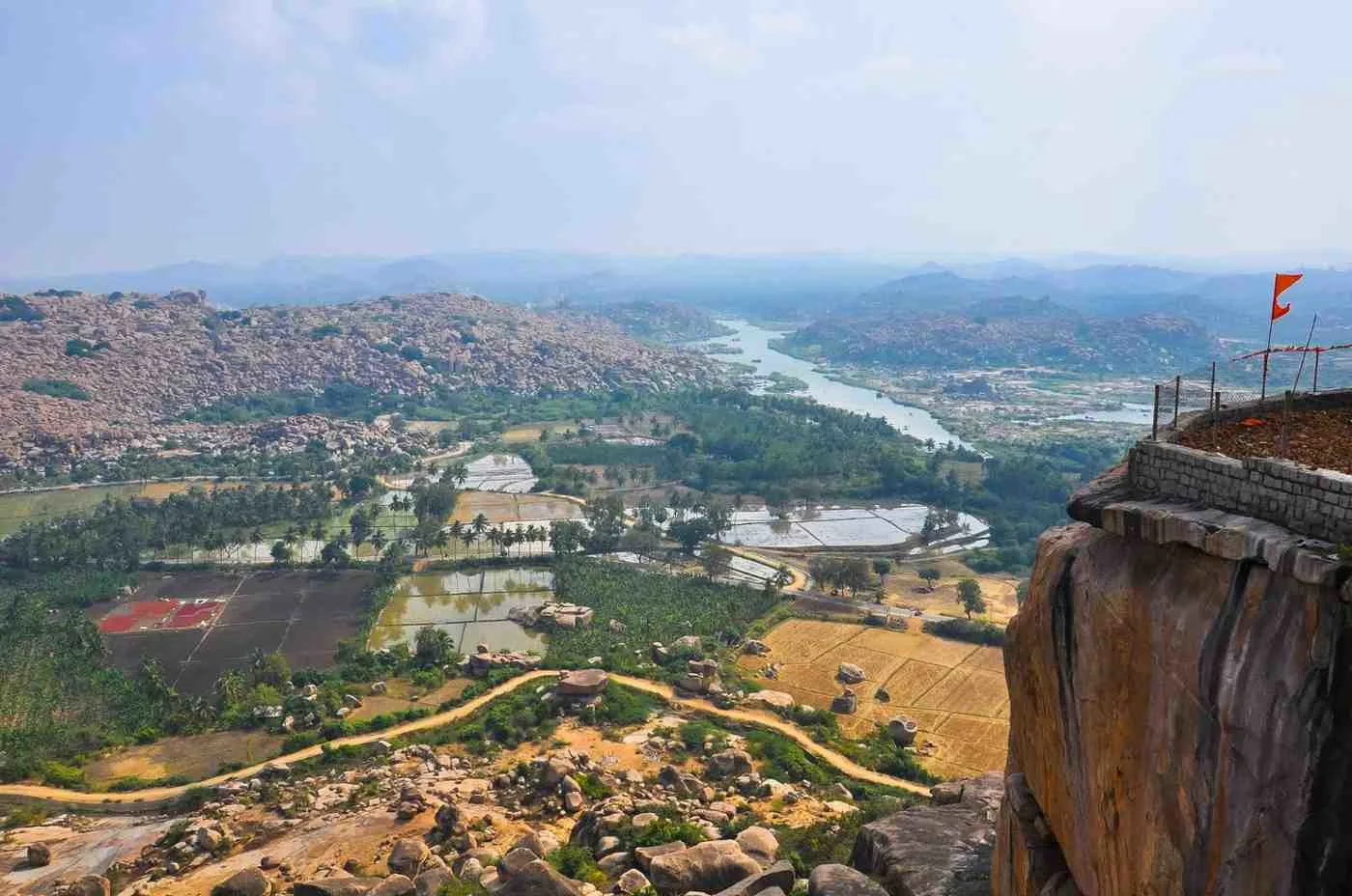
Few destinations combine dramatic natural landscapes with historical architecture as seamlessly as Hampi. Massive granite boulders surround intricately carved temples, creating a setting unlike anywhere else in India.
Understanding Hampi's Historical Zones
The region is broadly divided into:
- Sacred Center
- Royal Enclosure
- Riverside Ruins
- Vittala Temple Complex
- Anegundi Region
Each area reveals a different chapter of Hampi's fascinating history.
First Impressions of the Ancient City
Visitors often describe Hampi as mystical, timeless, and unlike anywhere else in India. The contrast between centuries-old ruins and massive natural boulder formations creates a landscape that feels both historical and surreal. Whether you're interested in architecture, photography, spirituality, or cultural exploration, Hampi offers experiences that leave a lasting impression on many travelers.
For more incredible destinations across the country, explore our Best Places to Visit in India guide.
Exploring the Sacred Heart of Hampi
Virupaksha Temple — Hampi's Living Temple
Dedicated to Lord Shiva, Virupaksha Temple remains one of the oldest functioning temples in India. Unlike many monuments in Hampi, daily worship continues here, preserving centuries of religious traditions.
The temple's towering gopuram dominates the skyline and serves as the spiritual heart of Hampi.
Ancient Rituals and Daily Worship
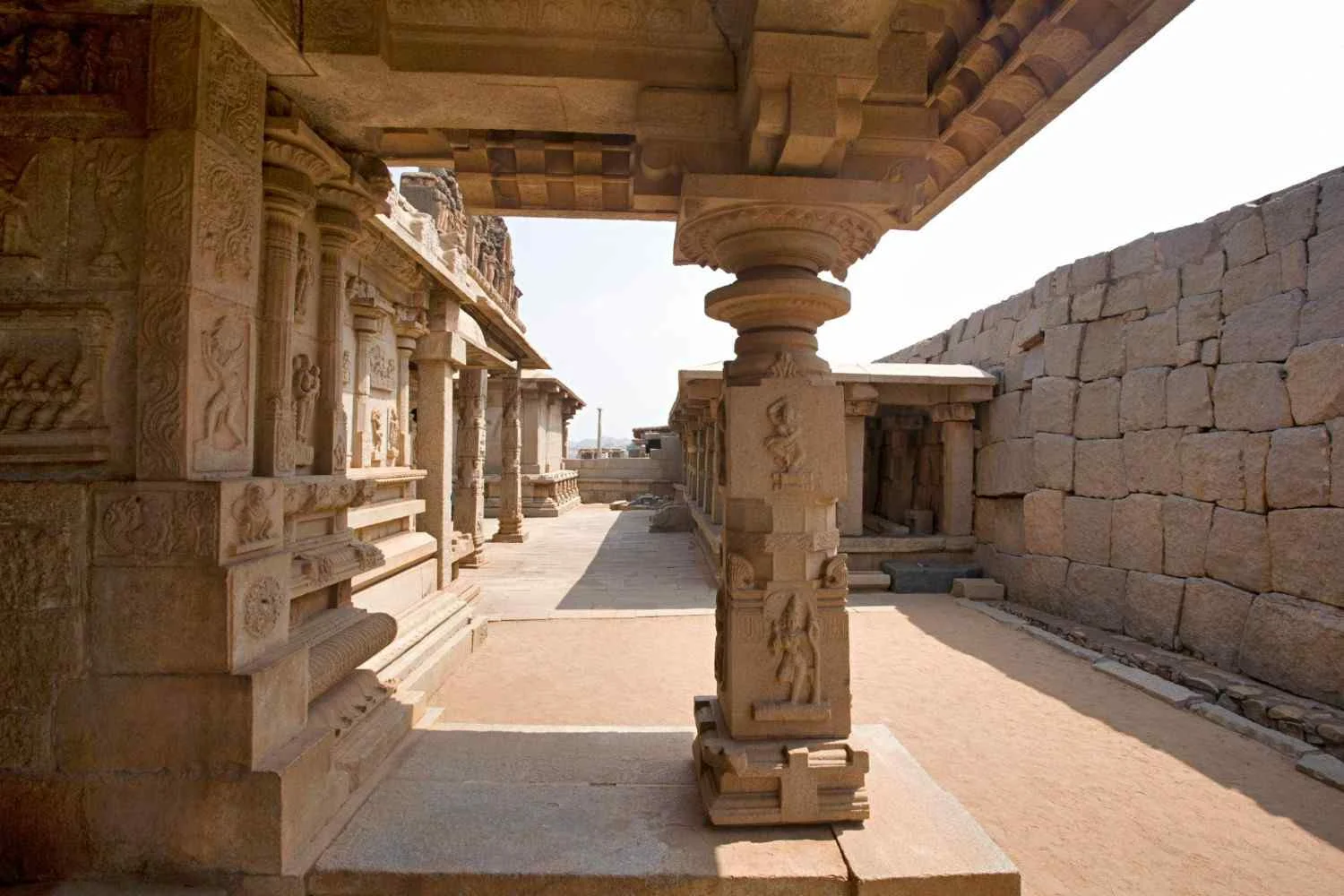
Pilgrims continue to visit Virupaksha Temple throughout the year. Morning prayers, festivals, and religious ceremonies create a living connection between Hampi's past and present.
Hampi Bazaar and Its Historic Significance
Located directly in front of the temple, Hampi Bazaar was once a thriving commercial center where traders from around the world exchanged precious goods, horses, gems, and spices.
Hemakuta Hill Sunset Experience
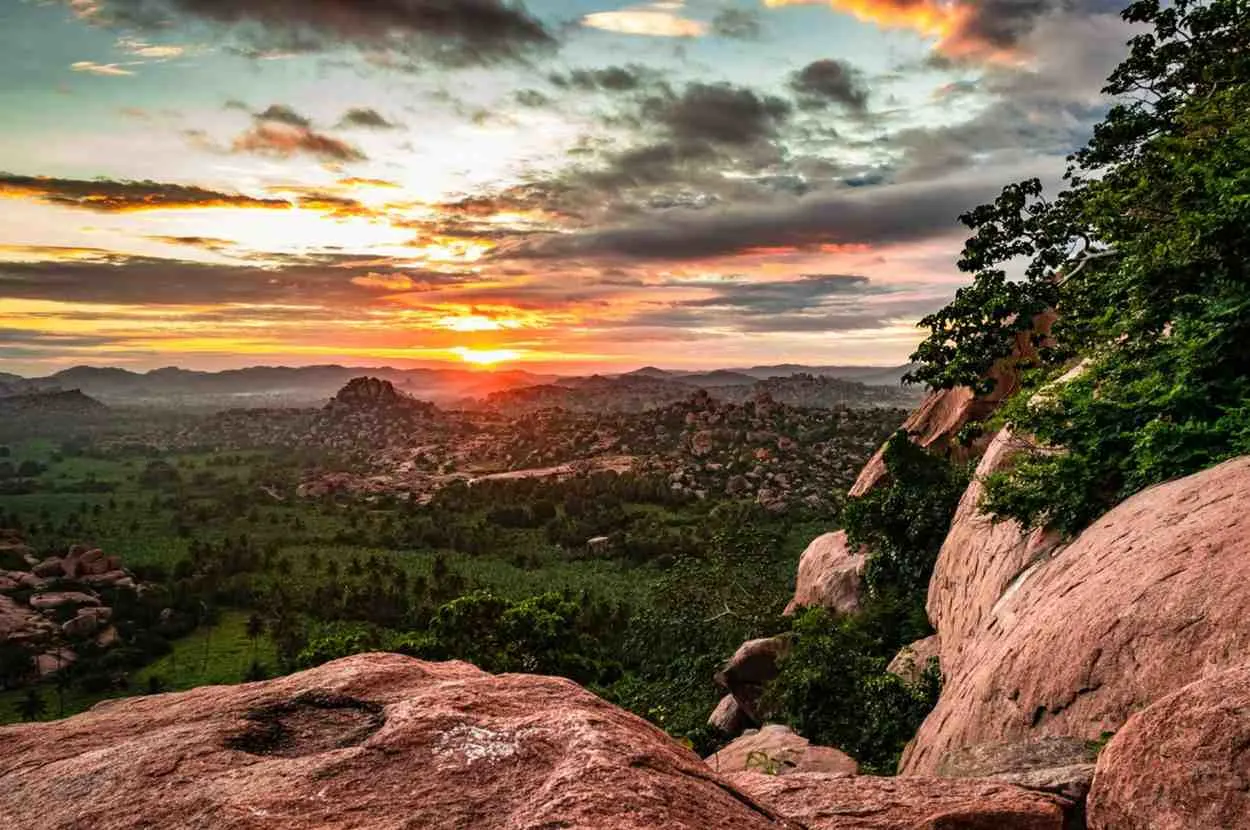
Just behind Virupaksha Temple lies Hemakuta Hill, one of the best locations for sunset views. Ancient shrines, giant boulders, and panoramic vistas make it a favorite among photographers.
Photography Spots Around Virupaksha Temple
Top photography locations include:
- Temple entrance gateway
- Hampi Bazaar street
- Hemakuta Hill viewpoints
- Temple courtyards
- Sunset overlooks
The golden hour lighting creates especially dramatic scenes.
The Architectural Marvels of Vittala Temple
The Story Behind the Stone Chariot
The Stone Chariot of Vittala Temple is one of India's most recognizable monuments. Often featured in tourism campaigns and currency notes, it symbolizes Hampi's architectural brilliance.
Despite its appearance, the chariot is actually a shrine dedicated to Garuda, the vehicle of Lord Vishnu.
Musical Pillars and Temple Engineering
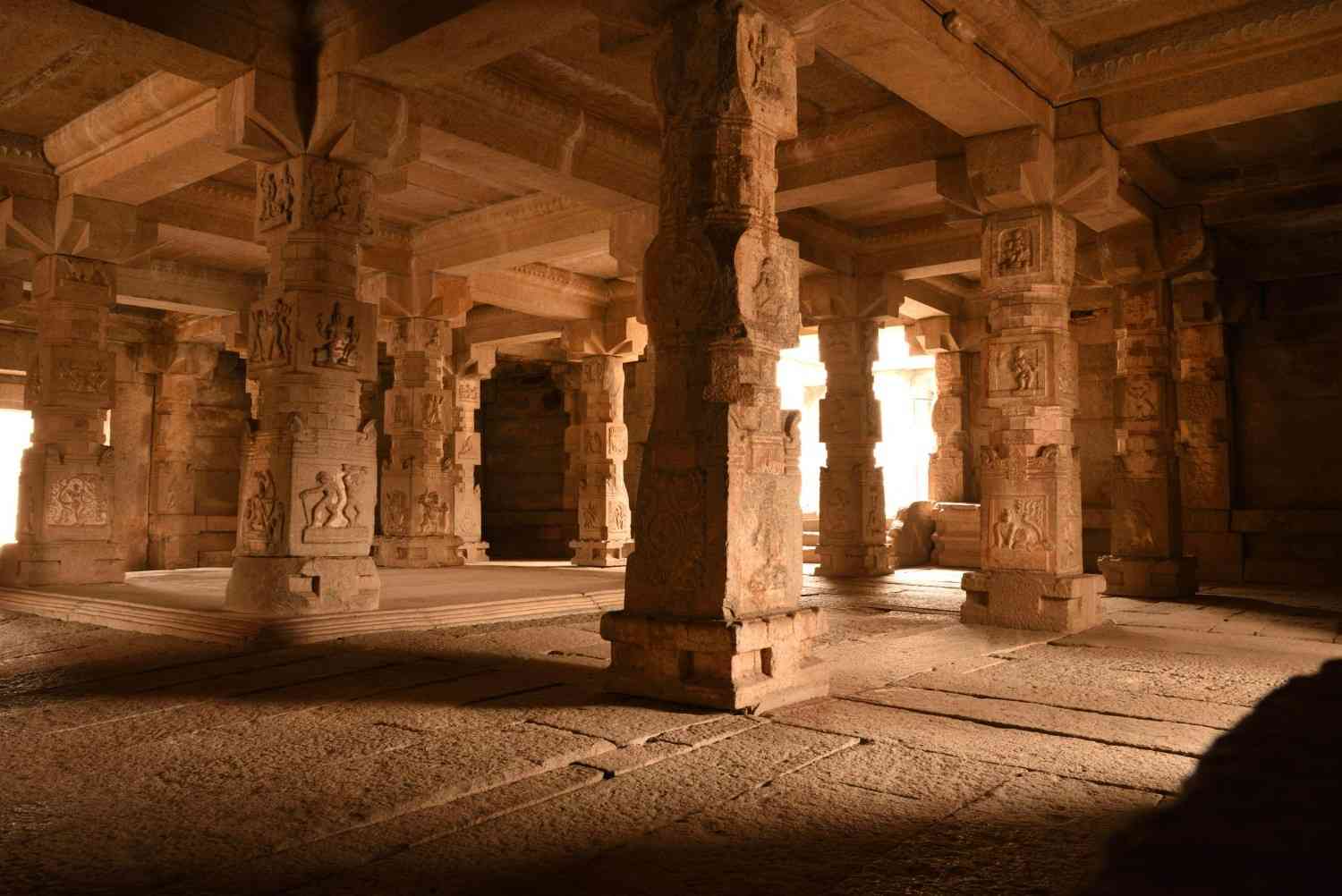
The temple's famous musical pillars are engineering masterpieces. Traditionally, certain pillars produced different musical tones when gently tapped, showcasing the advanced craftsmanship of Vijayanagara artisans.
Highlights Inside the Vittala Complex
Key attractions include:
- Stone Chariot
- Maha Mandapa
- Musical Pillars
- Ornate sculptures
- Temple courtyards
- Intricate carvings
Visitor Information and Entry Details
Visitors typically access the temple via a short electric shuttle ride from the parking area. Arriving early helps avoid crowds and heat.
Best Time to Explore the Temple
Early morning offers cooler temperatures, softer light, and fewer visitors, making it ideal for sightseeing and photography.
Travelers interested in Karnataka's broader cultural heritage may also enjoy our Mysore Travel Guide, which explores the royal legacy of the Wodeyar dynasty.
Hampi's Otherworldly Boulder Landscape
How the Famous Boulder Formations Were Created
Hampi's distinctive landscape formed over millions of years through geological processes that weathered ancient granite deposits into the spectacular formations visible today.
Best Viewpoints in Hampi
Top viewpoints include:
- Matanga Hill
- Hemakuta Hill
- Anjanadri Hill
- Malyavanta Hill
- Sunset Point
Each offers unique perspectives of the ruins and surrounding landscape.
Matanga Hill Sunrise Trek
Matanga Hill provides arguably the best sunrise experience in Hampi. The relatively short trek rewards visitors with panoramic views across temples, rivers, and boulder-strewn valleys.
Anjanadri Hill and Hanuman Connections
Many believe Anjanadri Hill to be the birthplace of Lord Hanuman. The hill attracts both pilgrims and photographers seeking spectacular views.
Hidden Trails and Photography Locations
Beyond the major attractions, numerous trails lead through quiet ruins, remote temples, and scenic viewpoints that reveal Hampi's lesser-known beauty.
Why Hampi Attracts Adventure Travellers
Rock climbing, trekking, cycling, photography, and exploration opportunities make Hampi particularly popular among adventure travelers and backpackers.
Life Along the Tungabhadra River
Traditional Coracle Ride Experience
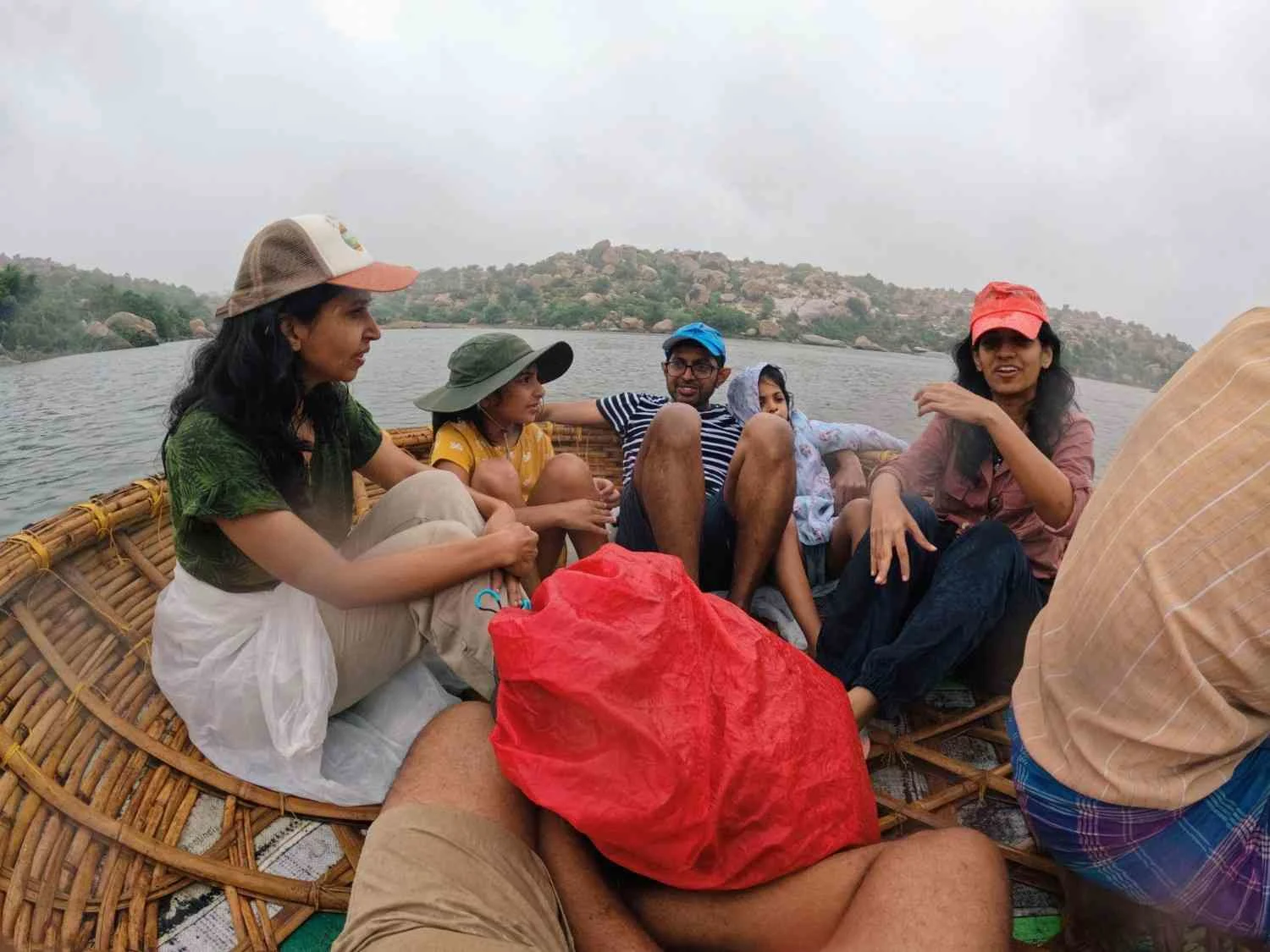
A coracle ride is one of Hampi's most memorable activities. These circular boats have been used for generations to cross the Tungabhadra River and transport goods.
Floating gently along the river offers unique views of temples, boulders, and riverside landscapes.
Riverside Temples and Ruins
Several ancient monuments line the riverbanks, including shrines, mandapas, and ceremonial structures that once played important roles in religious life.
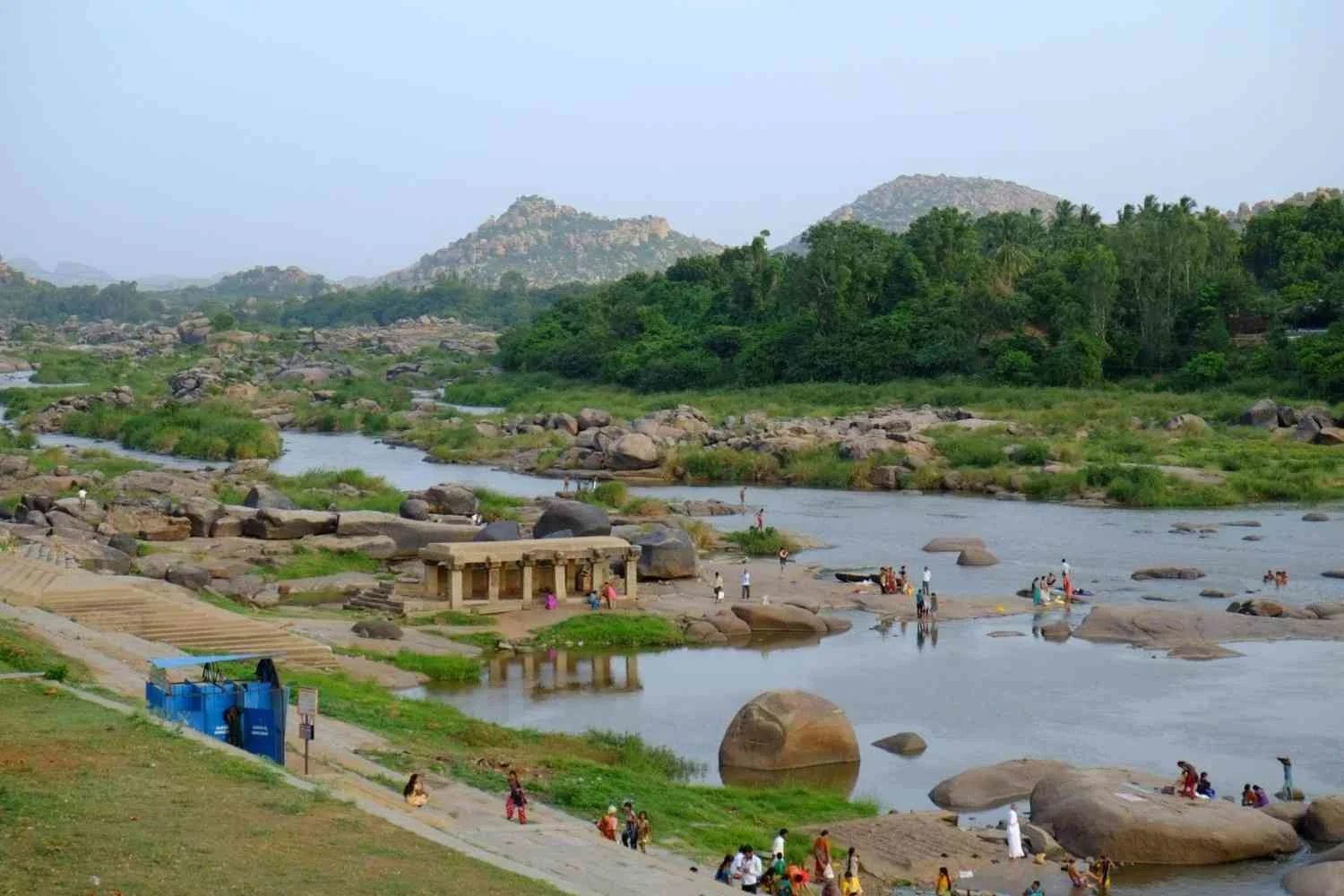
Exploring Hippie Island (Virupapur Gadde)
Across the river lies Virupapur Gadde, popularly known as Hippie Island. Although the area has evolved significantly in recent years, it remains known for its relaxed atmosphere, cafes, and scenic surroundings.
Sunset Views Along the River
The Tungabhadra River becomes especially beautiful during sunset when golden light reflects across the water and illuminates the surrounding boulders.
Cultural Experiences Beyond the Monuments
Village life, traditional farming, local crafts, and cultural interactions offer valuable insights beyond Hampi's famous ruins.
Those who enjoy historic riverfront destinations may also appreciate our Varanasi Travel Guide, which explores another iconic riverside heritage city in India.
Planning Your Hampi Adventure
How to Reach Hampi from Bangalore
Hampi is approximately 340 kilometers from Bangalore and can be reached by road, train, or a combination of rail and road transportation.
Nearest Railway Station and Airports
Nearest Railway Station
- Hosapete Junction (Hospet)
Nearest Airports
- Jindal Vijaynagar Airport
- Hubballi Airport
- Kempegowda International Airport, Bangalore
Local Transportation Options
Visitors commonly use:
- Auto-rickshaws
- Rental scooters
- Bicycles
- Guided tours
- Local taxis
Suggested 2-Day and 3-Day Hampi Itinerary
2-Day Itinerary
Day 1
- Virupaksha Temple
- Hampi Bazaar
- Hemakuta Hill
- Sunset viewpoint
Day 2
- Vittala Temple
- Stone Chariot
- Matanga Hill
- Coracle ride
3-Day Itinerary
Day 1
-
Sacred Center
Day 2
- Vittala Complex
- Riverside monuments
Day 3
- Anjanadri Hill
- Anegundi
- Local villages
Budget vs Heritage Stay Experiences
Budget guesthouses, backpacker hostels, boutique stays, and heritage-inspired accommodations cater to all travel styles and budgets.
Many travelers combine Karnataka's historical wonders with beach destinations featured in our Goa Travel Guide.
When Should You Visit Hampi?
Winter — The Best Season for Exploration
October through February offers pleasant temperatures and ideal conditions for sightseeing, trekking, and photography.
Summer Travel Conditions
Summer temperatures can become extremely hot, particularly during midday hours. Early morning and evening exploration are recommended.
Monsoon Landscapes and Greenery
Monsoon transforms Hampi's rocky terrain into a greener and more vibrant landscape.
Best Time for Photography
Winter mornings and post-monsoon months provide excellent lighting and atmospheric conditions.
Festivals and Cultural Events in Hampi
The Hampi Utsav cultural festival celebrates music, dance, history, and local traditions, attracting visitors from across India.
Food, Cafes & Local Experiences
Traditional Karnataka Cuisine
Local restaurants serve traditional Karnataka dishes alongside South Indian favorites and regional specialties.
Popular Riverside Cafes
|
Local Markets and Souvenirs
Popular purchases include:
- Handmade crafts
- Stone carvings
- Textiles
- Jewelry
- Local artwork
Cultural Performances and Events
Visitors occasionally encounter traditional music, dance performances, and cultural celebrations that showcase Karnataka's heritage.
Responsible Tourism in Hampi
Protecting Hampi's fragile heritage requires responsible travel practices. Respect monuments, avoid littering, and support local communities whenever possible.
How This Guide Was PreparedThis guide has been researched and compiled by Sushil Katoch using information from heritage resources, tourism references, historical documentation, traveler experiences, and publicly available destination information. The content is intended to help travelers plan an informed visit to Hampi and may be updated as travel information changes. |
Conclusion
Hampi remains one of India's most significant heritage destinations, offering a fascinating blend of history, architecture, spirituality, and natural beauty. From the living traditions of Virupaksha Temple and the iconic Stone Chariot of Vittala Temple to the scenic viewpoints overlooking the Tungabhadra River, the region showcases the legacy of the Vijayanagara Empire in an extraordinary setting.
Whether you're planning a cultural trip, a photography-focused journey, or simply looking to explore one of India's most celebrated UNESCO World Heritage Sites, Hampi provides an experience that combines historical depth with unforgettable landscapes.
This guide is intended to help travelers make informed decisions by bringing together historical research, verified destination information, and practical travel insights. Before traveling, visitors are encouraged to check the latest timings, entry guidelines, and transportation updates from official tourism sources.
Frequently Asked Questions
More from
Himalayas Digital
Top Places to Visit in Kashmir: 10 Best Tourist Destinations for 2026

Morjim Beach Goa: Things to Do, Best Time, How to Reach & Travel Guide 2026

Palolem Beach Goa: Things to Do, Best Time, How to Reach & Travel Guide 2026

Colva Beach Goa: Things to Do, Best Time, How to Reach & Travel Guide 2026