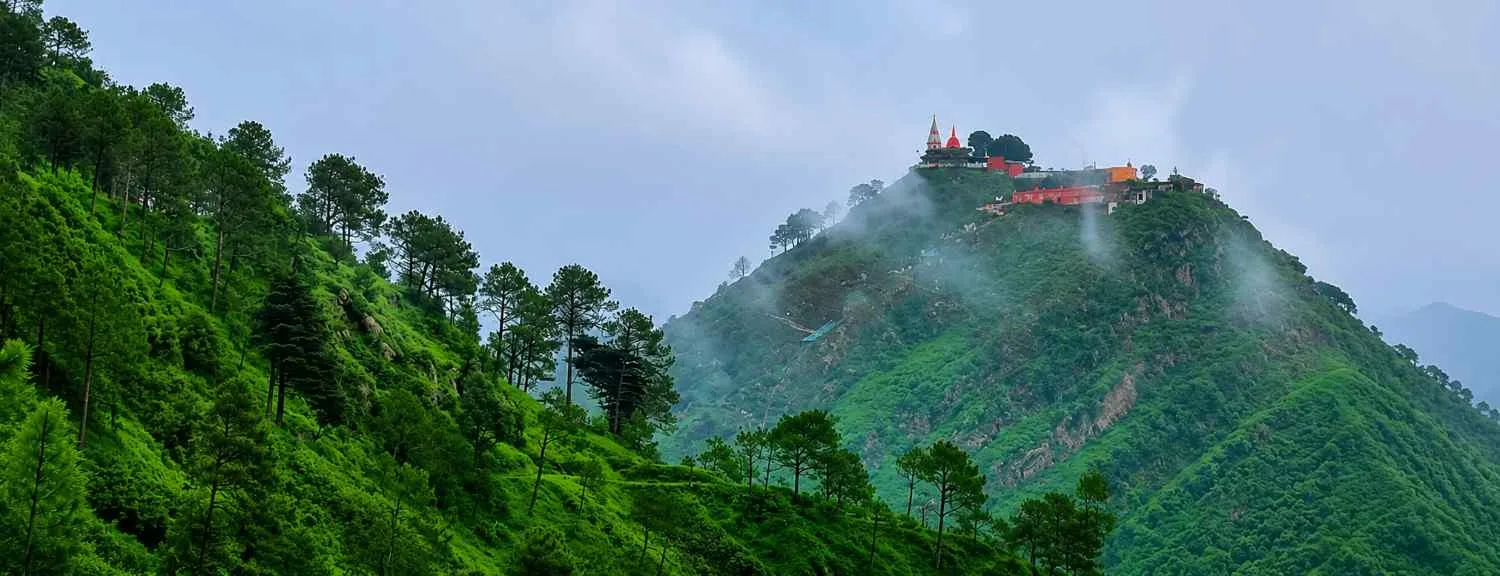

How to Plan a Slow Travel Holiday in Himachal Pradesh
Imagine waking up to the sound of birds, enjoying a leisurely breakfast overlooking the mountains, and spending your afternoon exploring a quiet village trail without worrying about the next destination on your itinerary. This is the essence of slow travel in Himachal Pradesh.
Known for its dramatic mountain landscapes, charming villages, regional cuisine and rich cultural heritage, Himachal Pradesh offers plenty of opportunities to explore the Himalayas at a relaxed pace. Instead of visiting several destinations in a short time, slow travel encourages you to choose one region, spend more time there and experience its surroundings more meaningfully.
A slow travel holiday is not simply about travelling less. It is about making thoughtful choices, connecting with local communities and allowing enough time to appreciate the places you visit.
Whether you are planning a peaceful mountain escape, a village homestay or a nature-focused holiday, this guide explains how to plan a slow travel trip in Himachal Pradesh, choose the right destination, manage your budget and travel responsibly.
What Is Slow Travel and Why Choose Himachal Pradesh?
Slow travel is an approach to exploring a destination without rushing through a long list of attractions. It prioritises meaningful experiences, local connections and a flexible schedule over covering as many places as possible.
In Himachal Pradesh, this might mean spending five days in one valley, walking through nearby villages, enjoying regional food and discovering local traditions instead of changing hotels every night.
The objective is to experience a destination more deeply while reducing unnecessary travel and making more room for spontaneous discoveries.
Understanding the Slow Travel Approach
The slow travel approach focuses on quality rather than quantity. Instead of measuring a holiday by the number of attractions visited, you pay attention to the experiences that make a place memorable.
Some ways to embrace slow travel include:
- Spend more time in fewer destinations: Choose one village, valley or destination cluster as your base.
- Explore beyond popular attractions: Walk through local neighbourhoods, visit small markets and discover nearby natural surroundings.
- Enjoy unhurried meals: Try regional dishes and learn about local food traditions.
- Connect with local communities: Choose locally run accommodation and speak with residents respectfully.
- Keep your itinerary flexible: Leave time for rest, changing weather and unexpected discoveries.
- Choose meaningful experiences: Prioritise nature walks, cultural activities and local crafts that genuinely interest you.
This approach allows you to enjoy the mountains without turning every day into a race against the clock.
Slow Travel vs Traditional Sightseeing
Both slow travel and conventional sightseeing can be enjoyable, but they offer different ways to experience a destination.
|
Travel Factor |
Slow Travel |
Traditional Sightseeing |
|
Travel pace |
Relaxed and flexible |
Often structured around a schedule |
|
Number of destinations |
Usually fewer |
Often several destinations |
|
Local experiences |
More time for everyday culture and community interactions |
Experiences may be limited by available time |
|
Itinerary |
Flexible, with room for rest |
Often organised around attractions and transfers |
|
Accommodation |
Longer stays in one place |
More frequent hotel changes may be involved |
|
Transport |
Fewer inter-destination transfers where practical |
More travel between attractions and destinations |
|
Main priority |
Deeper experiences and local connections |
Seeing a variety of attractions |
Neither approach is inherently better for every traveller. The right choice depends on your interests, available time and preferred holiday style.
Why Himachal Pradesh Is Suitable for Slow Travel
Himachal Pradesh offers a varied landscape that lends itself to relaxed exploration. Forested hills, mountain villages, rivers, orchards and scenic walking routes provide opportunities to spend time outdoors without constantly moving between major attractions.
The state also has a rich cultural landscape. Local food, traditional crafts, village architecture and community celebrations offer ways to understand the region beyond its well-known viewpoints.
Depending on where you stay, a typical day might include a morning walk, a leisurely meal, an afternoon spent reading or enjoying the scenery, and an evening exploring the local area.
Mountain weather and travel conditions can change, so a flexible schedule is especially useful. It allows you to adjust activities without feeling that an entire holiday has been disrupted.
Who Should Consider a Slow Travel Holiday?
Slow travel in Himachal Pradesh can suit different types of travellers.
Solo travellers may appreciate the opportunity to explore independently, enjoy nature and spend time in one place without managing a complicated itinerary.
Couples can plan a relaxed mountain getaway with scenic walks, local dining and unhurried days.
Families may benefit from fewer transfers, longer accommodation stays and a schedule that allows children time to rest.
Nature lovers can spend more time exploring suitable walking routes, forests, riversides and mountain landscapes.
Culture enthusiasts can learn about regional food, traditional crafts and local customs without squeezing every experience into a single day.
Travellers working remotely may also consider longer stays, provided they confirm internet reliability, workspace availability and accommodation suitability before booking.
How to Plan a Slow Travel Holiday in Himachal Pradesh
A successful slow travel holiday begins with a simple plan. You do not need to organise every hour, but you should make a few important decisions before leaving home.
Choose One Region Instead of Covering the Entire State
One of the most common travel mistakes is trying to cover too much of Himachal Pradesh in a single trip.
Although several destinations may look close together on a map, mountain roads, traffic, weather and transfer arrangements can make journeys longer than expected.
Instead of travelling between distant regions, choose one destination or a small cluster of nearby places. This reduces the time spent packing, checking in and travelling, leaving more time to enjoy your surroundings.
For example, Dharamkot can serve as a base for travellers interested in nature walks, mountain scenery and a relaxed village atmosphere.
If you are considering this area, explore our detailed Dharamkot travel guide to learn more about the destination and plan your stay.
The key is to select a location that matches your interests rather than trying to visit every popular place in the state.
Decide How Many Days You Need
The ideal length of a slow travel holiday depends on your starting point, travel time and the experiences you want to include.
Here is a simple planning framework:
Three days: Suitable for a short break focused on one destination. Keep the schedule light and avoid adding distant excursions.
Five days: A useful option for exploring one destination in greater depth. You can include nature walks, local food, cultural experiences and time for rest.
Seven days: Offers more flexibility for a longer stay, additional village exploration or a few carefully selected nearby excursions.
If you have limited time, remember to account for the journey to and from your destination. A three-day holiday can feel rushed if most of the first and last days are spent travelling.
For a genuinely relaxed experience, choose fewer activities than you think you can manage.
Set a Realistic Travel Budget
Your budget should account for more than accommodation and transport.
Consider the following expenses before finalising your plans:
- Accommodation and any applicable taxes
- Meals, snacks and drinks
- Travel to and from Himachal Pradesh
- Local transport and transfers
- Guided walks or outdoor activities
- Entry fees, where applicable
- Travel insurance, if required
- Emergency expenses and unexpected changes
Costs vary by season, location, room type and travel style. A private taxi, for example, can cost considerably more than public transport, while a room with meals included may offer a different overall value from accommodation where every meal is purchased separately.
Compare the total cost of your stay rather than looking only at the nightly room rate.
It is also sensible to keep a contingency budget for weather-related delays, transport changes or an additional night's accommodation.
Choose Accommodation That Supports Longer Stays
Accommodation plays an important role in a slow travel holiday.
Locally run homestays, guesthouses and small hotels can provide convenient bases for exploring the surrounding area. Some may also offer opportunities to learn about regional food and everyday life.
Before booking, check the following:
- Location: Is the property within comfortable walking distance of the places you want to explore?
- Facilities: Does it offer heating, hot water, suitable bathrooms and other essentials for your travel season?
- Connectivity: If you need internet access, has the property confirmed that the connection is reliable enough for your needs?
- Meals: Are meals available, or will you need to travel elsewhere for food?
- Transport: Can you reach the property using your planned mode of transport?
- Accessibility: Are steep paths, stairs or uneven roads likely to affect your stay?
- Cancellation terms: What happens if severe weather or road disruption changes your plans?
A property that looks appealing in photographs may not suit every traveller's needs. Confirming practical details in advance can make a longer stay much more comfortable.
Plan Fewer Activities and Leave Time for Rest
Slow travel does not require a packed itinerary.
Plan one main activity for each day, then leave room for smaller discoveries. You might take a morning walk, return for lunch and spend the afternoon relaxing at your accommodation.
You can also leave certain activities undecided until you arrive. Local recommendations, weather conditions and your energy levels may influence what feels enjoyable on a particular day.
The aim is not to avoid planning altogether. It is to create a flexible structure that allows you to enjoy the destination without unnecessary pressure.
Check Weather, Road Conditions and Local Accessibility
Mountain travel requires preparation, especially when your plans involve forest trails, high-altitude locations or smaller villages.
Before departure, check the weather forecast, road conditions and any local travel advisories relevant to your route.
During the monsoon, heavy rainfall can cause landslides and disrupt transport. In winter, snow and icy conditions can affect road access. Even outside these periods, local conditions can change quickly.
Confirm whether your accommodation and planned activities are accessible during your travel dates. For hikes or unfamiliar trails, seek reliable local guidance and avoid setting out when conditions are unsuitable.
A flexible itinerary makes it easier to change plans when necessary.
Best Places to Consider for Slow Travel in Himachal Pradesh
Himachal Pradesh has several destinations that may suit a slower holiday, depending on your interests and the season.
The following places offer different experiences, from village walks and forest scenery to riverside landscapes and mountain viewpoints. They are alternatives to consider rather than destinations that should all be combined into one short itinerary.
Dharamkot for Nature Walks and a Relaxed Village Stay
Dharamkot, near McLeod Ganj in the Kangra region, can be a good choice for travellers interested in walking, mountain scenery and a relaxed base.
The surrounding area offers opportunities to explore village lanes, enjoy cafés and discover walking routes suited to different experience levels.
A slower stay here could involve beginning the day with breakfast, heading out for a walk when conditions permit and spending the afternoon enjoying the local atmosphere.
Dharamkot may also appeal to travellers who want access to cafés and accommodation while remaining close to nature. However, visitor numbers, noise levels and available facilities can vary by season and location.
To plan your stay, read our Dharamkot travel guide.
Shoja for Forest Walks and Mountain Scenery
Shoja, in the Banjar region, is worth considering for travellers who enjoy forested landscapes, mountain views and a quieter village setting.
Rather than organising a long list of excursions, you could use Shoja as a base for short walks, scenic breaks and exploring the surrounding area when conditions allow.
Its appeal lies partly in the opportunity to spend time outdoors without needing a different destination every day.
However, road access and weather conditions are important considerations, especially during periods of heavy rain or winter snowfall. Check local conditions before travelling and confirm transport arrangements with your accommodation.
For more destination information, explore our Shoja travel guide.
Barot Valley for Riverside Experiences and Rural Landscapes
Barot Valley offers a different kind of slow travel experience, with rural surroundings, river landscapes and opportunities for outdoor exploration.
Travellers can consider gentle walks, scenic stops and time spent enjoying the natural environment. Depending on local conditions and available services, guided outdoor activities may also be an option.
A relaxed itinerary here should leave enough time to enjoy the valley without trying to fit every possible excursion into a single visit.
As with other mountain destinations, weather and road access can affect travel plans. Confirm local conditions and activity availability before departure, particularly during the monsoon and winter.
For more ideas, read our Barot Valley travel guide.
Jibhi for Village Exploration and Short Hikes
Jibhi, in the Banjar Valley, is another destination to consider for a slower mountain holiday.
The surrounding area offers village scenery, forested landscapes and opportunities for short hikes or nearby excursions, depending on your interests and the conditions.
Instead of treating Jibhi as a quick stop between destinations, consider staying for several nights. This gives you more time to explore the local area, enjoy unhurried meals and choose activities based on the weather.
Before heading out on a trail, check its current condition and suitability for your experience level.
For more planning inspiration, explore our Jibhi travel guide.
Narkanda for a Slower Mountain Holiday
Narkanda can suit travellers looking for mountain scenery, a relaxed base and seasonal outdoor experiences.
The surrounding region offers opportunities to enjoy the landscape and explore nearby locations when roads and weather conditions permit.
Activities may vary considerably by season. Winter travel requires preparation for cold temperatures and possible snow, while other seasons may offer different conditions for outdoor exploration.
Avoid assuming that every nearby attraction will be accessible during your visit. Check current local information before adding excursions to your itinerary.
If your route and the season make a visit practical, you can learn more about Tani Jubbar Lake near Narkanda.
How to Choose the Right Destination
The best slow travel destination depends on what you want from your holiday.
|
Destination |
Suitable Travel Style |
Suggested Length of Stay |
Main Experiences |
Seasonal or Access Considerations |
|
Dharamkot |
Walks, cafés and a relaxed village base |
3–5 days |
Nature walks, village exploration and local dining |
Visitor numbers and conditions vary by season |
|
Shoja |
Forest scenery and a mountain village stay |
3–5 days |
Short walks, scenic surroundings and relaxation |
Check road access and weather, especially in winter and monsoon |
|
Barot Valley |
Rural landscapes and riverside experiences |
3–5 days |
Nature exploration, village surroundings and outdoor activities |
Confirm local access and activity availability |
|
Jibhi |
Village exploration and short hikes |
3–5 days |
Forest walks, nearby natural attractions and local food |
Check trail conditions and seasonal road access |
|
Narkanda |
Mountain scenery and seasonal activities |
2–4 days |
Scenic drives, local exploration and nearby excursions |
Snow, cold temperatures and road conditions can affect plans |
These suggested stays are planning guidelines, not fixed requirements. Your actual itinerary should account for travel time, personal interests and the facilities available at your chosen base.
For a short holiday, select one destination rather than combining several locations that require long transfers.
How to Experience Local Life During Your Stay
One of the most rewarding parts of slow tourism in Himachal Pradesh is the opportunity to appreciate local life beyond the main sightseeing spots.
A few thoughtful choices can help you learn more about the region while ensuring that your visit respects the people and places you encounter.
Stay in Locally Run Homestays or Guesthouses
A locally run homestay or guesthouse can offer a different experience from a conventional hotel, particularly when the hosts are interested in sharing information about the surrounding area.
You may learn about local food, seasonal routines and nearby places that are worth exploring.
However, accommodation experiences differ. Some homestays offer meals and opportunities to interact with hosts, while others operate more independently.
Choose a property that suits your expectations and respect the household's privacy, routines and house rules.
Explore Regional Food and Traditional Dishes
Food is an important part of understanding Himachal Pradesh's cultural diversity.
Depending on the region and establishment, travellers may encounter dishes such as siddu, madra, chha gos and other local preparations. Availability and traditional recipes vary between communities.
Try regional food at suitable local establishments, ask about ingredients when necessary and be open to learning how dishes are prepared and served.
If you have dietary restrictions or allergies, communicate them clearly before ordering. Traditional ingredients and preparation methods may differ from what you are familiar with.
Taking time over meals also fits naturally with the slower pace of the holiday.
Visit Local Markets and Community Spaces Respectfully
Local markets can provide insight into the products, food and everyday activities of a region.
You may find locally made textiles, handicrafts, seasonal produce and other items associated with the surrounding area.
When visiting markets or residential neighbourhoods, remember that these are everyday community spaces rather than staged attractions.
Ask permission before photographing people, respect private property and avoid blocking access to homes or shops.
If you purchase a craft item, ask about its origin and how it was made. Buying directly from local makers, where possible, can help you understand the work involved in producing it.
Learn About Local Crafts, Festivals and Traditions
Traditional crafts and festivals offer opportunities to learn about the region's cultural heritage.
Depending on your destination and travel dates, you may find craft workshops, cultural exhibitions or community events that welcome visitors.
Before attending a festival or visiting a workshop, check whether visitors are welcome and whether advance arrangements are necessary.
Participate respectfully, follow local guidance and avoid treating religious or cultural practices merely as photo opportunities.
The aim is to learn from the experience while allowing community members to determine how their traditions are shared.
Support Small Businesses and Local Guides
Responsible travel can include choosing local businesses for accommodation, meals, transport and suitable guided activities.
Where appropriate, consider hiring a knowledgeable local guide for walks or cultural experiences. A guide can help you understand the landscape, identify suitable routes and learn about local history.
Check the guide's experience and the suitability of the activity before booking.
Purchasing regional products directly from artisans and eating at local establishments can also help direct some of your travel spending towards the communities you visit.
Sample 5-Day Slow Travel Itinerary for Himachal Pradesh
A five-day holiday can provide a useful starting point for slow travel in Himachal Pradesh.
The following itinerary is a flexible framework. Choose one destination base, such as Dharamkot, Shoja, Barot Valley or Jibhi, and adapt the activities to the location, weather and your interests.
The days are deliberately light to allow room for rest and spontaneous exploration.
Day 1: Arrive and Settle Into Your Destination
Keep the first day simple.
Travel to your chosen destination, check into your accommodation and take time to settle in. Depending on your arrival time and energy levels, you could explore the immediate neighbourhood or enjoy a short walk.
Have an unhurried meal and confirm any local transport or activity arrangements for the following days.
Avoid planning a demanding excursion immediately after a long mountain journey.
Focus for the day: Rest, get familiar with the surroundings and begin the holiday at a comfortable pace.
Day 2: Explore the Village at a Relaxed Pace
Start the morning with breakfast and a walk around the local area.
Explore accessible lanes, enjoy the scenery and stop at a suitable café or local establishment if you wish.
If you are interested in photography, take time to observe the landscape and ask permission before photographing residents or private property.
Return to your accommodation for lunch or an afternoon break. You can spend the rest of the day reading, relaxing or exploring nearby places within easy reach.
Focus for the day: Discover the destination without rushing between attractions.
Day 3: Enjoy a Nature Walk and Local Food
Choose a suitable walking route based on your fitness, experience and the local conditions.
You could arrange a guided walk if you are unfamiliar with the area or want to learn more about the landscape.
Check the weather before setting out, carry sufficient water and suitable clothing, and avoid unfamiliar or unsafe routes.
After the walk, enjoy a relaxed meal and leave the afternoon open for rest.
Focus for the day: Spend time outdoors and enjoy the surrounding natural environment.
Day 4: Discover Local Culture and Community Experiences
Use the fourth day to explore the cultural side of your chosen destination.
Depending on what is available, you might visit a local market, learn about regional crafts or arrange a suitable cultural experience.
Ask questions respectfully and remember that not every community activity or tradition is intended for visitors.
You could also spend time speaking with your accommodation hosts about the area's history, local food or seasonal practices, if they are comfortable sharing.
Focus for the day: Learn something about local life beyond the landscape.
Day 5: Enjoy a Slow Morning and Return
Avoid scheduling a demanding activity on your final morning.
Enjoy breakfast, take one last short walk if time permits and pack without rushing.
Before leaving, confirm your transport arrangements and allow a buffer for mountain travel. If you have a long journey ahead, plan your departure time accordingly.
Focus for the day: End the holiday calmly and return without unnecessary pressure.
How to Adapt the Itinerary to Your Destination
The activities should reflect the place where you are staying.
For example, a Dharamkot-based holiday might focus on walks and exploring the local café scene. A stay in Shoja or Jibhi could emphasise village surroundings and suitable forest walks, while Barot Valley may appeal to travellers interested in riverside landscapes.
You do not need to visit all these places in five days. Choose the one that suits your interests and allow enough time to enjoy it.
How Much Does a Slow Travel Holiday in Himachal Pradesh Cost?
The cost of a slow travel holiday depends on your destination, travel dates, accommodation preferences, group size and activities.
Slow travel does not automatically mean a cheaper holiday. Staying longer can reduce repeated transfer costs, but a comfortable room, private transport or paid experiences can still increase the total budget.
Accommodation and Food
Accommodation is likely to be one of your main expenses.
Prices depend on the season, property type, location, room facilities and length of stay. A simple guesthouse may have a different price structure from a boutique property or a homestay offering meals.
When comparing options, consider the complete arrangement.
A property that includes breakfast or dinner may offer good value if you plan to eat there regularly. Another property may be more convenient if it is within walking distance of several dining options.
For a longer stay, ask whether the property offers a weekly rate or a discount for multiple nights. Confirm the total price, applicable taxes and cancellation conditions before booking.
Transport and Local Travel
Transport costs depend on where you are travelling from and how you plan to reach your destination.
Options may include buses, trains followed by road transfers, private taxis or a combination of transport modes.
Once in the mountains, local journeys may take longer than expected because of road conditions and the terrain.
Staying in one place can reduce the need for repeated inter-destination transfers. However, consider how you will reach walking routes, markets and other places that are not accessible on foot.
Confirm the availability and approximate cost of local transport before committing to an accommodation option in a remote area.
Activities and Guided Experiences
Many slow travel activities, such as walking around a village or enjoying the scenery, may involve little or no direct cost.
Other experiences, including guided hikes, organised cultural activities and certain attractions, may require payment.
If you are planning a guided activity, ask what the price includes, whether equipment is provided and whether additional transport or entry fees apply.
Choose activities that genuinely interest you instead of adding paid experiences simply to fill the schedule.
Ways to Manage Your Budget
A few practical choices can help you manage the cost of a slow travel holiday:
- Stay longer in one place rather than paying for repeated transfers and check-ins.
- Compare accommodation based on total value, including meals and facilities.
- Book transport in advance when appropriate and verify the terms.
- Choose activities that suit your interests and budget.
- Ask about longer-stay accommodation rates.
- Keep a contingency fund for unexpected expenses.
- Support local businesses while checking prices and service details before purchasing.
For accurate estimates, compare current accommodation and transport prices for your specific travel dates, group size and destination. Prices can change considerably between seasons, so avoid relying on general estimates without checking them.
Best Time to Plan a Slow Travel Holiday in Himachal Pradesh
The best time for slow travel in Himachal Pradesh depends on the destination's elevation, your preferred activities and the weather conditions during your visit.
A season that suits village walks in one region may be less suitable for a high-altitude excursion elsewhere.
Spring and Early Summer
Spring and early summer can be appealing for travellers who want to explore villages, enjoy outdoor walks and spend time in the mountains.
Landscapes change as temperatures rise, and conditions vary between lower valleys and higher elevations.
Pack clothing that can be layered, as mornings and evenings may be cooler than the middle of the day.
Before planning a hike or mountain excursion, check local trail conditions and confirm that the route is suitable for the season.
Monsoon Considerations
The monsoon requires additional planning because heavy rainfall can affect roads, walking routes and transport services.
Landslides, road disruption and local flooding may occur in some areas. Trails can also become slippery, making certain outdoor activities unsuitable.
If travelling during this period, monitor weather forecasts and local advisories. Keep your itinerary flexible and avoid travelling on routes that authorities or local officials have advised against using.
It is also wise to confirm cancellation policies and maintain enough flexibility to change accommodation or travel dates if necessary.
Autumn and Post-Monsoon Travel
Autumn and the post-monsoon period can offer opportunities for mountain walks and scenic exploration, depending on local conditions.
After rainfall subsides, some areas may become more convenient to explore, but conditions vary from year to year and between regions.
Check the forecast before travelling, particularly if you plan to visit high-altitude locations or remote villages.
This season can suit travellers who want to combine relaxed outdoor activities with time spent enjoying local food, crafts and village surroundings.
Winter Travel and Snow Conditions
Winter can provide a different experience of Himachal Pradesh, with colder temperatures and snow in some locations.
However, not every destination receives the same amount of snow, and road access can change with the weather.
Pack suitable warm clothing, footwear and other cold-weather essentials. Check road conditions before departure and allow additional time for transport.
Daylight hours are shorter during winter, so plan outdoor activities accordingly. Avoid assuming that a destination or attraction will be accessible simply because it is usually popular during the season.
Responsible Slow Travel Practices in the Himalayas
Responsible travel is an important part of a meaningful mountain holiday.
The Himalayan environment includes sensitive natural habitats, while local communities depend on shared resources such as water, roads and waste-management systems.
Small, thoughtful choices can help reduce the impact of your visit.
Reduce Single-Use Plastic and Carry Reusables
Carry a reusable water bottle, shopping bag and other practical essentials to reduce unnecessary packaging.
Refill your bottle where safe drinking water is available, and ask your accommodation about local water facilities.
Avoid leaving wrappers, bottles or other waste along trails, roadsides and rivers.
If waste collection is limited in the area, plan to carry your rubbish back to a suitable disposal point.
Respect Local Customs and Private Property
Local customs can differ between communities and religious sites.
Observe posted guidance, dress appropriately where required and ask before photographing people or private spaces.
Do not enter homes, farms or restricted areas without permission.
When visiting a cultural or religious site, follow local instructions and remember that the location may be an active place of worship rather than a tourist attraction.
Avoid Disturbing Wildlife and Natural Habitats
Enjoy the natural surroundings without disturbing animals or damaging vegetation.
Keep a respectful distance from wildlife, avoid feeding animals and stay on suitable marked routes where available.
Do not collect plants, disturb nests or leave food waste behind.
If participating in an outdoor activity, choose an operator that follows responsible practices and prioritises environmental protection.
Minimise Waste and Water Consumption
Water availability can vary by location and season.
Use water thoughtfully, avoid unnecessary waste and follow your accommodation's guidance on local resource limitations.
Choose reusable items where practical and avoid leaving rubbish in natural areas.
Remember that waste disposal may be more difficult in remote mountain locations than in larger towns.
Choose Local Services Responsibly
Where appropriate, choose locally run accommodation, restaurants, guides and craft businesses.
Ask about services before booking and make sure that the activity is suitable for the local environment.
Support for local businesses should go hand in hand with fair pricing, respect for workers and responsible tourism practices.
The goal is to contribute positively to the destination without assuming that every local service will suit every traveller.
Common Mistakes to Avoid When Planning Slow Travel
A few common planning mistakes can make a relaxed holiday feel unnecessarily tiring.
Avoiding them can help you enjoy the destination more comfortably.
Trying to Visit Too Many Destinations
Adding several towns and valleys to a short itinerary can leave little time for meaningful exploration.
What to do instead: Choose one destination as your main base and add nearby excursions only when travel times make them practical.
Underestimating Mountain Travel Times
Distances on a map do not always reflect how long a journey will take in the mountains.
Road conditions, traffic, weather and transfer arrangements can affect travel time.
What to do instead: Check realistic journey estimates, confirm local transport and leave a buffer between connections.
Ignoring Weather and Road Conditions
A planned walk or excursion may become unsuitable because of heavy rainfall, snowfall or local road disruption.
What to do instead: Check forecasts and local advisories before departure and each day during your stay. Keep alternative activities in mind.
Planning Every Hour of the Trip
A tightly scheduled holiday leaves little room for rest or unexpected discoveries.
What to do instead: Plan one main activity per day and leave the rest flexible. Allow time for meals, relaxation and changing conditions.
Choosing Accommodation Without Checking Essential Facilities
A remote property may look ideal but lack the transport access, heating, connectivity or meal arrangements you need.
What to do instead: Contact the property before booking and confirm the facilities that matter most to you.
Assuming Every Offbeat Destination Is Easy to Reach
Less-visited locations can have limited transport, fewer services and more challenging access.
What to do instead: Research the route, ask about local transport and confirm that accommodation is available during your dates.
A destination does not have to be remote to offer a meaningful slow travel experience. The most suitable place is one where you can comfortably spend time and enjoy your surroundings.
Plan a More Meaningful Himalayan Getaway
Slow travel in Himachal Pradesh is about allowing yourself enough time to appreciate a place rather than rushing from one attraction to another.
Choose a destination that matches your interests, stay long enough to become familiar with the surroundings and leave room for experiences that cannot be scheduled in advance.
You might discover a walking route recommended by your host, learn about a regional dish, visit a local craft workshop or simply enjoy a quiet morning overlooking the mountains.
Responsible choices can make the experience more rewarding. Respect local customs, minimise waste, support community businesses and remain flexible when weather or road conditions change.
Whether you choose Dharamkot, Shoja, Barot Valley, Jibhi or Narkanda, focus on the quality of your stay rather than the number of places you visit.
The mountains offer plenty to appreciate when you slow down and give yourself time to experience them.
Frequently Asked Questions
More from
Himalayas Digital
Top 25 Singers in Himachal Pradesh: Famous Himachali Artists You Should Know

IPL 2026 in Dharamshala: Match Dates, Tickets, Hotels & Complete Travel Guide

Hemis Monastery: Ladakh’s Largest & Most Famous Gompa

Manki Point Kasauli: Complete Travel Guide (2026) – Timings, Entry Fee, History & How to Reach