Kamrunag Lake Mandi: Trek, History, Height & Travel Guide
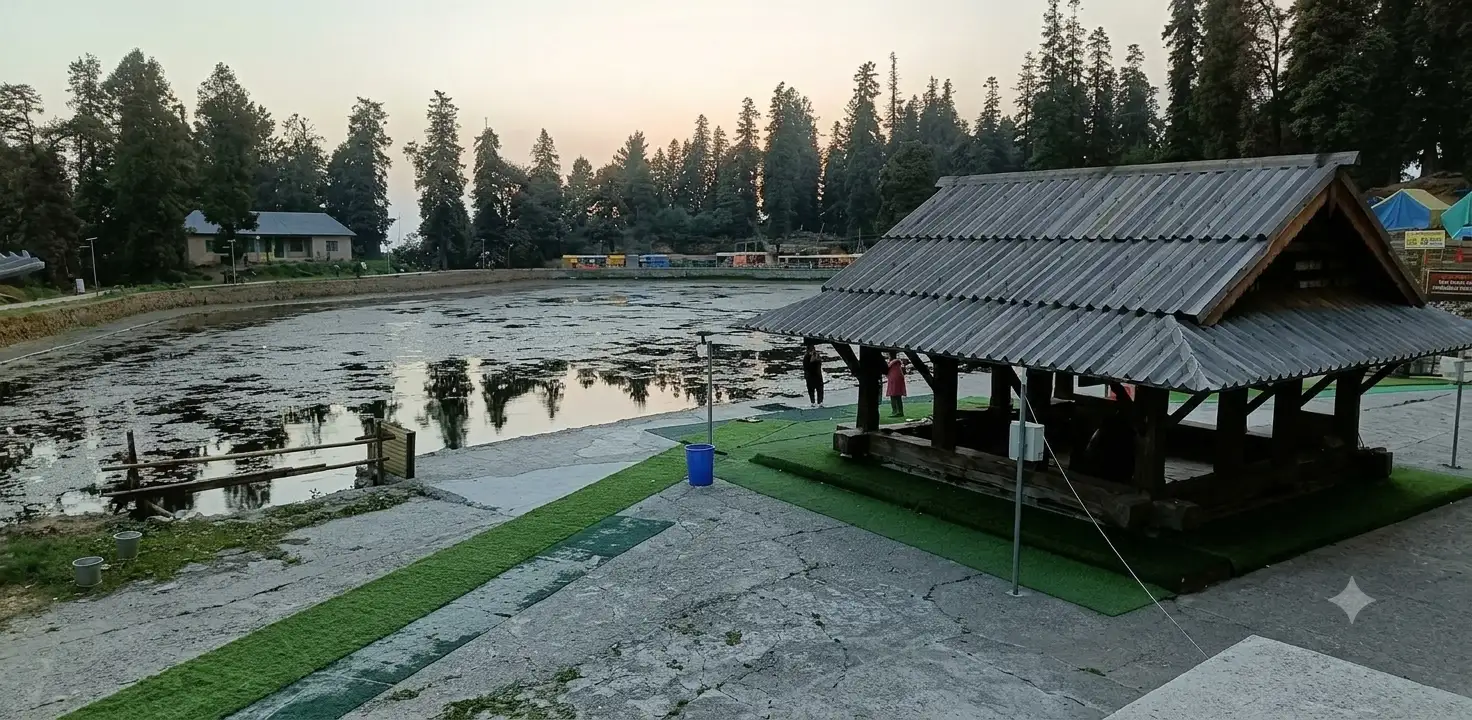
Hidden high in the mountains of Mandi district, Kamrunag Lake is a sacred Himalayan destination known for its tranquil waters, dense deodar forests and breathtaking mountain scenery. Situated at approximately 3,334 metres above sea level, this beautiful lake is closely associated with Dev Kamrunag, a revered local deity traditionally worshipped as the rain god of the region.
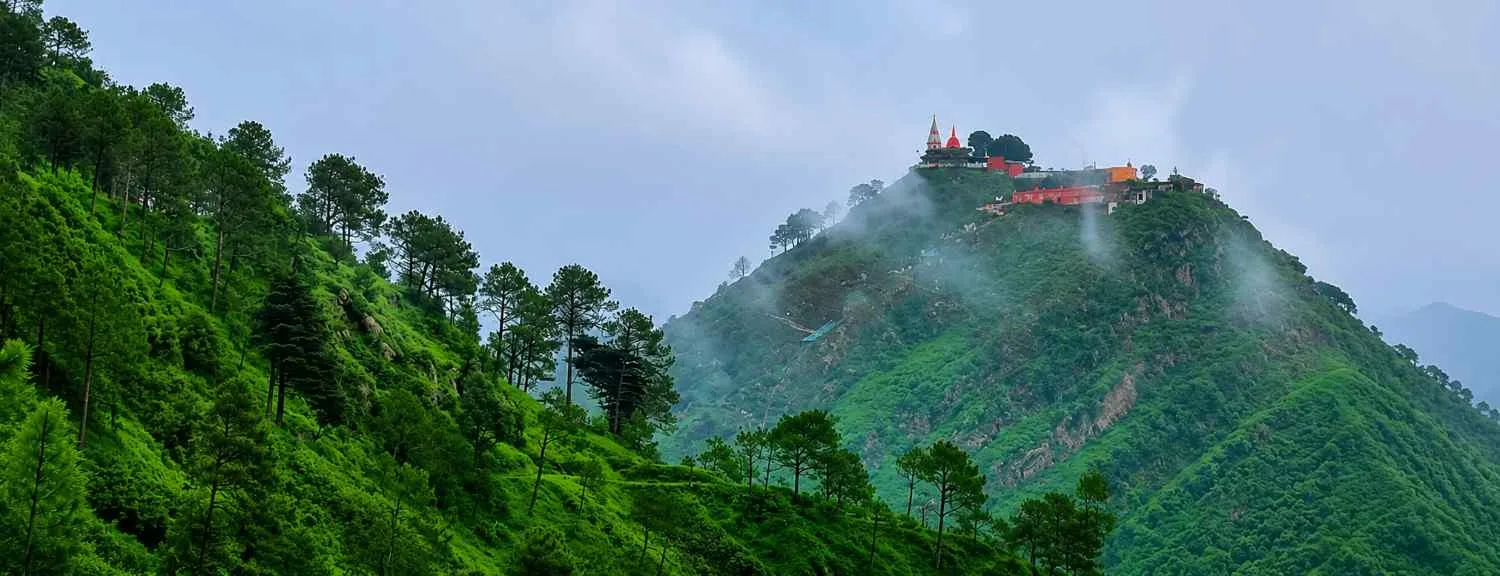
Hidden high in the mountains of Mandi district, Kamrunag Lake is a sacred Himalayan destination known for its tranquil waters, dense deodar forests and breathtaking mountain scenery. Situated at approximately 3,334 metres above sea level, this beautiful lake is closely associated with Dev Kamrunag, a revered local deity traditionally worshipped as the rain god of the region. Surrounded by forests and offering views of the Dhauladhar Range and Balh Valley, the lake attracts both pilgrims and trekking enthusiasts. The journey typically begins at Rohanda village and follows a steep uphill forest trail. In this travel guide, discover the lake's history, religious significance, trekking route, best visiting season and essential tips for planning your trip.
Where Is Kamrunag Lake Located?
Kamrunag Lake is situated in Mandi district, Himachal Pradesh, along the mountainous region near Rohanda village. It lies amid thick deodar forests, with the surrounding landscape offering panoramic views of the Dhauladhar Range and Balh Valley.
Unlike easily accessible roadside attractions, Kamrunag Lake requires visitors to complete an uphill trek to reach the lake and the temple beside it. This combination of natural beauty, spiritual significance and outdoor adventure makes it a distinctive destination in the region.
The lake is particularly important to local communities, who visit the site to worship Dev Kamrunag and participate in traditional religious gatherings.
Kamrunag Lake at a glance
-
Location: Mandi district, Himachal Pradesh, India
-
Altitude: Approximately 3,334 metres (10,938 feet)
-
Nearest trekking starting point: Rohanda village
-
Trek distance: Approximately 6 km uphill from Rohanda
-
Trek duration: Around 3–4 hours uphill, depending on pace and conditions
-
Known for: Sacred lake, Dev Kamrunag Temple, deodar forests and Himalayan views
-
Annual fair: Generally held around mid-June
-
Accessibility: The lake and temple are reached on foot from the trekking route
Kamrunag Lake Height in Feet and Metres
Kamrunag Lake sits at approximately 3,334 metres or 10,938 feet above sea level.
Its high-altitude location gives the surrounding landscape a distinctive mountain atmosphere, with forest-covered slopes, open viewpoints and distant Himalayan peaks.
The elevation also makes weather an important consideration. Temperatures can change quickly, and rain, fog or strong winds can make the trail more challenging.
Although the trek does not require technical mountaineering skills under suitable conditions, the sustained uphill climb and altitude mean visitors should prepare appropriately.
What Makes Kamrunag Lake Unique?
Kamrunag Lake stands out because it combines religious heritage with the natural beauty of the Himalayas.
The sacred lake lies beside a traditional temple dedicated to Dev Kamrunag. Thick deodar forests surround the site, creating a peaceful setting away from the busy towns and popular tourist centres of Himachal Pradesh.
The surrounding viewpoints provide opportunities to appreciate the Dhauladhar Range and the Balh Valley. For photographers and nature lovers, the changing light, forest scenery and mountain atmosphere make the destination particularly appealing.
The lake is also known for a longstanding tradition in which devotees offer coins, gold and silver as part of their religious observances.
For trekkers, reaching the lake is as much about the journey through the forest as it is about the destination itself.
History and Religious Significance of Kamrunag Lake
Kamrunag Lake holds an important place in the religious traditions of Mandi district. Its significance is closely connected with Dev Kamrunag, a local deity who is widely revered by communities in the surrounding region.
The lake and its adjoining temple serve as a place of worship, pilgrimage and traditional gatherings.
Over generations, local beliefs and customs have shaped the way people understand the site. The annual fair attracts devotees who travel to the mountain shrine to offer prayers and seek blessings.
The destination therefore represents more than a scenic Himalayan lake. It is also an important part of the living cultural and spiritual heritage of Mandi.
Who Is Dev Kamrunag?
Dev Kamrunag is a revered local deity associated with rainfall and agricultural well-being in the Mandi region of Himachal Pradesh.
Local communities worship the deity and seek blessings for favourable weather, prosperity and protection. The traditions surrounding Dev Kamrunag remain an important part of regional religious life.
The temple beside the lake is dedicated to the deity and is an important destination for pilgrims.
The forest setting and the distance from the main town contribute to the site's atmosphere of tranquillity. Visitors often experience a strong connection between the surrounding natural landscape and the local religious traditions.
Kamrunag Lake and Mahabharata Legends
Local tradition connects Dev Kamrunag with the Mahabharata, the ancient Indian epic.
According to a widely shared regional belief, Kamrunag was the King Yaksha associated with the Pandavas. These accounts form part of the oral and religious traditions through which the story of the deity has been passed down.
Such legends contribute to the lake's cultural significance and explain why it is regarded as a sacred destination by many devotees.
It is important to understand these narratives as traditional religious accounts rather than independently established historical records.
For visitors interested in Himalayan culture, the legends offer insight into the relationship between local deities, the landscape and the religious identity of communities in Mandi district.
Why Do Devotees Offer Coins and Jewellery in the Lake?
One of the most distinctive traditions associated with Kamrunag Lake is the offering of coins, gold and silver by devotees.
According to local belief, people make these offerings to express gratitude and seek the blessings of Dev Kamrunag. Some devotees associate their offerings with wishes fulfilled or prayers answered.
Over time, the tradition has become closely linked to the lake's identity.
The practice should be understood within its religious and cultural context. Visitors should observe local customs respectfully and avoid removing coins, jewellery or other offerings from the water.
Responsible visitor reminder: Do not enter the lake, disturb religious offerings or leave rubbish around the site. Protecting the lake's environment is essential to preserving its natural beauty and religious significance.
Kamrunag Lake Trek: Distance, Duration and Difficulty
The Kamrunag Lake trek is one of the memorable mountain walks in Mandi district. Starting from Rohanda village, the route climbs through forested slopes towards the lake and temple.
The trail is known for its steep ascent, natural surroundings and changing mountain views. It appeals to travellers who enjoy combining outdoor adventure with cultural exploration.
Although the route is relatively short compared with multi-day Himalayan expeditions, the continuous climb requires reasonable fitness and preparation.
Kamrunag Lake Trek Distance from Rohanda
The official Mandi district tourism guide describes the trekking route from Rohanda to Kamrunag Lake as approximately 6 km uphill.
This is the one-way distance, so the return journey adds another stretch of walking. If you plan to trek from Rohanda to the lake and back on the same day, prepare for approximately 12 km of walking, subject to the precise route followed.
The path climbs steadily through forested mountain terrain. Depending on the season, you may encounter damp ground, loose stones, muddy sections or slippery patches.
Start early, maintain a comfortable pace and allow enough time to descend before dark.
How Long Does the Kamrunag Lake Trek Take?
The uphill trek generally takes around 3–4 hours from Rohanda, according to the district tourism information.
Your actual walking time will depend on fitness, weather, trail conditions, footwear and the number of breaks you take.
A relaxed pace is recommended, particularly for first-time visitors who are not accustomed to steep mountain trails.
Remember to allow time at the lake to visit the temple, appreciate the views and rest before beginning the return journey.
For a same-day visit, plan your departure carefully rather than relying on the minimum estimated trekking time.
Is Kamrunag Lake Trek Difficult?
The Kamrunag Lake trek is best described as a sustained uphill mountain walk that requires moderate physical preparation.
The main challenge is the continuous ascent rather than technical climbing. The trail can feel demanding for visitors who are unfamiliar with mountain trekking or regular uphill walking.
The trek may suit reasonably fit beginners who are comfortable walking for several hours. However, the altitude, steep sections and changing mountain weather should not be underestimated.
Before setting out:
-
Build your stamina with regular walking and stair climbing.
-
Wear trekking shoes with good grip.
-
Carry enough drinking water and high-energy snacks.
-
Take short breaks when necessary.
-
Avoid rushing uphill to keep your energy levels steady.
-
Turn back if weather or trail conditions become unsafe.
If you enjoy exploring high-altitude destinations, you can also read our guide to another high-altitude lake trek in Himachal Pradesh. Bhrigu Lake is a separate trekking destination near Manali, with a different route, elevation profile and trekking itinerary.
What to Expect on the Trek
The route from Rohanda offers a changing mountain landscape as you climb towards Kamrunag Lake.
Forest trails: Much of the route passes through forested terrain, including deodar trees and other mountain vegetation.
Steady uphill walking: Expect a continuous ascent rather than a flat woodland stroll. A measured pace can make the climb more comfortable.
Mountain views: As the landscape opens up, you may find viewpoints overlooking the surrounding valleys and forest-covered slopes.
Changing weather: Fog, rain and lower temperatures can affect visibility and trail conditions, even when the weather appears pleasant at the start.
Limited facilities: Do not assume that food, drinking water, toilets or accommodation will be readily available along the trail or at the lake.
The experience is best enjoyed with proper preparation, respect for the natural environment and enough time to complete the return journey safely.
How to Reach Kamrunag Lake from Mandi
Kamrunag Lake is reached by travelling to the surrounding mountain region and completing the final uphill section on foot.
Rohanda is the main trekking starting point described in the official district tourism information.
Travellers should plan the road journey and trek together, particularly if they intend to return to Mandi on the same day.
Mandi to Rohanda by Road
Mandi is the main urban centre commonly used as a starting point for visiting Kamrunag Lake.
According to the official Mandi district tourism guide, the road distance from Mandi to Rohanda is approximately 47 km. The exact distance and journey time may vary depending on your starting point, route and road conditions.
You can travel towards Rohanda by private vehicle or taxi. Check the current road conditions before leaving, especially during the monsoon season.
The road journey takes you away from the main town towards the mountainous surroundings of Mandi district.
Once you reach Rohanda, you must continue on foot along the uphill trekking route to the lake.
Navigation: Find Rohanda and plan your route to Kamrunag Lake on Google Maps.
Confirm the exact trekking starting point locally before setting out, as access arrangements and road conditions can change.
Rohanda to Kamrunag Lake on Foot
The trek from Rohanda to Kamrunag Lake is approximately 6 km uphill and generally takes 3–4 hours.
The route follows a mountain trail through forested terrain, eventually reaching the sacred lake and the temple of Dev Kamrunag.
There is no direct vehicle access to the lake itself along the standard Rohanda approach. Visitors should be prepared to walk the uphill section.
Wear suitable trekking footwear, carry water and snacks, and avoid starting so late that you risk descending in darkness.
If you are visiting during the annual fair, expect more people on the route and allow additional time for the journey.
Nearest Airport and Railway Connectivity
Visitors travelling from outside Himachal Pradesh can reach the Mandi region using a combination of air, rail and road transport.
By air: Bhuntar Airport in Kullu district is the nearest airport listed by the official Mandi district tourism guide, at approximately 104 km from Kamrunag Lake. You will need onward road transport, and actual travel distance and time depend on your destination and route. Verify current flight schedules before booking.
By train: The district tourism guide lists Joginder Nagar as the nearest railway connection, approximately 101 km from the lake. It is served by a narrow-gauge railway. Depending on where you are travelling from, you may find it more convenient to use a broader rail connection elsewhere and continue by road.
By road: Mandi is connected to other towns in Himachal Pradesh by road, with bus and taxi options available for reaching the region.
Because the lake requires an uphill trek after the road journey, allow enough time for both stages. If you arrive late in the day, consider staying in an accessible nearby town or village and beginning the trek the following morning.
Best Time to Visit Kamrunag Lake
Choosing the right season is important when planning a visit to Kamrunag Lake.
The destination lies at a high altitude, where temperatures, visibility and trail conditions can change quickly. A route that feels manageable in dry weather may become more difficult during heavy rain, fog or snowfall.
The most suitable time for your trip depends on whether you prioritise comfortable trekking, mountain scenery or participation in the annual religious fair.
Summer and Early Monsoon Season
The warmer months are popular for visiting Kamrunag Lake because the forested landscape becomes greener and conditions may be more favourable for trekking than in winter.
The annual fair around mid-June is another reason devotees visit during this period.
However, the arrival of the monsoon can bring heavy rain, slippery trails and reduced visibility. Do not assume that every day in summer or early monsoon will offer safe trekking conditions.
Check the forecast before travelling and be prepared to postpone the trek if conditions deteriorate.
September to November
The post-monsoon period can offer appealing mountain scenery, cooler temperatures and opportunities for clear views when the weather cooperates.
For travellers interested in photography, forest landscapes and quieter trekking experiences, this period may be attractive.
However, temperatures decline as winter approaches, and snow or other adverse conditions may affect access later in the season.
Confirm current trail conditions locally before planning a late-autumn visit.
Winter Travel Considerations
Winter travel to Kamrunag Lake requires particular caution.
Snowfall, freezing temperatures, ice and poor visibility can make the trail difficult or unsafe. Access may be restricted or impractical during severe winter conditions.
The lake's elevation means conditions can be considerably colder than in Mandi town.
Unless you have appropriate winter trekking experience and reliable local guidance, avoid attempting the route in hazardous conditions.
Always check with local authorities or experienced local guides before travelling during periods of snow or extreme cold.
Kamrunag Mela and Annual Fair
The Kamrunag fair is an important religious gathering that attracts devotees from Mandi district and other parts of Himachal Pradesh.
According to Himachal Tourism, a two-day fair is generally held around mid-June. Visitors gather at the mountain shrine to worship Dev Kamrunag and participate in traditional religious observances.
The fair provides an opportunity to experience the area's cultural and spiritual traditions. It can also be a busy period, with more people travelling along the mountain route.
If you plan to visit during the fair:
-
Confirm the exact dates for the current year.
-
Start your journey early.
-
Allow extra time for road travel and trekking.
-
Carry sufficient drinking water and essential supplies.
-
Respect religious customs and follow local instructions.
-
Check accommodation options before travelling.
The fair's dates and local arrangements can vary, so confirm details with official tourism sources or local authorities before finalising your plans.
Kamrunag Temple and Lake: What Visitors Should Know
The temple beside Kamrunag Lake is central to the destination's religious significance.
Dedicated to Dev Kamrunag, the shrine attracts devotees who come to offer prayers and seek blessings. The surrounding forest and mountain landscape contribute to the peaceful atmosphere of the site.
For visitors, the experience combines a physical trek with an opportunity to learn about the religious traditions of Mandi district.
The Temple Beside the Lake
The temple is traditionally associated with Dev Kamrunag and stands beside the sacred lake.
The shrine and the natural surroundings are closely connected in local religious practice. The setting reflects the importance of mountain landscapes in the spiritual traditions of Himachal Pradesh.
Visitors should approach the temple respectfully, observe any local customs and follow instructions from those responsible for the site.
Traditional Offerings and Religious Customs
Devotees traditionally make offerings to the lake as an expression of faith and gratitude.
Coins, gold and silver are associated with the offering tradition, which is part of the local beliefs surrounding Dev Kamrunag.
Visitors who are not participating in religious observances can still appreciate the cultural significance of the place by observing quietly and respectfully.
Do not remove offerings, enter the water or leave litter around the lake.
Forest Scenery and Mountain Views
Beyond its religious importance, Kamrunag Lake is a destination for travellers who enjoy Himalayan scenery.
The surrounding deodar forests provide a distinctive setting for the trek, while the higher viewpoints offer views of the Dhauladhar Range and Balh Valley.
Weather and visibility influence the experience, so clear views cannot be guaranteed.
Take time to appreciate the natural surroundings without disturbing wildlife or damaging vegetation. Carry all waste back with you to help preserve the area.
Travel Tips for Kamrunag Lake Trek
Good preparation can make your Kamrunag Lake trek safer and more enjoyable.
Keep these practical points in mind before travelling.
1. Wear trekking shoes with good grip
The uphill route can include uneven, muddy or slippery sections. Choose comfortable footwear suitable for mountain walking.
2. Carry enough drinking water and snacks
Do not rely on finding shops or refreshments along the route. Bring sufficient water and energy-rich snacks for the climb and return journey.
3. Start early
An early start gives you more time to complete the ascent, visit the lake and descend before dark.
4. Carry warm clothing
Temperatures can be considerably lower at the lake than in Mandi town. Bring a warm layer even when the weather at your starting point feels comfortable.
5. Pack rain protection
Mountain weather can change quickly. A waterproof jacket or rain protection can be useful, particularly during the monsoon season.
6. Download offline maps
Mobile connectivity may be unreliable in mountainous areas. Download maps in advance and confirm the trail with local residents or a knowledgeable guide.
7. Check weather and trail conditions
Postpone your trek if heavy rain, snow, poor visibility or other hazardous conditions make the route unsafe.
8. Respect local traditions
The lake and temple are sacred to many local people. Avoid disturbing religious offerings, follow temple customs and maintain a respectful atmosphere.
9. Leave no litter
Carry back plastic packaging, food wrappers and other waste. Avoid contaminating the lake or surrounding water sources.
10. Plan your return journey
Allow sufficient time to descend and arrange transport from Rohanda. Do not assume that late-evening transport or accommodation will always be available.
11. Avoid assuming accommodation is available at the lake
Facilities at the site are limited, and visitors should not rely on finding hotels or established accommodation beside the lake.
If you need to stay overnight, confirm suitable accommodation in an accessible nearby town or village before travelling.
12. Consider your fitness and altitude
The continuous uphill walk can be tiring, particularly for people who are not accustomed to trekking. Pace yourself, take breaks and turn back if you feel unwell or conditions become unsafe.
Places to Explore Alongside Kamrunag Lake
Mandi district offers several destinations for travellers interested in mountain scenery, lakes and religious heritage.
If you have additional time, you can combine your Kamrunag Lake visit with another excursion, provided you allow enough time for road travel and the trek.
Prashar Lake, Mandi
Prashar Lake is another well-known high-altitude lake destination in Mandi district.
Situated at approximately 2,730 metres above sea level, it is famous for its scenic mountain setting, floating island and traditional pagoda-style temple dedicated to Sage Prashar.
The surrounding meadows and mountain views make it a popular destination for nature lovers, photographers and travellers exploring the region.
Although both Kamrunag Lake and Prashar Lake offer a combination of natural beauty and religious significance, they are separate destinations with different access routes.
If you are planning a wider trip around Mandi, read our Prashar Lake travel guide for more information about the lake, travel arrangements and sightseeing opportunities.
Other Lake and Trekking Destinations in Himachal Pradesh
Travellers exploring Kamrunag Lake may also be interested in other Himalayan lakes and trekking routes.
Bhrigu Lake, near Manali: Known for its high-altitude setting and expansive alpine meadows, Bhrigu Lake offers a different trekking experience from the forest trail at Kamrunag.
Rewalsar Lake, Mandi district: Rewalsar is a sacred lake associated with Hindu, Buddhist and Sikh traditions. The surrounding religious sites make it an interesting destination for travellers exploring Mandi's spiritual heritage.
Prashar Lake, Mandi district: This destination combines mountain scenery, a sacred lake and a distinctive wooden temple in a scenic setting.
Each destination has different access arrangements, trekking requirements and seasonal conditions. Check the route, weather and local travel information before planning multiple stops.
Plan Your Kamrunag Lake Visit
Kamrunag Lake is one of the distinctive destinations in Mandi district, combining a sacred mountain setting with forest scenery, local religious traditions and panoramic Himalayan views.
The trek from Rohanda takes visitors through a steep forest trail before reaching the lake and the temple of Dev Kamrunag. For pilgrims, the destination offers an opportunity to participate in longstanding religious traditions. For trekkers and nature lovers, it provides a chance to experience a quieter side of Himachal Pradesh.
Before setting out, check the weather forecast, confirm the current trekking route and arrange transport for your return journey. Carry sufficient water, wear suitable footwear and allow enough time to complete the trek safely.
If you plan to visit during the annual fair, verify the dates and prepare for larger crowds.
Respect the sacred site, protect the natural environment and take the time to appreciate the mountain landscape that makes Kamrunag Lake a memorable destination in Himachal Pradesh.
Frequently Asked Questions
More from
Himalayas Digital
Top 25 Singers in Himachal Pradesh: Famous Himachali Artists You Should Know

IPL 2026 in Dharamshala: Match Dates, Tickets, Hotels & Complete Travel Guide

Hemis Monastery: Ladakh’s Largest & Most Famous Gompa

Manki Point Kasauli: Complete Travel Guide (2026) – Timings, Entry Fee, History & How to Reach