
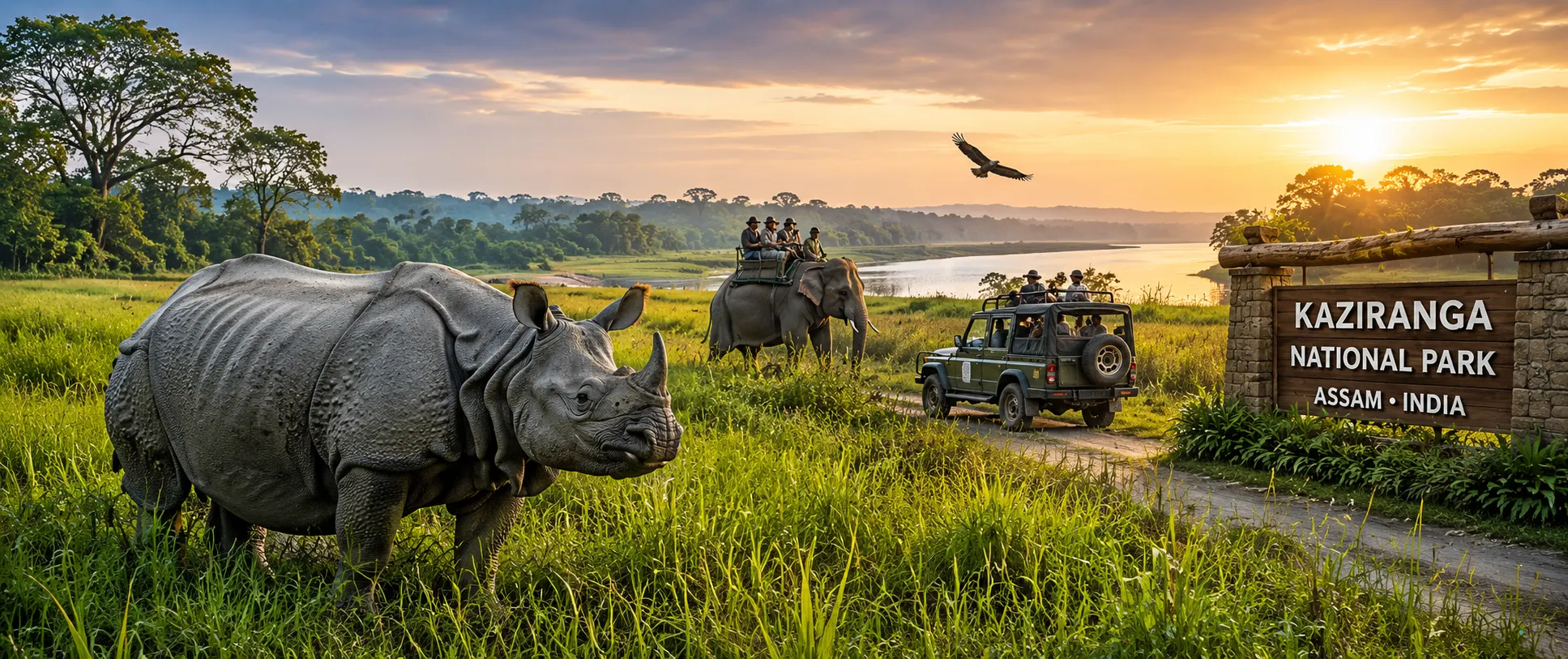
Kaziranga National Park Travel Guide 2026: Rhino Safari, Safari Zones & Best Time to Visit
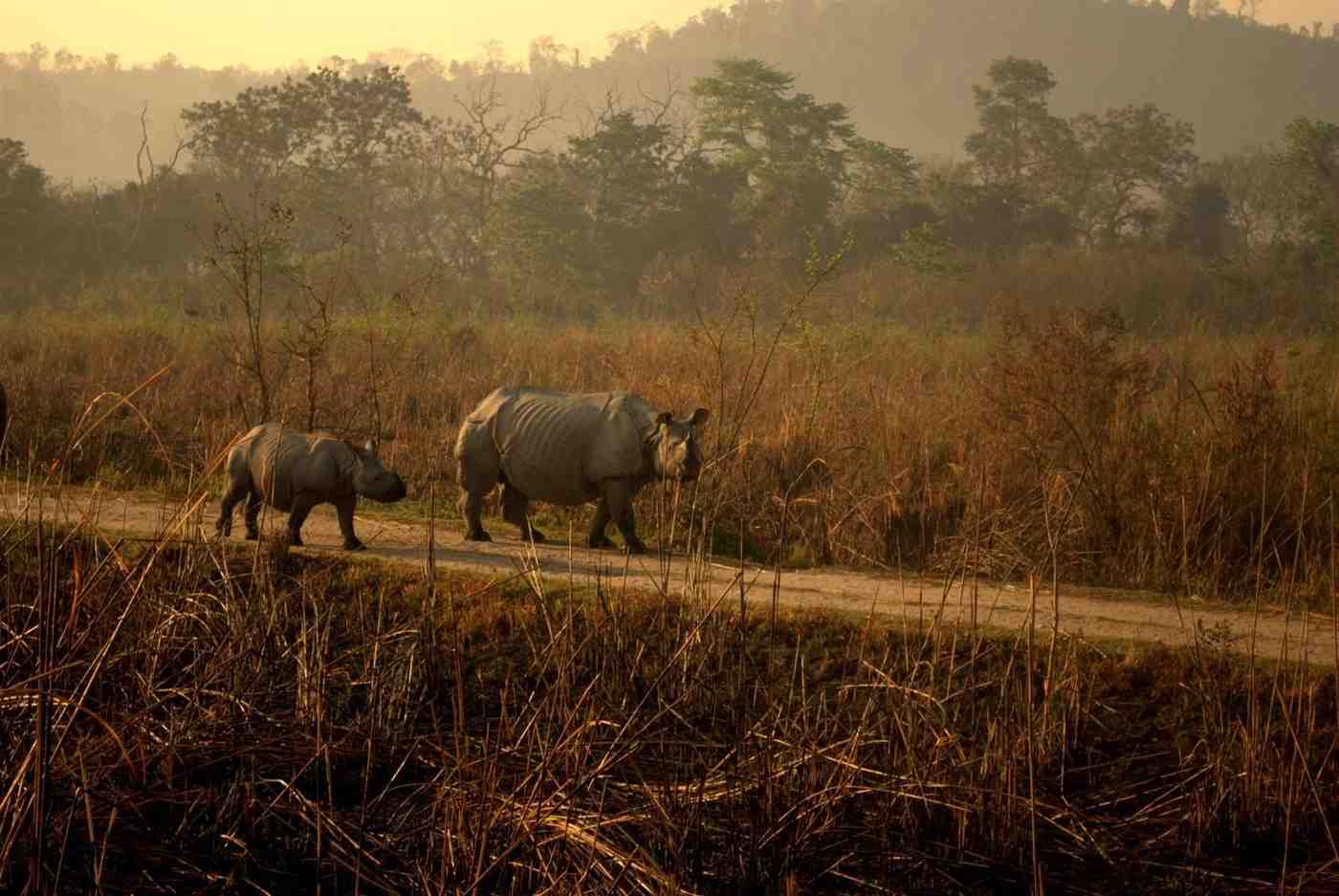
Kaziranga National Park is India's most celebrated wildlife destination and one of the world's greatest conservation success stories. Located in the northeastern state of Assam, this UNESCO World Heritage Site is internationally renowned for protecting the world's largest population of the endangered one-horned rhinoceros. Beyond rhinos, the park offers visitors unforgettable wildlife experiences through thrilling jeep safaris, elephant safaris, birdwatching tours, and opportunities to spot Bengal tigers, Asian elephants, wild water buffalo, and hundreds of bird species.

Spread across lush grasslands, wetlands, tropical forests, and riverine ecosystems along the mighty Brahmaputra River, Kaziranga showcases India's incredible biodiversity. Whether you're a wildlife enthusiast, photographer, family traveler, or first-time safari visitor, the park promises an unforgettable adventure.
In this complete Kaziranga National Park travel guide for 2026, you'll discover everything you need to plan your visit, including safari zones, safari booking process, best time to visit, travel tips, wildlife highlights, and how to reach one of India's finest national parks.
Planning a wildlife holiday across India? Explore our Best Places to Visit in India guide for more incredible destinations to add to your travel itinerary.
| This guide has been prepared using official tourism resources, wildlife conservation information, UNESCO references, Assam tourism updates, and verified travel insights. It is designed to help visitors plan a well-informed and responsible trip to Kaziranga National Park with practical information on safaris, wildlife, and travel planning. |
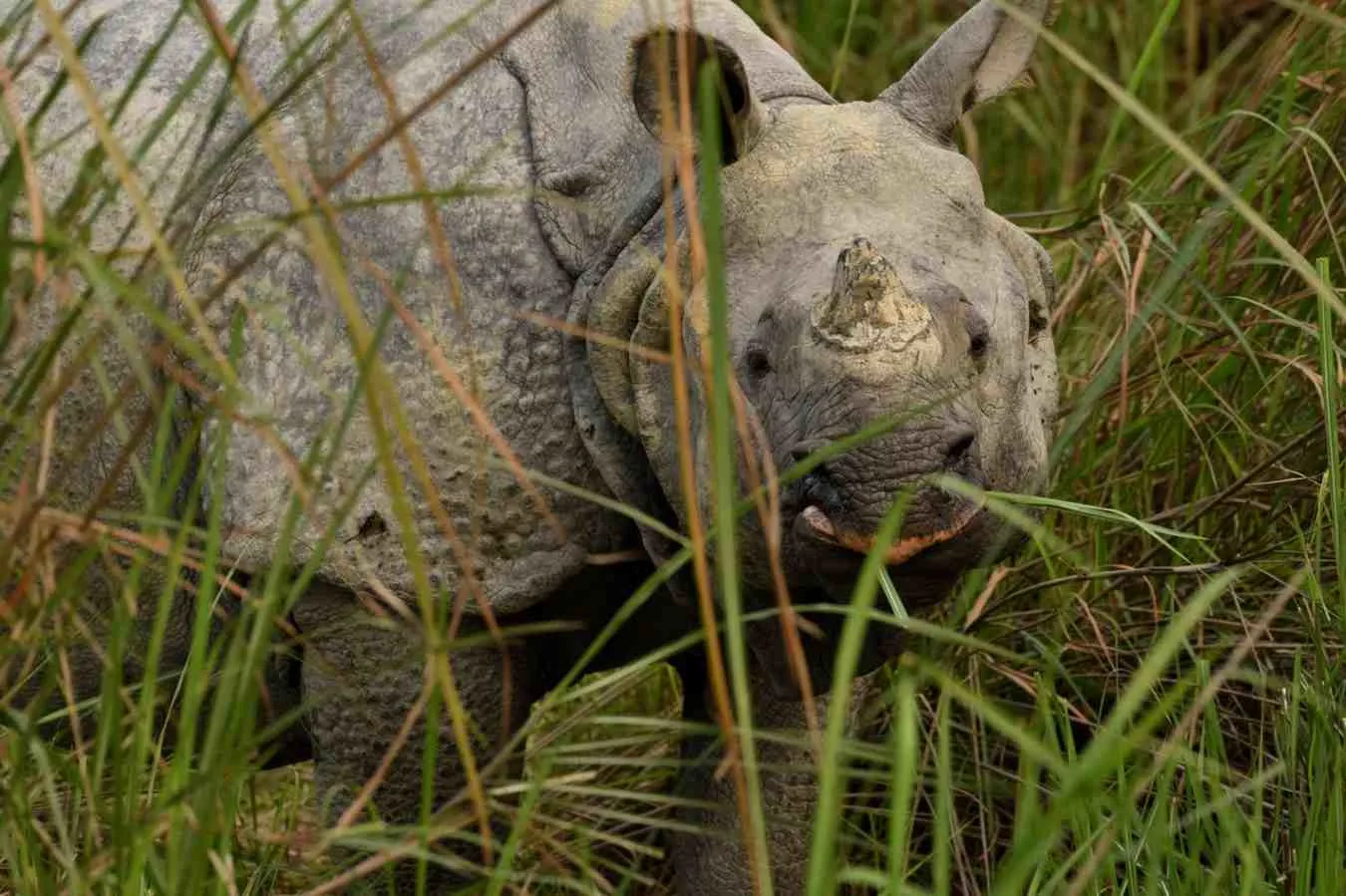
Kaziranga: Home of the One-Horned Rhino
About Kaziranga National Park
Kaziranga National Park is situated in Assam's Golaghat, Nagaon, Sonitpur, and Biswanath districts. It is globally recognized for conserving the endangered Indian one-horned rhinoceros and represents one of the world's finest protected wildlife habitats.
Overview
- UNESCO World Heritage Site
- India's premier wildlife destination
- Largest population of one-horned rhinoceros
- Rich biodiversity and wetlands
Location
The park lies approximately 195 km east of Guwahati and stretches across the floodplains of the Brahmaputra River.
UNESCO World Heritage Site
Kaziranga received UNESCO World Heritage status in 1985 for its outstanding biodiversity and successful wildlife conservation efforts.
National Park Status
Initially established as a protected reserve in the early 20th century, Kaziranga was officially declared a National Park in 1974.
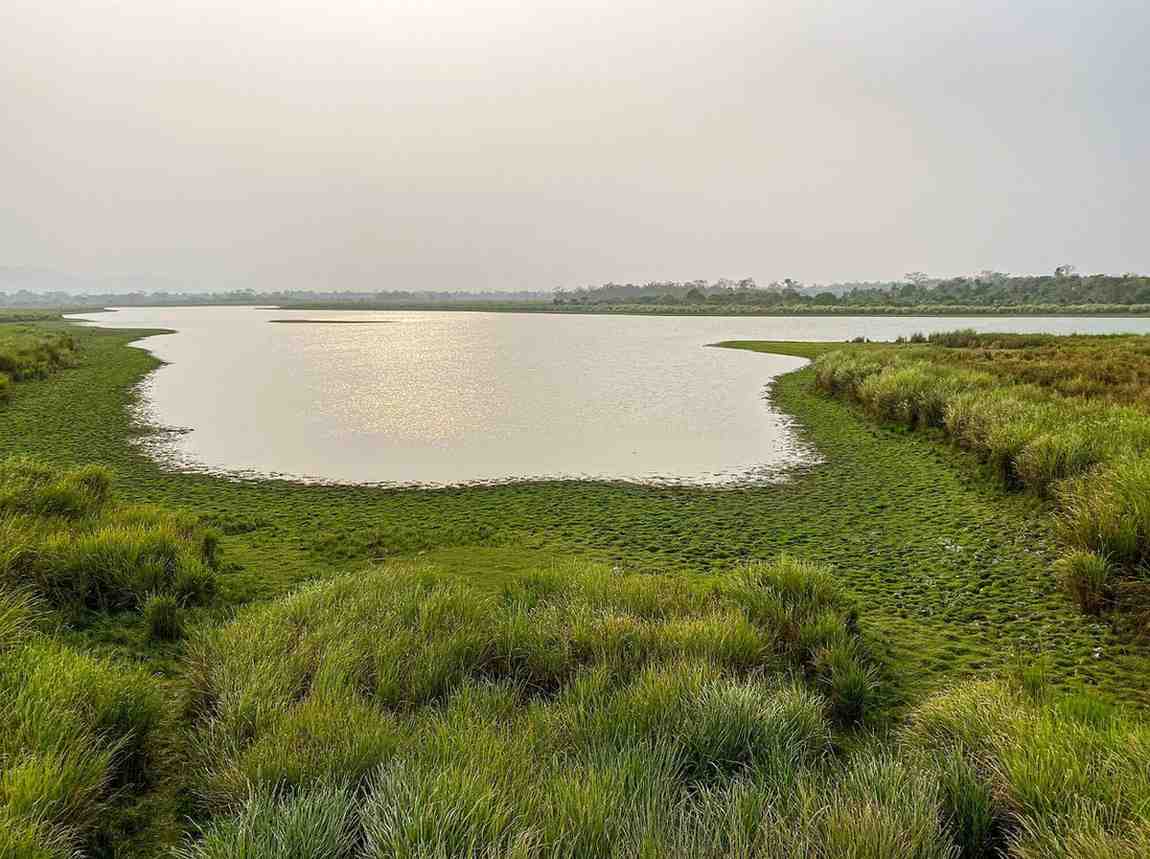
History of Kaziranga
Kaziranga's conservation journey began when extensive hunting threatened the survival of the Indian one-horned rhinoceros.
Early Conservation Efforts
Protection measures started in 1905 after concerns over the rapidly declining rhino population.
UNESCO Recognition
Its outstanding ecological significance earned it UNESCO World Heritage Site recognition in 1985.
Wildlife Protection
Today, Kaziranga stands as one of India's greatest conservation achievements, with strong anti-poaching initiatives and habitat management.
Why Kaziranga Is Important for Wildlife Conservation
|
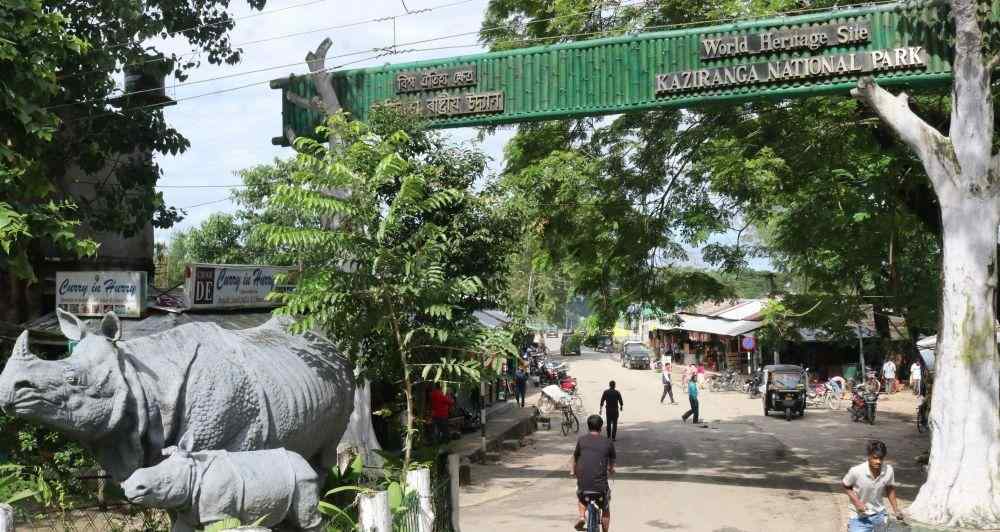
Why Kaziranga is World Famous
Kaziranga attracts nature lovers from around the globe because of its remarkable wildlife and ecosystems.
Highlights include:
- One-Horned Rhinoceros
- Tiger Reserve
- Vast Wetlands
- Tall Grasslands
- Rich Biodiversity
- Migratory Birds
- River Ecosystems
Flora and Ecosystem
Kaziranga's landscape is incredibly diverse.
Major ecosystems include:
- Tall elephant grass
- Marshlands
- Tropical semi-evergreen forests
- Floodplain forests
- Rivers and oxbow lakesWetlands
These habitats support an extraordinary variety of wildlife throughout the year.
Quick Facts About Kaziranga
|
Feature |
Details |
|
State |
Assam |
|
UNESCO Status |
Yes |
|
Famous For |
One-Horned Rhino |
|
Established |
National Park |
|
Best Activity |
Wildlife Safari |
Safari Zones in Kaziranga
Kaziranga is divided into four primary safari ranges, each offering unique wildlife experiences.
Central Range (Kohora)
The Central Range is the park's most popular safari zone.
Highlights:
- Excellent rhino sightings
- Popular among first-time visitors
- Beautiful grasslands
- Frequent elephant sightings
Western Range (Bagori)
The Western Range is considered the best for wildlife photography.
Highlights:
- Large rhino population
- Elephant herds
- Wild buffalo
- Scenic grasslands
- Excellent photography opportunities
Eastern Range (Agaratoli)
This range is paradise for birdwatchers.
Highlights:
- Wetlands
- Water birds
- Migratory birds
- Scenic river landscapes
- Fewer tourist vehicles
Burapahar Range
Perfect for visitors seeking a quieter nature experience.
Highlights:
- Forest trails
- Nature walks
- Dense forests
- Rich biodiversity
- Less explored region
Comparison of Safari Zones
|
Safari Zone |
Best For |
Duration |
|
Central |
Rhino Sightings |
2 Hours |
|
Western |
Wildlife Photography |
2 Hours |
|
Eastern |
Birdwatching |
2 Hours |
|
Burapahar |
Nature & Trekking |
2 Hours |
Elephant Safari vs Jeep Safari
Both safari options provide unique experiences.
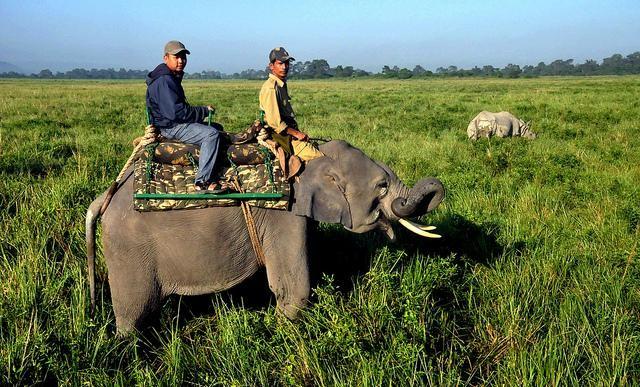
Elephant Safari
The elephant safari allows visitors to venture deep into grasslands where vehicles cannot reach.
Advantages
- Close rhino encounters
- Peaceful wildlife viewing
- Ideal during sunrise
- Excellent for first-time visitors
Timings
Usually conducted early in the morning.
Jeep Safari
Jeep safaris are the most popular way to explore Kaziranga.
Advantages
- Covers larger areas
- Better wildlife photography
- Family-friendly
- Multiple safari zones
Timings
Morning and afternoon safari sessions are available.
Which Safari Should You Choose?
Families
Jeep Safari
Wildlife Photographers
Western Range Jeep Safari
First-Time Visitors
Central Range Jeep Safari with optional Elephant Safari
Budget Travelers
Jeep Safari
Safari Comparison Table
|
Feature |
Elephant Safari |
Jeep Safari |
|
Duration |
Short |
Longer |
|
Area Covered |
Limited |
Large |
|
Photography |
Moderate |
Excellent |
|
Cost |
Higher |
Affordable |
|
Best For |
Rhino Viewing |
Overall Wildlife |
Wildlife Beyond the Rhino
Although rhinos are the biggest attraction, Kaziranga hosts incredible wildlife diversity.
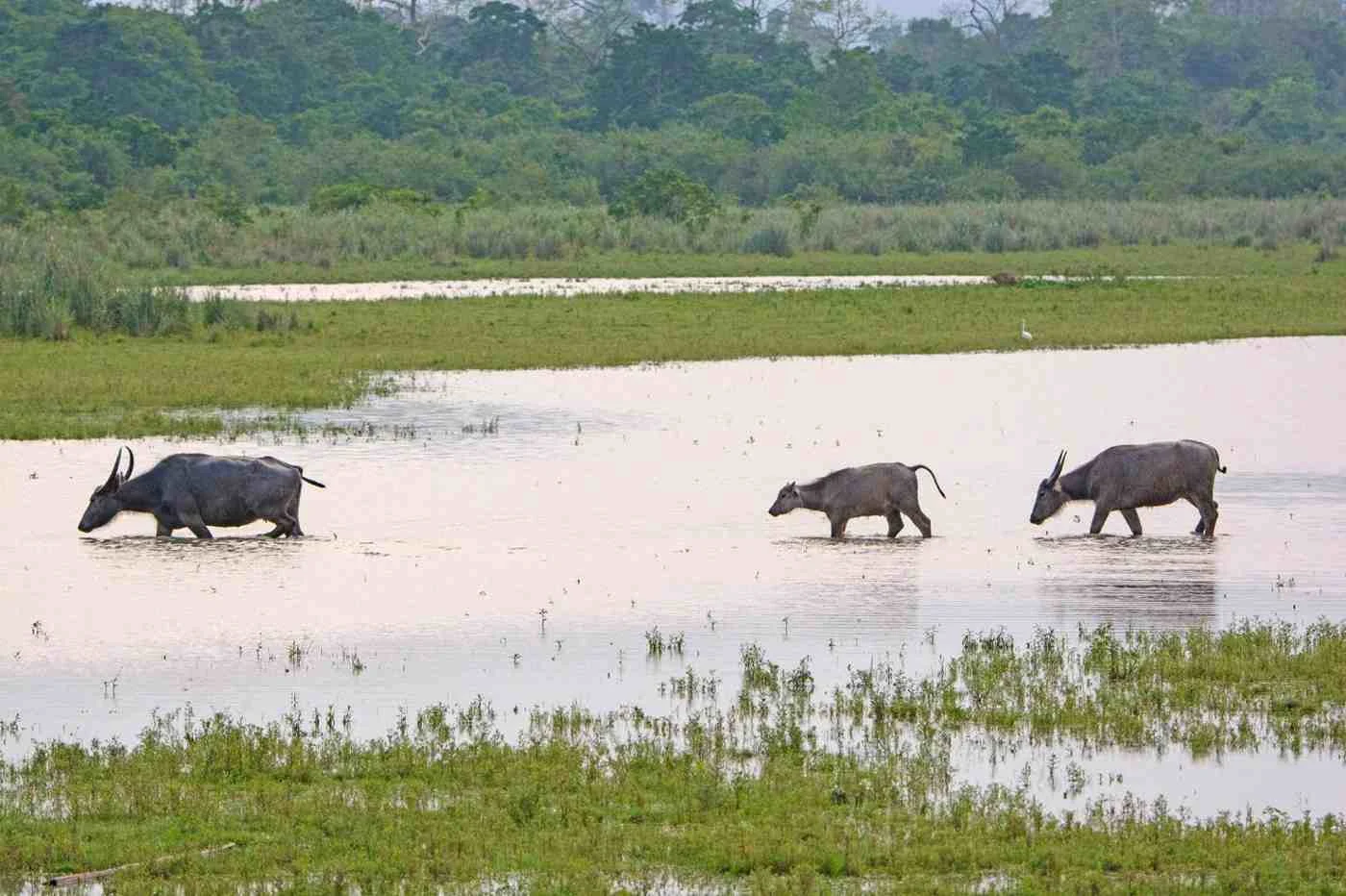
Mammals Found in Kaziranga
Visitors may encounter:
- Bengal Tiger
- Asian Elephant
- Wild Water Buffalo
- Swamp Deer
- Hog Deer
- Gaur
- Wild Boar
Birds of Kaziranga
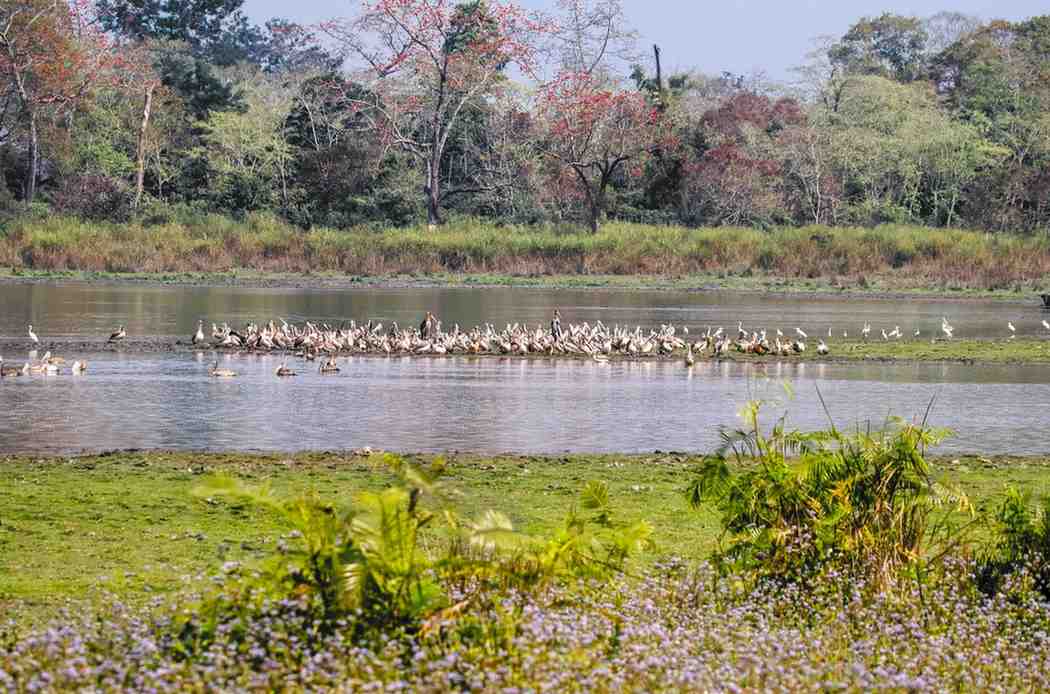
Birdwatchers can spot more than 450 bird species including:
- Pelicans
- Hornbills
- Kingfishers
- Eagles
- Storks
- Herons
- Bar-headed Geese
Reptiles and Aquatic Wildlife
Kaziranga also supports:
- Indian Python
- Cobra
- Freshwater Turtles
- Mugger Crocodiles
Wildlife Highlights
- One-Horned Rhino
- Bengal Tiger
- Asian Elephant
- Wild Buffalo
- Swamp Deer
- Over 450 Bird Species
If you're interested in exploring another famous wildlife destination in India, check out our Jim Corbett National Park Guide to compare safari experiences and wildlife diversity.
How to Book Kaziranga Safari Online
Booking your safari in advance is highly recommended, especially during peak tourist months.
Online Booking Process
-
Choose safari type
-
Select safari zone
-
Pick travel date
-
Upload government ID
-
Make payment
-
Download booking confirmation
Documents Required
- Government-issued ID
- Safari booking confirmation
- Passport (for foreign visitors)
Booking Tips
- Reserve well in advance
- Morning safaris provide better wildlife sightings
- Peak season slots fill quickly
- Carry the same ID used during booking
Responsible Safari Guidelines
|
How to Reach Kaziranga
By Air
The nearest airport is Jorhat Airport. Guwahati Airport also offers excellent connectivity with major Indian cities.
By Train
Nearest railway stations include:
- Furkating Junction
- Jorhat Town
- Guwahati Railway Station
By Road
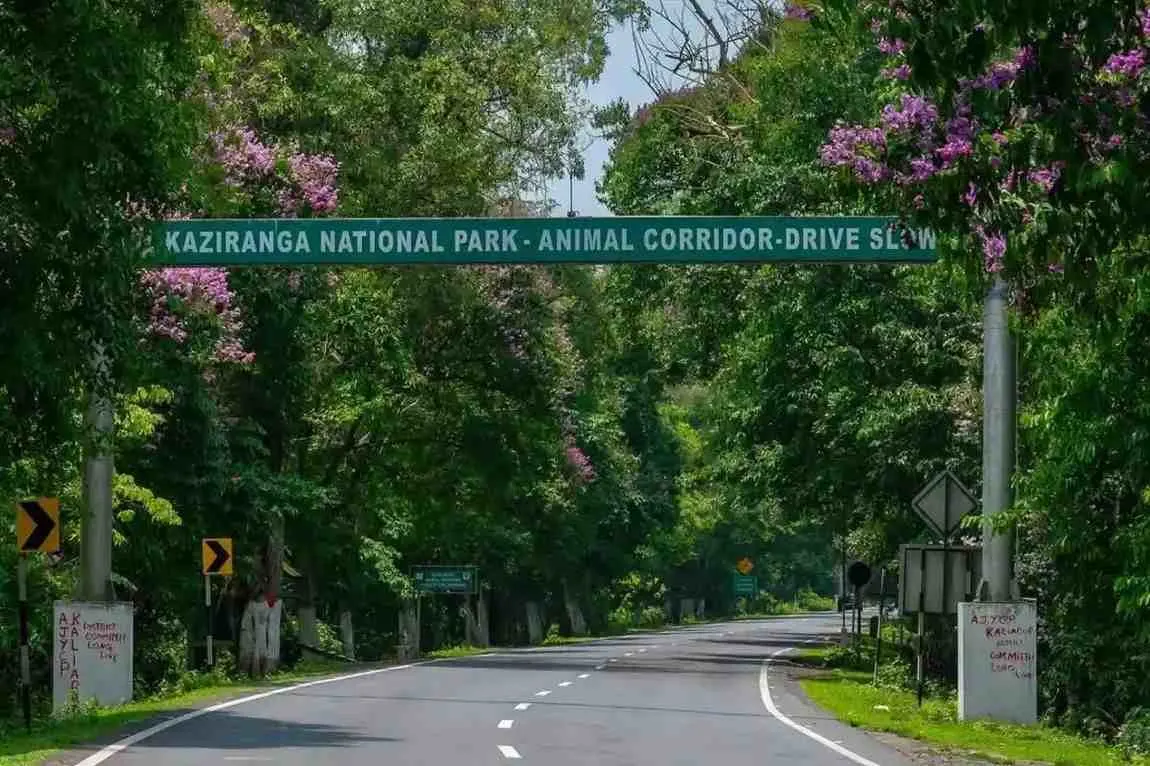
Kaziranga is well connected by National Highway 715.
Popular routes include:
- Guwahati to Kaziranga
- Jorhat to Kaziranga
- Tezpur to Kaziranga
Distance Table
|
City |
Distance |
|
Guwahati |
195 km |
|
Jorhat |
95 km |
|
Tezpur |
75 km |
Many travelers combine Kaziranga with Meghalaya. Read our Shillong Travel Guide to explore waterfalls, cafés, viewpoints, and local attractions after your wildlife adventure.
Best Time to Visit Kaziranga
November to February
- Pleasant weather
- Peak tourist season
- Excellent birdwatching
- Comfortable safari conditions
March to April
- Outstanding wildlife sightings
- Dry grasslands improve visibility
- Great photography opportunities
May
- Last month before monsoon closure
- Warm weather
- Good wildlife activity
June to September
The park remains closed during the monsoon because of seasonal flooding caused by the Brahmaputra River.
Seasonal Travel Guide
|
Season |
Recommendation |
|
Winter |
Excellent |
|
Spring |
Very Good |
|
Summer |
Good |
|
Monsoon |
Closed |
 Travel Tips for Visiting Kaziranga
Essential Tips
- Carry binoculars
- Wear neutral-colored clothing
- Reach the safari gate early
- Carry valid ID proof
- Follow all park regulations
- Avoid making loud noises
- Respect wildlife from a safe distance
- Keep cameras fully charged
- Carry drinking water and sunscreen
Conclusion
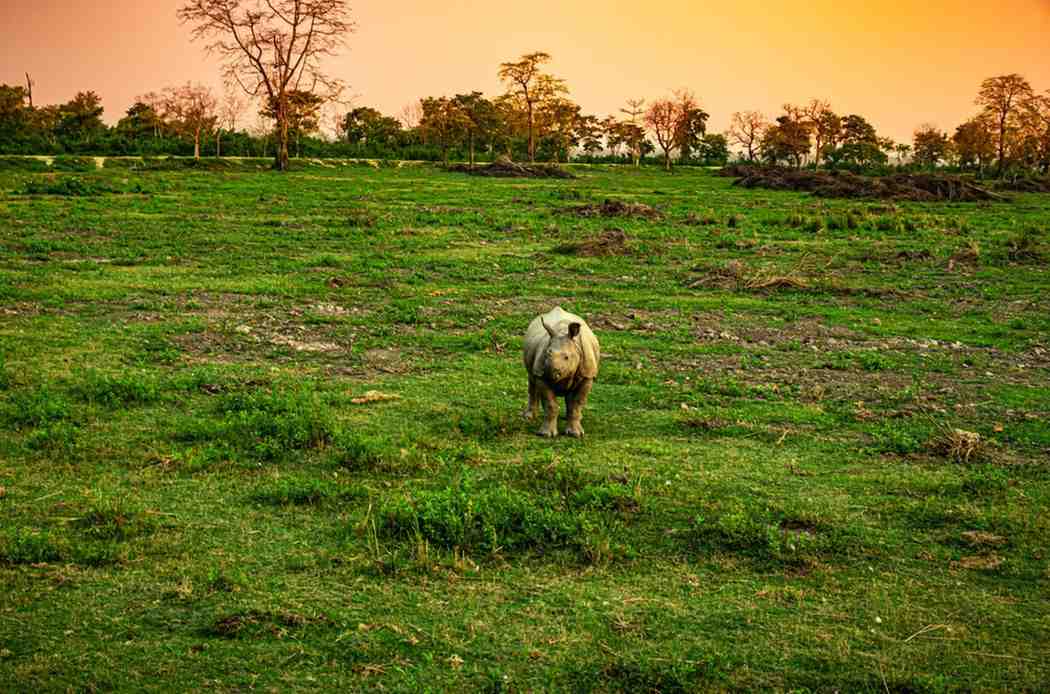
Kaziranga National Park stands among India's finest wildlife destinations, offering visitors an unforgettable opportunity to witness the majestic one-horned rhinoceros in its natural habitat. Combined with thrilling jeep and elephant safaris, rich biodiversity, scenic landscapes, and excellent birdwatching, the park promises an extraordinary experience for every traveler. Planning your safari early, choosing the right safari zone, and visiting during the ideal season will help you make the most of your adventure.
If you're exploring Northeast India, Kaziranga also pairs beautifully with nearby destinations that showcase the region's rich culture, rivers, mountains, and natural beauty.
If you're planning a longer trip through Assam, don't miss our Majuli Island Guide, where you can discover one of the world's largest river islands, famous for its monasteries, culture, and scenic beauty.
How This Guide Was Researched
|
References
- UNESCO World Heritage Centre
- Assam Tourism
- Kaziranga National Park Official Authorities
- National Tiger Conservation Authority (NTCA)
- Ministry of Environment, Forest and Climate Change
- Incredible India
About the Author
|
Frequently Asked Questions
More from
Himalayas Digital
Top Places to Visit in Kashmir: 10 Best Tourist Destinations for 2026
Morjim Beach Goa: Things to Do, Best Time, How to Reach & Travel Guide 2026

Palolem Beach Goa: Things to Do, Best Time, How to Reach & Travel Guide 2026

Colva Beach Goa: Things to Do, Best Time, How to Reach & Travel Guide 2026