A Local Traveller's Guide to Exploring Palampur
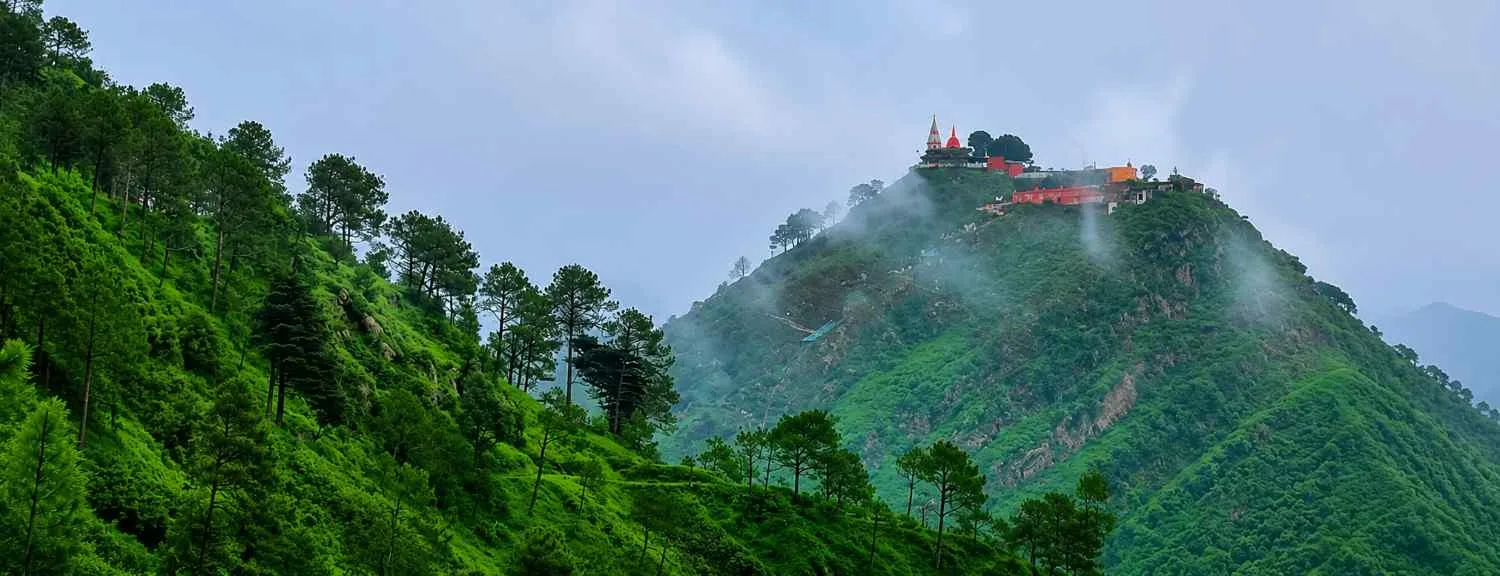
Palampur is a scenic hill town in Himachal Pradesh's Kangra district, known for its lush tea gardens, pine forests, Dhauladhar mountain views and peaceful surroundings. Visitors can explore local tea estates, Neugal Khad, Andretta village, Tashi Jong Monastery and nearby heritage attractions while experiencing the relaxed lifestyle of the Kangra Valley.

Unlike some of Himachal Pradesh's busier tourist destinations, Palampur offers a slower travel experience where nature, culture and everyday local life come together. The town is surrounded by green landscapes, small villages, flowing streams and traditional settlements that make it an interesting destination for different types of travellers.
From walking through tea plantations and discovering local pottery to visiting ancient temples and enjoying traditional Kangra food, there is plenty to explore beyond conventional sightseeing. Whether you are planning a weekend getaway, a family holiday or a longer trip through the Kangra Valley, Palampur offers several opportunities to experience the quieter side of Himachal Pradesh.
1. Understanding Palampur: A Town Surrounded by Nature
Palampur is located in Kangra district in the northwestern part of Himachal Pradesh. Situated against the backdrop of the Dhauladhar mountain range, the town is surrounded by tea plantations, pine forests, agricultural landscapes and small settlements.
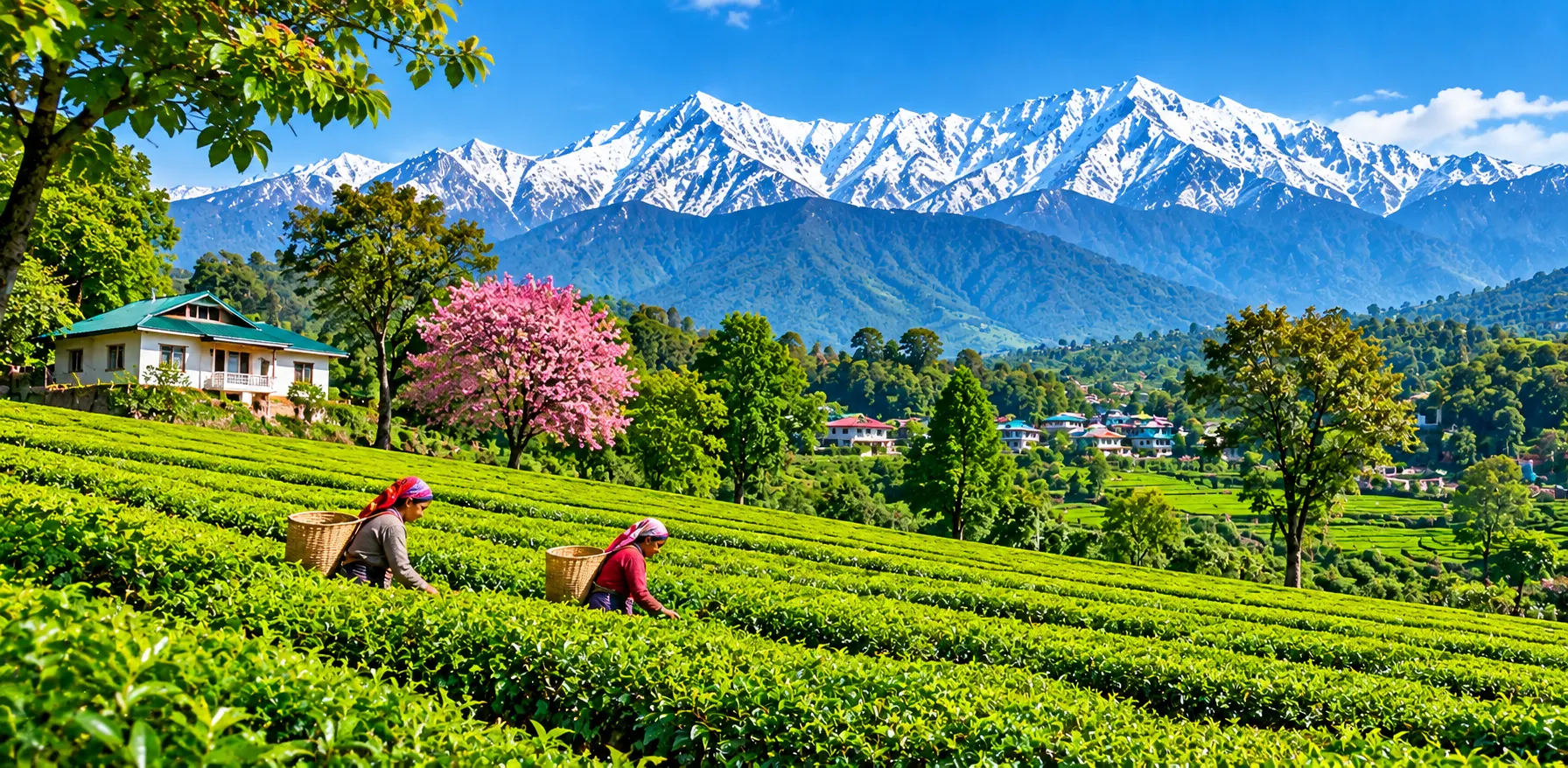
One of the most distinctive features of Palampur is its connection with tea cultivation. The region is widely recognised for Kangra tea, which has a long history and a distinctive flavour influenced by the area's climate and geographical conditions. Its extensive tea gardens have also contributed to Palampur's identity as an important tea-growing destination in northwestern India.
The town offers a different experience from popular hill stations such as Shimla and Manali. Instead of busy commercial streets and crowded tourist attractions, Palampur is known for its quieter surroundings, village landscapes and opportunities to explore nature at a relaxed pace.
Local life is closely connected with agriculture, traditional Kangra culture and small businesses. Visitors can experience this through village walks, local markets, regional food and interactions with residents.
The combination of mountain scenery, tea culture and traditional Himachali life makes Palampur an appealing destination for travellers who want to explore the Kangra Valley beyond its more familiar tourist centres.
2. Best Places to Visit in Palampur
Palampur has a combination of natural attractions, cultural landmarks and nearby villages. Some places are suitable for short visits, while others offer opportunities to spend several hours exploring the surrounding landscape.
Palampur Tea Gardens
The tea gardens are among the most recognisable attractions in Palampur. Spread across the surrounding landscape, these plantations create beautiful green surroundings with the Dhauladhar mountains providing a scenic backdrop.
Tea cultivation in the Kangra region developed during the nineteenth century, and the area's tea industry has remained an important part of its agricultural and cultural identity.
Visitors can enjoy:
-
Walking along accessible roads beside tea plantations.
-
Photographing the green landscapes and mountain views.
-
Learning about Kangra tea and its cultivation.
-
Exploring local tea shops and outlets.
-
Understanding the region's connection with traditional tea production.
Some tea estates may offer opportunities to learn about tea processing or purchase locally produced tea. However, access to private plantation areas and factory facilities depends on the individual property, so visitors should seek permission before entering.
For a closer look at the region's tea-growing landscape, explore Dharamshala and Palampur Tea Gardens and discover how the tea plantations contribute to the natural beauty of the Kangra Valley.
Neugal Khad
Neugal Khad is a popular natural attraction near Palampur, known for its rocky landscape, flowing water and impressive views of the Dhauladhar mountain range.
The area offers a refreshing setting for visitors who enjoy spending time outdoors. Depending on the season and water conditions, the stream and surrounding landscape can look quite different.
Things to enjoy around Neugal Khad include:
-
Viewing the mountain landscape.
-
Photography around the gorge and stream.
-
Spending time in the surrounding open areas.
-
Enjoying a peaceful break away from the town.
Visitors should remain cautious near the water, particularly during the monsoon season when water levels and currents can change quickly. Avoid approaching slippery rocks or entering the stream during unsafe conditions.
Saurabh Van Vihar
Saurabh Van Vihar is a nature and recreational area near Palampur, named in memory of Captain Saurabh Kalia. It offers a green environment where visitors can enjoy outdoor activities and spend time with family.
The attraction is particularly suitable for travellers looking for a relaxed outdoor experience rather than a demanding sightseeing schedule.
Depending on available facilities and current access arrangements, visitors may enjoy:
-
Walking through green surroundings.
-
Spending time in landscaped areas.
-
Nature photography.
-
Family outings and recreational activities.
Before planning a visit, check local information regarding opening hours, available facilities and access, as visitor arrangements can change.
Tashi Jong Monastery
Tashi Jong Monastery is an important Tibetan Buddhist religious and cultural centre in the Kangra region. Located near Palampur, it is associated with the Drukpa Kagyu tradition of Tibetan Buddhism.
The monastery complex offers visitors an opportunity to understand Tibetan Buddhist culture, architecture and religious practices.
Its peaceful surroundings, prayer areas and traditional decorative elements make it a meaningful cultural stop for travellers interested in spirituality and local heritage.
During a visit:
-
Maintain silence in prayer and meditation areas.
-
Dress respectfully.
-
Follow photography restrictions where applicable.
-
Avoid disturbing religious activities.
-
Respect the monks and local community.
A visit to Tashi Jong Monastery offers a different perspective on the cultural diversity of the Kangra Valley.
Andretta Artist Village
Andretta is a well-known artist village near Palampur, particularly recognised for its association with painting, pottery and traditional creative practices.
The village has a strong artistic heritage and is associated with the celebrated painter Sobha Singh, whose work is displayed at the Sobha Singh Art Gallery.
Andretta is also known for its pottery traditions and creative workshops. Visitors interested in art and handmade products can explore the village's artistic environment and learn about local craft practices.
Experiences may include:
-
Visiting the Sobha Singh Art Gallery.
-
Exploring pottery studios.
-
Discovering handmade ceramic products.
-
Learning about the village's artistic history.
-
Enjoying the peaceful rural surroundings.
If you enjoy destinations that combine culture with local experiences, Andretta is a worthwhile addition to your Palampur itinerary.
Bundla Stream
Bundla Stream is another natural attraction in the Palampur area. Surrounded by greenery and the landscape of the Kangra Valley, it offers an opportunity to appreciate the region's natural environment.
The stream and its surroundings can be particularly appealing to visitors who enjoy quiet outdoor locations and photography.
Depending on the season, the flow of water and appearance of the surrounding landscape may change.
Travellers should avoid approaching unstable banks or slippery areas, especially after rainfall. It is also important to keep the surroundings clean and avoid disturbing local vegetation.
Baijnath Temple
Baijnath Temple is one of the most significant historical and religious attractions near Palampur. Located in Baijnath town, it is dedicated to Lord Shiva and is known for its traditional stone architecture.
The temple is generally dated to 1204 CE, based on its historical inscriptions, and is an important example of the region's medieval temple architecture.
Its detailed stone carvings, traditional design and religious importance make it a meaningful destination for history enthusiasts, architecture lovers and pilgrims.
Visitors can:
-
Explore the temple's architectural details.
-
Learn about its historical background.
-
Observe traditional religious practices.
-
Experience the cultural atmosphere of Baijnath.
Visitors should follow temple rules and respect religious customs during their visit.
3. Local Experiences You Should Not Miss in Palampur
Exploring Palampur is not only about visiting popular attractions. The town also offers opportunities to understand local culture, discover traditional crafts and experience the everyday lifestyle of the Kangra Valley.
Explore Traditional Kangra Tea Culture
Tea is closely connected with Palampur's identity. Exploring tea gardens and local tea outlets provides an opportunity to understand the region's agricultural heritage.
Visitors can learn about tea cultivation, processing and the characteristics of Kangra tea. Purchasing locally produced tea is also a simple way to support regional producers.
Visit Local Villages and Interact with Residents
The villages around Palampur offer a glimpse into traditional Kangra life. Their landscapes often include agricultural fields, traditional homes, small temples and mountain views.
A village visit can help travellers understand local customs, food habits and the relationship between communities and their surroundings.
Always respect private property and seek permission before photographing residents or entering private spaces.
Discover Pottery and Art in Andretta
Andretta is an excellent destination for travellers interested in traditional crafts and artistic activities.
The village's pottery studios and art-related attractions provide an opportunity to explore handmade products and learn about the creative traditions associated with the area.
Visitors may also discover locally made ceramics and artistic souvenirs.
Enjoy Nature Walks Around Tea Estates
Walking along accessible roads near tea plantations is one of the simplest ways to enjoy Palampur.
These walks provide views of tea gardens, surrounding villages and the Dhauladhar mountains. Early mornings and clear afternoons can offer particularly beautiful scenery.
Choose public or permitted routes and avoid entering private plantations without permission.
Experience Tibetan Culture and Monasteries
The Kangra region has a strong connection with Tibetan Buddhist culture. Visiting Tashi Jong Monastery provides an opportunity to understand its religious traditions, architecture and community life.
Travellers interested in cultural experiences can explore the monastery respectfully and learn about the practices followed by its residents.
Explore Local Markets and Traditional Handicrafts
Palampur's local markets are useful places to explore everyday products, regional food items, clothing and souvenirs.
Visitors may find woollen garments, handmade products, locally produced tea and other items associated with Himachali culture.
Shopping from local businesses and artisans also helps support the regional economy.
4. Hidden Places and Offbeat Attractions Near Palampur
Beyond the main sightseeing locations, several nearby destinations offer different experiences for travellers who want to explore more of the Kangra Valley.
Gopalpur and Dhauladhar Nature Park
Gopalpur is a small destination near Palampur, surrounded by the natural landscapes of the Kangra region.
The area is particularly known for the Dhauladhar Nature Park, which offers visitors an opportunity to learn about wildlife and biodiversity.
It can be a suitable stop for families and travellers interested in nature and wildlife. Check current visitor information, facilities and access before planning your visit.
Bandla Village
Bandla is a village in the Palampur region, known for its rural surroundings, green landscapes and views of the mountains.
Travellers looking for a quieter experience can explore the village roads and nearby natural surroundings.
It is a good option for those who enjoy slow travel, photography and discovering places beyond conventional tourist attractions.
Panchrukhi
Panchrukhi is a small town in the Kangra region, located within the wider Palampur area. It offers a glimpse of everyday local life, traditional settlements and the landscapes surrounding the Kangra Valley.
The area is also connected with the Kangra Valley railway network, making it interesting for visitors who enjoy heritage rail journeys.
Travellers can explore nearby villages, enjoy local scenery and experience a quieter side of the region.
Bir and Billing
Bir and Billing are among the best-known destinations in the Kangra region for adventure tourism.
Bir is recognised for its Tibetan settlements, monasteries, cafés and relaxed atmosphere. Billing, located higher in the mountains, is internationally known for paragliding and offers impressive views of the surrounding Himalayan landscape.
Popular experiences include:
-
Paragliding with authorised operators.
-
Exploring Tibetan monasteries.
-
Visiting local cafés.
-
Photography and mountain sightseeing.
-
Discovering village culture.
Bir and Billing are separate destinations from Palampur and require additional travel time. Visitors should plan transport accordingly, particularly if they are interested in adventure activities.
Chamunda Devi Temple
Chamunda Devi Temple is an important religious destination in Kangra district, dedicated to Goddess Chamunda.
The temple attracts devotees throughout the year and is surrounded by a scenic natural setting.
Its religious importance and peaceful surroundings make it a worthwhile cultural stop for visitors interested in Himachal Pradesh's temple heritage.
Travellers can include the temple in a wider Kangra Valley sightseeing route, depending on their starting point and available time.
The Dhauladhar region also offers opportunities for more challenging mountain adventures. For experienced trekkers, the Indrahar Pass Trek is a separate trekking destination in the wider Dhauladhar range, rather than an attraction within Palampur town. It requires proper preparation, suitable weather conditions and an appropriate trekking plan.
5. Best Things to Do in Palampur
Palampur offers a combination of relaxing activities, cultural experiences and outdoor exploration. Travellers can plan their activities according to their interests, available time and weather conditions.
Walk Through the Tea Gardens
Walking near the tea plantations is one of the most enjoyable activities in Palampur. Visitors can appreciate the green landscape, observe tea cultivation and photograph the surrounding mountains.
Choose accessible roads and respect plantation boundaries.
Enjoy Photography Against the Dhauladhar Mountains
The Dhauladhar range creates a beautiful backdrop for photography around Palampur.
Tea gardens, village landscapes, streams and traditional buildings provide plenty of opportunities for nature and travel photography.
Clear weather generally offers better mountain visibility.
Explore Local Art and Pottery
A visit to Andretta provides an opportunity to discover local pottery, paintings and creative traditions.
Travellers interested in handmade crafts can explore studios and galleries to understand the artistic heritage of the village.
Visit Monasteries and Temples
Tashi Jong Monastery and Baijnath Temple offer different cultural and religious experiences.
Exploring these places provides a better understanding of the region's Buddhist and Hindu traditions.
Enjoy Short Nature Walks
Palampur's natural surroundings are suitable for relaxed walks along accessible roads and village routes.
Visitors can enjoy the scenery, fresh air and quieter atmosphere without planning demanding outdoor activities.
Explore Nearby Adventure Destinations
Bir and Billing offer opportunities for adventure tourism, especially paragliding.
Visitors can also explore the wider Dhauladhar region through guided hikes and trekking routes, depending on their experience and physical preparation.
6. Best Time to Visit Palampur
Palampur can be visited throughout the year, but the experience changes according to the season. Weather conditions influence tea garden visits, mountain views, road travel and outdoor activities.
The best time depends on whether you prefer pleasant sightseeing weather, green monsoon landscapes or cooler winter conditions.
Summer (March–June)
Summer is generally a comfortable period for exploring Palampur. Temperatures are usually more suitable for sightseeing than during the colder winter months.
This season is ideal for:
-
Exploring tea gardens.
-
Visiting nearby temples and monasteries.
-
Walking through local villages.
-
Photography and outdoor sightseeing.
-
Exploring nearby destinations such as Andretta and Bir.
Clear days may offer good views of the Dhauladhar mountains, although visibility depends on local weather conditions.
Monsoon (July–September)
The monsoon transforms Palampur into a particularly green destination. Tea plantations, forests and surrounding hills become lush after rainfall.
However, this period also requires additional travel precautions.
Heavy rainfall can result in slippery roads, reduced visibility, waterlogging and landslides in parts of the Himalayan region.
Travellers should check weather forecasts and road conditions before travelling. Avoid stream crossings and exposed areas during heavy rainfall.
Autumn and Winter (October–February)
Autumn offers a pleasant atmosphere for exploring Palampur, with changing weather and opportunities for outdoor sightseeing.
Winter brings cooler temperatures, particularly during the mornings and evenings. Visitors should carry suitable woollen clothing.
This period can be suitable for:
-
Exploring cultural attractions.
-
Visiting temples and monasteries.
-
Enjoying quieter travel experiences.
-
Photography during clear weather.
-
Exploring local food and markets.
Snowfall is not guaranteed in Palampur town, so visitors should not plan their trip expecting regular snowfall.
Seasonal Comparison for Visiting Palampur
| Season | Weather and surroundings | Recommended experiences | Precautions |
|---|---|---|---|
| March–June | Generally pleasant and warmer | Tea gardens, sightseeing and nature walks | Carry sun protection and light layers |
| July–September | Rainy and lush green | Scenic views and relaxed indoor experiences | Check rainfall, landslide alerts and road conditions |
| October–November | Cooler and generally suitable for sightseeing | Village visits, temples and photography | Carry light warm clothing |
| December–February | Cold, especially mornings and evenings | Cultural sightseeing and peaceful holidays | Carry winter clothing and check weather conditions |
For most travellers, March to June and October to November are convenient periods for sightseeing and exploring the surrounding attractions.
7. How to Reach Palampur
Palampur is connected to other parts of Himachal Pradesh through road and the historic Kangra Valley narrow-gauge railway. Travellers can also reach the region by air through the nearest airport and continue by road.
By Air
Kangra Airport, also known as Gaggal Airport, is the nearest airport serving the Dharamshala and Kangra region.
The airport is located near Gaggal, and travellers can continue towards Palampur by taxi or other available road transport.
Flight availability and schedules may vary, so check current airline services before booking.
By Train
Palampur is connected to the Kangra Valley narrow-gauge railway network.
Palampur Himachal Railway Station is served by the heritage rail route connecting Pathankot with Jogindernagar.
The journey offers scenic views of the Kangra Valley, villages and surrounding mountains. However, narrow-gauge trains are generally slower than road transport, so travellers should plan sufficient time.
Check the latest railway timetable and operational status before travelling, as services can change.
By Road
Road travel is one of the most convenient ways to reach Palampur.
The town is connected with several destinations in Himachal Pradesh, including:
-
Dharamshala.
-
Kangra.
-
Baijnath.
-
Bir.
-
Jogindernagar.
Travellers coming from Delhi can use buses or private vehicles to reach the Kangra region, followed by onward road travel to Palampur.
Available options include:
-
HRTC buses.
-
Private buses on selected routes.
-
Private taxis.
-
Self-drive vehicles.
Mountain roads may involve curves, changing weather and variable traffic conditions. Allow additional time for travel, especially during monsoon and winter.
8. Local Food to Try in Palampur
Food is an important part of exploring Palampur and the wider Kangra region. Traditional Himachali dishes reflect local ingredients, seasonal produce and cooking methods that have developed across the mountain communities.
Visitors can explore local restaurants, small eateries and traditional dining experiences to discover regional flavours.
Himachali Dham
Dham is a traditional Himachali festive meal, commonly prepared for weddings, festivals and community celebrations.
It generally consists of several dishes served together, often featuring rice, lentils, curd-based preparations and regional specialities.
The exact dishes and preparation methods vary across Himachal Pradesh.
Madra
Madra is a well-known Himachali dish prepared using legumes, curd and a combination of traditional spices.
Chana madra is one popular variety. Its creamy texture and rich flavour make it an important part of traditional Himachali cuisine.
Siddu
Siddu is a traditional steamed bread found in several parts of Himachal Pradesh.
It is generally prepared using wheat flour dough and may contain fillings such as poppy seeds, walnuts or other ingredients.
It is commonly enjoyed with ghee, chutney or other accompaniments.
Chha Gosht
Chha Gosht is a traditional Himachali meat preparation, often made using marinated meat cooked with yoghurt and aromatic spices.
It is associated with the region's traditional cooking styles and is worth trying for visitors who enjoy non-vegetarian food.
Kangra Tea
Kangra tea is one of the region's most recognised agricultural products.
It is known for its distinctive flavour and aroma, which are influenced by the local growing conditions.
Visitors can enjoy a cup of locally produced tea at cafés, restaurants and tea outlets around Palampur.
Traditional Local Snacks
Local eateries may also offer seasonal snacks, breads and simple regional preparations.
Travellers can ask residents or restaurant owners about locally prepared dishes to discover options beyond standard restaurant menus.
Trying regional food is a simple way to understand the culture and everyday lifestyle of the Kangra Valley.
9. Where to Stay in Palampur
Palampur offers different accommodation options, including hotels, resorts, homestays and budget properties.
The best place to stay depends on your travel budget, preferred surroundings and the attractions you want to explore.
Hotels and Resorts
Hotels and resorts are suitable for visitors looking for convenient accommodation with standard facilities.
Some properties offer mountain views, gardens, restaurants and other amenities.
Travellers should compare location, facilities, reviews and transport accessibility before booking.
Homestays Around Tea Gardens
Homestays provide opportunities to experience the local lifestyle and enjoy quieter surroundings.
Some properties are located near tea plantations or in villages around Palampur.
They can be a suitable option for travellers interested in local food, cultural experiences and a more personal style of hospitality.
Heritage Properties
Travellers interested in traditional architecture and the history of the Kangra region may prefer heritage-style accommodation.
Such properties can offer a distinctive experience through traditional architecture, landscaped surroundings and local hospitality.
Check the actual facilities and heritage claims of individual properties before booking.
Budget Accommodation
Budget hotels, guesthouses and smaller homestays are available in and around Palampur.
These options can be suitable for backpackers, solo travellers and visitors planning longer stays.
Compare accommodation based on cleanliness, location, transport access and recent guest feedback rather than price alone.
Suggested Palampur Travel Itinerary
Planning your sightseeing in advance can help you explore Palampur without rushing between attractions.
A one-day visit is suitable for the main town attractions, while a two-day trip offers more time for nearby villages, temples and cultural experiences.
One-Day Palampur Itinerary
| Time | Suggested activities |
|---|---|
| Morning | Explore Palampur tea gardens and enjoy the mountain scenery |
| Late morning | Visit Neugal Khad |
| Afternoon | Enjoy lunch and explore local markets |
| Evening | Visit Saurabh Van Vihar, subject to access, or enjoy the surrounding mountain views |
This itinerary focuses on attractions in and around Palampur. Actual travel time will depend on your starting point, transport and local conditions.
Two-Day Palampur Itinerary
| Day | Suggested activities |
|---|---|
| Day 1 | Explore tea gardens, Neugal Khad, Saurabh Van Vihar and local markets |
| Day 2 | Visit Andretta, Tashi Jong Monastery and Baijnath Temple |
The second-day route involves travelling between different locations, so start early and check the opening hours and access arrangements of individual attractions.
Travellers who want to explore the tea-growing landscape in greater detail can also refer to Dharamshala and Palampur Tea Gardens for additional regional travel inspiration.
Practical Travel Tips for Exploring Palampur
A little preparation can make your Palampur trip more comfortable and help you explore the region responsibly.
Keep these practical tips in mind:
-
Carry suitable clothing: Weather can change throughout the day, so carry layers and appropriate winter clothing during colder months.
-
Check the weather forecast: Rainfall and changing mountain weather can affect sightseeing and road conditions.
-
Respect tea plantation boundaries: Many tea estates are privately managed. Seek permission before entering plantation areas.
-
Follow local customs: Dress respectfully and observe visitor guidelines at monasteries and temples.
-
Allow additional travel time: Mountain roads and local traffic can make journeys longer than expected.
-
Support local businesses: Purchase regional products and locally made handicrafts wherever possible.
-
Avoid littering: Carry waste with you and protect streams, forests and tea-growing landscapes.
-
Check opening hours: Confirm access arrangements for attractions, galleries and recreational areas before visiting.
-
Book accommodation in advance: Advance booking is useful during holidays and popular travel periods.
-
Choose authorised adventure operators: If planning activities such as paragliding around Bir and Billing, check operator credentials and safety arrangements.
These simple precautions can help you enjoy a more comfortable and responsible travel experience.
12. Why Palampur Is Worth Exploring Beyond Typical Hill Station Tourism
Palampur offers a different kind of Himalayan holiday. Rather than focusing only on crowded tourist attractions, the town allows visitors to explore the natural landscapes, cultural heritage and everyday lifestyle of the Kangra Valley.
Its tea gardens are an important part of the regional identity, while the Dhauladhar mountain range creates a beautiful setting for sightseeing and outdoor experiences.
The surrounding villages offer opportunities to discover traditional lifestyles, local food and handmade crafts. Places such as Andretta provide a connection with the region's artistic heritage, while Tashi Jong Monastery and Baijnath Temple introduce visitors to its religious and architectural traditions.
Palampur is also a convenient starting point for exploring nearby destinations such as Bir, Billing, Gopalpur and other parts of Kangra district.
For travellers who enjoy nature, cultural experiences and relaxed exploration, Palampur offers a rewarding alternative to some of Himachal Pradesh's busier hill stations.
Whether you spend your time walking beside tea plantations, discovering traditional art, visiting temples or enjoying local food, the town provides several ways to experience the quieter side of Himalayan travel.
Explore Himalayas Digital for more travel guides, local experiences, cultural destinations and practical information to help you discover Himachal Pradesh.
More from
Himalayas Digital
Top 25 Singers in Himachal Pradesh: Famous Himachali Artists You Should Know

IPL 2026 in Dharamshala: Match Dates, Tickets, Hotels & Complete Travel Guide

Hemis Monastery: Ladakh’s Largest & Most Famous Gompa

Manki Point Kasauli: Complete Travel Guide (2026) – Timings, Entry Fee, History & How to Reach