Barot Valley Himachal Pradesh Travel Guide – Nature & Treks
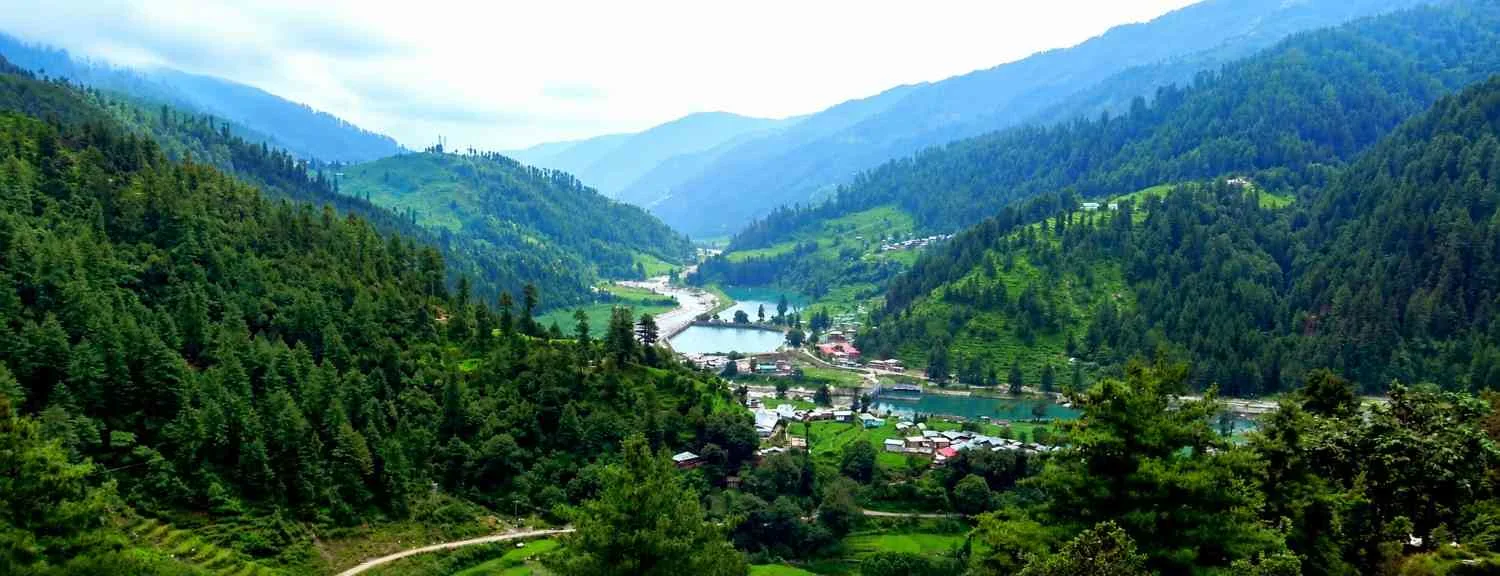
Hidden in the Mandi district of Himachal Pradesh, Barot Valley is one of the most peaceful and scenic destinations in the Indian Himalayas. Nestled at an altitude of around 1,830 metres, this offbeat valley is known for its crystal-clear Uhl River, dense deodar forests, trout fishing, picturesque villages, and exciting trekking trails. Unlike the crowded tourist hotspots of Shimla and Manali, Barot offers a quieter experience where nature takes centre stage.

Unlike crowded hill stations such as Shimla and Manali, Barot Valley offers a quieter and more authentic Himalayan experience. Whether you're planning a romantic getaway, a family vacation, a weekend road trip, or an adventure-filled trekking holiday, Barot has something for every type of traveller.
From exploring the historic Shanan Hydel Project and camping beside the Uhl River to trekking towards Rajgundha Valley and spotting wildlife near Nargu Wildlife Sanctuary, Barot combines nature, adventure, and local culture in one unforgettable destination.
This complete 2026 Barot Valley Travel Guide covers everything you need to know before planning your trip, including the best time to visit, how to reach, weather, top attractions, trekking routes, camping, hotels, restaurants, itinerary, travel budget, and essential tips.
Barot Valley Travel Guide – Quick Information
| Information | Details |
|---|---|
| Location | Mandi District, Himachal Pradesh |
| Altitude | 1,830 metres (6,000 ft) |
| Famous For | Camping, Trekking, Trout Fishing, Uhl River |
| Best Time to Visit | March–June & September–November |
| Ideal Trip Duration | 2 Days |
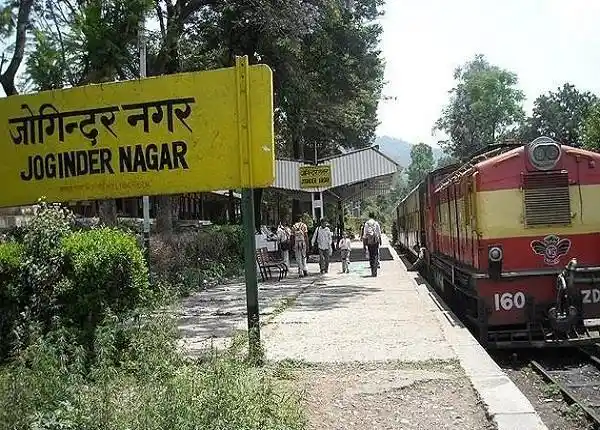
| Nearest Railway Station | Joginder Nagar (40 km) |
| Nearest Airport | Kangra Airport (115 km) |
| Snowfall Season | Late December to February |
| Entry Fee | No Entry Fee |
| Mobile Network | Jio & BSNL work best in most areas |
| Average Budget | ₹2,500–₹10,000 depending on travel style |
How We Researched This Barot Valley GuideThis travel guide has been prepared after reviewing official tourism information, Himachal Pradesh government resources, route maps, weather records, local accommodation listings, and verified traveller feedback. We regularly review and update this guide to keep travel information accurate and useful for visitors planning a trip to Barot Valley. |
Why Visit Barot Valley?
If you're searching for a peaceful destination away from heavy tourist crowds, Barot Valley is one of the best places to visit in Himachal Pradesh. Surrounded by lush forests, snow-capped mountains, and the picturesque Uhl River, the valley is perfect for travellers who enjoy nature, adventure, and slow travel.
Why Tourists Love Barot Valley
- One of Himachal Pradesh's hidden gems
- Less crowded than Shimla, Manali, and Bir Billing
- Beautiful riverside camping experience
- Excellent destination for trekking and hiking
- Famous for rainbow and brown trout fishing
- Ideal for couples, families, photographers, and backpackers
- Rich biodiversity and birdwatching opportunities
- Affordable hotels, homestays, and camps
Whether you're looking for relaxation or adventure, Barot Valley offers an unforgettable Himalayan experience throughout the year.
Who Should Visit Barot Valley?
| Traveller | Why It's Ideal |
|---|---|
| Couples | Romantic riverside stays, peaceful surroundings, beautiful sunsets |
| Families | Safe environment, nature walks, picnic spots, easy sightseeing |
| Adventure Lovers | Trekking, camping, fishing, birdwatching, off-road exploration |
| Backpackers | Affordable stays, less crowded, scenic landscapes |
| Photographers | Forests, rivers, wildlife, mountain villages, sunrise and sunset views |
| Nature Lovers | Dense deodar forests, Himalayan wildlife, tranquil atmosphere |
Where is Barot Valley Located?
Barot Valley is situated in the Mandi district of Himachal Pradesh, approximately 65 km from Mandi, 40 km from Joginder Nagar, and around 70 km from Bir Billing. The valley lies along the banks of the scenic Uhl River and is surrounded by the majestic Dhauladhar mountain range.
Location Details
- State: Himachal Pradesh
- District: Mandi
- Elevation: 1,830 metres
- Nearest Town: Joginder Nagar
- Coordinates: 31.88° N, 76.83° E
Its central location also makes Barot an ideal base for exploring Rajgundha Valley, Bir Billing, Palampur, and nearby Himalayan villages.
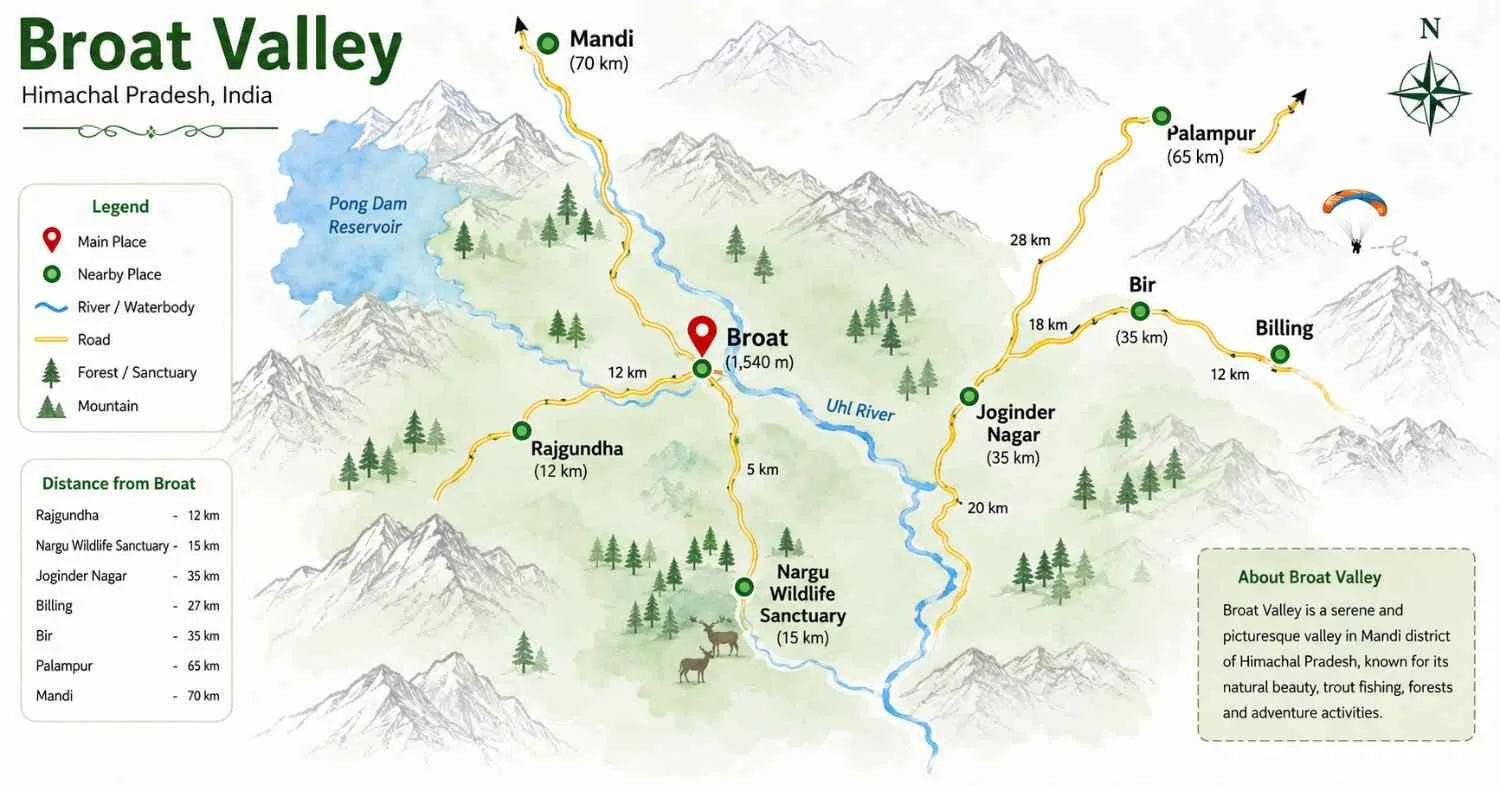
| The above map is provided for route planning purposes. Actual road conditions may vary depending on weather and local advisories. |
Why is Barot Valley Famous?
Barot Valley is known for its untouched natural beauty and exciting outdoor experiences. Unlike commercial hill stations, it offers a peaceful atmosphere where visitors can enjoy authentic Himalayan landscapes.
1. Uhl River
The crystal-clear Uhl River flows through the heart of Barot Valley and is the main attraction of the region. Visitors enjoy riverside walks, photography, camping, picnics, and fishing along its scenic banks.
2. Trout Fishing
Barot Valley is one of the best destinations in Himachal Pradesh for rainbow and brown trout fishing. Anglers from across the country visit during the permitted fishing season to experience one of India's finest freshwater fishing locations.
3. Camping
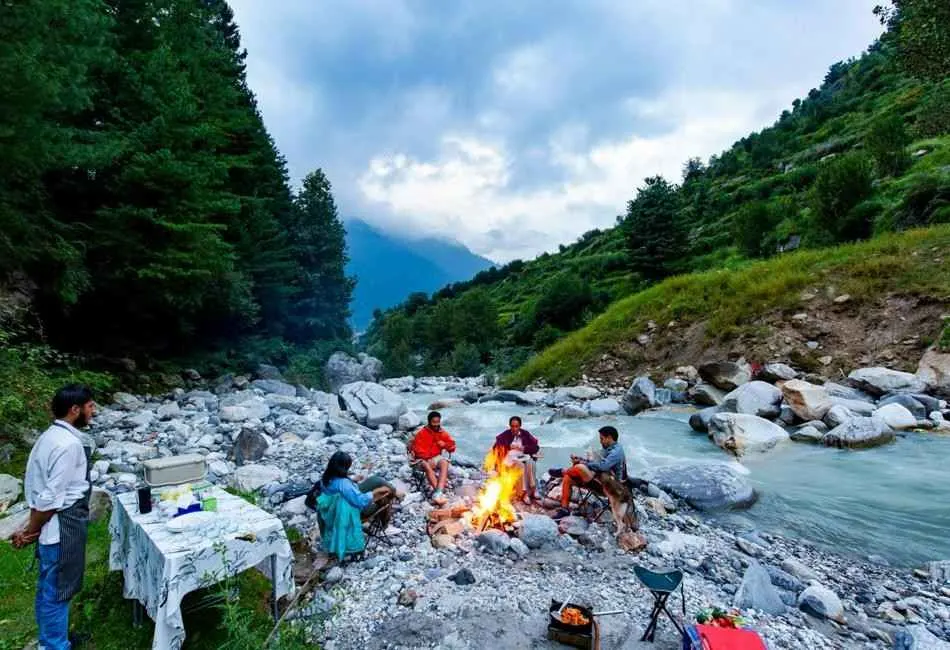
Camping beside the Uhl River is among the most popular activities in Barot Valley. Visitors can choose from riverside camps, eco camps, and luxury tents that offer bonfires, local food, and breathtaking mountain views.
4. Trekking
Barot serves as the gateway to several beautiful Himalayan treks, including Rajgundha Valley Trek, Bada Bhangal Trek, and nearby forest trails suitable for beginners and experienced trekkers alike.
5. Wildlife & Birdwatching
The nearby Nargu Wildlife Sanctuary is home to Himalayan Black Bears, Goral, Barking Deer, Himalayan Monal, and numerous bird species, making Barot a paradise for wildlife enthusiasts and photographers.
6. Shanan Hydel Project
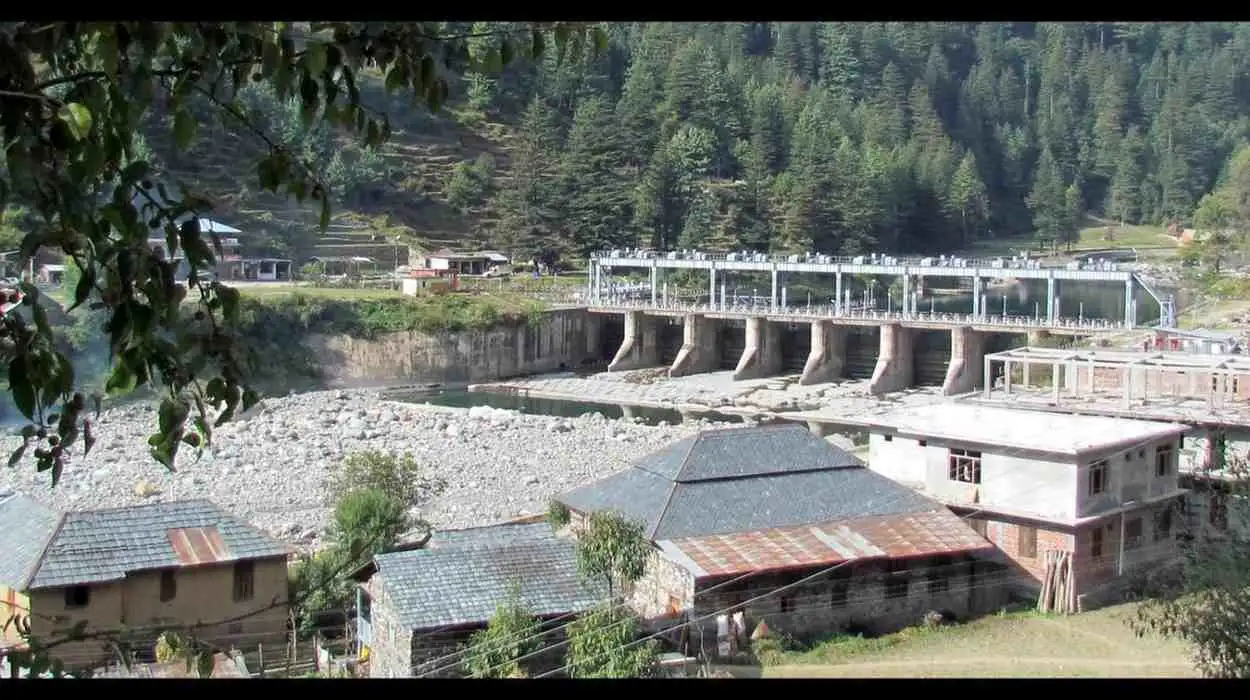
Built during the British era, the historic Shanan Hydel Project remains one of India's oldest hydroelectric power projects and is an important landmark showcasing the engineering heritage of Himachal Pradesh.
History of Barot Valley
Barot Valley has a fascinating history that blends traditional Himalayan culture with British-era engineering. Long before tourism developed, the valley was inhabited by local communities who depended on farming, livestock, and forest resources for their livelihood. Due to its fertile land and the Uhl River, Barot also served as an important route connecting the Mandi, Kangra, and Kullu regions.
The valley gained prominence during the early 20th century when the British recognised the hydroelectric potential of the Uhl River. They constructed the Shanan Hydel Project, along with roads, bridges, and a unique trolley system to transport construction materials through the mountains. These developments transformed Barot into an important engineering centre while preserving its natural beauty.
Today, Barot Valley is celebrated for eco-tourism, trout fishing, trekking, camping, and wildlife conservation. Its combination of history, adventure, and peaceful surroundings makes it one of Himachal Pradesh's most rewarding offbeat destinations.
Best Time to Visit Barot Valley
Barot Valley can be visited throughout the year, but each season offers a different experience.
| Season | Months | Temperature | Best For |
|---|---|---|---|
| Summer | March–June | 10°C–25°C | Sightseeing, Trekking, Camping, Family Trips |
| Monsoon | July–September | 15°C–22°C | Green Landscapes, Photography, Peaceful Holidays |
| Autumn | October–November | 8°C–20°C | Clear Views, Nature Walks, Camping |
| Winter | December–February | -2°C–15°C | Snowfall, Bonfires, Winter Photography |
Which Season is Best?
- March to June offers pleasant weather for sightseeing, trekking, fishing, and camping.
- October and November are ideal for clear mountain views and peaceful vacations.
- January is the best month to experience snowfall.
For most travellers, March to June is considered the best time to visit Barot Valley because of comfortable temperatures and excellent road conditions.
Barot Valley Weather Throughout the Year
Located at 1,830 metres above sea level, Barot enjoys cool weather throughout the year.
| Month | Temperature | Travel Experience |
|---|---|---|
| March–June | 10°C–28°C | Ideal for outdoor activities |
| July–September | 15°C–25°C | Lush greenery and photography |
| October–November | 8°C–20°C | Pleasant weather and clear skies |
| December–February | -2°C–15°C | Snowfall and winter landscapes |
Travel Tip: Always carry a light jacket, even in summer, as evenings can become chilly.
Does Barot Valley Receive Snowfall?
Yes. Barot Valley experiences light to moderate snowfall, usually from late December to February. January is generally the best month to enjoy snow-covered landscapes.
Best Months for Snowfall
- Late December: First snowfall of the season.
- January: Peak snowfall with beautiful white landscapes.
- February: Snow remains in higher areas while weather becomes slightly milder.
If you're planning a winter trip, check the latest weather forecast before travelling, as heavy snowfall can occasionally affect road conditions.
How to Reach Barot Valley
Although Barot Valley is an offbeat destination, it is well connected by road from major cities in North India. Travelling by road is the most convenient and scenic option, with routes passing through beautiful mountain landscapes and traditional Himachali villages.
By Road
Barot Valley can be reached via Mandi or Joginder Nagar.
| Starting City | Distance | Travel Time |
|---|---|---|
| Mandi | 65 km | 2 Hours |
| Joginder Nagar | 40 km | 1 Hour |
| Bir Billing | 70 km | 2 Hours |
| Dharamshala | 115 km | 4–5 Hours |
| Chandigarh | 235 km | 7 Hours |
| Delhi | 500 km | 10–11 Hours |
Private taxis, self-drive cars, motorcycles, and HRTC buses are available from nearby towns.
By Train
The nearest railway station is Joginder Nagar Railway Station, about 40 km away. Travellers coming from Delhi and other major cities can also use Pathankot Railway Station and continue by taxi or bus.
By Air
The nearest airport is Kangra (Gaggal) Airport, located around 115 km from Barot Valley. Taxis are easily available from the airport.
Top Places to Visit in Barot Valley
The Uhl River is the heart of Barot Valley. Its clear mountain water, peaceful surroundings, and riverside walking trails make it one of the most relaxing places to visit.
Best For: Photography, Camping, Nature Walks & Fishing
2. Barot Dam
Built as part of the historic Shanan Hydel Project, Barot Dam offers beautiful mountain views and a peaceful atmosphere for evening walks.
3. Rajgundha Valley
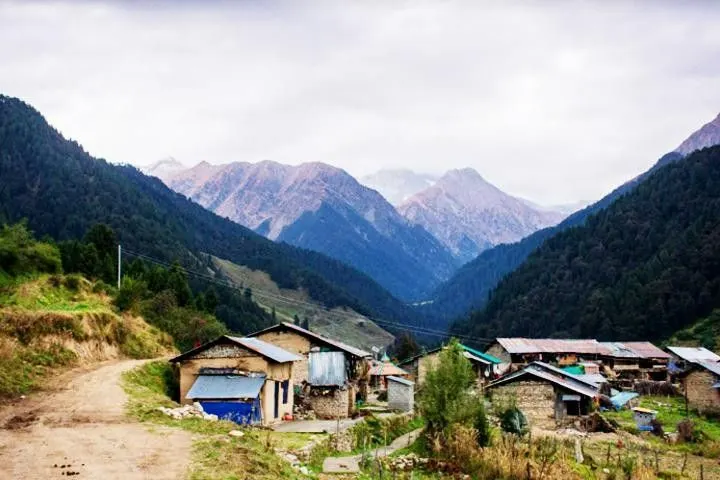
One of the most scenic destinations near Barot, Rajgundha Valley is famous for lush meadows, wooden houses, and beginner-friendly trekking routes.
4. Nargu Wildlife Sanctuary
Nature lovers can explore this sanctuary to spot Himalayan birds, Goral, Barking Deer, and other wildlife in their natural habitat.
5. Lohardi Village
A traditional Himachali village where visitors can experience local culture, wooden architecture, and peaceful rural life.
Best Things to Do in Barot Valley
Despite being an offbeat destination, Barot Valley offers plenty of experiences for travellers of all ages.
A trip to Barot Valley is more than sightseeing. The destination offers memorable outdoor experiences throughout the year.
- Camp beside the Uhl River
- Trek to Rajgundha Valley
- Try trout fishing (with permit)
- Visit Barot Dam
- Explore Nargu Wildlife Sanctuary
- Enjoy birdwatching
- Capture mountain landscapes
- Experience local Himachali cuisine
- Relax around a bonfire at your campsite
Trekking in Barot Valley
Barot is an excellent destination for beginner and intermediate trekkers.
Popular Treks
| Trek | Difficulty | Duration |
|---|---|---|
| Rajgundha Trek | Easy | 1 Day |
| Lohardi Village Trail | Easy | Half Day |
| Billing Trek | Moderate | 1–2 Days |
| Bada Bhangal Trek | Difficult | 6–8 Days |
Carry comfortable trekking shoes, warm clothing, sufficient water, and a basic first-aid kit before starting your trek.
Camping in Barot Valley
Camping is among the most popular experiences in Barot Valley. Several riverside camps and eco-camps provide comfortable accommodation with beautiful mountain views.
Most camps include:
- Comfortable tents
- Local meals
- Bonfire (weather permitting)
- Guided activities
- Riverside location
The best camping season is March to June and October to November.
Trout Fishing in Barot Valley
Barot Valley is one of the best destinations in Himachal Pradesh for rainbow and brown trout fishing. The cold, clear waters of the Uhl River provide an ideal habitat for trout, attracting anglers from across India.
Fishing Season
April to October (subject to government regulations).
Fishing Permit
A valid permit from the Himachal Pradesh Fisheries Department is required before fishing.
Best Fishing Spot
The Uhl River offers designated stretches where trout fishing is permitted.

Important Rules
- Carry your fishing permit at all times.
- Fish only in authorised zones.
- Follow the daily catch limit.
- Respect the river ecosystem.
- Fishing during the breeding season is prohibited.
| Fishing permits and regulations are subject to change. Visitors should always confirm the latest rules with the Himachal Pradesh Fisheries Department. |
Why These Experiences Make Barot Valley Special
Unlike many commercial hill stations, Barot Valley offers experiences that revolve around nature rather than crowds. Whether you're trekking through pine forests, camping beside the Uhl River, trying trout fishing, or simply enjoying the peaceful mountain atmosphere, every activity allows you to experience the untouched beauty of Himachal Pradesh.
2-Day Barot Valley Itinerary
Day 1
- Arrive in Barot Valley
- Visit Barot Dam
- Walk along the Uhl River
- Explore Lohardi Village
- Enjoy riverside camping and bonfire
Day 2
- Watch the sunrise
- Trek to Rajgundha Valley
- Visit Nargu Wildlife Sanctuary
- Try trout fishing (if permitted)
- Return journey
Where to Stay in Barot Valley
Accommodation options suit every budget.
Budget (₹800–₹2,000)
- Homestays
- Guest Houses
- Budget Hotels
Mid-Range (₹2,000–₹4,000)
- Family Hotels
- Riverside Cottages
Premium (₹4,000+)
- Luxury Camps
- Boutique Resorts
Book your stay in advance during April–June and long weekends.
Best Cafés & Restaurants in Barot Valley
While Barot is a peaceful village, you'll still find several small cafés and family-run restaurants serving delicious Himachali and North Indian cuisine.
Must-Try Foods
- Fresh Rainbow Trout
- Himachali Dham (seasonal)
- Siddu
- Rajma Chawal
- Parathas
- Maggi
- Momos
- Local tea
Dining Tips
- Trout dishes are usually available only during the permitted fishing season.
- Carry cash, as digital payments may not be accepted everywhere.
- Most cafés close by late evening, especially during winter.
Budget for a Barot Valley Trip
One of the biggest advantages of Barot Valley is that it's an affordable destination.
| Travel Style | Estimated Budget (2 Days) |
|---|---|
| Solo Traveller | ₹2,500–₹4,000 |
| Couple | ₹6,000–₹10,000 |
| Family | ₹10,000–₹18,000 |
Approximate Expenses
| Category | Cost |
|---|---|
| Budget Hotel | ₹1,000–₹2,000 |
| Mid-Range Hotel | ₹2,500–₹4,000 |
| Meals | ₹300–₹700/day |
| Local Taxi | ₹1,500–₹3,000 |
| Camping | ₹1,500–₹4,000 |
Money-Saving Tip: Travel in a group and share taxi costs to reduce your overall trip budget.
If you're looking for peace and offbeat experiences, Barot Valley is an excellent choice.
Nearby Places to Visit from Barot Valley
If you have an extra day, these destinations are worth exploring.
| Destination | Distance | Travel Time | Best For |
|---|---|---|---|
| Rajgundha Valley | 18 km | 1 Hour | Trekking & Camping |
| Joginder Nagar | 40 km | 1 Hour | Heritage & Local Culture |
| Bir Billing | 70 km | 2 Hours | Paragliding |
| Palampur | 70 km | 2.5 Hours | Tea Gardens |
| Billing | 60 km | 2 Hours | Adventure Sports |
These destinations can easily be combined with your Barot Valley trip.
Pros & Cons of Visiting Barot Valley
Every destination has its strengths and limitations. Here's what to expect before planning your trip.
Pros
- Less crowded than most Himachal hill stations
- Peaceful and pollution-free environment
- Budget-friendly accommodation
- Excellent trekking and camping opportunities
- Beautiful riverside landscapes
- Great destination for photography
- Family-friendly atmosphere
Cons
- Limited ATM facilities
- Mobile network can be weak in remote areas
- Very limited nightlife
- Public transport options are fewer than major tourist destinations
- During the monsoon, landslides may occasionally affect road travel
Is Barot Valley Worth Visiting?
Absolutely
If you're looking for an offbeat destination that combines natural beauty, adventure, and tranquillity, Barot Valley is one of the best places to visit in Himachal Pradesh.
It offers a unique experience that's difficult to find in more commercial hill stations. Whether you want to camp beside the Uhl River, trek through Himalayan forests, enjoy trout fishing, or simply relax in a peaceful mountain village, Barot delivers an authentic Himalayan experience.
Who Will Enjoy Barot Valley the Most?
- Nature lovers
- Couples seeking a quiet getaway
- Families looking for a peaceful holiday
- Adventure enthusiasts
- Wildlife photographers
- Backpackers exploring offbeat Himachal
For travellers who value serenity over crowds, Barot Valley is definitely worth adding to your Himachal Pradesh itinerary.
Essential Travel Tips for Barot Valley
A little preparation can make your Barot Valley trip smoother and more enjoyable.
Before You Travel
- Carry sufficient cash, as ATMs are limited in Barot.
- Download offline Google Maps before entering the valley.
- Book hotels or camps in advance during the peak season (April–June).
- Start your road journey early to avoid driving in the dark on mountain roads.
- Check the latest weather forecast during the monsoon and winter.
During Your Stay
- Respect local customs and village life.
- Avoid littering and use designated waste bins.
- Stay only at authorised campsites near the Uhl River.
- Follow forest department guidelines while trekking or camping.
- Keep emergency contact numbers handy.
Packing Checklist
Your packing list depends on the season, but these essentials are useful throughout the year.
Clothing
✔ Warm Jacket
✔ Comfortable Trekking Shoes
✔ Rain Jacket (Monsoon)
✔ Thermal Wear (Winter)
✔ Extra Socks
Travel Essentials
✔ Power Bank
✔ Water Bottle
✔ Sunglasses
✔ Sunscreen
✔ Personal Medicines
✔ Torch
✔ Identity Proof
✔ Camera
Is Barot Valley Safe for Tourists?
Yes. Barot Valley is generally considered a safe destination for solo travellers, couples, families, and photographers.
However, follow basic travel precautions:
- Avoid trekking alone after sunset.
- Stay on marked trails.
- Follow weather advisories during monsoon and winter.
- Do not enter restricted forest areas without permission.
Mobile Network & Internet
Mobile connectivity is available in Barot, but signal strength may vary depending on your location.
Networks That Generally Work Best
- Jio
- BSNL
Internet speeds are sufficient for basic browsing, but remote work or video calls may be inconsistent in some areas.
Final Verdict
If you're searching for a peaceful mountain destination away from commercial tourist crowds, Barot Valley deserves a place on your travel list. From camping beside the Uhl River and trekking to Rajgundha Valley to enjoying local Himachali food and exploring nearby villages, the valley offers a perfect blend of relaxation and adventure.
If you're planning a longer Himachal road trip, don't miss our guides to Best Places to Visit in Himachal Pradesh, Bir Billing, Jibhi, Shoja, Tirthan Valley, and Mandi to discover more hidden gems across the state.
Official Resources
- Himachal Pradesh Tourism
- Himachal Pradesh Forest Department
- Fisheries Department
- IMD Weather
- Google Maps
|
About the Author Karan Deep is a travel content researcher who specialises in creating destination guides for Himachal Pradesh and Uttrakhand. His articles are based on verified government sources, local insights, route planning, weather information, and traveller feedback to help readers plan informed trips. |
|
Fact Checked By This article was reviewed on July 2026 and verified using:
|
Frequently Asked Questions
More from
Himalayas Digital
Top Places to Visit in Kashmir: 10 Best Tourist Destinations for 2026
Morjim Beach Goa: Things to Do, Best Time, How to Reach & Travel Guide 2026
Palolem Beach Goa: Things to Do, Best Time, How to Reach & Travel Guide 2026
Colva Beach Goa: Things to Do, Best Time, How to Reach & Travel Guide 2026