
The Cultural Significance of Kulluvi Caps in Himachal Pradesh
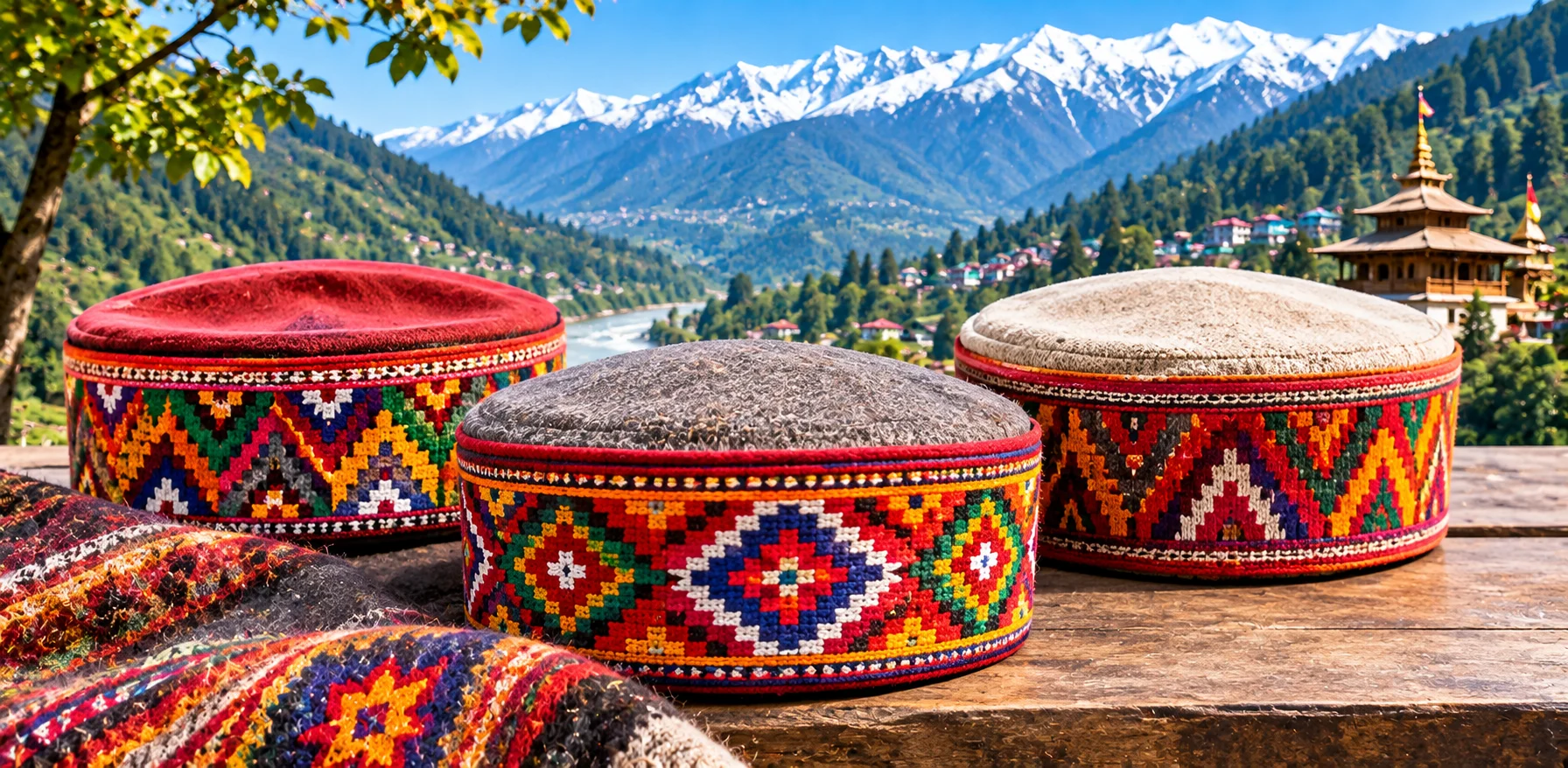
Kulluvi caps are traditional woollen headwear associated with Kullu Valley in Himachal Pradesh. Recognised for their rounded shape and colourful patterned front bands, these caps represent regional craftsmanship, traditional clothing and the cultural identity of local communities. They are also an important part of Himachal Pradesh's wider handloom and handicraft heritage.

Beyond their practical purpose of providing warmth in the Himalayan climate, Kulluvi caps hold cultural importance in the everyday traditions and celebrations of the region. They are commonly seen during local festivals, fairs, weddings, community gatherings and other social occasions. Their distinctive designs also make them recognisable among the different traditional clothing styles found across Himachal Pradesh.
The history of these caps is closely connected with the region's wool production, weaving traditions and local artisans. From the selection of wool to the creation of colourful decorative patterns, traditional craftsmanship plays an important role in their identity. Understanding Kulluvi caps offers a glimpse into Kullu's cultural heritage and the traditions that continue to connect generations.
1. What Are Kulluvi Caps? Understanding Their Traditional Identity
Kulluvi caps are traditional caps associated with the people of Kullu Valley in Himachal Pradesh. They are recognised for their rounded structure and decorative front band, which often features colourful geometric patterns. Traditionally made using woollen materials, these caps are designed to provide warmth while complementing the region's traditional clothing.
One of the most distinctive features of a Kulluvi cap is its patterned band. Unlike plain winter caps, this decorative section adds colour and regional character to the overall design. Different combinations of colours and patterns can be found depending on the maker, design and local preferences.
Traditionally, Kulluvi caps have been an important part of men's attire in the region. They are often paired with woollen garments, including traditional shawls and other locally woven clothing. Contemporary versions may also use different materials and manufacturing techniques to suit changing consumer preferences.
Kulluvi caps are also different from other traditional Himachali caps, such as Kinnauri and Lahauli styles. Each regional variety has its own appearance, decorative elements and cultural associations.
These caps are part of the wider tradition of traditional handicrafts of Himachal Pradesh, which includes woollen textiles, handmade products, traditional weaving and other forms of local craftsmanship.
2. History and Origin of Kulluvi Caps
The history of Kulluvi caps is closely connected with the traditional clothing and wool-working practices of the Himalayan region. For generations, communities in Kullu have relied on woollen clothing to cope with cold temperatures, particularly during the winter months.
Sheep rearing and wool production have historically contributed to the local textile economy. Wool was processed into yarn and used to create a variety of garments, including shawls, pattus, blankets and other winter clothing. Traditional weaving skills developed around these materials and became an important part of household and community craftsmanship.
Headwear naturally formed part of this clothing tradition. Woollen caps offered protection from cold weather while serving as an important element of regional dress. Over time, decorative patterns and colourful bands helped distinguish the Kulluvi style from other forms of traditional Himalayan headwear.
Local artisans and weavers played an important role in maintaining these traditions. Their knowledge of wool preparation, yarn production, weaving and finishing techniques helped preserve the distinctive appearance of regional textiles.
As travel, trade and cultural exchanges increased, Kulluvi caps became more widely recognised beyond their original regional setting. Today, they are associated with Himachali identity and are also popular among visitors looking for traditional souvenirs.
The development of these caps should be understood as part of the wider history of Kullu's traditional handicrafts and local culture rather than attributed to a single inventor or an unsupported date of origin.
3. Traditional Design, Colours and Patterns of Kulluvi Caps
The design of a Kulluvi cap reflects the region's textile traditions and appreciation for colourful geometric patterns. Although styles may vary, the combination of a rounded cap body and a decorative front band remains one of its most recognisable characteristics.
The Distinctive Shape and Structure
Traditional Kulluvi caps generally feature a rounded, relatively flat-topped structure. Their shape provides a comfortable fit and makes them suitable for wearing during colder weather.
The front-facing decorative band is an important design element. It creates a visual contrast with the main body of the cap and gives the headwear its distinctive regional appearance.
Traditional versions commonly use woollen materials, although contemporary products may incorporate other fibres depending on their intended use and manufacturing process.
Colourful Borders and Geometric Patterns
The decorative bands of Kulluvi caps often feature geometric designs created through combinations of different coloured yarns.
Common design elements include:
-
Repeated geometric shapes and woven motifs.
-
Contrasting colour combinations.
-
Decorative borders and patterned sections.
-
Variations in traditional weaving arrangements.
The appearance of the cap can differ depending on the artisan, weaving method and design preference. Some versions have relatively simple patterns, while others feature more elaborate decorative bands.
The Cultural Meaning of Colours
Colours contribute significantly to the visual identity of traditional Himachali caps. Green, red, maroon, black and other shades may appear in different regional styles and decorative combinations.
In some Himachali traditions, the colour and arrangement of the front band are associated with regional identity. However, it is important to understand that every colour does not have one universal symbolic meaning across the state.
Different communities, locations and artisans may follow different colour preferences. Therefore, the patterns and combinations should be understood within their regional and cultural context rather than assigned fixed meanings.
4. How Are Traditional Kulluvi Caps Made?
Traditional Kulluvi caps are connected with the wool-processing and weaving skills that have developed across the Himalayan region. Their production involves several stages, from selecting raw materials to preparing the cap and adding its decorative band.
The exact manufacturing process can vary between artisans and production units, but traditional wool craftsmanship remains an important part of their heritage.
Selection of Wool and Raw Materials
Sheep wool has traditionally been an important raw material for woollen clothing in Kullu. Its warmth and suitability for colder climates make it useful for producing traditional winter garments and accessories.
The selection of material depends on the intended design, texture, durability and quality of the finished cap. Contemporary manufacturers may also use blended fibres or other materials to create different styles and price ranges.
Spinning and Preparing the Yarn
After wool is collected, it goes through preparation processes that make it suitable for textile production.
Depending on the production method, these processes may include cleaning, sorting, carding and spinning. The prepared fibres are converted into yarn, which can then be used for weaving and other textile work.
The quality of yarn influences the texture, appearance and durability of the finished product.
Weaving the Decorative Front Band
The decorative front band is one of the most recognisable parts of a Kulluvi cap.
Artisans use different coloured yarns to create geometric patterns and decorative arrangements. The design is planned before or during weaving, depending on the technique and complexity of the pattern.
Traditional weaving knowledge plays an important role in maintaining the appearance of regional designs. The choice of colours, pattern arrangement and weaving quality all contribute to the finished band.
Assembling and Finishing the Cap
Once the required materials and decorative elements are prepared, the cap body and front band are assembled.
The finishing process may involve:
-
Preparing and shaping the cap body.
-
Attaching the decorative front band.
-
Checking the fit and overall structure.
-
Inspecting the stitching and finishing quality.
-
Making final adjustments to the product.
Traditional craftsmanship is valuable because it represents skills developed and maintained through generations. Supporting local artisans helps keep these textile traditions relevant while creating opportunities for the continuation of handmade production.
5. Cultural Significance of Kulluvi Caps in Himachal Pradesh
Kulluvi caps are more than traditional winter accessories. They represent the cultural identity, local craftsmanship and clothing traditions of Kullu Valley. Their importance can be seen in regional celebrations, community gatherings and the continued appreciation of traditional Himachali attire.
A Symbol of Regional Identity
The Kulluvi cap is closely associated with Kullu Valley and its cultural traditions. Its distinctive patterned band makes it recognisable among the different styles of traditional headwear found in Himachal Pradesh.
For local communities, wearing traditional clothing can represent a connection with their hometown, cultural background and regional heritage.
The cap also reflects the relationship between local people and the natural resources of the Himalayan region, particularly wool and other materials used in traditional clothing.
An Important Part of Traditional Himachali Attire
Traditional Himachali clothing varies across different districts and communities. In Kullu, woollen garments have historically been important because of the region's climatic conditions.
Kulluvi caps are often associated with traditional clothing combinations that include:
-
Woollen shawls.
-
Traditional pattus.
-
Warm jackets and other woollen garments.
-
Regional clothing worn during community celebrations.
The cap complements these garments and adds a distinctive visual element to traditional attire. Its continued use demonstrates how regional clothing traditions remain relevant in contemporary society.
Wearing Kulluvi Caps During Festivals and Celebrations
Festivals and community gatherings provide important opportunities to see traditional Himachali clothing.
Kullu Dussehra is one of the region's most recognised cultural celebrations. During this festival, traditional attire, local customs, religious processions and community participation contribute to the cultural atmosphere.
Kulluvi caps are also seen at local fairs, weddings, cultural programmes and other social occasions. They form part of the wider visual identity of regional celebrations.
To understand the cultural importance of this celebration, explore Kullu Dussehra: History, Significance and Festivities and discover how local traditions and community participation shape this major festival.
A Connection Between Generations
Traditional caps also represent the connection between older and younger generations.
Knowledge of wool preparation, weaving, textile patterns and traditional clothing has been maintained through families and local craft communities. Experienced artisans have helped preserve these skills by passing their knowledge to younger generations.
Although modern production methods have changed the textile industry, traditional designs continue to hold cultural value.
Wearing and purchasing locally made caps can help maintain an appreciation for the craftsmanship and regional traditions associated with Kullu.
6. Kulluvi Caps and Other Traditional Headwear of Himachal Pradesh
Himachal Pradesh has a diverse cultural landscape, and its traditional clothing varies across districts and communities. Different styles of caps reflect local preferences, climatic conditions and regional craftsmanship.
Kulluvi, Kinnauri, Lahauli and Gaddi-associated headwear are examples of the different traditional styles found across the state. Their designs should be understood within their respective regional contexts.
Kulluvi Cap
The Kulluvi cap is traditionally associated with Kullu Valley. It is recognised for its rounded shape and colourful decorative front band, which often features geometric patterns.
Its appearance reflects the region's woollen textile traditions and local clothing styles.
Kinnauri Cap
Kinnauri caps are associated with the Kinnaur region of Himachal Pradesh. Traditional versions are commonly recognised by their distinctive green front section, although variations in colour and design also exist.
They are an important element of Kinnauri traditional attire and regional identity.
Lahauli Cap
Lahauli headwear is associated with the Lahaul region, where traditional clothing has developed in response to the area's cold Himalayan environment.
Designs and materials can vary, and it is important not to assume that all Lahauli caps follow one standard appearance.
Gaddi Traditional Cap
Gaddi communities, particularly those associated with the Chamba region and surrounding Himalayan areas, have their own traditional clothing practices.
Woollen garments and headwear form part of this broader clothing heritage. Styles may differ according to local customs, community preferences and individual use.
Comparison of Traditional Himachali Caps
| Traditional cap | Regional association | Distinctive feature |
|---|---|---|
| Kulluvi cap | Kullu | Colourful patterned front band |
| Kinnauri cap | Kinnaur | Distinctive green front section in traditional styles |
| Lahauli cap | Lahaul | Regional woollen headwear with variations in decoration |
| Gaddi traditional cap | Gaddi communities, including Chamba | Traditional headwear associated with Gaddi clothing |
These regional styles demonstrate the diversity of Himachal Pradesh's traditional clothing. Visitors interested in exploring local products can also learn about traditional Himachali caps and handicrafts through the state's handicraft outlets and regional craft collections.
7. Kulluvi Caps and the Traditional Handloom Industry
The traditional identity of Kulluvi caps is closely connected with Himachal Pradesh's handloom industry. Woollen textiles have long been important to the local economy, particularly in regions where sheep rearing, wool processing and weaving have supported household livelihoods.
Kullu is widely recognised for its woollen products, including shawls, pattus, mufflers and other traditional garments. These products reflect the weaving knowledge and creative skills of local artisans.
Role of Local Artisans
Local artisans contribute to the production and preservation of traditional woollen products. Their work involves selecting materials, preparing yarn, developing patterns and creating finished textiles.
Their knowledge helps maintain regional designs and traditional production techniques.
Artisans also play an important role in adapting traditional products to changing consumer preferences while retaining their cultural character.
Traditional Weaving and Handloom Skills
Handloom weaving is an important part of Kullu's textile heritage. Traditional designs are created through different weaving arrangements and combinations of coloured yarn.
The same broader textile knowledge is reflected in several local products, including Kullu shawls, pattus, mufflers and decorative woollen accessories.
The relationship between these products demonstrates how traditional weaving skills contribute to the identity of the region's handicraft industry.
Supporting Local Craft Communities
The traditional handloom industry provides livelihood opportunities for artisans, weavers and other people involved in textile production.
Supporting locally made products can help maintain demand for traditional craftsmanship. Purchasing directly from artisans, recognised cooperatives and established regional outlets can also help consumers understand the materials and production methods behind their purchases.
Kullu's woollen textile traditions are not limited to caps. They form part of a wider heritage of traditional handloom products, particularly the region's well-known shawls and other woollen garments.
8. Modern Popularity of Kulluvi Caps
Kulluvi caps continue to attract attention because of their distinctive appearance and association with Himachali culture. Although they originated as traditional regional headwear, their popularity has expanded through tourism, cultural events and changing fashion preferences.
Today, they are available in different designs, materials and production styles. Some products retain traditional patterns, while others feature contemporary colour combinations and updated designs.
Kulluvi Caps as Travel Souvenirs
Visitors travelling to Kullu often look for locally made products that reflect the region's culture.
Kulluvi caps are popular souvenirs because they are easy to carry and represent a recognisable part of Himachali heritage.
They are also purchased as gifts for friends and family members who appreciate traditional clothing and handmade products.
Traditional Headwear in Contemporary Fashion
Traditional caps are increasingly worn with contemporary clothing combinations. People may pair them with jackets, sweaters and other winter outfits while retaining their regional appearance.
This combination of traditional and modern clothing helps keep regional accessories visible beyond festivals and formal cultural occasions.
Contemporary designs also offer different choices in terms of colours, materials and decorative patterns.
Supporting Authentic Local Products
The growing popularity of Kulluvi caps has increased the availability of products made through different manufacturing methods.
Some are handmade, while others are machine-produced or use blended materials. Both may be available in the market, but buyers should understand what they are purchasing.
Choosing locally produced products from artisans and recognised craft outlets can help support traditional skills.
Himachali cultural identity is also reflected in other traditional accessories. For example, traditional jewellery of Himachal Pradesh offers another perspective on the region's craftsmanship, clothing traditions and cultural expressions.
9. Where Can Travellers Find Traditional Kulluvi Caps?
Travellers visiting Kullu can explore traditional markets, handicraft outlets and handloom showrooms to find Kulluvi caps.
The town and surrounding areas offer opportunities to discover locally produced woollen products and other regional handicrafts.
Some places and options worth exploring include:
-
Local markets in Kullu: Traditional markets are useful places to explore different cap designs, colours and woollen products.
-
Handicraft outlets: Regional handicraft stores may offer caps alongside shawls, mufflers and other locally made products.
-
Handloom cooperative showrooms: Cooperative outlets can help visitors explore products associated with local weaving traditions.
-
Bhuttico: A recognised name associated with Kullu's woollen textile industry, Bhuttico is worth exploring for regional handloom products and traditional designs.
Travellers looking for shopping destinations can also explore local craft markets in Himachal Pradesh to discover more about traditional handicraft outlets and regional products.
Practical Tips for Buying Authentic Kulluvi Caps
Before purchasing a traditional Kulluvi cap, consider the following points:
-
Ask about the material: Check whether the cap is made from sheep wool, blended fibres or other materials.
-
Inspect the decorative band: Look closely at the pattern, weaving quality and finishing.
-
Understand the production method: Ask whether the product is handmade, handloom-produced or machine-made.
-
Check its regional origin: Confirm whether the cap is locally produced or simply designed in a traditional style.
-
Prefer recognised outlets and artisans: Consider purchasing from established handloom outlets, cooperatives or local craft producers.
These simple checks can help visitors make informed purchasing decisions while developing a better understanding of the region's traditional textile industry.
10. Preserving the Cultural Heritage of Kulluvi Caps
Preserving Kulluvi caps is about more than maintaining a traditional clothing style. It also involves protecting the skills, knowledge and community practices connected with their production.
Traditional artisans face several challenges as consumer preferences and manufacturing methods continue to change.
Machine-produced alternatives and mass-market products can increase competition for handmade items. Traditional weaving also requires specialised skills and time, which can make handmade products more expensive than factory-produced alternatives.
Another challenge is maintaining younger generations' interest in traditional textile occupations. As employment opportunities change, fewer young people may choose to continue family-based weaving and craft practices.
Several efforts can help preserve this heritage:
-
Supporting local artisans: Purchasing products directly from craft producers helps maintain demand for traditional work.
-
Promoting handloom products: Greater awareness of handmade textiles can encourage consumers to value traditional craftsmanship.
-
Encouraging skill development: Training opportunities can help younger generations learn traditional weaving and textile techniques.
-
Strengthening artisan cooperatives: Cooperative organisations can provide better market access and opportunities for local producers.
-
Documenting traditional designs: Recording regional patterns, weaving practices and production knowledge can help preserve valuable cultural information.
-
Promoting responsible tourism: Visitors can support local craft communities by choosing authentic regional products and learning about their origins.
The continued use of Kulluvi caps during cultural celebrations and everyday occasions also contributes to their preservation. When traditional products remain relevant to contemporary communities, the skills behind them have a better opportunity to survive.
Conclusion – Why Kulluvi Caps Remain an Important Symbol of Himachali Culture
Kulluvi caps represent an important part of Himachal Pradesh's traditional clothing and cultural heritage. Their distinctive shape, colourful decorative bands and connection with woollen craftsmanship make them a recognisable symbol of Kullu Valley.
Beyond their appearance, these caps reflect the region's history of wool production, traditional weaving and local artisan communities. Their presence during festivals, fairs and social gatherings also demonstrates their continued importance in regional identity.
Although modern manufacturing and changing fashion preferences have influenced their production and use, traditional Kulluvi caps remain culturally relevant. Supporting local artisans, purchasing regional products and encouraging younger generations to learn traditional skills can help preserve this heritage.
Himachal Pradesh's cultural identity is shaped by its landscapes, communities, festivals and traditional crafts. Explore Himalayas Digital to discover more about the state's local traditions, handicrafts, cultural celebrations and travel experiences.
Frequently Asked Questions
More from
Himalayas Digital
Top 25 Singers in Himachal Pradesh: Famous Himachali Artists You Should Know

IPL 2026 in Dharamshala: Match Dates, Tickets, Hotels & Complete Travel Guide

Hemis Monastery: Ladakh’s Largest & Most Famous Gompa

Manki Point Kasauli: Complete Travel Guide (2026) – Timings, Entry Fee, History & How to Reach