How to Plan a Low-Waste Holiday in Himachal Pradesh
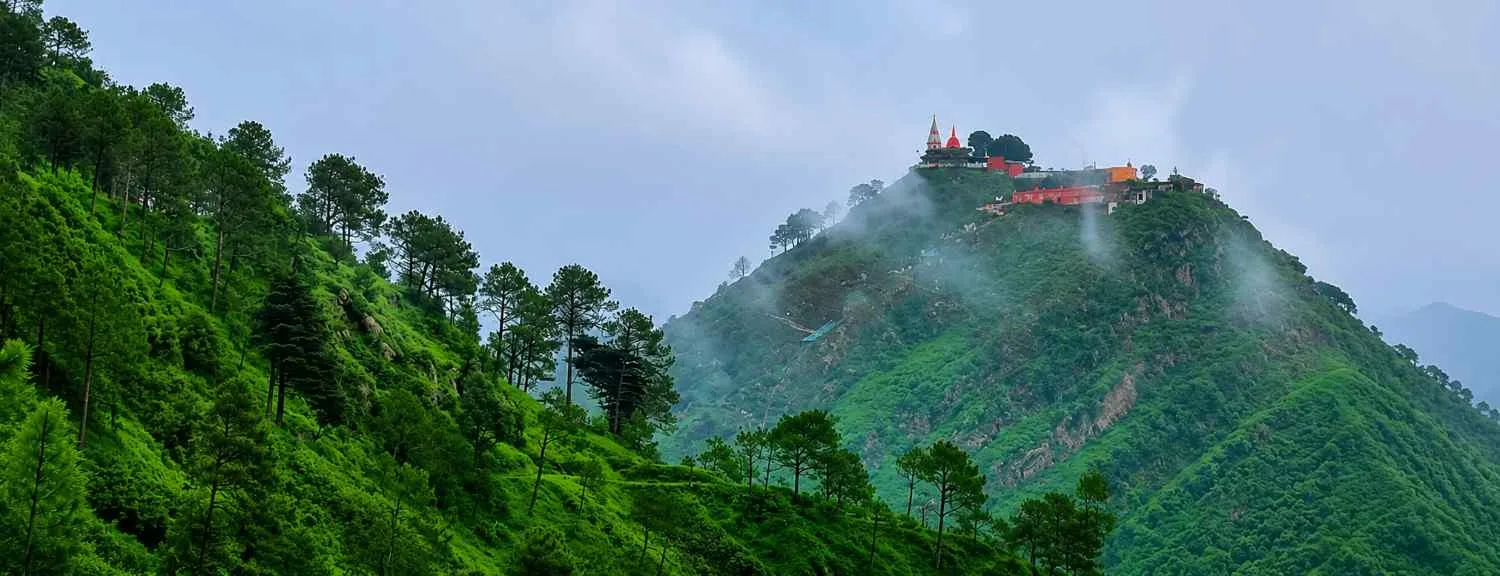
Himachal Pradesh is known for its mountain landscapes, peaceful villages, forests, rivers and scenic valleys. From the quiet surroundings of Barot Valley to the forest trails of Shoja, the state offers plenty of opportunities to enjoy nature. However, increasing tourist activity also makes responsible travel an important consideration.

Planning a low-waste holiday in Himachal Pradesh is one way to enjoy these destinations while reducing unnecessary environmental impact. It involves making thoughtful decisions about transportation, accommodation, food, shopping and waste disposal throughout the journey.
Low-waste tourism does not require travellers to eliminate every form of waste. Instead, it encourages them to avoid unnecessary packaging, carry reusable essentials, support local businesses and dispose of unavoidable waste responsibly.
With a little preparation, travellers can enjoy a comfortable mountain holiday while respecting the environment and the communities that make Himachal Pradesh special.
What Is a Low-Waste Holiday?
A low-waste holiday is a way of travelling that focuses on reducing the amount of waste generated during a trip. It encourages travellers to make conscious choices that minimise disposable products, unnecessary packaging and food waste.
For example, carrying a reusable water bottle instead of purchasing packaged drinking water repeatedly or using a cloth bag instead of accepting plastic shopping bags are simple ways to reduce waste.
Difference Between Sustainable Travel and Low-Waste Travel
Sustainable travel is a broader concept that considers environmental protection, economic benefits and social responsibility. It includes reducing carbon emissions, respecting local cultures, supporting communities and conserving natural resources.
Low-waste travel focuses more specifically on reducing the waste generated during a journey.
Both approaches complement each other. Travellers can follow low-waste practices while choosing responsible accommodation, local transportation and community-based experiences.
Why Reducing Waste Is Important in Mountain Destinations
Mountain destinations have unique environmental conditions. Remote locations, difficult terrain and limited waste collection facilities can make waste management more challenging than in major cities.
Waste left behind on trekking routes, near rivers or around popular viewpoints can affect the surrounding environment.
Reducing unnecessary waste helps protect natural landscapes, conserve resources and maintain cleaner surroundings for residents and visitors.
How Small Travel Choices Can Reduce Environmental Impact
Small decisions throughout a trip can make a difference. Travellers can:
- Carry reusable bottles and shopping bags.
- Avoid unnecessary disposable packaging.
- Choose accommodation with responsible waste management practices.
- Prefer shared transportation when practical.
- Support local businesses and food establishments.
- Carry their waste until they find an appropriate disposal facility.
A low-waste holiday is not about achieving zero waste. It is about making better decisions wherever possible.
Why Is Low-Waste Travel Important in Himachal Pradesh?
Himachal Pradesh is home to diverse mountain ecosystems, forests, rivers, agricultural communities and wildlife habitats. These natural resources support local livelihoods and attract travellers throughout the year.
However, tourism-related activities can increase pressure on local infrastructure and natural resources, particularly in destinations with limited waste collection and transportation facilities.
Some important reasons to practise low-waste travel include:
1. Protecting Fragile Himalayan Ecosystems
Mountain ecosystems can be sensitive to changes in land use, pollution and human activity. Responsible waste disposal and careful exploration help minimise unnecessary pressure on these environments.
2. Reducing Plastic Waste
Plastic packaging, disposable bottles and food containers can become litter when visitors do not dispose of them properly. Carrying reusable alternatives and taking waste back from remote locations can help reduce this problem.
3. Supporting Waste Management in Remote Villages
Smaller villages may have limited facilities for collecting and processing different types of waste. Visitors should not assume that every destination has organised waste collection or recycling arrangements.
4. Protecting Local Communities
Clean surroundings are important for residents who depend on agriculture, tourism and other local activities. Responsible visitors can help maintain the quality of shared public spaces.
5. Conserving Water, Forests and Wildlife
Avoiding pollution in natural water sources, staying on designated trails and respecting wildlife habitats are important parts of responsible tourism.
Himachal Pradesh has introduced several environmental measures, including the Himachal Pradesh Non-Biodegradable Garbage (Control) Act, 1995. The state's Tourism Policy, 2019, also highlights waste management, water conservation and energy-saving practices at tourist destinations.
Travellers can support these broader environmental objectives by making responsible choices during their holidays.
8 Practical Ways to Plan a Low-Waste Holiday in Himachal Pradesh
Planning a low-waste holiday does not require complicated arrangements. A few practical steps before and during the journey can help reduce unnecessary waste.
1. Choose Destinations That Encourage Responsible Tourism
Start by selecting a destination where you can spend more time rather than visiting several places in a short period.
Travelling between multiple destinations frequently can increase fuel consumption, packaging waste and other travel-related impacts.
Consider these approaches:
- Choose one main destination for a three-to-five-day holiday.
- Explore nearby villages and attractions instead of travelling long distances every day.
- Prefer nature-based experiences that respect local surroundings.
- Check the availability of waste collection facilities before visiting remote areas.
- Research local travel guidelines and seasonal conditions.
For additional inspiration, read our guide on how to plan a slow travel holiday in Himachal Pradesh.
Slow travel and low-waste travel work well together because spending more time in one location can reduce unnecessary transportation.
2. Carry Reusable Travel Essentials
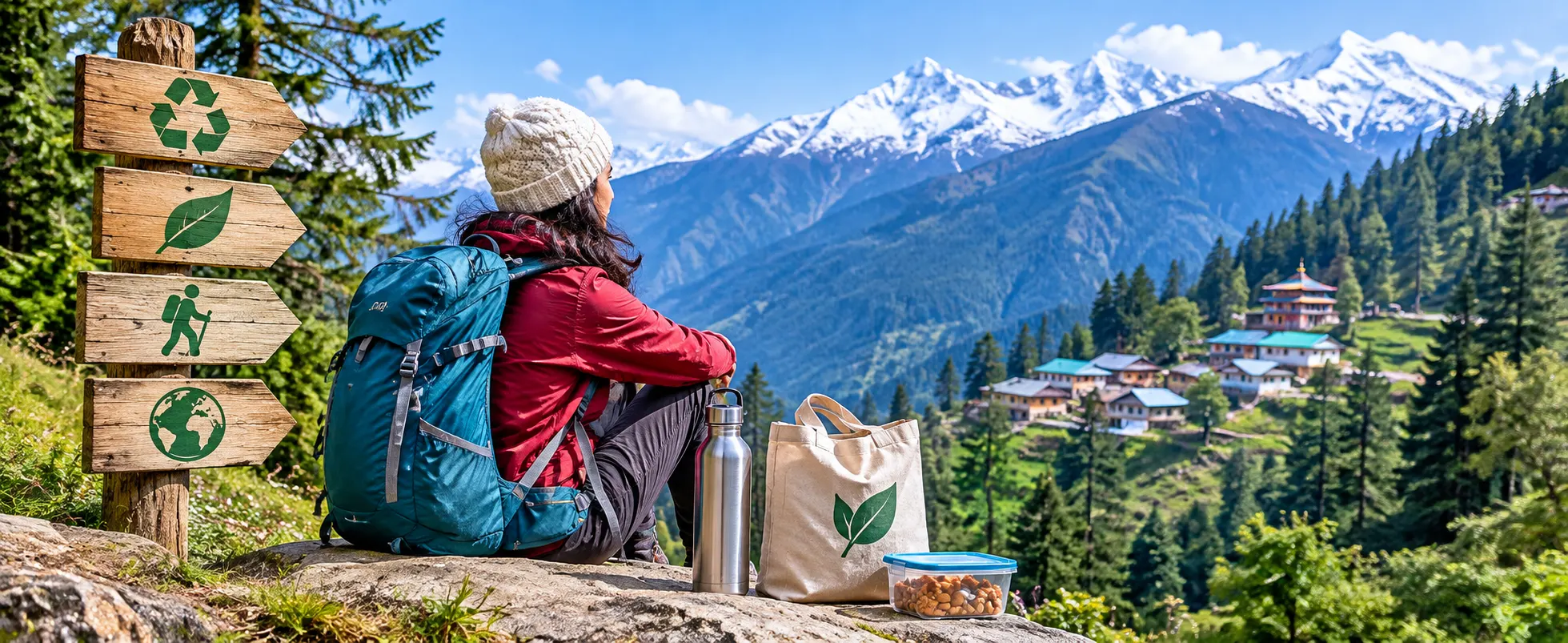
One of the easiest ways to reduce waste is to prepare a reusable travel kit before leaving home.
Instead of purchasing disposable products throughout the journey, carry items that can be used repeatedly.
Some useful essentials include:
- Reusable water bottle: Refill it wherever safe drinking water is available.
- Cloth shopping bag: Use it for groceries, snacks and local shopping.
- Reusable food container: Carry snacks or takeaway food without unnecessary packaging.
- Reusable coffee cup: Reduce the need for disposable cups at cafés.
- Refillable toiletries: Carry shampoo, soap and other personal care products in reusable containers.
- Reusable cutlery: Keep a small set for takeaway meals where appropriate.
These items are lightweight, practical and useful for different types of trips.
3. Choose Eco-Conscious Hotels and Homestays
Accommodation is another important part of planning a low-waste holiday in Himachal Pradesh.
Instead of choosing a property only because it offers mountain views, check whether it follows responsible environmental practices.
Before booking, consider asking the property about:
- Waste segregation and collection arrangements.
- Water conservation measures.
- Energy-saving lighting and equipment.
- The use of refillable toiletries instead of disposable miniatures.
- Locally sourced food options.
- Responsible wastewater management.
Locally operated homestays can also provide opportunities to interact with residents and understand regional lifestyles.
However, do not assume that every homestay or guesthouse is environmentally responsible. Check its actual practices before making a booking.
4. Reduce Plastic Waste During Your Journey
Plastic packaging is common in snacks, bottled beverages, takeaway meals and personal care products.
Travellers can reduce unnecessary plastic waste through a few simple habits.
- Avoid purchasing individually packaged products whenever practical.
- Carry snacks in reusable containers.
- Use cloth bags instead of disposable shopping bags.
- Refuse disposable cutlery when you do not need it.
- Avoid leaving wrappers and bottles at viewpoints or roadside stops.
- Carry non-biodegradable waste until you find an appropriate collection facility.
Do not leave waste behind simply because a destination looks remote or uninhabited.
5. Prefer Shared and Public Transport Where Practical
Transportation choices can influence the overall environmental impact of a holiday.
For suitable routes, consider using public buses or sharing taxis rather than travelling separately in private vehicles.
Here are some practical suggestions:
- Use state or local buses where suitable services are available.
- Share taxis with other travellers when practical and safe.
- Plan nearby attractions together to avoid unnecessary backtracking.
- Walk for short distances where roads, weather and accessibility allow.
- Check bus schedules, taxi availability and road conditions before departure.
Public transport availability can vary significantly between popular towns and remote villages. Plan your journey according to actual transport options rather than assuming every destination has frequent services.
6. Eat Local and Avoid Food Waste
Food is an important part of experiencing Himachal Pradesh's culture.
Trying regional dishes can also help travellers support local restaurants, cafés and food producers.
Some popular Himachali food options include Siddu, Dham, Madra and Chana Madra.
Follow these practices during your trip:
- Choose local restaurants and food establishments.
- Explore regional dishes instead of relying entirely on packaged meals.
- Order portions according to your appetite.
- Avoid ordering more food than you can finish.
- Carry reusable containers for takeaway meals when suitable.
- Avoid unnecessary food packaging.
Supporting local food businesses can make your holiday more meaningful while contributing to the local economy.
7. Support Local Businesses and Communities
Responsible tourism is not only about protecting nature. It also involves respecting the people who live in the destinations you visit.
Local communities contribute to the region's culture, food, handicrafts and tourism experiences.
You can support them by:
- Purchasing locally made handicrafts and souvenirs.
- Choosing locally operated accommodation.
- Hiring qualified local guides for nature walks and trekking.
- Supporting local restaurants and food producers.
- Respecting village traditions and cultural practices.
- Following local photography guidelines and asking permission when appropriate.
Avoid bargaining aggressively with small artisans and sellers. Fair purchases can help support traditional skills and local livelihoods.
8. Follow Responsible Trekking and Nature Guidelines
Himachal Pradesh offers several opportunities for trekking, forest walks and outdoor exploration.
However, enjoying these activities also means taking responsibility for the surroundings.
Follow these guidelines:
- Stay on designated trekking routes.
- Avoid disturbing wildlife or damaging vegetation.
- Carry all non-biodegradable waste back.
- Do not leave food scraps along trails.
- Avoid throwing waste into rivers, streams or natural springs.
- Follow instructions from local guides and forest authorities.
- Avoid making unnecessary noise in wildlife habitats.
Responsible outdoor behaviour helps preserve natural areas for future visitors and local communities.
Best Places to Consider for a Low-Waste Holiday in Himachal Pradesh
Himachal Pradesh has several destinations where travellers can enjoy village experiences, scenic landscapes and nature-based activities at a relaxed pace.
The following places are worth considering for a low-waste holiday. These are destination suggestions, not certified zero-waste locations. Travellers should check local facilities and follow responsible tourism practices wherever they go.
1. Barot Valley
Barot Valley is known for its rural surroundings, mountain landscapes and peaceful atmosphere. It can be a suitable destination for travellers interested in spending time away from crowded tourist centres.
Visitors can explore village surroundings, enjoy nature walks and experience locally operated accommodation.
For a lower-impact visit:
- Choose a locally operated stay.
- Avoid leaving packaging near rivers and scenic viewpoints.
- Support local food establishments.
- Carry reusable essentials during outdoor activities.
- Check waste disposal arrangements before booking accommodation.
Explore our detailed Barot Valley Travel Guide to plan your visit.
2. Shoja
Shoja is a small mountain village surrounded by forested landscapes and scenic natural surroundings. It can be considered for travellers looking for a relaxed mountain experience.
Rather than rushing between nearby attractions, visitors can spend more time exploring the village and enjoying short nature walks.
Low-waste practices for Shoja include:
- Carrying reusable water bottles and food containers.
- Supporting local homestays and restaurants.
- Avoiding unnecessary packaged snacks.
- Following local trekking and nature guidelines.
- Checking weather and road conditions before travelling.
Read our Shoja Travel Guide for more information.
3. Dharamkot
Dharamkot, near McLeod Ganj, is popular among travellers looking for mountain views, walking trails and a relaxed village atmosphere.
The destination offers opportunities to explore local cafés, enjoy nature walks and experience the surrounding community.
To make your visit more responsible:
- Walk between nearby places where safe and practical.
- Carry reusable coffee cups and shopping bags.
- Choose local food establishments.
- Avoid littering along walking trails.
- Respect local customs and residential spaces.
4. Jibhi
Jibhi is a mountain destination known for its village surroundings, natural attractions and opportunities for outdoor exploration.
Travellers can enjoy short hikes, local food and relaxed village experiences.
Consider these low-waste practices:
- Choose accommodation with clear waste management arrangements.
- Carry back plastic packaging from nature walks.
- Purchase locally made products where possible.
- Avoid disturbing natural water sources.
- Follow designated trails and local guidelines.
5. Narkanda
Narkanda is known for its mountain scenery, apple-growing surroundings and seasonal outdoor experiences.
It can be a suitable option for travellers who want to explore the region at a relaxed pace.
For a responsible visit:
- Plan nearby activities together to reduce unnecessary travel.
- Support local businesses and food establishments.
- Avoid disposable products wherever practical.
- Respect agricultural land and private property.
- Carry all waste back from scenic stops.
Sample 5-Day Low-Waste Holiday Itinerary
A low-waste holiday does not require visiting several destinations. In fact, selecting one main destination and exploring its surroundings can make the journey simpler and reduce unnecessary transfers.
Here is a flexible five-day itinerary that can be adapted to a suitable destination in Himachal Pradesh.
| Day | Suggested Activity | Low-Waste Approach |
|---|---|---|
| Day 1 | Arrive and check into a local stay | Use shared transport where practical and avoid disposable products |
| Day 2 | Explore the village and nearby surroundings | Walk where safe and accessible |
| Day 3 | Enjoy a nature walk or guided excursion | Carry reusable essentials and bring all waste back |
| Day 4 | Explore local food and cultural experiences | Support local businesses and avoid food waste |
| Day 5 | Relax and return home | Check the accommodation and surrounding area for personal waste before leaving |
This itinerary is a general planning guide rather than a fixed travel schedule. The actual destination, activities and transportation should depend on road conditions, weather, available facilities and local guidance.
Low-Waste Travel Packing Checklist
Preparing a reusable travel kit before departure can make responsible travel easier.
Use this checklist while packing for your Himachal Pradesh holiday:
-
Reusable water bottle
-
Cloth shopping bag
-
Reusable food container
-
Refillable toiletries
-
Reusable cutlery
-
Weather-appropriate clothing
-
Comfortable walking shoes
-
Personal medication
-
Small waste collection bag
-
Reusable coffee cup
Pack according to your destination, season and planned activities. Avoid carrying unnecessary items that may increase luggage weight.
Common Mistakes to Avoid During a Low-Waste Holiday
Even travellers with good intentions can make mistakes that increase unnecessary waste or affect natural surroundings.
Here are some common practices to avoid:
1. Buying Unnecessary Packaged Products: Purchase only what you need and choose products with less packaging whenever practical.
2. Leaving Plastic Waste at Viewpoints: Never leave bottles, wrappers or food packaging behind. Carry your waste until you find a suitable collection point.
3. Choosing Accommodation Without Checking Waste Disposal: Ask about waste segregation and collection arrangements before booking.
4. Using Private Vehicles for Every Short Journey: Consider walking, buses or shared taxis where practical and safe.
5. Disturbing Wildlife for Photographs: Maintain a respectful distance and never feed or chase wild animals.
6. Washing Clothes in Rivers or Streams: Avoid using detergents and other cleaning products in natural water sources.
7. Assuming Biodegradable Products Can Be Discarded Anywhere: These products may require specific disposal or composting conditions. Carry them back when appropriate.
8. Leaving Food Waste in Forests: Food scraps can affect wildlife behaviour and attract animals to places frequented by people.
Final Thoughts – Explore Himachal Pradesh Responsibly
A memorable holiday in Himachal Pradesh does not have to involve excessive consumption or unnecessary travel. Small decisions, such as carrying reusable essentials, choosing responsible accommodation, supporting local businesses and disposing of waste properly, can make a positive difference.
Planning a low-waste holiday in Himachal Pradesh is about being mindful of how your travel choices affect the natural environment and local communities.
Whether you are exploring Barot Valley, enjoying the forest surroundings of Shoja or spending a few peaceful days in Dharamkot, make responsible travel a part of your journey.
Enjoy the mountains, respect local traditions and leave the places you visit as clean as possible for the people and travellers who come after you.
Frequently Asked Questions
More from
Himalayas Digital
Top 25 Singers in Himachal Pradesh: Famous Himachali Artists You Should Know

IPL 2026 in Dharamshala: Match Dates, Tickets, Hotels & Complete Travel Guide

Hemis Monastery: Ladakh’s Largest & Most Famous Gompa

Manki Point Kasauli: Complete Travel Guide (2026) – Timings, Entry Fee, History & How to Reach