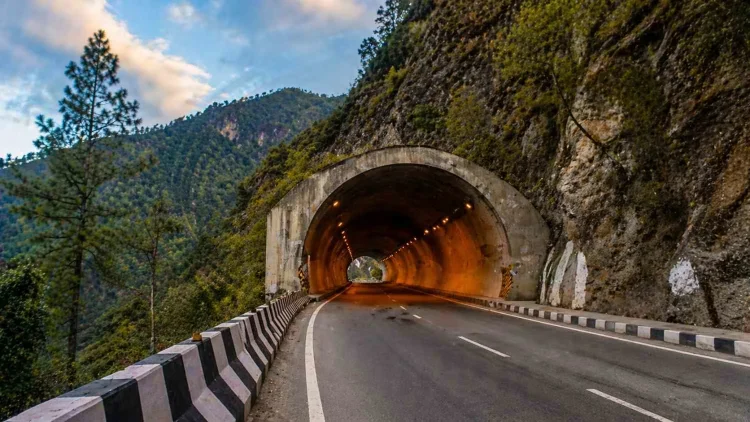
Nestled in the scenic hills of Shimla, the Dhalli Tunnel stands as a crucial piece of infrastructure that blends history, engineering, and modern-day utility. For travelers heading towards the upper reaches of Himachal Pradesh, this tunnel is more than just a passage—it’s a gateway to breathtaking landscapes and iconic destinations like Kufri and Narkanda.
Dhalli Tunnel is a historic mountain tunnel in Shimla that serves as a key gateway connecting the city to Kufri, Narkanda, and the upper Himachal regions.
Key Takeaway:
The Dhalli Tunnel is an important road infrastructure in Shimla that improves connectivity, reduces travel time, and acts as a vital link to major tourist destinations in Himachal Pradesh.
Location and Overview of Dhalli Tunnel
The Dhalli Tunnel is strategically located near the Dhalli area on the outskirts of Shimla. It lies along one of the most important road routes leading out of the city toward the higher Himalayan regions.
● Positioned near Dhalli, a key junction in Shimla
● Serves as a connecting route to Kufri, Narkanda, and beyond
● Forms part of a major highway network in Himachal Pradesh
This tunnel plays a significant role in ensuring the smooth movement of vehicles, especially for those traveling from Shimla to popular tourist destinations. Before its construction, navigating these steep and winding roads was both time-consuming and challenging.
History Behind the Dhalli Tunnel
The Dhalli Tunnel was developed as part of broader efforts to modernize infrastructure in the hilly terrain of Himachal Pradesh. As Shimla grew in popularity as a tourist hub and administrative center, the need for better connectivity became increasingly important.
● Built to address the challenges of mountainous terrain
● Developed during efforts to improve Shimla’s road network
● Designed to ease traffic congestion on steep hill roads
Historically, routes beyond Shimla were narrow and often difficult to traverse, particularly during adverse weather conditions. The construction of the tunnel marked a turning point in making travel more efficient and safer for both locals and tourists.
Engineering and Construction Features
Building infrastructure in mountainous regions like Shimla requires specialized engineering techniques. The Dhalli Tunnel reflects careful planning and adaptation to the region’s unique geography.
● Designed specifically for hilly terrain
● Built with structural reinforcements for safety
● Equipped to handle varying weather conditions
The tunnel’s construction involved cutting through rocky terrain while ensuring minimal environmental impact. Proper drainage systems, ventilation, and lighting were incorporated to maintain safety standards.
From an engineering perspective, it exemplifies how infrastructure can be adapted to challenging landscapes without compromising functionality.
Importance of Dhalli Tunnel for Connectivity
Connectivity is the backbone of any region’s development, and the Dhalli Tunnel significantly enhances accessibility in and around Shimla.
● Reduces travel time for commuters and tourists
● Provides smoother access to Kufri and Narkanda
● Acts as a vital transport link for upper Himachal
Without this tunnel, travelers would have to navigate longer, more difficult routes. Today, it allows for a more streamlined journey, making travel less stressful and more predictable.
For daily commuters, transport operators, and tourists alike, the Dhalli Tunnel is indispensable.
Role in Boosting Tourism in Shimla
Tourism is one of the primary drivers of Shimla’s economy, and infrastructure like the Dhalli Tunnel plays a crucial role in supporting it.
● Makes travel easier and more convenient for visitors
● Enhances connectivity to popular destinations
● Encourages increased tourist footfall
Destinations like Kufri, known for its snow activities, and Narkanda, famous for apple orchards and skiing, are now more accessible thanks to improved road connectivity.
The tunnel has effectively shortened travel time, allowing tourists to explore more locations within a limited timeframe. This convenience has contributed significantly to Shimla’s appeal as a year-round destination.
Economic and Local Impact
Beyond tourism, the Dhalli Tunnel has had a meaningful impact on the local economy and daily life of residents.
● Boosts local businesses through increased traffic
● Facilitates smoother transport of goods
● Encourages infrastructure development in nearby areas
Local vendors, hotels, and transport services benefit directly from the increased movement of people. Additionally, better road connectivity has made it easier to transport agricultural produce and essential goods.
The tunnel has also contributed to the development of surrounding areas, leading to improved living standards and new opportunities for residents.
Challenges and Maintenance
While the Dhalli Tunnel offers numerous benefits, it also faces challenges typical of infrastructure in mountainous regions.
● Heavy snowfall during winters can affect accessibility
● Risk of landslides in surrounding areas
● Traffic congestion during peak tourist seasons
Regular maintenance is essential to ensure safety and efficiency. Authorities continuously monitor the tunnel for structural integrity, proper lighting, and ventilation.
During peak tourist seasons, traffic management becomes crucial to prevent bottlenecks, especially during weekends and holidays.
Travel Tips for Visitors
If you’re planning to travel through the Dhalli Tunnel, here are some useful tips to enhance your journey:
● Best Time to Travel: Early morning or late afternoon to avoid heavy traffic
● Winter Travel: Be cautious during snowfall; check road conditions in advance
● Drive Safely: Maintain speed limits and follow road safety guidelines
● Avoid Peak Hours: Weekends and holiday seasons can see high congestion
Traveling through the tunnel is generally smooth, but being prepared for weather and traffic conditions can make your experience even better.
Interesting Facts About Dhalli Tunnel
The Dhalli Tunnel is not just functional—it also holds strategic and cultural significance.
● One of the main entry routes to upper Shimla regions
● Plays a key role in the regional road network
● Frequently used by both locals and tourists
It has become a familiar landmark for those traveling beyond Shimla, symbolizing the transition from urban surroundings to more remote and scenic landscapes.
Also Read: Chamba Madra: The Royal Dish of Himachali Dham
Why Dhalli Tunnel is Called Shimla’s Gateway
The Dhalli Tunnel is often referred to as Shimla’s gateway—and for good reason.
● Connects the city to major tourist hubs like Kufri and Narkanda
● Serves as an essential route for regional travel
● Acts as a starting point for exploring upper Himachal
For many travelers, passing through the tunnel marks the beginning of their journey into the deeper, more serene parts of Himachal Pradesh.
It is not just a physical structure but a symbolic gateway to adventure, nature, and cultural exploration.
Conclusion
The Dhalli Tunnel is far more than a simple roadway—it is a vital part of Shimla’s infrastructure and identity. By improving connectivity, supporting tourism, and contributing to economic growth, it has become an essential link between the city and the stunning landscapes beyond.
As travelers pass through this tunnel, they are not just moving from one place to another—they are stepping into the heart of Himachal Pradesh’s natural beauty and cultural richness.
FAQs
It is located near Dhalli in Shimla, Himachal Pradesh.
It improves connectivity, reduces travel time, and links Shimla to major tourist destinations.
It connects Shimla to Kufri, Narkanda, and other upper Himachal regions.
Yes, it is open to all vehicles and widely used by tourists and locals.