Pangong Lake Guide: The Iconic Blue Lake of Ladakh
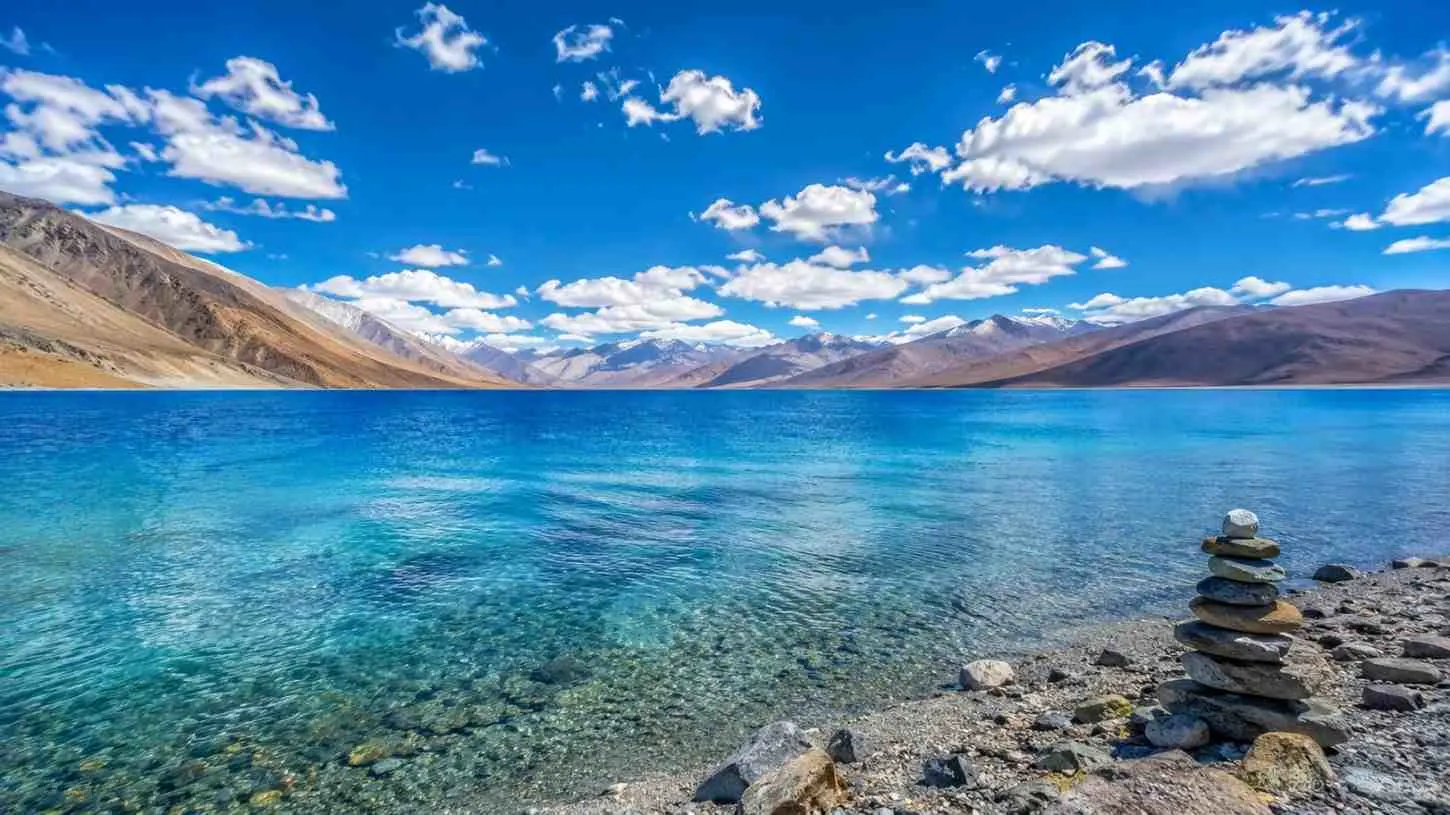
Pangong Lake is one of the most breathtaking destinations in the Himalayas. Famous for its unreal shades of blue, rugged mountain backdrop, and peaceful high-altitude atmosphere, Pangong Tso has become the dream destination for travelers visiting Ladakh. Stretching across India and Tibet, this iconic lake feels almost surreal, especially during sunrise and sunset when the colors constantly shift across the water.

If you are planning your Himalayan adventure, this complete Ladakh travel guide will help you prepare for the journey properly.
Table of Contents
- About Pangong Lake
- How to Reach Pangong from Leh
- Permits Required for Pangong
- Best Viewpoints at Pangong
- Camping at Pangong Lake
- What to Expect: Weather & Conditions
- Pangong Lake in Winter
- FAQ
About Pangong Lake
Pangong Tso, commonly known as Pangong Lake, is a high-altitude saltwater lake located in eastern Ladakh near the India–China border. Around 60% of the lake lies in Tibet, while the remaining portion is in India.
The lake sits at an altitude of approximately 14,270 feet (4,350 meters), making it one of the highest lakes in the world accessible by road. Despite being a saltwater lake, Pangong freezes completely during winter because of the region’s extreme cold temperatures.
One of the most fascinating features of Pangong Lake is its changing colors. Throughout the day, the lake transforms from deep blue to turquoise, green, and sometimes even golden depending on sunlight and weather conditions.
Surrounded by barren mountains and dramatic landscapes, Pangong offers one of the most photogenic experiences in Ladakh.
How to Reach Pangong from Leh
Pangong Lake is located around 160 kilometers from Leh, and the journey usually takes about 5 to 6 hours depending on road conditions and weather.
The most popular route passes through the famous Chang La Pass, one of the highest motorable mountain passes in the world. The drive itself is an unforgettable experience with mountain roads, frozen streams, and panoramic Himalayan views.
Most travelers begin their trip from Leh after spending at least one or two days acclimatizing. You can explore the city in detail through this Leh City guide before heading toward Pangong.
Travel Tips for the Route
- Start early in the morning from Leh
- Carry water and snacks because facilities are limited
- Roads can become rough near mountain sections
- Keep warm clothing handy even during summer
- Avoid rushing due to high altitude conditions
Travelers can reach Pangong by:
- Private taxi
- Self-drive SUV
- Motorcycle trip
- Shared tourist vehicles
The route remains one of the highlights of the Ladakh road trip experience.
Permits Required for Pangong
Since Pangong Lake lies in a protected border region, Indian travelers need an Inner Line Permit (ILP) to visit the area.
Foreign nationals require Protected Area Permits arranged through registered travel agents.
Permit Process
Travelers can apply online before arriving in Leh or obtain permits locally through travel agencies.
Important documents usually include:
- Government-issued ID proof
- Passport copy (for foreign travelers)
- Vehicle documents (if self-driving)
There are military and security checkpoints along the route where permits may be checked, so carrying multiple photocopies is recommended.
Before your trip, read this detailed Ladakh permits guide to understand the latest rules and procedures.
Best Viewpoints at Pangong
Pangong Lake stretches for several kilometers, and different sections of the lake offer completely different experiences.
3 Idiots Shooting Point
This is the most famous tourist stop near the lake and became popular after the Bollywood film 3 Idiots. Visitors often stop here for photography and panoramic lake views.
Spangmik Village
Spangmik is one of the best places to stay near Pangong Lake. It offers stunning sunrise views, camps, cafés, and quieter surroundings compared to the crowded tourist areas.
Lukung Side
Lukung is usually the first section travelers encounter while approaching Pangong. It offers dramatic mountain reflections and excellent photography spots.
Sunset Viewpoints
Sunset at Pangong Lake feels magical. As sunlight fades, the water reflects shades of orange, purple, and deep blue across the mountains.
The region around Pangong is also connected to the fragile ecosystem of the Changthang Wildlife Sanctuary, known for its rare Himalayan wildlife and high-altitude wetlands.
Camping at Pangong Lake
Camping beside Pangong Lake is one of the most unforgettable experiences in Ladakh.
Travelers can choose between:
- Luxury lakeside camps
- Budget campsites
- Traditional homestays in nearby villages
Camps vs Homestays
Luxury camps provide attached washrooms, heaters, meals, and comfortable bedding, while homestays offer a more local cultural experience.
Night Temperatures
Even during summer, temperatures at Pangong can drop significantly after sunset. Nights are often cold and windy, so carrying proper thermal wear is essential.
Facilities Available
Most camps offer:
- Electricity for limited hours
- Warm meals
- Basic washrooms
- Bonfire arrangements (depending on weather)
Safety Tips
- Stay hydrated at all times
- Avoid alcohol at high altitude
- Walk slowly because oxygen levels are lower
- Carry medicines for altitude sickness
Because of environmental regulations, some camping zones may shift depending on government policies.
What to Expect: Weather & Conditions
Pangong Lake lies in a cold desert region where weather conditions can change rapidly.
High Altitude Climate
The air is thin due to high altitude, and travelers may feel breathless or fatigued during the first few hours.
Wind Conditions
Strong winds are common near the lake, especially during evenings and afternoons.
Oxygen Levels
Oxygen levels are significantly lower compared to sea level. Travelers should avoid overexertion and acclimatize properly in Leh before visiting Pangong.
Day vs Night Temperature
- Summer daytime: Pleasant and sunny
- Summer nights: Cold and windy
- Winter temperatures: Extremely freezing
To understand seasonal travel conditions better, read this guide about the best time to visit Ladakh.
Pangong Lake in Winter
Winter completely transforms Pangong Lake into a frozen blue-and-white landscape.
The lake surface freezes due to temperatures dropping far below zero, creating one of the most surreal sights in the Himalayas.
What Winter Travel Looks Like
- Snow-covered roads
- Frozen lake surface
- Minimal tourist crowds
- Harsh wind chill conditions
Road Closures
Heavy snowfall can temporarily close roads, especially near Chang La Pass. Weather updates become extremely important during winter travel.
Accessibility
Only experienced travelers should attempt winter trips because temperatures can become dangerously low.
Adventure seekers interested in extreme Himalayan winters often combine Ladakh journeys with experiences like the Chadar Trek guide.
Frequently Asked Questions
More from
Himalayas Digital
Top Places to Visit in Kashmir: 10 Best Tourist Destinations for 2026
Morjim Beach Goa: Things to Do, Best Time, How to Reach & Travel Guide 2026
Palolem Beach Goa: Things to Do, Best Time, How to Reach & Travel Guide 2026
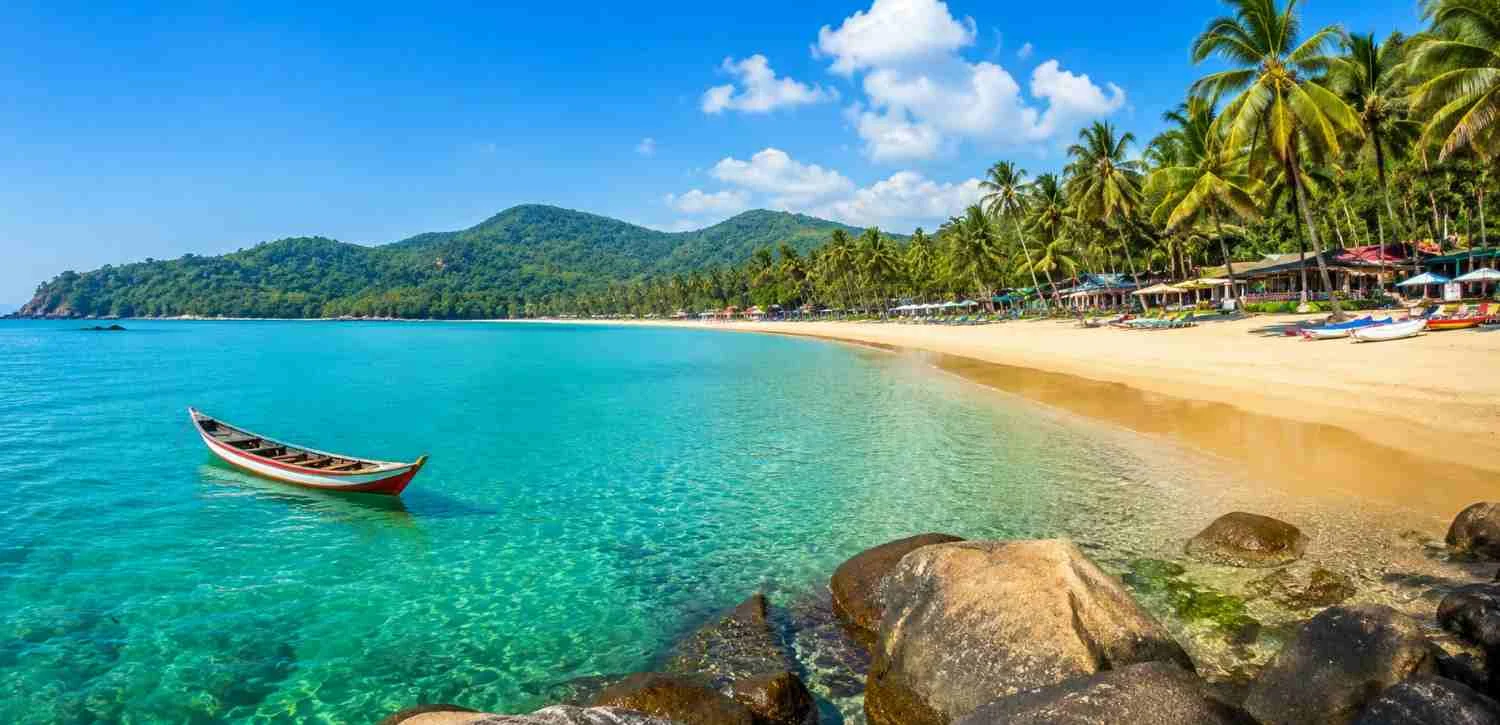
Colva Beach Goa: Things to Do, Best Time, How to Reach & Travel Guide 2026