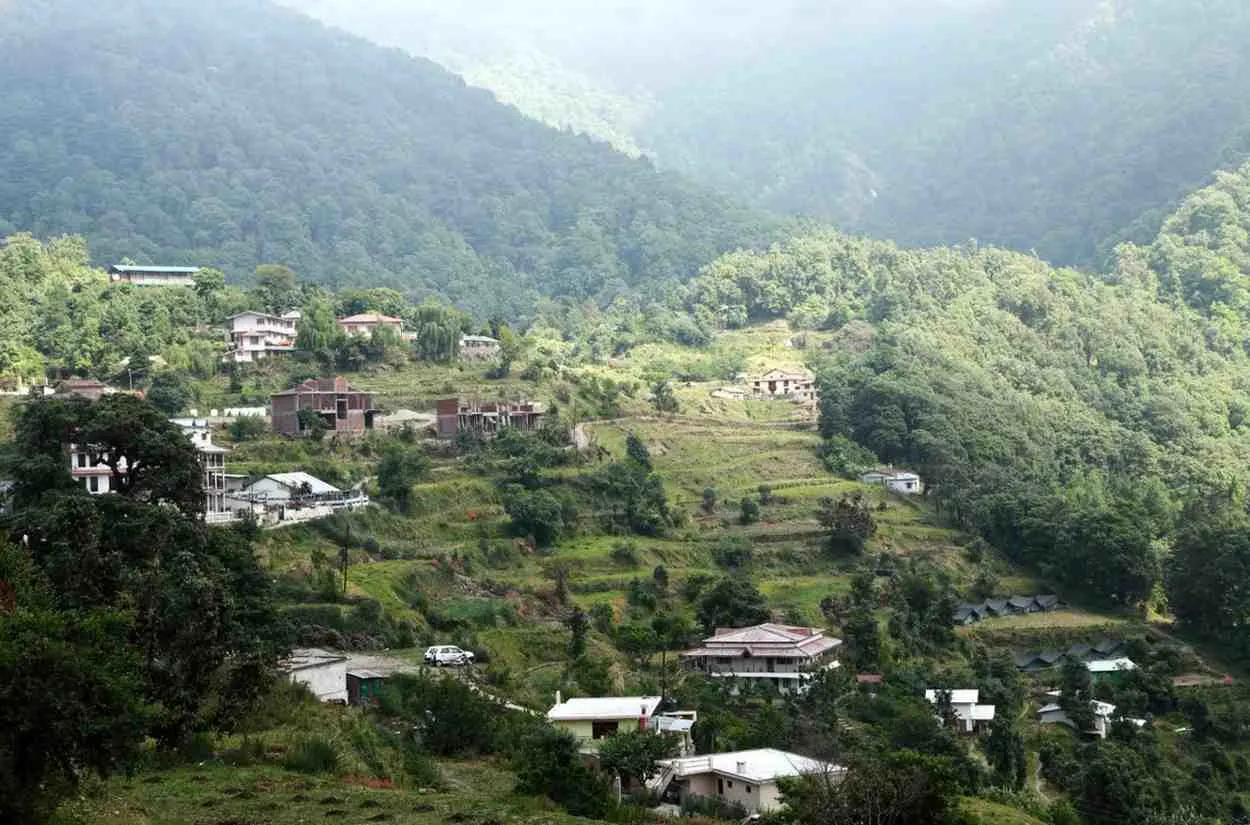
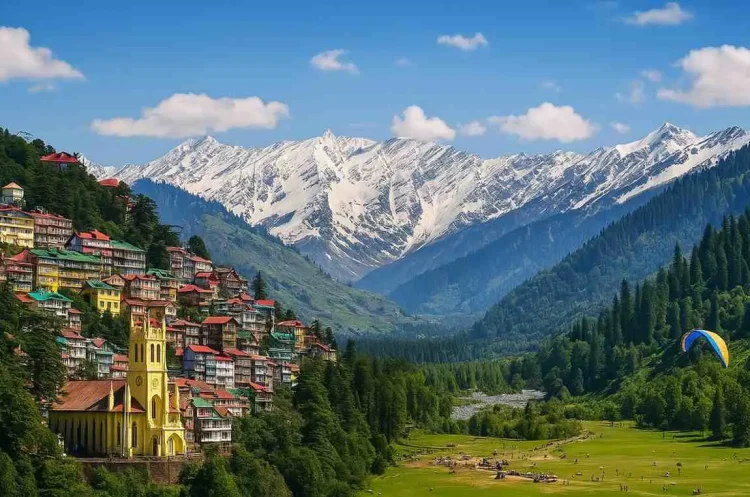
Planning a hill‑station getaway but can’t decide between Shimla and Manali? Both are among Himachal Pradesh’s most visited destinations — yet each offers a different vibe, experience, and budget. Let’s compare them across weather, travel, attractions, stay and cost to help you choose the best for 2025. Whether you say “Manali or Shimla” or ponder “which is better”, this guide will help you decide.
Shimla and Manali Quick Comparison Table
| Category | Shimla | Manali |
| Altitude | ~2,205 m nitsaholidays.in+3Holidify+3WanderOn+3 | ~2,050 m WanderOn+1 |
| Best Season | March–June, Dec–Jan Trip Planners India+1 | April–June, Oct–Feb nitsaholidays.in+1 |
| Vibe | Colonial charm, family‑friendly Capture A Trip+1 | Adventure, nature, couples backpackingnomad.com |
| Major Attractions | Mall Road, Kufri, Jakhoo Temple Holidify | Solang Valley, Rohtang Pass, Old Manali Trip Planners India |
| Average Stay Cost (2 N/3 D) | ~₹6,000–₹10,000 indiatourismpackage.com | ~₹7,000–₹12,000 voyagersbeat.com |
| Ideal For | Families, first‑timers, short holiday | Adventure seekers, longer trips, honeymooners |
Weather & Best Time to Visit Shimla and Manali
Shimla Weather vs Manali Weather
- Shimla: Summers (March‑June) are pleasant (around 15‑30 °C) with good visibility. Winters (Dec‑Feb) are cold but moderate with occasional snowfall. WanderOn+1
- Manali: Summers (April‑June) cooler (10‑25 °C) and ideal for active trips. Winters (Dec‑Feb) are much colder with heavier snowfall, making it great for snow‑lovers but also more challenging. WanderOn+1
Snow & crowds: Manali wins for heavy snow and winter sports; Shimla offers more moderate snow and easier access. journeysandframes.in
Shimla and Manali Tourist Attractions
Places to Visit in Shimla vs Manali
1. Shimla:
- Mall Road – shopping, cafés, gentle walks
- Kufri – short ride away, snow in winter etc. Holidify
- Jakhoo Temple – hill‑top temple with views
- Chadwick Falls, heritage buildings
2. Manali:
- Solang Valley – adventure sports, skiing
- Rohtang Pass – high mountain pass (seasonal)
- Old Manali – rustic village atmosphere
- Hidimba Temple & Vashisht Hot Springs – nature & spiritual spots
Want to explore lesser‑known gems? Check our guide on Hidden Tourist Places in Himachal Pradesh.
Things to Do in Shimla and Manali
1. Shimla:
- Toy train ride on the narrow‑gauge line
- Heritage walk around colonial architecture
- Shopping on Mall Road
- Sunset points, light trekking
2. Manali:
- Paragliding & skiing in Solang Valley
- River rafting, mountain biking
- Trekking into the wilderness
- Exploring the cafés of Old Manali
Shimla and Manali Accessibility & Travel Cost
1. Shimla:
- Well‑connected by train (Kalka‑Shimla toy train) and road. nitsaholidays.in
- Bus from Chandigarh/Delhi or cab.
- Shorter travel time from plains → better for short trips.
2. Manali:
- Mostly by road from Delhi or Chandigarh; nearest airport at Bhuntar (~50 km). Travel Thrive Hub
- Travel time longer, roads more winding.
Average fares: Bus ₹800‑₹1,500; cab ₹5,000‑₹7,000 one‑way (depending on season & pickup city).
Accommodation & Food in Shimla and Manali
1. Shimla:
- Variety of colonial‑era hotels, mid‑range stays, cafés along Mall Road.
- Food: Himachali cuisine, apple‑based desserts, relaxed dining.
2. Manali:
- Riverside resorts, homestays, backpacker hostels in Old Manali.
- Food: Rustic Himachali dhabas, trout fish, hip cafés in Old Manali.
Shimla and Manali Ideal Traveler Type (Decision Section)
1. Choose Shimla if you’re:
- Travelling with family or senior citizens
- Looking for shorter holiday (2‑3 days)
- Prefer easy access and moderate adventure
2. Choose Manali if you’re:
- An adventure seeker or couple after a longer, more immersive holiday
- Want snow sports, rugged nature, more remote villages
- Don’t mind longer travel and potentially rougher terrain
Final Verdict
Shimla for a relaxing, family‑friendly holiday; Manali for adventure, snow and mountain serenity.
Conclusion
Both Shimla and Manali are true crown jewels of Himachal Pradesh — each offering a unique flavour of the mountains. Your choice depends on what you’re looking for.
- If ease, accessibility, family comfort and old‑world charm matter to you, Shimla is the one.
- If you crave adventure, rugged nature, snow and a slightly freer, scenic pace, then Manali may win your heart.
Either way, the Himachal mountains won’t disappoint. Pack smart, choose your vibe, and enjoy the journey.
Until next time — happy travelling and exploring the Himalayas with Himalayas Digital.