Manikaran Sahib Gurudwara: Complete Travel Guide 2026 (Timings, Hot Springs, Langar & How to Reach)
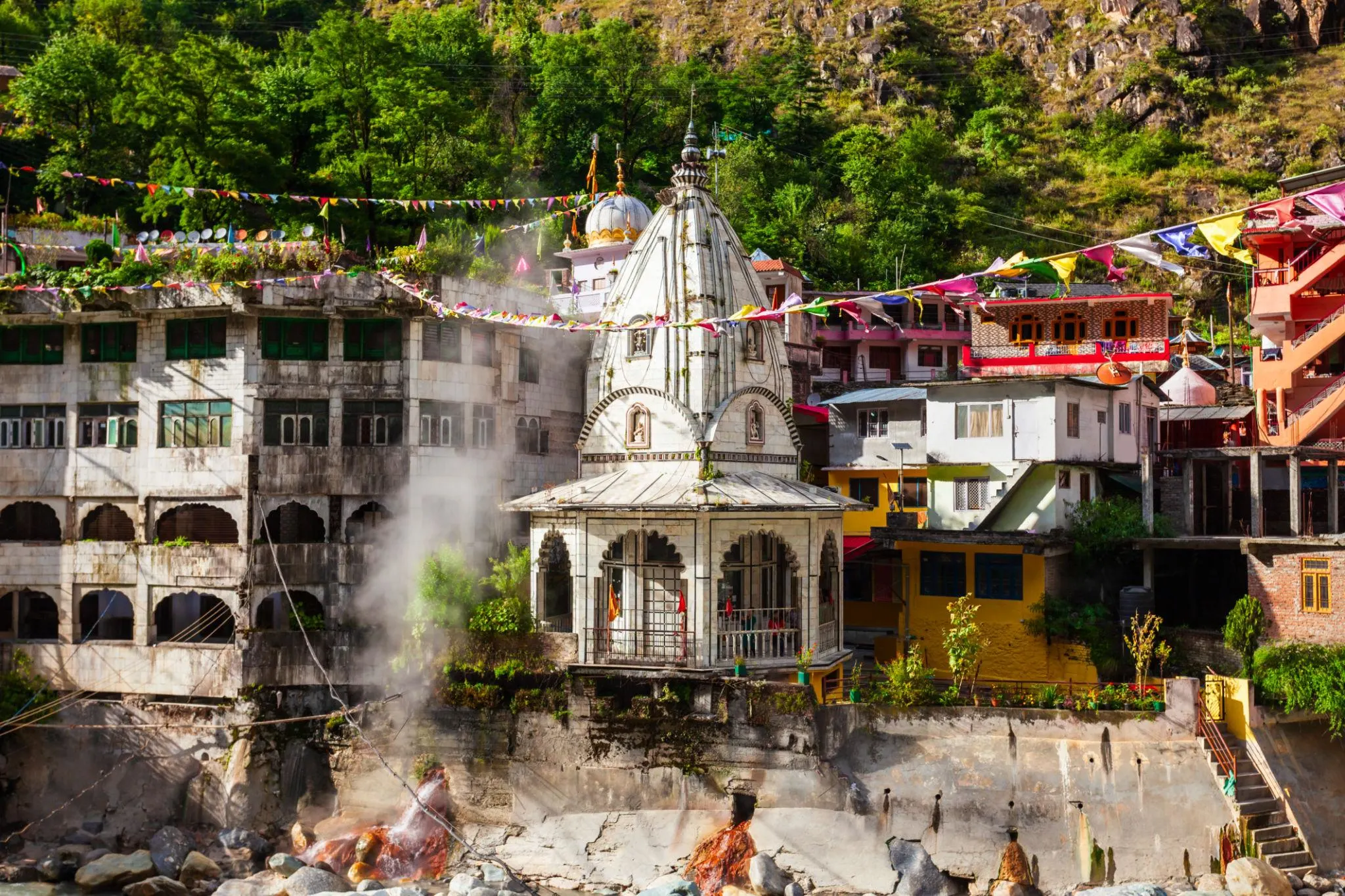
Manikaran Sahib is one of the most sacred and unusual pilgrimage sites in the Indian Himalayas — a place where natural hot springs boil hot enough to cook food, where Sikhs and Hindus worship side by side, and where the legend of Guru Nanak Dev Ji's miracle still shapes daily life in the Parvati Valley. Located just 45 km from Manali and a short ride from the backpacker town of Kasol, Manikaran is one of the easiest spiritual day trips in Himachal Pradesh — and one of the most memorable.

This guide covers everything you need: Gurudwara timings, langar schedule, the science and legend behind the hot springs, how to reach Manikaran from Manali AND Kasol, entry fee, best time to visit, what to pack, and nearby places worth combining with your trip.
|
Quick Facts at a Glance: Timings: Open 24 hours (Gurudwara & hot springs) | Langar served continuously Entry Fee: FREE — donations welcome, no compulsory charge Distance from Manali: 45 km (approx. 2 hours by road) Distance from Kasol: 4 km (approx. 15-20 minutes) Altitude: 1,760 metres (5,774 ft) Best Time: April–June and September–November |
From My Visit to Manikaran Sahib
|
1. About Manikaran Sahib — Where Sikhism and Hindu Mythology Meet
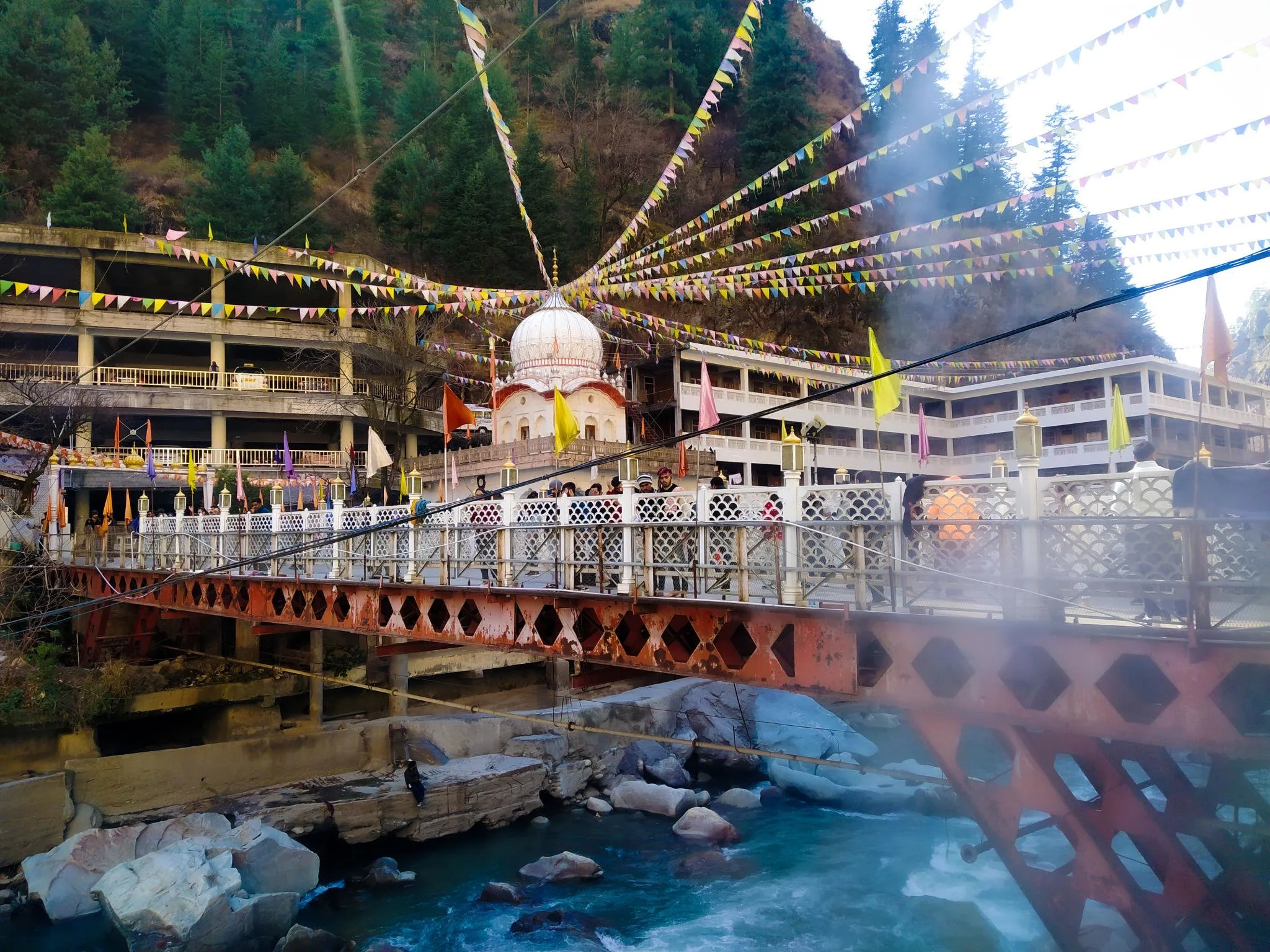
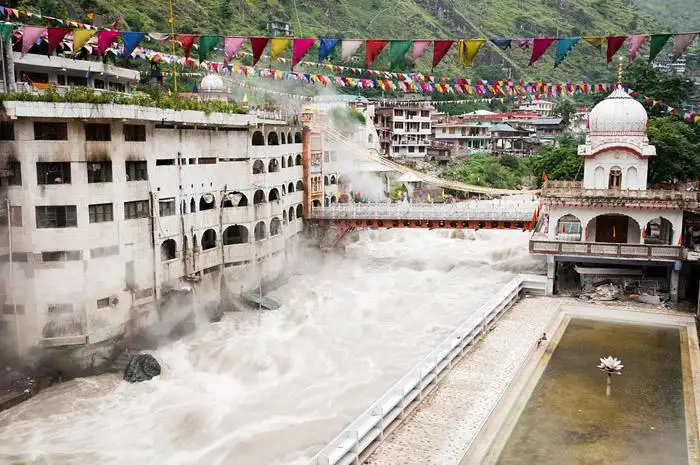
Manikaran sits in the Parvati Valley on the banks of the fast-flowing Parvati River, surrounded by dense pine forests and snow-dusted peaks of the Himalayan ranges. What makes this small village extraordinary is the presence of natural geothermal hot springs — some reaching temperatures hot enough to boil rice and dal directly in cloth bags, which devotees do to this day as an offering.
The Sikh legend: According to Sikh tradition, Guru Nanak Dev Ji visited Manikaran with his companion Bhai Mardana during his travels through the Himalayas in the early 16th century. When Mardana was sent to gather food for langar but there was no fire to cook it, Guru Nanak lifted a stone from the ground — and a hot spring burst forth, hot enough to cook the food instantly. This spring remains active today, directly beneath the Gurudwara, and is still used to prepare langar.
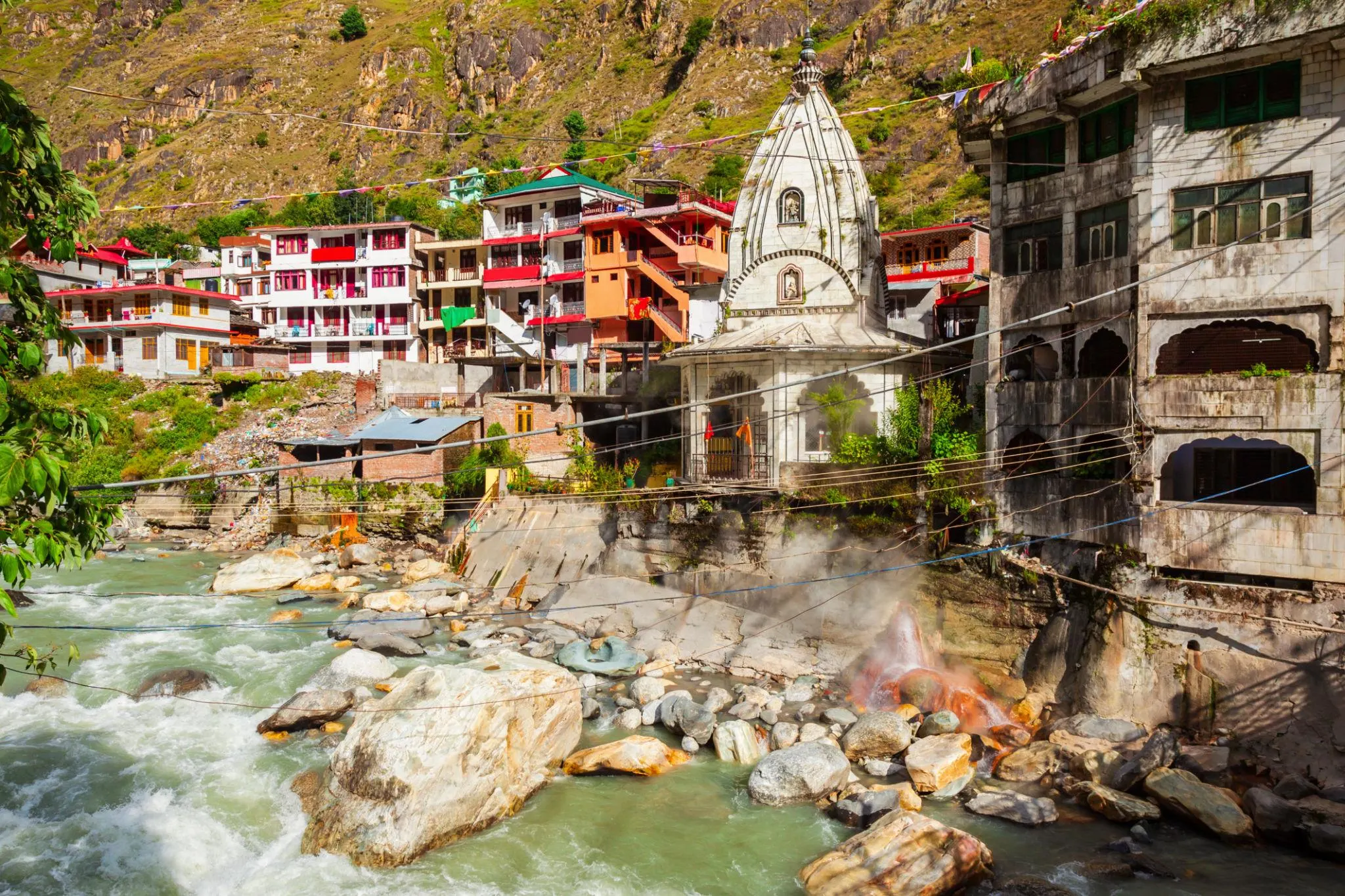
The Hindu legend: Hindu mythology connects Manikaran to Lord Shiva and Goddess Parvati. The story goes that Parvati lost her earrings (mani) while bathing in the river, and an angry Shiva commanded his serpent Sheshnag to retrieve them — Sheshnag's hiss created the hot springs that exist here today. This dual significance is why Manikaran houses both the Gurudwara and several important Hindu temples dedicated to Ram, Krishna, and Vishnu in the same compound — a rare example of religious harmony in a single sacred site.
|
Detail |
Information |
|
Location |
Manikaran village, Parvati Valley, Kullu district, Himachal Pradesh |
|
Altitude |
1,760 metres (5,774 ft) above sea level |
|
Religious Significance |
Sikh Gurudwara + Hindu temples (Ram, Krishna, Shiva, Vishnu) |
|
Famous For |
Natural hot springs, free langar, Parvati River views |
|
Distance from Bhuntar Airport |
35 km (approx. 1.5 hrs) |
|
Distance from Manali |
45 km (approx. 2 hrs) |
|
Distance from Kasol |
4 km (approx. 15-20 mins) |
|
Nearest Railway Station |
Joginder Nagar (118 km) — most travellers fly to Bhuntar or take a bus to Bhuntar/Kullu |
2. Manikaran Sahib Timings 2026
This is the single most searched question about Manikaran — and the answer is simple: the Gurudwara, temples, and hot springs are open 24 hours a day, 365 days a year. However, specific facilities follow their own schedules.
|
Facility |
Timing |
|
Gurudwara & Temple Complex |
Open 24 hours, every day of the year |
|
Hot Spring Bathing Areas (men & women separate) |
Open 24 hours — best before 9 AM or after 6 PM for fewer crowds |
|
Langar (community kitchen) |
Served continuously — breakfast ~7-9 AM, lunch ~12-2 PM, dinner ~7-9 PM, with tea/snacks available between |
|
Evening Prayer (Rehras Sahib) |
Conducted daily in the evening — usually around sunset |
|
Best visiting window |
Early morning (6-9 AM) for peaceful darshan and uncrowded hot springs |
|
Important: Unlike many Hindu temples that close for a few hours mid-day, Manikaran Gurudwara NEVER closes. You can visit at any hour — even at midnight, the langar hall remains active and pilgrims can be seen taking a dip in the hot springs. Tip: Early morning (before 8 AM) is the best time for both spiritual experience and hot spring access — the water is less crowded and the temperature feels most soothing in the cool mountain air. |
3. The Hot Springs — Temperature, Science & Experience
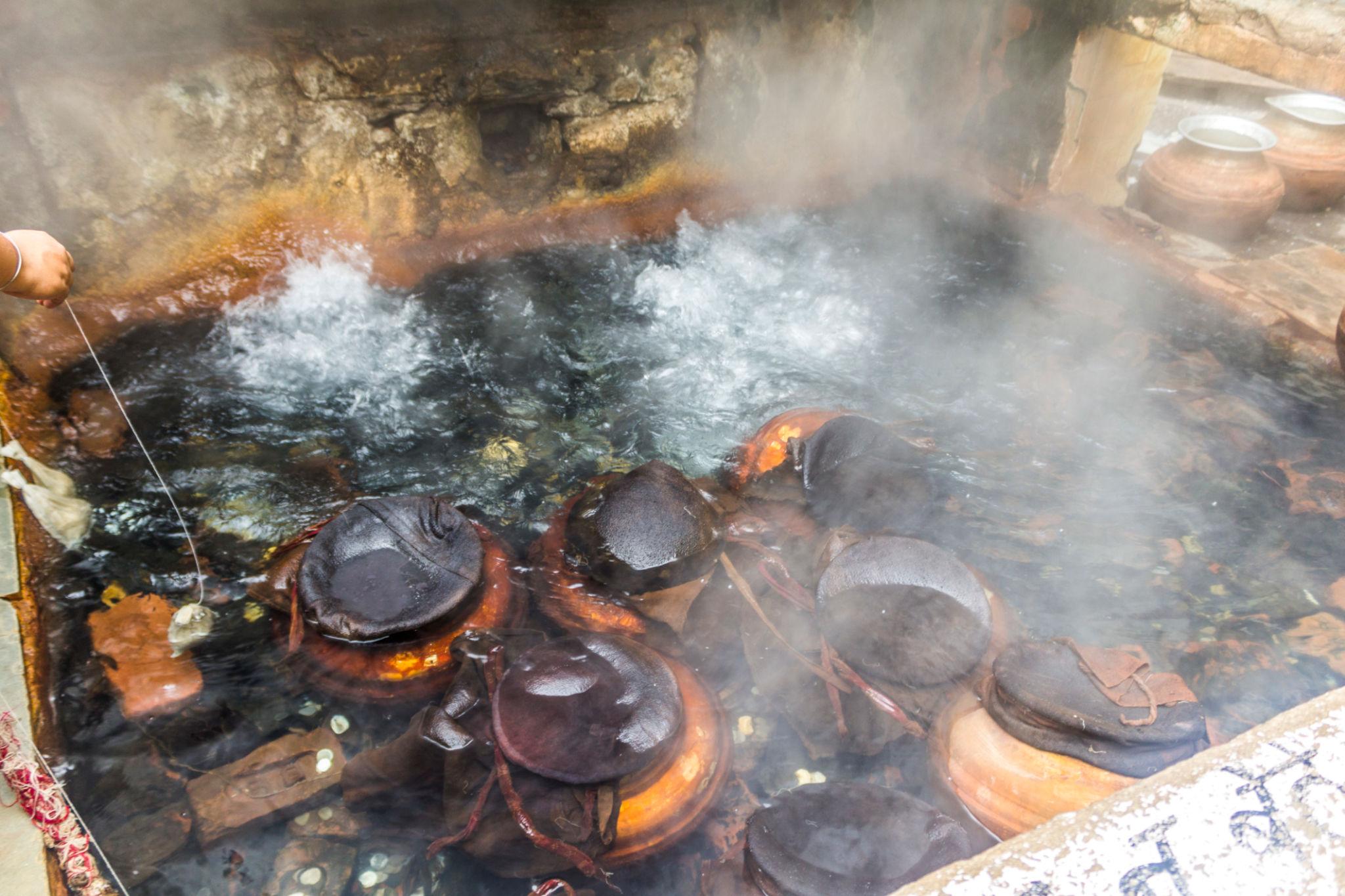
The hot springs of Manikaran are the village's defining feature. Water emerges from underground at temperatures often exceeding 90°C (194°F) — hot enough that placing a hand directly under the source spring can cause burns. The water is rich in sulphur and minerals, and is widely believed to have therapeutic properties for skin conditions, rheumatism, and muscle pain.
Where to Experience the Hot Springs
- Inside the Gurudwara: A dedicated hot spring-fed bathing tank exists within the Gurudwara complex, with separate sections for men and women
- Public bathing ghats: Along the Parvati River, several open-air hot spring pools are accessible to the public, free of charge
- Cooking demonstration: Near the Gurudwara, you can watch devotees cook rice and dal in cloth bags submerged directly in the boiling spring water — a continuation of the original Guru Nanak miracle
|
Safety tip: The source springs are genuinely hot enough to cause burns. Only enter the designated bathing tanks, which are tempered to a safe soaking temperature. Never touch water directly at the source point. What to bring: A change of clothes, a small towel, and flip-flops if you plan to bathe. Lockers are not always available, so don't bring valuables. |
4. Langar at Manikaran Sahib — What to Expect
The langar (free community kitchen) at Manikaran is one of the most memorable experiences for visitors of any faith. In keeping with Sikh tradition, anyone — regardless of religion, nationality, or background — is welcome to sit and eat a free meal. What makes Manikaran's langar unique is that some of the food is cooked using the natural heat of the hot springs themselves.
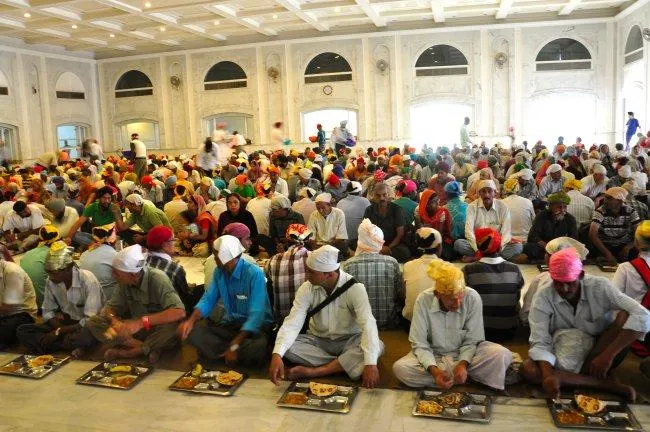
- Meals served: Simple, wholesome vegetarian food — typically dal, rice, roti, and a vegetable curry, plus tea
- Timing: Food is available throughout the day, with the busiest serving times around breakfast (7-9 AM), lunch (12-2 PM), and dinner (7-9 PM)
- Etiquette: Cover your head (cloth available at entrance if needed), remove shoes before entering, sit on the floor in rows (pangat), and avoid wasting food
- Seva (volunteering): Visitors are welcome to volunteer in the kitchen or serving area — a deeply rewarding way to experience the spirit of the place
A Personal Highlight
|
5. How to Reach Manikaran Sahib
From Manali (45 km, approx. 2 hours)
This is the most common route for tourists based in Manali. The road passes through Kullu and Bhuntar before climbing into the Parvati Valley towards Manikaran.
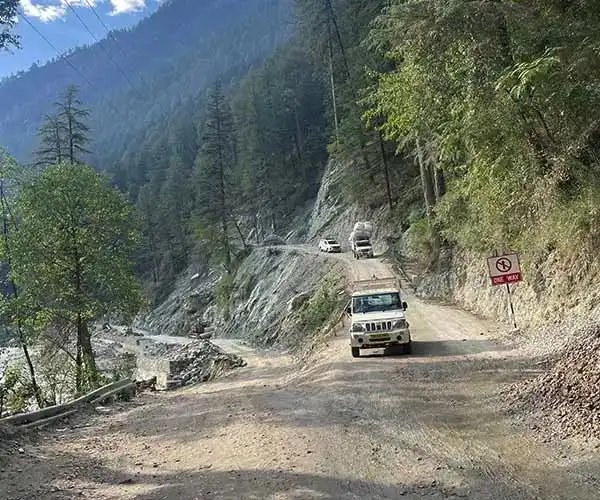
- By private taxi: Available throughout Manali — cost approximately ₹1,800-₹2,500 for a round trip (shared or full vehicle)
- By bus: HRTC buses run from Manali to Bhuntar, then a local bus or shared taxi continues to Manikaran via Kasol — total journey 3-3.5 hours
- By bike/scooter: A popular option for backpackers — the road is well-paved with scenic views of the Parvati River throughout
From Kasol (4 km, 15-20 minutes) — Most Underrated Route
Kasol is the backpacker hub of Parvati Valley, and Manikaran is the closest major pilgrimage site — making this one of the most common short trips for travellers staying in Kasol.
- By shared taxi/auto: Frequent shared rides run between Kasol and Manikaran — cost approximately ₹50-100 per person each way
- By foot: An adventurous 1-1.5 hour riverside walk along the Parvati River connects Kasol to Manikaran for those who enjoy walking
- By private taxi: A round trip from Kasol costs approximately ₹400-600
From Bhuntar Airport (Kullu-Manali Airport)
Bhuntar Airport, the nearest airport, is approximately 35 km from Manikaran (about 1.5 hours by road). This is the fastest way to reach if flying in from Delhi or Chandigarh — IndiGo and Alliance Air operate seasonal flights to Bhuntar.
|
Starting Point |
Distance & Duration |
|
From Manali |
45 km — approx. 2 hours by taxi/bike |
|
From Kasol |
4 km — approx. 15-20 mins |
|
From Bhuntar Airport |
35 km — approx. 1.5 hours |
|
From Kullu |
42 km — approx. 1.5-2 hours |
|
From Delhi (by road) |
540 km — approx. 12-13 hours (via Chandigarh-Mandi) |
6. Best Time to Visit Manikaran Sahib
|
Season |
What to Expect |
|
April – June |
Best overall — pleasant weather (15-25°C), hot springs feel perfect, road conditions excellent |
|
September – November |
Second-best window — clear skies, autumn colours in the valley, fewer crowds than summer |
|
July – August (Monsoon) |
Risk of landslides on the Manali-Manikaran road. Hot springs remain open but travel can be disrupted |
|
December – March (Winter) |
Cold (can drop below 0°C) but the hot springs are most enjoyable in winter. Roads may have occasional snow — check conditions before travelling |
|
Best time of day: Early morning (6-9 AM) for a peaceful Gurudwara visit and uncrowded hot springs, or late evening for the Rehras Sahib prayer and a quieter atmosphere. Festival tip: If visiting during Guru Nanak Jayanti (November), expect significantly higher footfall and special langar arrangements — a beautiful but busier time to visit. |
7. Entry Rules, Dress Code & What to Carry
Dress Code & Etiquette
-
Cover your head before entering the Gurudwara — scarves/cloths are usually available at the entrance if you don't have one
-
Remove shoes before entering any temple or Gurudwara hall — designated shoe racks are provided
-
Dress modestly — covered shoulders and legs are appreciated, especially inside the religious complex
-
Photography is generally allowed in outdoor areas but avoid photographing people during prayer without permission
What to Pack
-
Change of clothes and a small towel (for hot spring bathing)
-
Flip-flops or easily removable footwear
-
A light scarf or cap (for head covering)
-
Warm clothing — even in summer, evenings in the valley get cold
-
Cash for donations, local shopping, and food (card acceptance is limited in the village)
8. Nearby Places to Combine with Your Manikaran Trip
|
Place |
Why Visit |
|
Kasol (4 km) |
Backpacker hub with cafes, Israeli food, and Parvati River views — perfect base for staying overnight |
|
Tosh (16 km from Kasol) |
Scenic mountain village popular for short treks and stunning valley views |
|
Kheerganga (trek from Barshaini, ~12 km) |
Famous trek leading to another set of natural hot springs at high altitude — full day or overnight trek |
|
Pulga & Rasol |
Quiet offbeat villages near Kasol, ideal for travellers seeking solitude |
|
Malana (approx. 25 km) |
One of India's oldest democracies — a unique village with its own customs and laws, accessible via a moderate trek |
|
Bhuntar |
Gateway town with the regional airport — good for transit and shopping |
9. Where to Stay Near Manikaran
In Manikaran Village
-
Sarai (Gurudwara guesthouse): Basic, free or donation-based accommodation for pilgrims — book on arrival, very simple rooms
-
Budget guesthouses: Several small hotels along the main road, ₹500-1,200/night
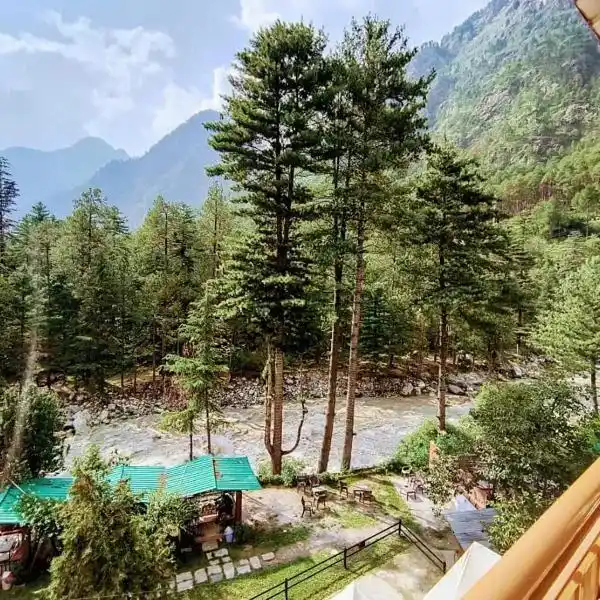
In Kasol (4 km — Recommended for Comfort)
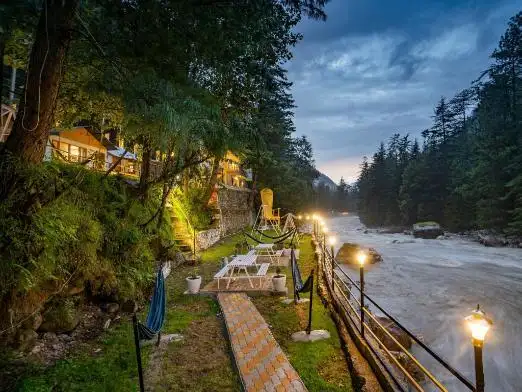
-
Wide range of guesthouses, riverside cafes, and hostels — ₹500-3,000/night depending on category
-
Most travellers prefer staying in Kasol and visiting Manikaran as a day or half-day trip due to the better range of food and stay options
10. Plan Your Larger Himachal & Himalayan Journey
Manikaran Sahib pairs naturally with other major destinations in Himachal Pradesh. Whether you're continuing onward into the mountains or exploring the broader Parvati Valley, here are guides to help you plan further:
|
Related guides on Himalayas Digital: → Manali Travel Guide — Snow, Adventure & Complete Itinerary | /blog/manali-travel-guide → 40 Best Places to Visit in India — Complete 2025 Guide | /blog/best-places-to-visit-in-india → Bir Billing — Paragliding Capital of India | /blog/bir-billing → Rishikesh Travel Guide — Yoga, Adventure & Ganga Aarti | /blog/rishikesh-travel-guide |
Final Thoughts from My Journey
|
Conclusion: Planning Your Manikaran Sahib Visit
Manikaran Sahib offers something genuinely rare — a 24-hour-accessible sacred site where the boundaries between Sikhism and Hinduism dissolve, where a thousand-year-old miracle still produces boiling water used to feed every visitor for free, and where the entire experience costs nothing beyond what you choose to give.
The practical essentials: visit early morning for the most peaceful darshan and hot spring access, carry a change of clothes if you plan to bathe, respect the dress code by covering your head and removing shoes, and don't skip the langar — it's as much a part of the Manikaran experience as the springs themselves. If you're staying in Kasol, treat Manikaran as an easy half-day trip; if coming from Manali, plan for a full day to enjoy it without rushing.
|
Quick Checklist Before You Go: ✓ Carry a scarf/cloth for head covering (or use one provided at entrance) ✓ Wear easily removable footwear ✓ Pack a change of clothes + towel if bathing in hot springs ✓ Carry cash — card payments limited in the village ✓ Visit early morning (6-9 AM) for the most peaceful experience ✓ Don't skip the langar — eat, or volunteer if you have time ✓ Combine with Kasol (4 km) or Kheerganga trek for a full day out |
Frequently Asked Questions
More from
Himalayas Digital
Top Places to Visit in Kashmir: 10 Best Tourist Destinations for 2026
Morjim Beach Goa: Things to Do, Best Time, How to Reach & Travel Guide 2026
Palolem Beach Goa: Things to Do, Best Time, How to Reach & Travel Guide 2026
Colva Beach Goa: Things to Do, Best Time, How to Reach & Travel Guide 2026