Kolkata Travel Guide 2026: City of Joy, Culture, Heritage & Food Experience
Kolkata, affectionately known as the City of Joy, is one of India's most fascinating destinations where history, culture, literature, art, and food come together to create an unforgettable travel experience. Situated on the eastern bank of the Hooghly River in West Bengal, Kolkata was once the capital of British India and remains one of the country's most culturally influential cities. Every street tells a story—from magnificent colonial buildings and century-old trams to bustling flower markets, heritage cafés, and riverside ghats that have witnessed generations of history.

The city is equally famous for its intellectual heritage, having been home to Nobel laureates, poets, scientists, filmmakers, and artists who shaped modern India. Kolkata's vibrant festivals, especially the world-renowned Durga Puja, transform the city into an open-air art gallery attracting millions of visitors every year. Food lovers can indulge in everything from iconic kathi rolls and puchkas to delicious Bengali sweets like rasgulla and mishti doi.
Whether you're planning your first visit or returning to explore hidden gems, this comprehensive Kolkata Travel Guide covers the city's top attractions, heritage sites, transport options, local cuisine, festivals, shopping destinations, and nearby excursions to help you make the most of your trip.
| Editorial Note: This guide has been researched using official tourism resources, local travel information, maps, historical references, and verified traveler insights. It has been carefully reviewed by our editorial team to provide accurate and up-to-date information for visitors planning a trip to Kolkata. |
Planning a wider India itinerary? Explore our Best Places to Visit in India guide to discover top destinations across the country.
Kolkata: India's Cultural Capital
Why Kolkata is Called the City of Joy
Few cities in India evoke as much emotion and nostalgia as Kolkata. Nicknamed the "City of Joy," Kolkata is celebrated for its warm hospitality, artistic spirit, literary traditions, and deep-rooted cultural identity. Unlike many fast-paced metropolitan cities, Kolkata retains a timeless charm where heritage and modernity coexist harmoniously.
Cultural Heritage
Kolkata has long been considered the cultural heart of India. Classical music performances, theatre festivals, art exhibitions, and literary events take place throughout the year, attracting artists and enthusiasts from across the country.
British-Era Architecture
As the former capital of British India until 1911, Kolkata is home to some of India's finest colonial architecture. Grand government buildings, churches, museums, educational institutions, and historic residences showcase a blend of Gothic, Neo-Classical, Baroque, and Indo-Saracenic architectural styles.
Literary and Artistic Hub
Known as the birthplace of the Bengal Renaissance, Kolkata played a crucial role in India's literary and artistic development. The city's bookstores, publishing houses, universities, and theatres continue to inspire generations of writers and artists..
Festivals and Traditions
Durga Puja is undoubtedly Kolkata's biggest celebration. During the festival, elaborate artistic pandals are constructed across the city, attracting millions of visitors. UNESCO recognized Durga Puja in Kolkata as an Intangible Cultural Heritage of Humanity, highlighting its global cultural significance.
History of Kolkata
Kolkata's history dates back several centuries when three small villages—Sutanuti, Govindapur, and Kalikata—formed the foundation of the modern city.
Colonial Past
The British East India Company established a trading post here in the late seventeenth century due to its strategic location along the Hooghly River. Over time, Kolkata became one of the most important commercial centers in Asia..
Capital of British India
From 1772 to 1911, Kolkata served as the capital of British India. During this period, the city witnessed rapid urban development, with roads, bridges, educational institutions, courts, museums, and public buildings being constructed.
Bengal Renaissance
The nineteenth century saw the rise of the Bengal Renaissance, an extraordinary period of intellectual awakening that influenced literature, education, science, philosophy, and social reform throughout India.
|
Did You Know? Example
|
Top Experiences in Kolkata
Kolkata offers countless memorable experiences for every type of traveler.
Heritage Walks
Join guided heritage walks through North Kolkata to admire old mansions, temples, courtyards, and narrow lanes that reveal the city's colonial and Bengali heritage.
Popular heritage walk locations include:
- Kumartuli
- Sovabazar
- Bow Barracks
- College Street
- Dalhousie Square
Local Markets
Explore Kolkata's bustling markets where traditional commerce thrives alongside modern shopping.
Popular markets include:
- New Market
- Gariahat Market
- College Street Book Market
- Burrabazar
- Mullick Ghat Flower Market
Riverfront Views
Spend an evening along the Hooghly River enjoying scenic views, ferry rides, and mesmerizing sunsets. The riverfront is particularly beautiful near Prinsep Ghat and Millennium Park.
Cultural Festivals
Depending on the season, visitors can experience:
- Durga Puja
- Kali Puja
- Christmas celebrations on Park Street
- Kolkata International Film Festival
- Kolkata Book Fair
- Poila Boishakh
Quick Facts About Kolkata
|
Feature |
Details |
|
State |
West Bengal |
|
Famous For |
Culture & Heritage |
|
Best Time |
October–February |
|
Main Festival |
Durga Puja |
|
Ideal Trip |
3–4 Days |
Victoria Memorial & Maidan
No visit to Kolkata is complete without exploring the iconic Victoria Memorial and the sprawling Maidan that surrounds it. Together, these landmarks represent the city's colonial grandeur and provide visitors with a perfect blend of history, architecture, and leisure.
Victoria Memorial Overview
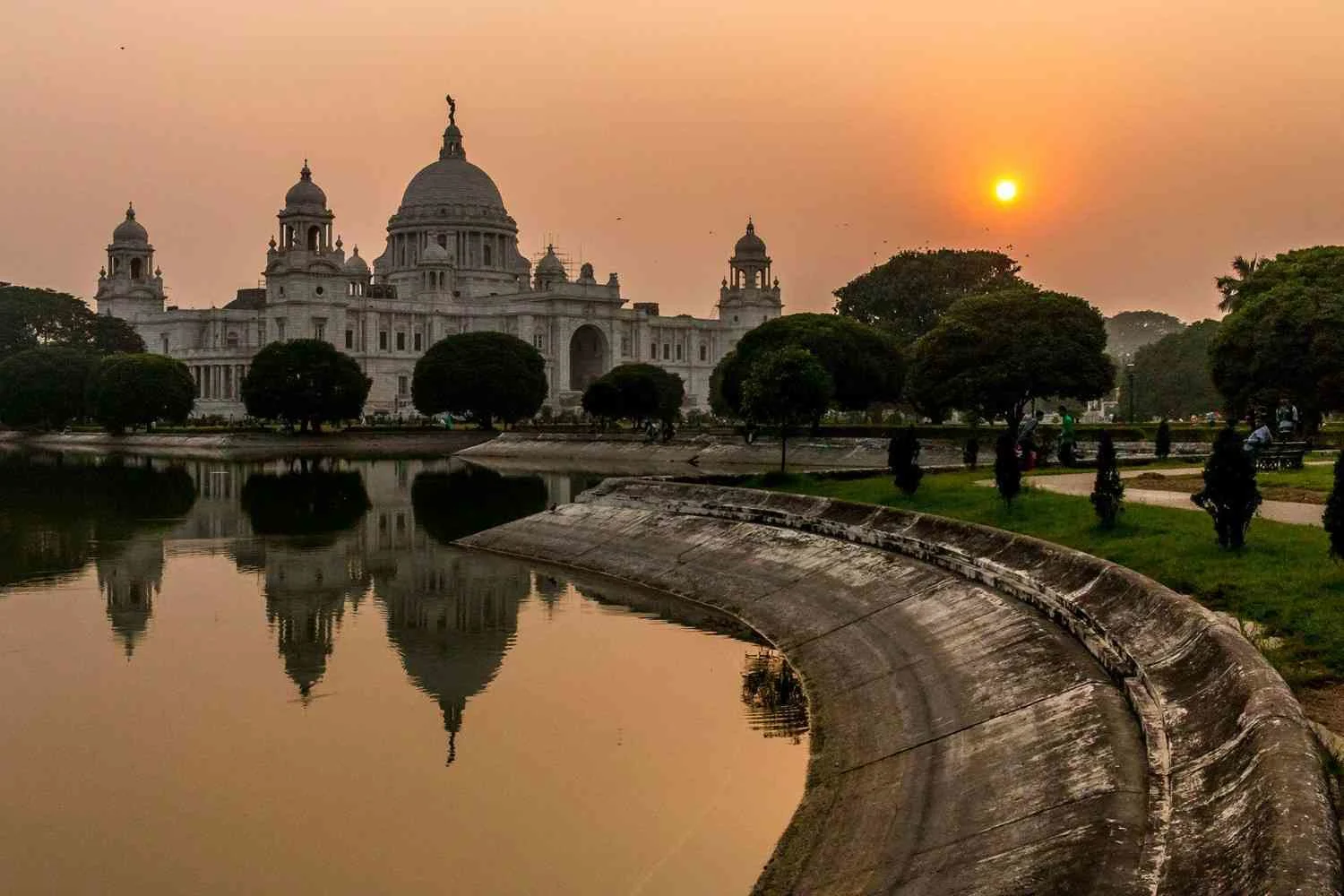
Built between 1906 and 1921 in memory of Queen Victoria, the Victoria Memorial is one of India's most magnificent monuments. Constructed using pristine white Makrana marble, the building combines British and Mughal architectural influences to create an imposing and elegant structure.
Museum Highlights
Inside the memorial, visitors can explore numerous galleries showcasing:
- British colonial history
- Paintings by renowned artists
- Rare manuscripts
- Historic maps
- Royal artifacts
- Coins and sculptures
- Arms and armor
- Portraits of British governors and Indian leaders
Architecture
The Victoria Memorial is an architectural masterpiece featuring:
- White marble façade
- Grand central dome
- Classical columns
- Italian sculptures
- Bronze statues
- Decorative gardens
- Angel of Victory statue atop the dome
Maidan Area Attractions
Stretching across nearly 1,000 acres, the Maidan is often referred to as the "lungs of Kolkata." This vast green expanse offers a welcome escape from the city's bustling streets.
Green Open Spaces
The Maidan attracts morning walkers, joggers, families, and sports enthusiasts throughout the year.
Large lawns, cricket grounds, football fields, and shaded avenues provide ample space for recreation.
Horse Riding
Horse rides remain one of the Maidan's most charming attractions, especially for families and children visiting during weekends.
Evening Walks
As the sun begins to set, the Maidan transforms into one of Kolkata's most peaceful destinations. Locals gather for leisurely walks while enjoying cool breezes and panoramic views of colonial landmarks.
Nearby Colonial Buildings
Within walking distance, visitors can explore:
- St. Paul's Cathedral
- Birla Planetarium
- Fort William (external views)
- Eden Gardens
- Shaheed Minar
Things to Do Here
The Victoria Memorial and Maidan area offer something for every traveler.
Photography
Capture stunning photographs of marble architecture, landscaped gardens, fountains, and colonial monuments.
Early morning and sunset provide the best lighting conditions.
Museum Visit
History enthusiasts can spend several hours exploring the galleries and learning about British India and Bengal's cultural evolution.
Relaxing Walks
The expansive gardens surrounding the memorial are ideal for leisurely strolls, reading, or simply enjoying Kolkata's slower pace of life.
Cultural Exploration
Street photographers, artists, performers, and local families create a lively atmosphere around the Maidan, offering visitors a glimpse into everyday life in Kolkata.
Howrah Bridge & the Ghats
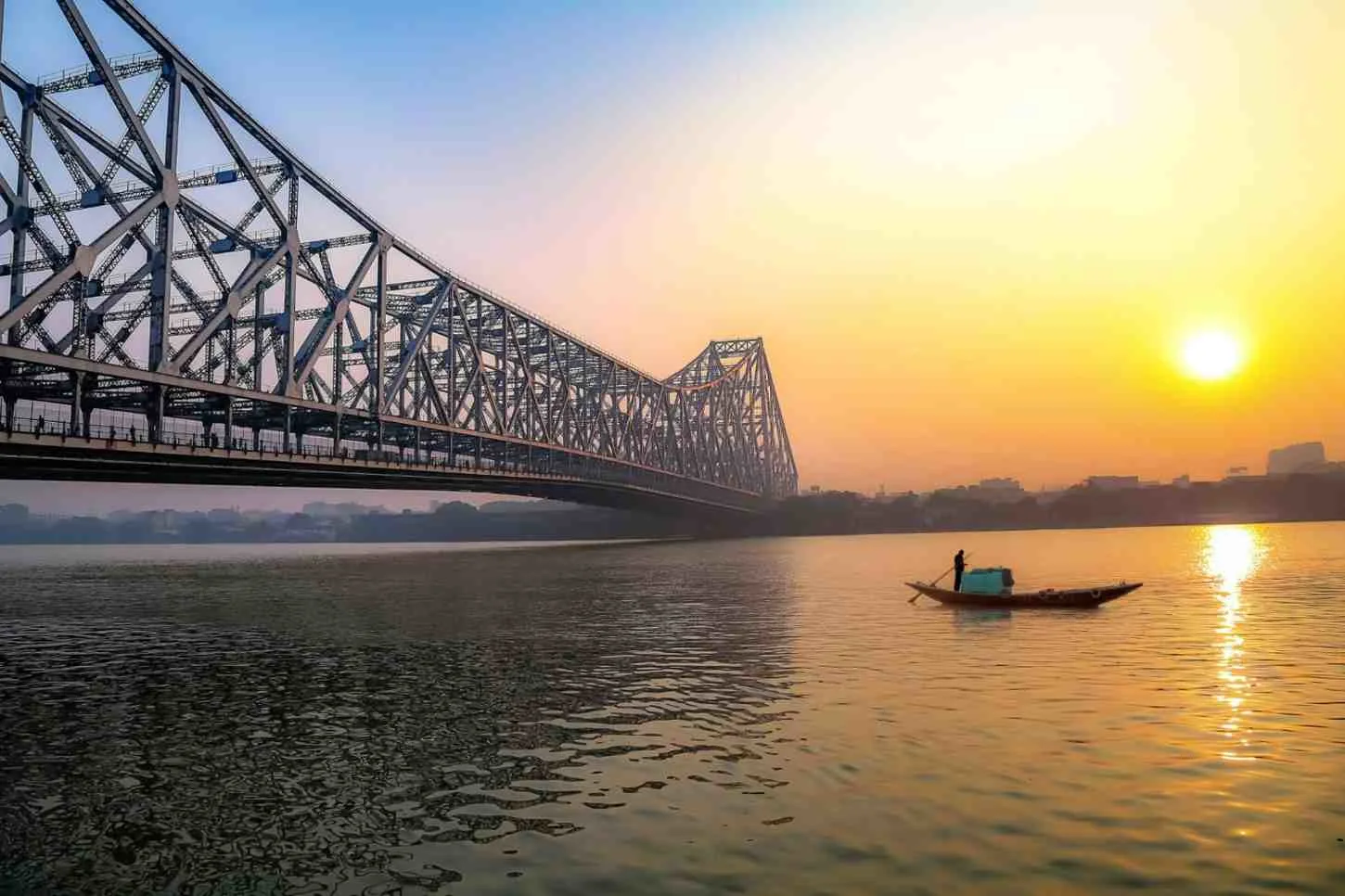
The Howrah Bridge is much more than a river crossing—it is the defining symbol of Kolkata. Standing majestically over the Hooghly River, this engineering marvel has connected millions of commuters every day for decades and remains one of the busiest cantilever bridges in the world. Alongside the bridge, the city's historic ghats offer a fascinating glimpse into Kolkata's spiritual life, river culture, and colonial heritage.
Iconic Howrah Bridge
Completed in 1943, the Howrah Bridge officially known as Rabindra Setu is among India's most recognizable landmarks. Built without nuts or bolts using riveted steel construction, it spans approximately 705 meters across the Hooghly River.
Engineering Marvel
The bridge was constructed during World War II and remains an outstanding example of twentieth-century engineering. Despite handling enormous traffic volumes every day, its structure continues to serve Kolkata reliably after more than eight decades.
Daily Lifeline of Kolkata
The bridge connects Kolkata with Howrah Railway Station, one of India's busiest railway terminals. For countless commuters, traders, students, and travelers, crossing the bridge is part of everyday life.
Early mornings are particularly lively as flower vendors, office workers, porters, and local residents begin their day.
Best Viewpoints
Some of the finest locations to admire and photograph the bridge include:
- Prinsep Ghat
- Millennium Park
- Mullick Ghat Flower Market
- Ferry crossing between Howrah and Kolkata
- Vidyasagar Setu viewpoints
- Boat rides on the Hooghly River
Experiencing the Hooghly River Ghats
The Hooghly River has shaped Kolkata's history for centuries. Trade, religion, transportation, and daily life continue to revolve around its banks.
The city's ghats serve multiple purposes—they are places for worship, community gatherings, cultural events, photography, and peaceful evening walks.
Prinsep Ghat
Constructed during the British era, Prinsep Ghat is one of Kolkata's most picturesque riverside destinations.
Visitors come here for:
- Riverfront walks
- Evening illumination
- Boating
- Photography
- Food stalls
- Cycling
Babughat
Babughat remains one of Kolkata's busiest ferry terminals and an important religious site.
Here visitors can witness:
- Morning prayers
- River bathing rituals
- Traditional ceremonies
- Ferry commuters
- Local street vendors
Armenian Ghat
This lesser-known riverside location reflects Kolkata's multicultural trading history. Once an important commercial hub for Armenian merchants, the area still preserves traces of its historic significance.
Ferry Rides on the Hooghly
Taking a ferry across the Hooghly River is one of Kolkata's most enjoyable and affordable experiences.
Popular ferry routes include:
- Howrah to Babu Ghat
- Howrah to Fairlie Place
- Dakshineswar to Belur Math
- Prinsep Ghat ferry services
Mullick Ghat Flower Market
Located beneath the eastern end of Howrah Bridge, Mullick Ghat Flower Market is one of Asia's largest wholesale flower markets.
Visitors can witness:
- Thousands of marigold garlands
- Roses
- Lotus flowers
- Jasmine
- Orchids
- Traditional floral decorations
|
Local Tip Visit Mullick Ghat Flower Market before 7:00 AM for the most vibrant atmosphere and the best photography opportunities |
Photographers particularly enjoy capturing the colorful chaos of traders carrying massive baskets of flowers through narrow lanes.
For the best experience, arrive between 5:30 AM and 7:30 AM.
Belur Math
Situated on the western bank of the Hooghly River, Belur Math serves as the headquarters of the Ramakrishna Mission.
Founded by Swami Vivekananda, the temple symbolizes religious harmony by incorporating Hindu, Islamic, Christian, and Buddhist architectural elements.
Highlights
- Beautiful riverside setting
- Peaceful meditation halls
- Evening prayer ceremonies
- Museum dedicated to Ramakrishna and Vivekananda
- Landscaped gardens
Dakshineswar Kali Temple
Located a short distance north of Kolkata, Dakshineswar Temple is one of eastern India's most important Hindu pilgrimage destinations.
Built in 1855 by Rani Rashmoni, the temple is dedicated to Goddess Kali.
Thousands of devotees visit daily to seek blessings and admire the temple's distinctive nine-spired architecture.
Durga Puja: Kolkata's Biggest Celebration
No festival represents Kolkata more than Durga Puja.
For five extraordinary days every year, the city transforms into a massive cultural festival where art, religion, music, food, and community celebrations blend seamlessly.
UNESCO recognized Durga Puja in Kolkata as an Intangible Cultural Heritage of Humanity, highlighting its global cultural significance.
About Durga Puja
Durga Puja celebrates the victory of Goddess Durga over the demon Mahishasura, symbolizing the triumph of good over evil.
These temporary structures often resemble:
- Ancient temples
- International monuments
- Historical palaces
- Eco-friendly art installations
- Contemporary cultural themes
Many pandals require nearly a year of planning and construction.
Why Durga Puja is Special
Unlike festivals centered primarily around rituals, Durga Puja celebrates creativity.
Artists, sculptors, architects, designers, electricians, musicians, chefs, and local communities collaborate to create immersive cultural experiences.
The festival also boosts tourism and supports thousands of artisans across West Bengal.
Best Places to Visit During Durga Puja
Park Street
Park Street becomes one of the city's most vibrant areas during Durga Puja.
Highlights include:
- Decorative lighting
- Street performances
- Food festivals
- Nightlife
- Famous restaurants
Salt Lake
Salt Lake hosts several award-winning pandals known for innovative architecture and creative themes.
Popular neighborhoods include:
- FD Block
- BJ Block
- AE Block
North Kolkata
Traditional community pujas dating back more than a century continue to preserve Kolkata's heritage.
Historic neighborhoods include:
- Sovabazar
- Bagbazar
- Kumartuli
- Shyambazar
These celebrations offer a more authentic and traditional atmosphere.
Ballygunge
Known for elegant decorations and artistic idol craftsmanship.
Ekdalia Evergreen
One of Kolkata's most visited Durga Puja pandals, attracting massive crowds every year.
Cultural Activities During Durga Puja
Visitors can enjoy:
- Traditional Bengali dance
- Dhak drum performances
- Cultural concerts
- Art exhibitions
- Bengali theatre
- Local handicraft fairs
- Food festivals
Travel Tips During Durga Puja
The festival attracts millions of visitors.
To enjoy your trip:
- Book hotels at least three to four months in advance.
- Reserve flights early.
- Use Kolkata Metro whenever possible.
- Wear comfortable walking shoes.
- Carry drinking water.
- Visit popular pandals late at night or early morning to avoid crowds.
- Keep mobile phones fully charged.Use official taxi services for late-night travel.
|
Worth Knowing During Durga Puja, expect heavy crowds near major pandals. Using the Kolkata Metro is usually faster than taxis. |
If you want to explore another deeply spiritual Indian city, read our Varanasi Travel Guide, known for its ghats, temples, and Ganga Aarti experience.
Kolkata Street Food Guide
One of Kolkata's greatest attractions is its incredible food culture.
From roadside vendors serving legendary snacks to iconic restaurants preserving century-old recipes, Kolkata is a paradise for food lovers.
The city's cuisine reflects influences from Bengali, Mughlai, Chinese, Anglo-Indian, and Tibetan culinary traditions.
Must-Try Foods in Kolkata
Puchka
Often considered superior to pani puri found elsewhere in India, Kolkata's puchka features crisp shells filled with spicy mashed potatoes, black chickpeas, tamarind water, and aromatic spices.
Each vendor has a unique recipe.
Popular locations:
- Vivekananda Park
- New Market
- Gariahat
- Southern Avenue
Kathi Rolls
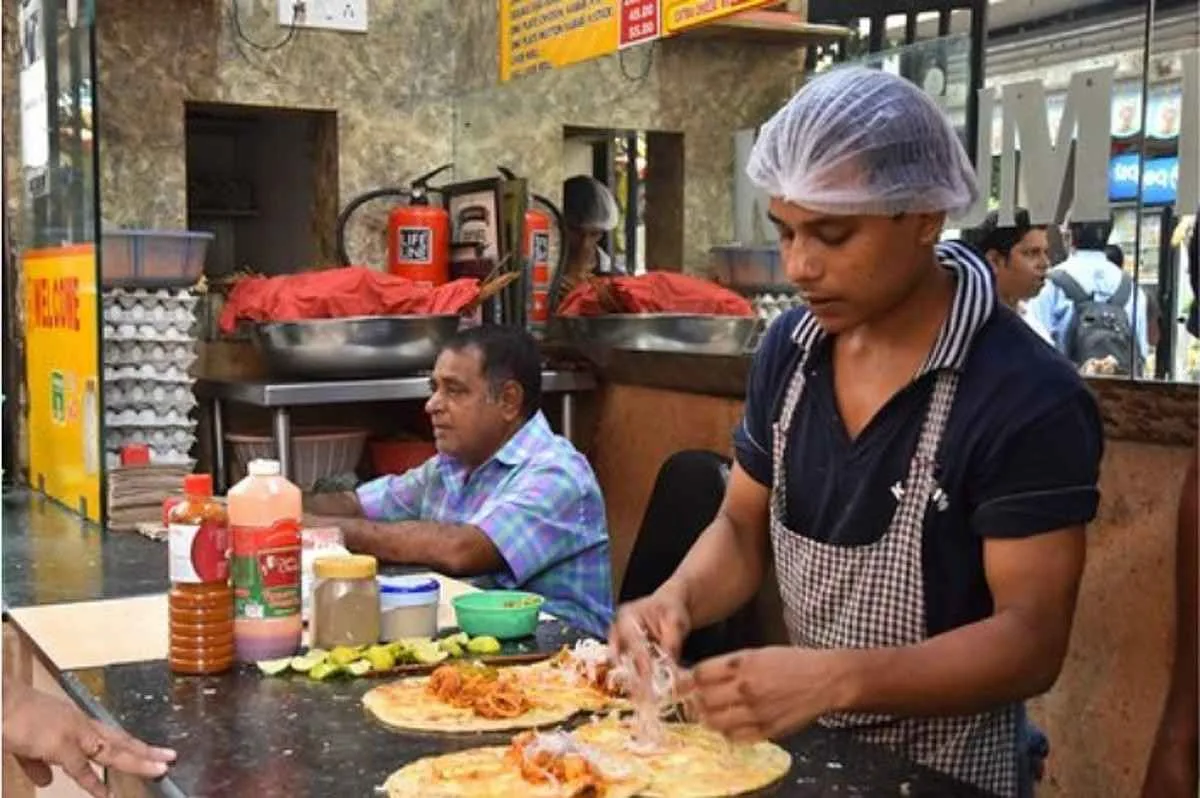
Invented in Kolkata, the famous Kathi Roll consists of skewered kebabs wrapped inside flaky paratha with onions, sauces, and spices.
Popular varieties include:
- Chicken Roll
- Egg Roll
- Mutton Roll
- Paneer Roll
- Double Egg Chicken Roll
Macher Jhol
Fish plays an essential role in Bengali cuisine.
Macher Jhol is a light yet flavorful curry prepared with freshwater fish, potatoes, tomatoes, turmeric, mustard oil, and spices.
Kosha Mangsho
Slow-cooked Bengali mutton curry remains a favorite among locals.
Rich, aromatic, and deeply flavorful, it pairs beautifully with luchi or rice.
Shorshe Ilish
Hilsa fish cooked in mustard sauce represents one of Bengal's signature dishes.
Its delicate flavor makes it highly sought after during the monsoon season.
Mishti Doi
This caramelized sweet yogurt is creamy, mildly sweet, and served chilled.
It remains one of Kolkata's most beloved desserts.
Rasgulla
Although famous worldwide, freshly prepared rasgullas in Kolkata offer an entirely different experience.
Soft, spongy, and soaked in light sugar syrup, they melt in the mouth.
Sandesh
Prepared using fresh chhena (cottage cheese), Sandesh comes in dozens of flavors including:
- Pistachio
- Chocolate
- Mango
- Saffron
- Nolen Gur (winter specialty)
Chai & Bengali Snacks
Tea culture is deeply woven into Kolkata's daily life.
Enjoy clay-cup tea alongside:
- Singara
- Telebhaja
- Ghugni
- Jhalmuri
- Chop
- Mughlai Paratha
Famous Food Streets
Park Street
The city's most famous dining destination.
Visitors will find:
- Historic restaurants
- Bakeries
- Cafés
- Continental cuisine
- Bengali specialties
- Live music venues
New Market Area
Perfect for affordable local food.
Try:
- Street snacks
- Rolls
- Sweets
- Mughlai cuisine
- Fresh juice
College Street
Known for budget eateries catering to students.
Don't miss:
- Coffee House
- Traditional Bengali snacks
- Bookstore cafés
- Local sweet shops
Food Tips
- Try both street food and heritage restaurants.
- Drink bottled water.
- Visit popular vendors with high customer turnover.
- Carry cash for smaller food stalls.
- Don't skip Bengali sweets.
- Explore vegetarian and seafood specialties.
How to Get Around Kolkata (Tram, Metro & Local Transport)
One of Kolkata's greatest strengths as a travel destination is its diverse and affordable public transportation system. Unlike many Indian metropolitan cities where visitors rely almost entirely on taxis or ride-sharing services, Kolkata offers a fascinating mix of modern and heritage transport. From India's oldest metro network and the country's only operational tram system to ferries crossing the Hooghly River, getting around the City of Joy is an experience in itself.
Kolkata Metro
The Kolkata Metro holds a special place in India's transportation history as the country's first metro railway, beginning operations in 1984. Over the decades, it has expanded into a modern rapid transit system connecting major commercial, residential, and tourist areas across the city.
For travelers, the metro is the quickest way to avoid Kolkata's busy traffic while exploring different neighborhoods.
Why Use the Metro?
The metro is:
- Fast and punctual
- Affordable
- Air-conditioned
- Comfortable during summer
- Ideal for tourists
- Easy to navigate
Major Tourist Stations
Several important attractions are located near metro stations, including:
- Esplanade – New Market, Indian Museum
- Maidan – Victoria Memorial
- Park Street – Restaurants, nightlife, shopping
- Kalighat – Kalighat Temple
- Dum Dum – Airport connectivity (via connecting transport)
- Dakshineswar – Dakshineswar Temple
The metro significantly reduces travel time between central Kolkata and the northern suburbs.
Metro Travel Tips
- Purchase a smart card if staying for several days.
- Avoid peak office hours (9:00–11:00 AM and 5:00–8:00 PM).
- Keep small bags close during crowded periods.
- Follow station security procedures.
Trams in Kolkata
No Kolkata Travel Guide would be complete without mentioning the city's iconic tram network.
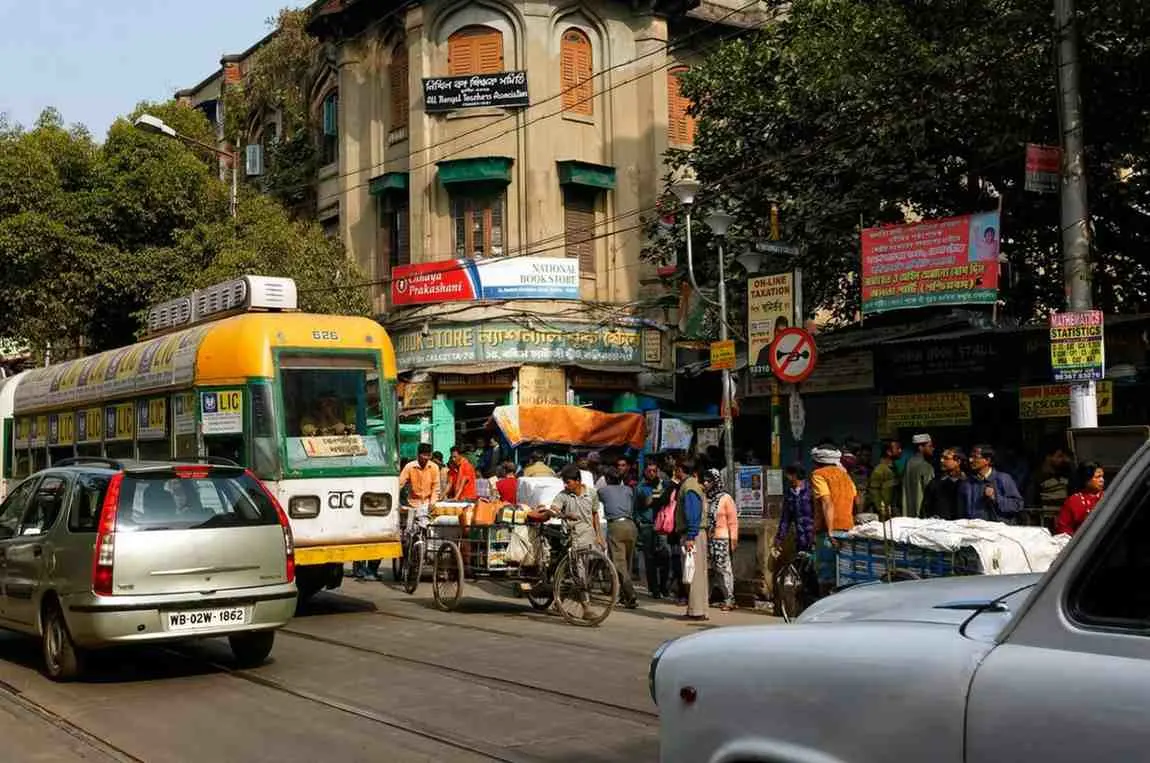
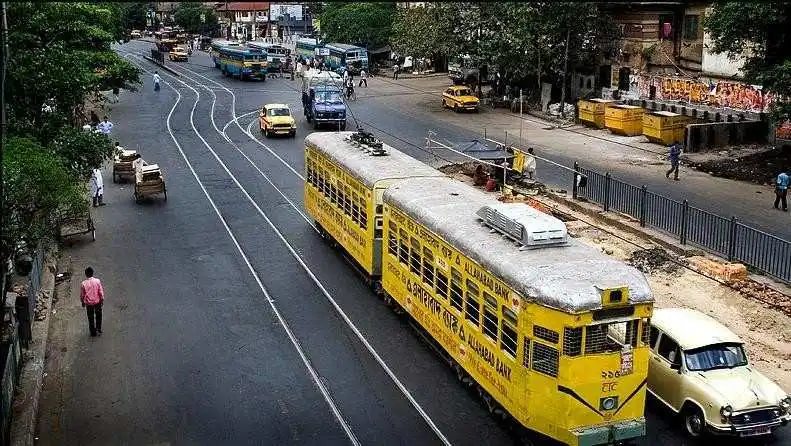
Kolkata is the only city in India where trams still operate, preserving a unique chapter of the country's transport heritage. Introduced in the late nineteenth century, trams have become one of Kolkata's most recognizable symbols.
Why Ride a Tram?
A tram journey is less about reaching your destination quickly and more about experiencing Kolkata's timeless charm.
As the tram gently glides through old neighborhoods, passengers can admire:
- Colonial-era buildings
- Historic markets
- Street vendors
- Heritage churches
- Old bookstores
- Traditional sweet shops
Best Tram Routes
Some of the most scenic routes pass through:
- Esplanade
- College Street
- B.B.D. Bagh
- Kidderpore
- Park Circus
- Ballygunge
Heritage Tram Experience
Special heritage tram rides occasionally operate with restored vintage carriages, allowing visitors to relive the city's colonial past. These themed journeys often include commentary about Kolkata's history and architecture.
Taxis in Kolkata
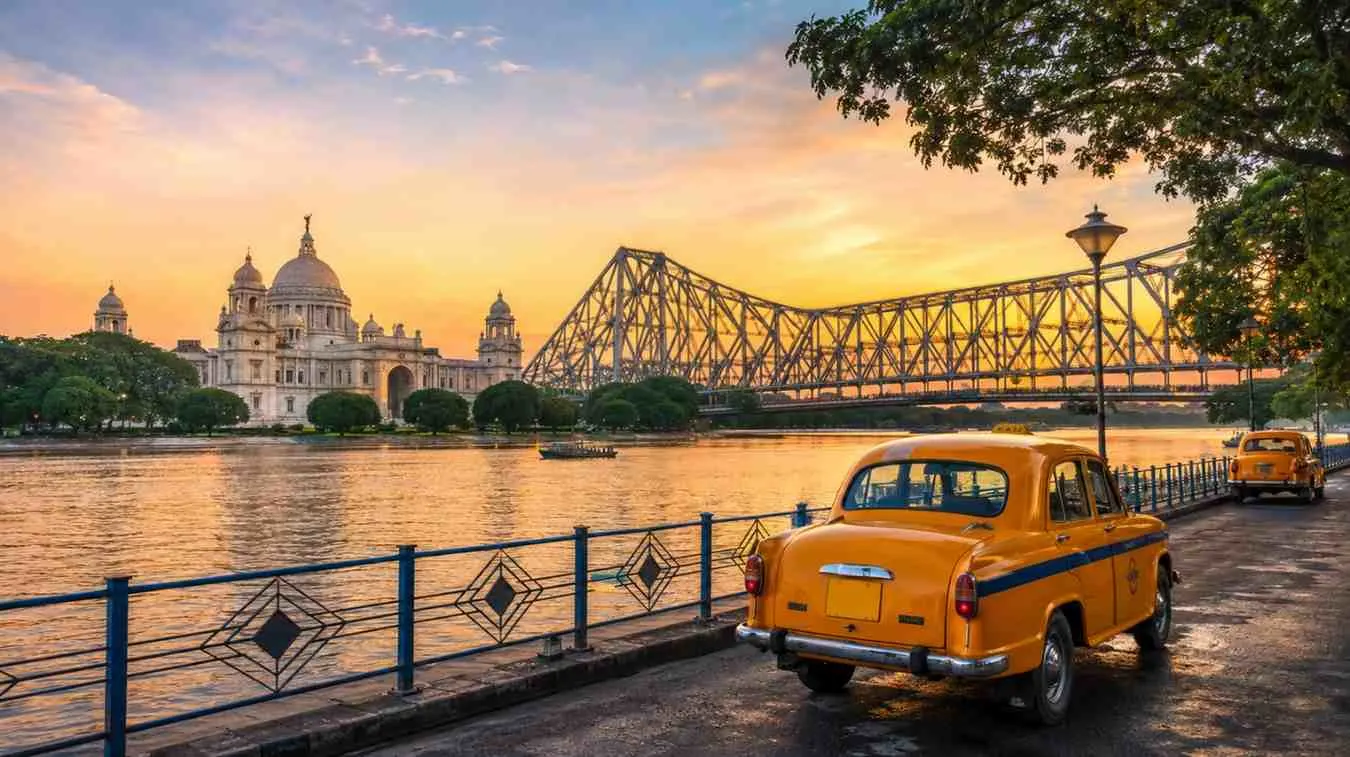
The city's iconic yellow Ambassador taxis remain one of Kolkata's enduring symbols, even as app-based cabs have become increasingly popular.
Advantages
- Easily available
- Comfortable
- Suitable for families
- Good for sightseeing
- Operate throughout the city
App-Based Cabs
Ride-hailing services have made travel around Kolkata more convenient than ever.
Benefits include:
- Cashless payments
- GPS navigation
- Air-conditioned vehicles
- Transparent pricing
- Airport transfers
- Night travel convenience
They are particularly useful when traveling with luggage or exploring attractions located outside the metro network.
Auto-Rickshaws
Auto-rickshaws are ideal for short-distance travel within neighborhoods.
They are commonly used for:
- Metro station connections
- Local shopping trips
- Residential areas
- Short sightseeing transfers
Some operate on shared routes, offering a highly economical travel option.
Ferry Services
The Hooghly River continues to function as an important transport corridor.
Public ferries connect several locations including:
- Howrah
- Babu Ghat
- Belur Math
- Dakshineswar
- Fairlie Place
Besides being inexpensive, ferry rides provide spectacular panoramic views of the river and skyline.
|
Money-Saving Tip Public ferries across the Hooghly River are inexpensive and also offer some of the city's best views. |
Transport Comparison
|
Mode |
Best For |
|
Metro |
Fast travel |
|
Tram |
Heritage experience |
|
Taxi |
Comfortable sightseeing |
|
App Cab |
Scenic river crossings |
|
Auto-Rickshaw |
Short local trips |
Shopping in Kolkata
Shopping in Kolkata is a delightful blend of heritage markets, modern malls, artisan workshops, book bazaars, and traditional handicrafts. Whether you're looking for handwoven sarees, antiques, Bengali sweets, books, or souvenirs, the city offers endless options.
New Market
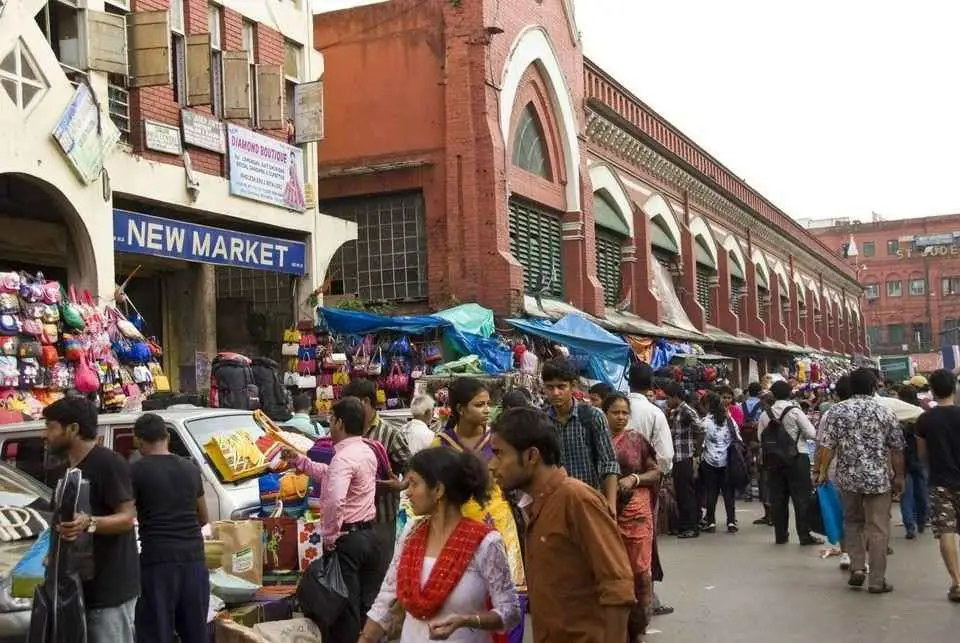
Established in 1874, New Market remains Kolkata's most famous shopping destination.
The sprawling market houses over two thousand shops selling almost everything imaginable.
Popular purchases include:
- Leather goods
- Handicrafts
- Clothing
- Jewellery
- Toys
- Bengali sweets
- Spices
- Decorative items
Bargaining is common in many sections of the market.
Gariahat Market
Gariahat is a paradise for shoppers looking for traditional Bengali fashion.
You'll find:
- Tant sarees
- Jamdani sarees
- Handloom fabrics
- Costume jewellery
- Bags
- Home décor
- Street fashion
The lively atmosphere makes shopping here an authentic Kolkata experience.
College Street
Known as the world's largest second-hand book market, College Street stretches for nearly 1.5 kilometers.
Thousands of books line the sidewalks, covering every imaginable subject.
Visitors can purchase:
- Academic books
- Rare editions
- Fiction
- Competitive exam guides
- Bengali literature
- International publications
Book lovers often spend an entire afternoon browsing the endless stalls.
Indian Coffee House
Located nearby, the legendary Indian Coffee House has hosted generations of writers, professors, artists, and students.
Its vintage interiors and nostalgic atmosphere make it one of Kolkata's most iconic cafés.
Kumartuli
Kumartuli is one of Kolkata's most fascinating artisan neighborhoods.
For centuries, skilled craftsmen here have handcrafted clay idols of Hindu deities that are shipped across India and around the world.
Visitors can watch artists:
- Sculpt clay figures
- Paint intricate details
- Decorate idols
- Prepare Durga Puja installations
South City Mall
For modern shopping, South City Mall offers:
- International brands
- Indian fashion labels
- Multiplex cinema
- Restaurants
- Entertainment zones
It's ideal for families looking to combine shopping with dining.
Day Trips from Kolkata
Kolkata also serves as an excellent base for exploring eastern India's natural beauty, heritage towns, beaches, and wildlife reserves.
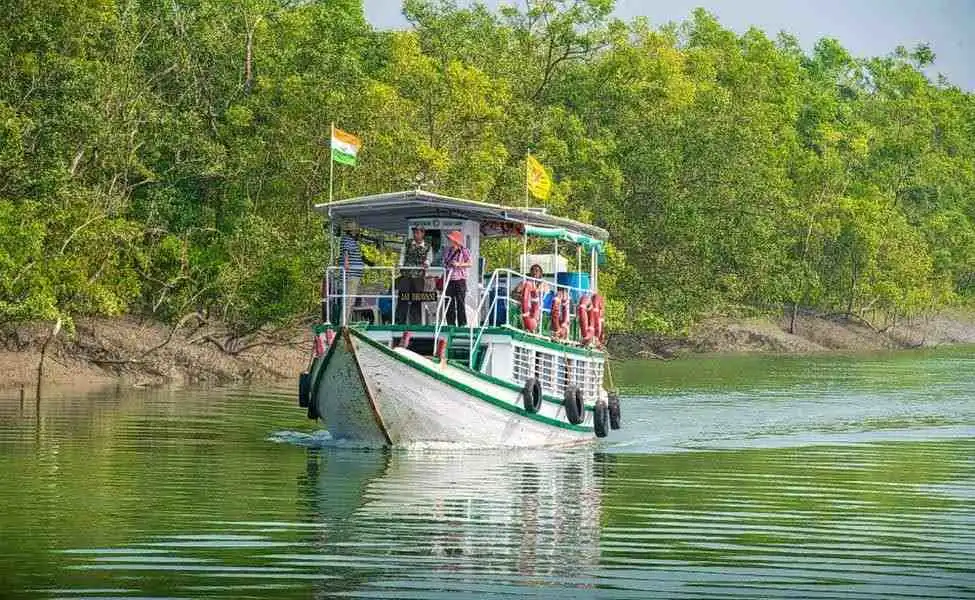
Sundarbans National Park
Distance: Approximately 100–120 km (gateway)
The Sundarbans is the world's largest mangrove forest and a UNESCO World Heritage Site. It is famous for its intricate waterways, dense mangrove forests, and the elusive Royal Bengal Tiger.
Popular activities include:
- Boat safaris
- Birdwatching
- Village visits
- Mangrove exploration
- Wildlife photography
A guided overnight tour is recommended for the best experience.
Shantiniketan
Distance: Approximately 165 km
Founded by Nobel Laureate Rabindranath Tagore, Shantiniketan is a cultural town renowned for its peaceful atmosphere, art, music, and education.
Top attractions include:
- Visva-Bharati University
- Tagore's residence
- Kala Bhavana
- Sonajhuri Haat
- Local handicraft markets
The annual Poush Mela and Basanta Utsav attract visitors from across India.
Digha Beach
Distance: Approximately 185 km
Digha is West Bengal's most popular beach destination.
Visitors can enjoy:
- Sunrise walks
- Fresh seafood
- Beach markets
- Water sports
- Scenic sunsets
The destination is ideal for a weekend escape from Kolkata.
Mandarmani
Located a few hours from Digha, Mandarmani is known for its long sandy beaches and relatively peaceful atmosphere.
Activities include:
- ATV rides
- Beach walks
- Parasailing (seasonal)
- Local seafood
- Family vacations
Bishnupur
History enthusiasts should not miss Bishnupur, famous for its terracotta temples, Baluchari sarees, and classical music traditions.
The town showcases remarkable temple architecture dating back to the Malla dynasty.
Chandannagar
A former French colony located along the Hooghly River, Chandannagar offers elegant colonial architecture, river promenades, churches, and museums reflecting its unique heritage.
Nature & Heritage Trips
Travelers seeking diverse experiences can choose from:
- Mangrove forests in the Sundarbans
- Coastal escapes at Digha and Mandarmani
- Cultural exploration in Shantiniketan
- Historic temple architecture in Bishnupur
- Colonial heritage in Chandannagar
Hidden Gems of Kolkata
Beyond its famous landmarks, Kolkata rewards curious travelers with numerous lesser-known attractions.
Marble Palace
A nineteenth-century mansion featuring exquisite sculptures, paintings, chandeliers, and antique collections.
Bow Barracks
A charming Anglo-Indian neighborhood famous for its red-brick buildings and vibrant Christmas celebrations.
Rabindra Sarobar
A peaceful urban lake surrounded by gardens, walking trails, and birdlife.
Jorasanko Thakur Bari
The ancestral home of Rabindranath Tagore, now converted into a museum dedicated to his life and works.
Mother's House
The headquarters of the Missionaries of Charity founded by Mother Teresa remains an important pilgrimage site for visitors from around the world.
Eco Park
Located in New Town, Eco Park is Kolkata's largest urban park, featuring themed gardens, cycling paths, boating, and recreational activities suitable for families.
If you love hill stations, don’t miss our Darjeeling Travel Guide, featuring tea gardens, Toy Train rides, and Himalayan views.
Best Time to Visit Kolkata
Kolkata is a year-round destination, but your experience can vary significantly depending on the season. Winter offers pleasant weather and numerous festivals, while the monsoon transforms the city into a lush green landscape. Summers, although hot and humid, are suitable for travelers seeking fewer crowds and lower hotel rates.
October to February (Winter)
Winter is widely regarded as the best time to visit Kolkata. Temperatures generally range between 12°C and 25°C, making it comfortable for walking tours, heritage exploration, shopping, and riverfront visits.
Why Visit During Winter?
- Pleasant daytime temperatures
- Comfortable evenings
- Ideal for sightseeing
- Excellent photography conditions
- Peak festival season
- Outdoor events and cultural performances
- Perfect weather for heritage walks
Major Events
- Durga Puja (late September or October, depending on the lunar calendar)
- Kali Puja
- Diwali
- Christmas celebrations on Park Street
- Kolkata International Film Festival
- Kolkata Book Fair (usually January–February)
March to June (Summer)
Summer in Kolkata can be warm and humid, with daytime temperatures often exceeding 35°C.
While sightseeing during the afternoon may be challenging, mornings and evenings remain enjoyable.
Advantages of Visiting in Summer
- Lower hotel prices
- Smaller crowds
- Easier attraction access
- Better flight deals
- Quieter museums and monuments
Travelers should:
- Carry water
- Wear breathable cotton clothing
- Use sunscreen
- Plan outdoor sightseeing early in the day
July to September (Monsoon)
The southwest monsoon brings regular rainfall to Kolkata.
Although occasional waterlogging may occur in some areas, the rains also refresh the city's parks, gardens, and riverfront.
Monsoon Highlights
- Lush greenery
- Fewer tourists
- Pleasant temperatures after rainfall
- Beautiful riverside photography
- Dramatic cloudscapes
Visitors should keep umbrellas or lightweight rain jackets handy.
Seasonal Travel Guide
|
Season |
Recommendation |
|
Winter (Oct–Feb) |
Excellent |
|
Summer (Mar–Jun) |
Moderate |
|
Monsoon (Jul–Sep) |
Good |
Where to Stay in Kolkata
Kolkata offers accommodation for every budget, from luxurious heritage hotels to affordable backpacker hostels and boutique guesthouses.
Luxury Hotels
Travelers seeking premium experiences can choose hotels around:
- Park Street
- Chowringhee
- Alipore
- New Town
These areas offer luxury accommodations, fine dining, spas, and excellent connectivity.
Mid-Range Hotels
Popular neighborhoods include:
- Salt Lake
- Ballygunge
- Esplanade
- Theatre Road
Budget Hotels & Hostels
Budget-conscious travelers can find excellent options near:
- Sudder Street
- Sealdah
- Howrah
- College Street
Suggested Kolkata Itineraries
3-Day Kolkata Itinerary
Day 1 – Colonial Kolkata
Morning
- Victoria Memorial
- Maidan
- St. Paul's Cathedral
Afternoon
- Indian Museum
- New Market
Evening
- Park Street
- Dinner at a heritage restaurant
Day 2 – River & Heritage
Morning
- Howrah Bridge
- Mullick Ghat Flower Market
Late Morning
- Ferry Ride
Afternoon
- Belur Math
- Dakshineswar Temple
Evening
- Prinsep Ghat
- Sunset photography
Day 3 – Culture & Food
Morning
- Kumartuli
- College Street
Afternoon
- Indian Coffee House
- Shopping
Evening
- Tram Ride
- Street Food Tour
4-Day Kolkata Itinerary
Follow the three-day itinerary above and dedicate Day Four to a nearby excursion.
Choose one:
- Sundarbans
- Shantiniketan
- Chandannagar
- Digha Beach
- Bishnupur
Estimated Travel Budget
The following estimates apply to a three-day trip.
|
Budget Type |
Approximate Cost (Per Person) |
|
Backpacker |
₹6,000–₹10,000 |
|
Mid-Range |
₹12,000–₹22,000 |
|
Luxury |
₹30,000+ |
Costs include accommodation, local transportation, sightseeing, and meals but may vary depending on season and preferences.
Travel Tips for Kolkata
Essential Tips
- Use the metro for traffic-free travel.
- Take at least one heritage tram ride.
- Start sightseeing early during summer.
- Carry light cotton clothes for most of the year.
- Wear comfortable walking shoes.
- Keep cash for local markets and food stalls.
- Try authentic Bengali cuisine.
- Book hotels early during Durga Puja.
- Respect festival crowds and local customs.
- Explore early-morning attractions such as the Flower Market.
Conclusion
Kolkata is far more than a historic city—it is a living celebration of art, literature, music, architecture, spirituality, and cuisine. From the marble grandeur of Victoria Memorial and the timeless silhouette of Howrah Bridge to the vibrant pandals of Durga Puja and the irresistible flavors of Bengali street food, every corner of the City of Joy tells a story.
|
About the Author Sushil Katoch is a travel content researcher and editor who specializes in creating detailed destination guides across India. His articles are based on extensive research using official tourism sources, historical references, local insights, and verified traveler information to help readers plan better trips. |
Sources & References
Frequently Asked Questions
More from
Himalayas Digital
Top Places to Visit in Kashmir: 10 Best Tourist Destinations for 2026
Morjim Beach Goa: Things to Do, Best Time, How to Reach & Travel Guide 2026
Palolem Beach Goa: Things to Do, Best Time, How to Reach & Travel Guide 2026
Colva Beach Goa: Things to Do, Best Time, How to Reach & Travel Guide 2026